世界の麺 10の物語
Ten Noodles, Ten Stories
This page traces the origins of ten widely known noodles from around the world, as far as the record allows. Each entry is written so it can be read on its own.
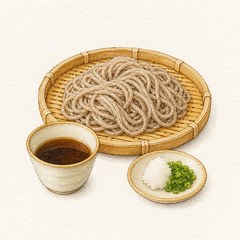 01SobaThe earliest year at which the record of soba-giri is introduced1574
Eating the grain whole, and cutting it into strands, are two different foods.
A record from Jōshō-ji temple in Nagano, dated Tenshō 2 (1574), is introduced as containing the line ‘soba-giri was served.’ It appears in a list of donors marking the completion of repairs to the temple’s Buddha hall, and is said to be among the oldest confirmable records of soba-giri as a dish. In Edo, a monk’s diary from Keichō 19 (1614) is said to record that soba-giri was served, and before the Jōshō-ji record became known, this diary was held to be the oldest.
The plant itself, buckwheat, has a longer history of consumption, but the leading theory places its origin in southwestern China, not Japan. What this card is concerned with is not the plant, but the technique of turning the flour into strands.
The pairing of soba and sake has old records behind it. There is said to have been a custom of drinking a cup while waiting for the noodles to finish boiling, called sobamae, and a late-Edo essay is introduced as containing a passage to the effect that ‘a soba shop always has sake.’ A theory also circulates that this began with a sake shop in Kanda, but no record has been found showing who started it, or when.
Structure
- Broth
- Kaeshi (soy sauce, mirin, and sugar) with bonito flake and kelp
- Aromatics
- The toasty, faintly green aroma of the buckwheat flour itself
- Fat
- Low
- Heat
- Wasabi, shichimi pepper
- Umami
- The broth, and a faint sweetness from the buckwheat itself
- How it's eaten
- The cooking water, sobayu, is drunk after the meal
Skeleton
Buckwheat flour is worked with water into a dough, rolled out with a pin, and cut with a knife. From the mid-Edo period on, the ni-hachi ratio — using wheat flour as a binder — became widespread. The dough is not dried or rested; it goes straight from cutting into the boiling water.
Pairing, by structure
With the sweet-savory kaeshi and the bonito broth, an umami-rich junmai style can be a candidate. Eaten dipped in salt instead, the direction shifts toward a clear, dry style.
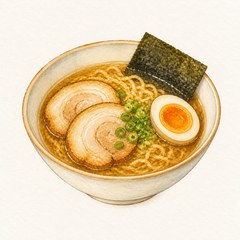 02RamenThe year Japan’s own ramen style took shape1910
There are two years that could be called the beginning.
In 1910, Rairaiken, which opened in Asakusa, Tokyo, invited cooks over from Yokohama’s Chinatown and served a Chinese-style noodle dish adapted for Japanese customers. There is a way of calling this year ‘Year One of Ramen,’ but that is one critic’s personal label, not an officially designated anniversary. After the ports opened in 1859, Chinese-noodle cooking entered Japan through the Chinese communities living in the treaty-port settlements of Yokohama, Kobe, Nagasaki, and Hakodate, and in Yokohama it was sold under the name ‘Nankin soba.’
But there is an older record. Materials surrounding Nara’s Kōfuku-ji temple are confirmed to contain a description to the effect that, in 1488, a kansui noodle called keitaimen — made using a method from a Chinese household encyclopedia — was prepared and served. The Shin-Yokohama Ramen Museum positions this as the oldest surviving record of a Chinese-style noodle in Japan. The museum’s own timeline also notes an episode in which the lord of Mito domain was served a Chinese-style noodle in 1697, while explicitly stating that it never spread among ordinary people. An old record existing, and a dish taking root, are two separate things.
In 1958, packaged instant ramen went on sale. It is also the year a dish eaten at a shop became a food kept on the home pantry shelf.
Structure
- Broth
- Pork bone, chicken carcass, dried sardine, seafood — it varies shop to shop
- Fat
- High, from back fat or aromatic oil
- Umami
- Often built by layering animal-based and seafood-based stock
- Heat
- Some shops add chili oil
- Aromatics
- Aromatic oil of garlic, ginger, and scallion, and the grain aroma that comes from kansui
Skeleton
Wheat flour is kneaded with kansui, then rolled out and cut. Some shops knead by hand or pull the dough by hand instead. The amount of water worked into the dough varies with the noodle’s thickness and texture.
Pairing, by structure
With the richness of back fat or aromatic oil and the salt of the broth, a clean, dry style with acidity can be a candidate.
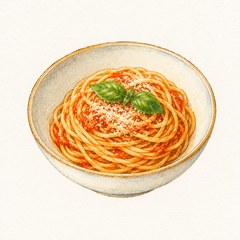 03PastaThe earliest year at which dried pasta is introduced as already an export industry1154
Drying was the technology.
A geographical work compiled in 1154 by the Arab geographer al-Idrisi for the King of Sicily is introduced as containing a description of a settlement near Palermo called Trabia. The content, to that effect, describes large quantities of ‘itriyya’ being made using water mills and shipped out by boat to Calabria and other points around the Mediterranean. What is written here is not an unusual local food, but an export industry already in place. This year is not ‘the year pasta was born,’ but ‘the year it can be confirmed to have already become an industry.’
The process of drying is what made this noodle transportable. It is kneaded from nothing but durum wheat semolina and water, shaped, and dried. Using no egg lets it keep longer, and the dry Mediterranean wind made that possible. A ninth-century Arabic dictionary is said to contain an entry defining itriyya as a string-shaped food made from semolina and dried before cooking, but the original text has not been confirmed.
Structure
- The pasta itself
- A vessel for flavor — its structure shifts largely with the sauce’s lineage
- Acidity
- High in the tomato-based lineage, low in the oil-based lineage
- Fat
- Olive oil, dairy, meat fat
- Umami
- Cheese, seafood, tomato
- Aromatics
- Basil, oregano, garlic
Skeleton
Durum wheat semolina is kneaded with water, shaped by extrusion or by stretching, and dried. A separate lineage of fresh pasta uses egg, and this kind is rolled out and cut instead.
Pairing, by structure
We think from the strongest element on the plate. Where tomato’s acidity leads, an acid-driven red can be a candidate; where the richness of dairy and cheese takes the lead, a fuller-bodied white can be a candidate. Here we take the latter as our example.
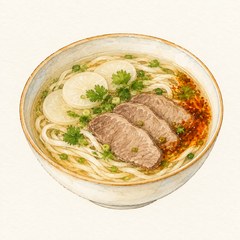 04Lanzhou Hand-Pulled Noodles (Lanzhou Lamian)The year widely passed down in telling as the year it was founded1915
A single bowl’s clarity is held to a standard of five colors.
It is passed down in telling that the direct beginning was in 1915, when a man named Ma Baozi started a beef-noodle stall on the streets of Lanzhou. Some accounts also introduce 1919 as the year he opened a fixed shop, but this is not backed up by contemporary newspaper or administrative records, and likely rests on family and local oral tradition instead. Later practitioners of the craft are said to have set a standard — ‘one clear, two white, three red, four green, five yellow,’ referring to a clear broth, white radish, red chili oil, green cilantro, and yellow noodles — and aligned the shop’s name to Lanzhou beef noodles as well.
In 2021, ‘the craft of making Lanzhou beef noodles’ was inscribed on China’s national list of intangible cultural heritage. This is an official record, promulgated by the State Council. Lanzhou is home to a large Hui population, and this beef-noodle dish is said to have developed as a halal dish made without pork. Being able to choose the noodle’s thickness when ordering is itself a sign of just how finely the hand-pulling technique can be controlled.
Structure
- Broth
- A clear beef-bone and beef broth, clarified thoroughly
- Fat
- Chili oil floating on the surface
- Acidity
- None as a rule; some shops serve vinegar on the side
- Heat
- Chili oil
- Aromatics
- Star anise and cassia bark are often used to bring out the broth’s aroma
Skeleton
A high-gluten wheat flour is kneaded with water, salt, and an alkali traditionally made from plant ash. The dough is rested, stretched, and pulled by hand into noodles by the craftsperson.
Pairing, by structure
With the clear beef broth and the aroma of chili oil, an umami-rich junmai style served warm (atsukan-style) can be a candidate.
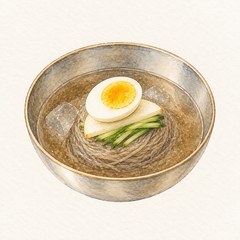 05NaengmyeonThe earliest year at which a record is introduced1849
The two naengmyeon are different dishes, right down to what the noodle is made from.
An almanac of seasonal customs said to have been compiled around 1849 is introduced as containing a reference to naengmyeon from Pyongan Province. It is said to describe, in essence, buckwheat noodles topped with radish or napa cabbage pickle, with pork added alongside. The original text itself has not been confirmed. A theory placing its origins further back, in the Goryeo period, is also seen, but no contemporary source has been confirmed to support it, and it remains within the realm of legend.
What is now called naengmyeon actually has two lineages that differ in what the noodle is made from. The Pyongyang lineage is built mainly on buckwheat flour, pairing a clear, cold broth with the brine of aged radish pickle. The Hamhung lineage centers on potato or sweet-potato starch, eating a noodle that is strongly translucent and springy with a spicy dressing. The Hamhung lineage is said to have spread from the 1950s onward, through the shops of people who carried this regional taste south. In 2022, the custom of Pyongyang naengmyeon was inscribed on UNESCO’s list of intangible cultural heritage, at North Korea’s petition.
Structure
- Pyongyang style
- A clear, cold broth of beef or pheasant, with the fermented tang of aged radish-pickle brine
- Hamhung style
- Built mainly around a chili-based dressing
- Acidity
- High in both (fermentation acid and vinegar)
- Heat
- High in the Hamhung style
- Umami
- Meat broth and fermentation
- Aromatics
- Commonly eaten with a kick of mustard for accent
Skeleton
The dough is loaded into a press and extruded through holes, dropping straight into boiling water. The more starch the base ingredient contains, the more translucent and chewier the noodle becomes.
Pairing, by structure
With the fermented acidity and the cold, a clean, dry style that can stand up to the acid can be a candidate.
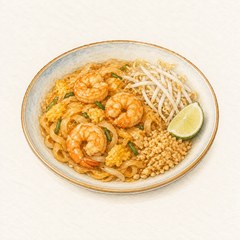 06Pad ThaiThe year a precursor recipe appeared in a cookbook1908
Before the 1942 policy, a cookbook already held a recipe said to be its precursor.
A cookbook said to be Thailand’s oldest is introduced as containing a recipe that stir-fries rice and noodles together and seasons them with three flavors — chili bean paste, citrus juice, and sugar. Published between 1908 and 1909, a Thai cultural journal carries the observation that this is considered a precursor to today’s Pad Thai. The original text has not been confirmed.
In 1942, there was a policy call encouraging the eating of rice noodles. Set against the backdrop of wartime rice shortages, this is said to have helped push its later spread. What was encouraged at the time, however, was eating rice noodles in general — not one specific dish. The existence of a precursor recipe in the cookbook published between 1908 and 1909 backs up that distinction as well.
Structure
- Acidity
- Tamarind
- Sweetness
- Palm sugar
- Salt and umami
- Fish sauce and dried shrimp
- Heat
- Chili powder added at the table
- Aromatics
- Garlic chives, lime, fried garlic, egg
- Texture
- The richness of peanuts
Skeleton
The noodle is cut thin from a sheet steamed from rice flour mixed with water, then stir-fried in an iron pan. The seasoning is decided during the frying.
Pairing, by structure
This is a dish where sour, sweet, salty, and spicy all stand out clearly. A low-alcohol sweet style that sits alongside the tamarind’s acidity and the palm sugar’s sweetness can be a candidate.
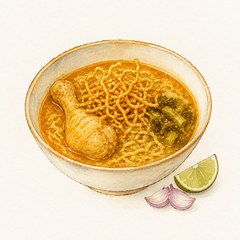 07Khao SoiThe year said to be the earliest record in Chiang Mai1932
The same bowl holds both a boiled noodle and a fried one.
A record is introduced showing that in 1932, there was a khao soi stall behind a market in Chiang Mai. At the time, though, it is said to have been a much simpler dish — coconut milk not yet in use, just noodles ladled with a broth of simmered chicken or beef. This dish is thought to have been carried into Northern Thailand by Muslim caravan traders from Yunnan, by way of Burma and Laos. In passing through Burma, curry powder and coconut milk are said to have been added.
What catches the eye most in today’s khao soi is that the noodle appears twice. On top of boiled egg noodles goes the same noodle, deep-fried in high-heat oil until crisp. This addition of a fried-noodle topping is said to be a development unique to Thailand, not found in the preceding Yunnan or Burmese lineages. With a soft noodle and a shattering one sharing the same bowl, the texture changes over the course of the meal.
Structure
- Broth
- Coconut milk and curry paste (cumin, turmeric, cardamom, and others), rich with fat
- Acidity
- Lime is squeezed in
- Heat
- From the paste itself, plus pickled chili added at the table
- Umami
- Chicken or beef broth and fish sauce
- Aromatics
- The toasty aroma of the fried noodle, and spice
- Texture
- A double texture — boiled noodle and fried noodle
Skeleton
Wheat-flour egg noodles are cut and boiled, and the same noodle is deep-fried and placed on top. The broth is finished with coconut milk.
Pairing, by structure
This is a dish where the richness of coconut and the toasty aroma of fried noodle layer together. A sweet-potato shochu with umami and toastiness, in a style diluted with hot water, can be a candidate.
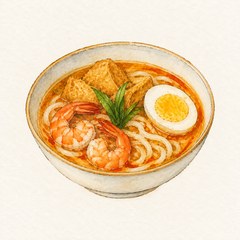 08LaksaNo record traces a single point of origin
Laksa is not the name of a single dish.
Laksa is said to have its beginnings in the food of the Peranakan — a culture born between Chinese immigrants and the local population. It is where a Chinese noodle tradition overlaps with the spices and coconut of Southeast Asia. In port towns along the trade routes — Penang, Malacca, Singapore, Medan, Palembang — each place grew its own distinct laksa. No account has been found that can single out any one of these as the place of origin. Its etymology, too, has two theories standing side by side, one tracing it to Persian and the other to Sanskrit, and neither has reached the status of settled fact.
Today there are two widely known lineages. Penang’s Assam Laksa builds strong tamarind acidity into a sardine or mackerel fish stock. The Nyonya, or curry, lineage pairs a coconut-milk and shrimp stock with curry paste. A bowl where acidity takes the lead, and a bowl where richness takes the lead — the two differ from the very way the broth itself is made.
Structure
- Broth
- The sour-based lineage uses a sardine or mackerel fish stock; the creamy lineage uses coconut milk and shrimp
- Acidity
- High in the sour-based lineage, from tamarind; restrained in the creamy lineage
- Fat
- Rich in the creamy lineage
- Heat
- Stronger in the creamy lineage
- Umami
- Fermented shrimp paste
- Garnish
- In the sour-based lineage: mint, ginger flower, pineapple
Skeleton
The noodle is made from rice flour, extruded. Many regions use a thicker noodle, and some places use egg noodles instead.
Pairing, by structure
The direction changes with the lineage. For the sour-based style, a dry style that can stand up to the acidity can be a candidate; for the creamy style, something with acidity to meet the richness of coconut can be a candidate. Here we take the sour-based style as our example.
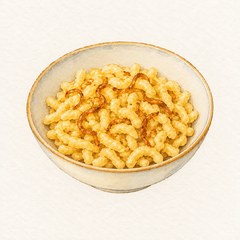 09SpätzleThe year it was registered as an EU geographical indication2012
There is a noodle made by scraping dough from a board straight into boiling water.
A soft dough kneaded from wheat flour, egg, and water is spread thin on a cutting board or scraper, then scraped off bit by bit into boiling water. Because it sets wherever it lands, the noodle takes no fixed shape. It is neither rolled and cut, nor extruded through holes. Methods using a dedicated tool have also become widespread, but scraping it from a board is held to be the traditional technique. It is not dried for storage; the kneaded dough goes straight into the water.
In 2012, the EU registered ‘Schwäbische Spätzle’ (Swabian Spätzle) as a Protected Geographical Indication. Anything that does not meet the conditions set out in the specification cannot use this name. Its first appearance in the written record is said to be 1725, though the specific document has not been confirmed. It is explained as having originally spread among Swabian farming households as a staple that could be made from cheap flour and egg.
Structure
- Fat
- Butter and cheese (the classic being Käsespätzle, which pairs melted cheese with fried onion)
- Acidity
- Restrained, supplemented by a side of sauerkraut
- Umami
- Cheese, and the meat juices of the accompanying braise
- Aromatics
- Browned butter and fried onion
Skeleton
Wheat flour is kneaded with a generous amount of egg and water into a soft dough, then scraped off a board into boiling water. It uses more egg than pasta does.
Pairing, by structure
With the richness of butter and cheese, a white with pronounced acidity can be a candidate.
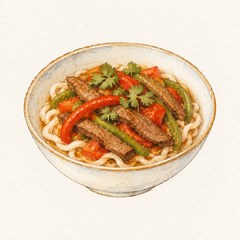 10LaghmanNo record can pin down its origin as a dish
The name itself is a borrowed word.
The name ‘laghman’ is said to be a loanword that entered from the Chinese lamian. The linguistic observation that Turkic languages have no native words beginning with the letter L is introduced as the grounds for this. Along with the noodle, then, the word for it traveled too.
What is documented in some detail is a migration into Central Asia. Following a rebellion between 1862 and 1877, some of the Hui people who survived it fled across the Tian Shan mountains into territory of the Russian Empire, and this is said to be the beginning of the people known in Central Asia as the Dungan. 1877, however, is the year of that migration — not the year the dish laghman was established. No material has been found that traces the origin of the dish itself. The technique of pulling the noodle by hand is said to share common ground with noodle-making in northern China. Today’s laghman has settled into a dish that pairs that noodle with a braise of tomato and lamb.
Structure
- Broth
- Lamb or beef braised with tomato, bell pepper, and onion, ladled over the noodle
- Fat
- Lamb or beef fat
- Acidity
- Tomato
- Heat
- Cumin and chili (varies widely by region)
- Umami
- Meat and tomato
- Aromatics
- Cumin, coriander seed
Skeleton
A wheat-flour dough is pulled by hand into noodles. In some regions, it is instead rolled flat and cut.
Pairing, by structure
Lamb’s fat and tomato’s acidity sit on the same plate. A red with tannin to meet the fat, dense without being heavy, can be a candidate.
Lay the ten side by side, and you notice that the character of the year label differs from one entry to the next. The year introduced as the oldest record (①③), the earliest year at which a record is introduced (⑤), the year said to be the earliest record (⑦), the year passed down in telling as the founding (④), the year set by law (⑨), the year the style took shape in Japan (②), and the ones that cannot be pinned down (⑧⑩). Even under the same phrase, ‘the year of that dish,’ what is being pointed to differs from one entry to the next.
One more thing. ④ and ⑩ are said to share common ground in their noodle-pulling technique and in their names. And yet one is a clear beef broth, the other a braise of tomato and lamb, and each has settled into a distinct dish in its own right today. A closeness in name, and a sameness in dish, are two different things.
Each entry rests on facts confirmed from published sources. Nothing here ranks one dish or place above another.
This page is educational content about the world's culinary and drinking culture. Alcohol is for persons of legal drinking age only. Excessive drinking is harmful to your health.
เส้น 10 ชนิด 10 เรื่องราว
หน้านี้ตามรอยที่มาของเส้น 10 ชนิดที่เป็นที่รู้จักกันดีทั่วโลก เท่าที่มีบันทึกหลงเหลืออยู่ แต่ละใบเขียนขึ้นให้อ่านแยกเป็นเอกเทศได้
01โซบะปีที่เก่าแก่ที่สุดที่ได้รับการแนะนำว่าเป็นบันทึกของโซบะกิริ1574
การกินแบบเป็นเมล็ด กับการหั่นเป็นเส้น คือของกินคนละอย่างกัน
มีการแนะนำว่าในบันทึกของวัดโจโชจิ (定勝寺) จังหวัดนากาโนะ ซึ่งลงปีเทนโช 2 (ค.ศ. 1574) มีข้อความบรรทัดหนึ่งว่า「振舞ソハキリ」ซึ่งมีความหมายว่ามีการเลี้ยงโซบะกิริ ปรากฏอยู่ในรายชื่อผู้บริจาคเนื่องในโอกาสฉลองการซ่อมแซมอาคารพระประธานเสร็จสิ้น และถือกันว่าเป็นบันทึกระดับเก่าแก่ที่สุดเท่าที่ยืนยันได้ถึงการมีอยู่ของเมนูโซบะกิริ ในเอโดะ มีการกล่าวถึงว่าในบันทึกประจำวันของพระรูปหนึ่งเมื่อปีเคโช 19 (ค.ศ. 1614) มีข้อความเรื่องการเลี้ยงโซบะกิริ และก่อนที่บันทึกของวัดโจโชจิจะเป็นที่รู้จัก บันทึกฉบับนี้เคยถูกถือว่าเก่าแก่ที่สุด
ทั้งนี้ ประวัติการกินโซบะในฐานะพืชนั้นเก่าแก่กว่านี้มาก แต่ทฤษฎีที่ได้รับการยอมรับมากที่สุดระบุว่าถิ่นกำเนิดอยู่ทางตะวันตกเฉียงใต้ของจีน ไม่ใช่พืชพื้นเมืองของญี่ปุ่น สิ่งที่การ์ดใบนี้ให้ความสำคัญไม่ใช่ตัวพืช แต่เป็นเทคนิคการแปรรูปแป้งให้เป็นเส้น
ในเรื่องความเชื่อมโยงระหว่างโซบะกับสาเก มีบันทึกมาตั้งแต่สมัยก่อน ว่ากันว่าเคยมีคำเรียกช่วงเวลาระหว่างรอเส้นต้มสุกว่า「蕎麦前」(โซบะมาเอะ) ซึ่งเป็นคำที่สื่อถึงธรรมเนียมที่ร้านโซบะเคยเกี่ยวข้องกับสาเกมาแต่เดิม และมีการแนะนำว่าในบทความร้อยแก้วปลายยุคเอโดะมีข้อความในทำนอง “ร้านโซบะต้องมีสาเกเสมอ” นอกจากนี้ยังมีทฤษฎีที่เล่าสืบกันมาว่าจุดเริ่มต้นคือร้านขายสาเกย่านคันดะ แต่ยังไม่พบบันทึกที่ระบุว่าใครเป็นผู้เริ่มและเริ่มเมื่อใด
โครงสร้างรสชาติ
- น้ำซุป
- คาเอชิ (ซีอิ๊ว มิริน น้ำตาล) กับคัตสึโอะบุชิและคอมบุ
- กลิ่นหอม
- กลิ่นหอมกรุ่นของแป้งโซบะเองและกลิ่นเขียวสด
- ไขมัน
- ต่ำ
- รสเผ็ด
- วาซาบิ ชิจิมิ
- รสอูมามิ
- ความหวานอ่อนๆ ของน้ำซุปและเมล็ดโซบะ
- วิธีกิน
- ดื่มโซบะยุ (น้ำต้มเส้นโซบะ) หลังมื้ออาหาร
โครงสร้างการปรุง
ใส่น้ำลงในแป้งโซบะแล้วนวด รีดด้วยไม้นวดแป้ง แล้วหั่นด้วยมีด นับตั้งแต่กลางยุคเอโดะเป็นต้นมา สัดส่วนแบบ“นิฮาจิ”ที่ใช้แป้งสาลีเป็นตัวประสานได้แพร่หลายออกไป ไม่มีการผึ่งแห้งหรือพักแป้งไว้ นวดเสร็จก็ต้มทันที
แนวทางการจับคู่
ด้วยรสหวานเค็มของคาเอชิและน้ำซุปคัตสึโอะเป็นโครงหลัก สาเกจุนไมที่มีอูมามิอาจเป็นหนึ่งในทิศทางที่เข้ากัน ส่วนถ้ากินแบบจิ้มเกลือ ทิศทางจะเปลี่ยนไปเป็นสาเกรสเผ็ดที่ใสสะอาด
02ราเมงปีที่ราเมงในรูปแบบญี่ปุ่นก่อตัวขึ้น1910
จุดเริ่มต้นมีสองปีด้วยกัน
ในปี ค.ศ. 1910 ร้านไรไรเคน (來々軒) ที่เปิดขึ้นในย่านอาซากุสะ กรุงโตเกียว ได้เชิญพ่อครัวจากไชน่าทาวน์โยโกฮามะมาปรุงจีนโซบะ (中華そば) ที่ปรับให้ถูกปากคนญี่ปุ่น มีการเรียกปีนี้ว่า “ปีที่หนึ่งของราเมง” แต่เป็นการเรียกโดยนักวิจารณ์คนหนึ่งเป็นการส่วนตัว ไม่ใช่วันครบรอบที่ทางการกำหนดไว้ หลังจากเปิดท่าเรือ (ค.ศ. 1859) อาหารเส้นแบบจีนได้เข้ามาผ่านชาวจีนที่อาศัยอยู่ในเขตสัมปทานของโยโกฮามะ โกเบ นางาซากิ และฮาโกดาเตะ โดยที่โยโกฮามะมีการขายภายใต้ชื่อ「南京そば」(นันกินโซบะ)
แต่มีบันทึกที่เก่าแก่กว่านั้นอีก ในปี ค.ศ. 1488 พบข้อความยืนยันในบันทึกที่เกี่ยวข้องกับวัดโคฟุกุจิ (興福寺) เมืองนารา ว่ามีการทำและเลี้ยงเส้นที่ใช้คันซุยชนิดหนึ่งชื่อ“เคไตเมง”(経帯麺) ซึ่งอ้างอิงวิธีทำจากตำราสารานุกรมชีวิตประจำวันของจีน พิพิธภัณฑ์ราเมงชินโยโกฮามะจัดให้บันทึกนี้เป็นบันทึกเส้นจีนที่เก่าแก่ที่สุดเท่าที่ยังหลงเหลืออยู่ในญี่ปุ่น ในขณะเดียวกัน ตารางเหตุการณ์ของพิพิธภัณฑ์แห่งนี้ก็ระบุไว้ชัดเจนว่า แม้จะมีการบันทึกเรื่องราวของเส้นจีนที่เจ้าเมืองมิโตะได้รับเลี้ยงในปี ค.ศ. 1697 แต่เส้นชนิดนี้ก็ไม่ได้แพร่หลายไปสู่ชาวบ้านทั่วไป การมีบันทึกเก่าแก่ กับการที่อาหารนั้นหยั่งรากลงเป็นเมนูจริง จึงเป็นคนละเรื่องที่เกิดขึ้นแยกจากกัน
ในปี ค.ศ. 1958 บะหมี่กึ่งสำเร็จรูปแบบซองวางจำหน่ายเป็นครั้งแรก นับเป็นปีที่อาหารซึ่งเคยกินแต่ในร้าน กลายมาเป็นอาหารที่วางอยู่บนชั้นในบ้านด้วยเช่นกัน
โครงสร้างรสชาติ
- น้ำซุป
- กระดูกหมู กระดูกไก่ ปลานิโบชิตากแห้ง และของทะเล แตกต่างกันไปในแต่ละร้าน
- ไขมัน
- สูง ด้วยไขมันสันหลังหมูและน้ำมันปรุงกลิ่นหอม
- รสอูมามิ
- ส่วนใหญ่มักผสานรสจากสัตว์บกและอาหารทะเลเข้าด้วยกัน
- รสเผ็ด
- บางร้านใช้น้ำมันพริก
- กลิ่นหอม
- น้ำมันปรุงกลิ่นหอมจากกระเทียม ขิง และต้นหอม รวมถึงกลิ่นธัญพืชที่มาจากคันซุย (น้ำด่าง)
โครงสร้างการปรุง
ผสมคันซุยลงในแป้งสาลีแล้วนวด จากนั้นรีดและตัดออกมาเป็นเส้น บางร้านนวดด้วยมือหรือดึงยืดด้วยมือ ปริมาณน้ำที่ใส่มีตั้งแต่น้อยไปมาก แตกต่างกันไปตามความหนาของเส้นและสัมผัสที่ต้องการ
แนวทางการจับคู่
ด้วยความเข้มข้นของไขมันสันหลังหมูและน้ำมันปรุงกลิ่น ผนวกกับความเค็มของน้ำซุปเป็นโครงหลัก สาเกรสเผ็ดที่มีความสดชื่นและมีกรดอาจเป็นหนึ่งในทิศทางที่เข้ากัน
03พาสต้าปีที่เก่าแก่ที่สุดที่ได้รับการแนะนำว่าเส้นแห้งได้กลายเป็นอุตสาหกรรมส่งออกไปแล้ว1154
การทำให้แห้งคือเทคโนโลยี
มีการแนะนำว่าในตำราภูมิศาสตร์ที่นักภูมิศาสตร์ชาวอาหรับ อัล-อิดรีซี เรียบเรียงถวายกษัตริย์แห่งซิซิลีเมื่อปี ค.ศ. 1154 มีข้อความกล่าวถึงชุมชนแห่งหนึ่งชื่อทราเบียใกล้เมืองปาแลร์โม ใจความคือมีการใช้กังหันน้ำผลิต“อิตริยา”เป็นจำนวนมาก แล้วขนส่งทางเรือไปยังคาลาเบรียและพื้นที่ต่างๆ รอบทะเลเมดิเตอร์เรเนียน สิ่งที่บันทึกนี้เล่าไม่ใช่อาหารพื้นถิ่นที่แปลกตา แต่เป็นอุตสาหกรรมส่งออกที่ก่อร่างขึ้นสำเร็จแล้ว ปีนี้จึงไม่ใช่“ปีที่พาสต้าถือกำเนิด” แต่เป็น“ปีที่ยืนยันได้ว่ากลายเป็นอุตสาหกรรมไปแล้ว”
กระบวนการทำให้แห้งนี่เองที่ทำให้เส้นชนิดนี้สามารถขนส่งไปไกลได้ นวดเพียงแป้งเซโมลินาจากข้าวสาลีดูรัมกับน้ำ ขึ้นรูปแล้วผึ่งแห้ง การไม่ใช้ไข่ทำให้เก็บได้นานขึ้น และลมแห้งแห่งเมดิเตอร์เรเนียนก็ทำให้เป็นไปได้ ว่ากันว่าในพจนานุกรมภาษาอาหรับศตวรรษที่ 9 มีข้อความนิยาม“อิตริยา”ไว้ว่าเป็นอาหารรูปเส้นเชือกที่ทำจากแป้งเซโมลินาแล้วผึ่งแห้งก่อนนำไปปรุง แต่ยังไม่สามารถยืนยันต้นฉบับได้
โครงสร้างรสชาติ
- ตัวเส้นเอง
- เป็นตัวรองรับรสชาติ โดยโครงสร้างจะเปลี่ยนไปมากตามสายของซอส
- รสเปรี้ยว
- สูงในสายมะเขือเทศ ต่ำในสายน้ำมัน
- ไขมัน
- น้ำมันมะกอก นม ไขมันจากเนื้อสัตว์
- รสอูมามิ
- ชีส อาหารทะเล มะเขือเทศ
- กลิ่นหอม
- เบซิล ออริกาโน กระเทียม
โครงสร้างการปรุง
นวดแป้งเซโมลินาจากข้าวสาลีดูรัมกับน้ำ แล้วขึ้นรูปด้วยการอัดผ่านแม่พิมพ์หรือรีดยืด จากนั้นผึ่งให้แห้ง ส่วนเส้นสดที่ใช้ไข่เป็นส่วนผสมนั้นเป็นอีกสายหนึ่งแยกต่างหาก ซึ่งทำโดยการรีดแล้วตัด
แนวทางการจับคู่
พิจารณาจากองค์ประกอบที่เด่นที่สุดในจานเป็นหลัก หากรสเปรี้ยวของมะเขือเทศโดดเด่นขึ้นมา ไวน์แดงที่มีกรดอาจเป็นหนึ่งในทิศทางที่เข้ากัน ส่วนถ้าไขมันจากนมและชีสเป็นตัวชูโรง ไวน์ขาวที่มีความหนักแน่นก็อาจเป็นอีกทิศทางหนึ่ง โดยที่นี่ยกตัวอย่างในแบบหลัง
04หลานโจวลาเมี่ยนปีก่อตั้งที่เล่าสืบต่อกันมาอย่างกว้างขวาง1915
ความใสของซุปในหนึ่งชาม มีเกณฑ์วัดอยู่ที่ห้าสี
เล่าสืบต่อกันมาว่าจุดเริ่มต้นโดยตรงคือปี ค.ศ. 1915 เมื่อบุคคลผู้หนึ่งชื่อมาเป่าจื่อ (馬保子) เริ่มเปิดแผงลอยขายก๋วยเตี๋ยวเนื้อวัวบนถนนในเมืองหลานโจว มีการแนะนำด้วยว่าเขาได้เปิดเป็นร้านถาวรในปี ค.ศ. 1919 แต่ยังไม่พบหลักฐานยืนยันจากหนังสือพิมพ์หรือบันทึกราชการในยุคนั้น จึงมีความเป็นไปได้สูงว่าเรื่องนี้มีที่มาจากคำบอกเล่าของครอบครัวและท้องถิ่นแทน ผู้สืบทอดฝีมือรุ่นหลังว่ากันว่าได้กำหนดเกณฑ์“หนึ่งใส สองขาว สามแดง สี่เขียว ห้าเหลือง” หมายถึงน้ำซุปใส ไชเท้าขาว น้ำมันพริกแดง ผักชีเขียว และเส้นเหลือง พร้อมทั้งปรับชื่อร้านให้ตรงกันเป็นก๋วยเตี๋ยวเนื้อวัวหลานโจวด้วยเช่นกัน
ในปี ค.ศ. 2021 “ศิลปะการทำก๋วยเตี๋ยวเนื้อวัวหลานโจว” (蘭州牛肉麺製作技芸) ได้รับการขึ้นทะเบียนเป็นมรดกทางวัฒนธรรมที่จับต้องไม่ได้ระดับชาติของจีน ซึ่งเป็นบันทึกทางการที่ประกาศโดยคณะรัฐมนตรีจีน หลานโจวเป็นดินแดนที่มีชาวหุยอาศัยอยู่มาก และว่ากันว่าก๋วยเตี๋ยวเนื้อวัวชนิดนี้เติบโตขึ้นมาในฐานะอาหารฮาลาลที่ไม่ใช้เนื้อหมู การที่สามารถเลือกความหนาของเส้นได้เมื่อสั่ง ก็เป็นอีกหนึ่งเครื่องยืนยันว่าเทคนิคการดึงยืดเส้นนั้นควบคุมได้ละเอียดถึงเพียงนั้น
โครงสร้างรสชาติ
- น้ำซุป
- ชิงทัง น้ำซุปใสที่ต้มจากกระดูกวัวและเนื้อวัวจนใสสะอาดหมดจด
- ไขมัน
- น้ำมันพริกที่ลอยอยู่บนผิวหน้า
- รสเปรี้ยว
- โดยพื้นฐานไม่มี บางร้านแยกน้ำส้มสายชูมาให้ต่างหาก
- รสเผ็ด
- น้ำมันพริก
- กลิ่นหอม
- ส่วนใหญ่มักใช้โป๊ยกั๊กและอบเชยจีนช่วยชูกลิ่นในน้ำซุป
โครงสร้างการปรุง
นวดแป้งสาลีที่มีกลูเตนสูงกับน้ำและเกลือ พร้อมทั้งด่างซึ่งแต่เดิมทำจากขี้เถ้าพืช พักแป้งแล้วรีดยืด จากนั้นช่างฝีมือจะใช้มือดึงยืดแป้งให้กลายเป็นเส้น
แนวทางการจับคู่
ด้วยน้ำซุปวัวใสและกลิ่นหอมของน้ำมันพริกเป็นโครงหลัก สาเกจุนไมที่มีอูมามิและมักเสิร์ฟแบบอุ่น (คัง) อาจเป็นหนึ่งในทิศทางที่เข้ากัน
05แนงมยอนปีที่เก่าแก่ที่สุดที่ได้รับการแนะนำว่ามีบันทึกปรากฏอยู่1849
แนงมยอนสองแบบนั้น แตกต่างกันเป็นคนละอาหารตั้งแต่วัตถุดิบของเส้นเลยทีเดียว
มีการแนะนำว่าในหนังสือประเพณีประจำฤดูกาลที่ว่ากันว่าเรียบเรียงขึ้นราวปี ค.ศ. 1849 มีการกล่าวถึงแนงมยอนของแคว้นพย็องอันโด และมีการกล่าวถึงว่าเนื้อหาโดยสรุปคือการนำเส้นแป้งบัควีทมาใส่ไชเท้าหรือผักกาดขาวดอง พร้อมเนื้อหมูเป็นเครื่องเคียง ส่วนต้นฉบับที่แท้จริงนั้นยังไม่สามารถยืนยันได้ นอกจากนี้ยังมีทฤษฎีที่ว่าย้อนไปได้ไกลถึงสมัยโครยอ แต่ก็ไม่พบเอกสารร่วมสมัยที่เป็นหลักฐานรองรับ จึงยังคงอยู่ในขอบเขตของเรื่องเล่าสืบต่อกันมาเท่านั้น
สิ่งที่เรียกกันว่าแนงมยอนในปัจจุบันมีอยู่สองสาย ซึ่งต่างกันตั้งแต่วัตถุดิบของเส้น สายเปียงยางใช้แป้งบัควีทเป็นหลัก และเสิร์ฟพร้อมน้ำซุปเย็นใสผสานกับน้ำผักกาดไชเท้าดองที่บ่มจนได้ที่ ส่วนสายฮัมฮึงใช้แป้งจากมันฝรั่งหรือมันเทศเป็นหลัก ได้เส้นที่ใสและมีความเหนียวหนึบเด่นชัด กินคู่กับซอสคลุกรสเผ็ด ว่ากันว่าสายฮัมฮึงแพร่หลายออกไปตั้งแต่ทศวรรษ 1950 เป็นต้นมา ผ่านร้านของผู้คนที่นำรสชาติบ้านเกิดติดตัวย้ายลงไปทางใต้ ในปี ค.ศ. 2022 ธรรมเนียมแนงมยอนแบบเปียงยางได้รับการขึ้นทะเบียนเป็นมรดกทางวัฒนธรรมที่จับต้องไม่ได้ของยูเนสโก จากการยื่นสมัครโดยเกาหลีเหนือ
โครงสร้างรสชาติ
- สายเปียงยาง
- น้ำซุปเย็นใสจากเนื้อวัวหรือไก่ฟ้า ผสานกับรสเปรี้ยวจากการหมักของน้ำผักกาดไชเท้าดองที่บ่มจนได้ที่
- สายฮัมฮึง
- ซอสคลุกพริกแดงเป็นหลัก
- รสเปรี้ยว
- สูงทั้งคู่ (กรดจากการหมักและน้ำส้มสายชู)
- รสเผ็ด
- สูงในสายฮัมฮึง
- รสอูมามิ
- น้ำซุปเนื้อสัตว์และการหมัก
- กลิ่นหอม
- นิยมกินแบบใส่มัสตาร์ดให้มีกลิ่นฉุนช่วย
โครงสร้างการปรุง
ใส่แป้งลงในเครื่องอัดเส้น อัดออกมาทางรู แล้วปล่อยลงต้มในน้ำเดือดทันที ยิ่งวัตถุดิบมีแป้งเป็นสัดส่วนมากเท่าไร เส้นก็จะยิ่งใสและมีความเหนียวหนึบมากขึ้นเท่านั้น
แนวทางการจับคู่
ด้วยรสเปรี้ยวจากการหมักและความเย็นเป็นโครงหลัก สาเกรสเผ็ดที่สดชื่นและรับกับกรดได้ดีอาจเป็นหนึ่งในทิศทางที่เข้ากัน
06ผัดไทยปีที่สูตรต้นแบบปรากฏในตำราอาหาร1908
ก่อนจะมีนโยบายในปี 1942 มีสูตรที่ถือกันว่าเป็นต้นแบบปรากฏอยู่ในตำราอาหารแล้ว
ในตำราอาหารที่ว่ากันว่าเก่าแก่ที่สุดของไทยเล่มหนึ่ง มีการนำเสนอว่ามีสูตรที่นำข้าวสวยกับเส้นมาผัดรวมกัน ปรุงรสด้วยสามรสคือเต้าเจี้ยวเผ็ด น้ำคั้นผลไม้ตระกูลส้ม และน้ำตาล ตำรานี้จัดพิมพ์ขึ้นในช่วงปี 1908-1909 และมีข้อสังเกตในวารสารวัฒนธรรมของไทยว่าสูตรนี้ถือกันว่าเป็นต้นแบบของผัดไทยในปัจจุบัน ส่วนต้นฉบับดั้งเดิมนั้นยังไม่สามารถยืนยันได้
ในปี 1942 มีการรณรงค์ในเชิงนโยบายที่ส่งเสริมให้ผู้คนกินเส้นก๋วยเตี๋ยวที่ทำจากข้าว ซึ่งมีภูมิหลังมาจากภาวะข้าวขาดแคลนในช่วงสงคราม และกล่าวกันว่าเหตุการณ์นี้เป็นแรงหนุนให้เกิดการแพร่หลายในเวลาต่อมา อย่างไรก็ตาม สิ่งที่ได้รับการส่งเสริมในครั้งนั้นคือการกินเส้นก๋วยเตี๋ยวที่ทำจากข้าวโดยรวม ไม่ใช่อาหารจานใดจานหนึ่งโดยเฉพาะ และการที่ตำราอาหารช่วงปี 1908-1909 มีสูตรต้นแบบอยู่ก่อนแล้ว ก็ยิ่งตอกย้ำความแตกต่างนี้
โครงสร้างรสชาติ
- ความเปรี้ยว
- มะขาม
- ความหวาน
- น้ำตาลปี๊บ
- ความเค็มและอูมามิ
- น้ำปลาและกุ้งแห้ง
- ความเผ็ด
- เติมพริกป่นที่โต๊ะอาหาร
- กลิ่นหอม
- ใบกุยช่าย มะนาว กระเทียมเจียว ไข่
- เนื้อสัมผัส
- ความเข้มข้นของถั่วลิสง
โครงสร้างการปรุง
นำแป้งข้าวเจ้าละลายน้ำแล้วนึ่งจนเป็นแผ่น หั่นเป็นเส้นเล็กแล้วนำไปผัดในกระทะเหล็ก ปรุงรสไปพร้อมกับการผัด
แนวทางการจับคู่
ด้วยความเปรี้ยว ความหวาน ความเค็ม และความเผ็ดที่วางเรียงกันอย่างชัดเจนเป็นโครงหลัก สาเกรสหวานที่มีระดับแอลกอฮอล์ต่ำ ซึ่งแนบเคียงไปกับความเปรี้ยวของมะขามและความหวานของน้ำตาลปี๊บ อาจเป็นหนึ่งในตัวเลือกที่เข้ากัน
07ข้าวซอยปีที่ว่ากันว่าเป็นบันทึกยุคแรกสุดในเชียงใหม่1932
ในชามเดียวกัน มีทั้งเส้นที่ต้มและเส้นที่ทอดอยู่ด้วยกัน
มีการนำเสนอบันทึกว่า ในปี 1932 มีร้านข้าวซอยอยู่ด้านหลังตลาดแห่งหนึ่งในเชียงใหม่ อย่างไรก็ตาม ในยุคนั้นกล่าวกันว่ายังไม่มีการใช้กะทิ เป็นเพียงเส้นราดด้วยน้ำซุปไก่หรือเนื้อวัวตุ๋นแบบเรียบง่ายกว่าปัจจุบันมาก อาหารจานนี้เชื่อกันว่าถูกนำเข้ามาสู่ภาคเหนือของไทยผ่านกลุ่มพ่อค้าคาราวานชาวมุสลิมจากมณฑลยูนนาน โดยเดินทางผ่านพม่าและลาว และกล่าวกันว่าในระหว่างเส้นทางที่ผ่านพม่านั้น ได้มีการเพิ่มผงกะหรี่และกะทิเข้ามา
สิ่งที่โดดเด่นที่สุดของข้าวซอยในปัจจุบันคือการที่เส้นปรากฏอยู่ถึงสองแบบ บนเส้นไข่ต้มจะมีเส้นชนิดเดียวกันที่ทอดในน้ำมันร้อนจัดจนกรอบวางอยู่ด้านบน วิธีการวางเส้นทอดไว้ด้านบนเช่นนี้กล่าวกันว่าเป็นพัฒนาการเฉพาะตัวที่เกิดขึ้นในไทย ซึ่งไม่พบในสายวัฒนธรรมยูนนานหรือพม่าที่มีมาก่อนหน้า เนื่องจากเส้นนุ่มและเส้นกรอบอยู่รวมกันในชามเดียวกัน เนื้อสัมผัสจึงเปลี่ยนไปเรื่อยๆ ขณะที่รับประทาน
โครงสร้างรสชาติ
- น้ำซุป
- ใช้กะทิและเครื่องแกง (ยี่หร่า ขมิ้น กระวาน ฯลฯ) ทำให้มีไขมันเข้มข้น
- ความเปรี้ยว
- บีบมะนาว
- ความเผ็ด
- มาจากเครื่องแกงเป็นหลัก และเติมพริกดองที่โต๊ะอาหารเพิ่มเติม
- อูมามิ
- น้ำสต๊อกไก่หรือเนื้อวัวและน้ำปลา
- กลิ่นหอม
- ความหอมกรุ่นของเส้นทอดและเครื่องเทศ
- เนื้อสัมผัส
- ความซ้อนกันของเส้นต้มและเส้นทอด
โครงสร้างการปรุง
หั่นเส้นไข่ที่ทำจากแป้งสาลีแล้วนำไปต้ม จากนั้นนำเส้นชนิดเดียวกันไปทอดในน้ำมันแล้ววางไว้ด้านบน ส่วนน้ำซุปปรุงให้เข้าที่ด้วยกะทิเป็นขั้นตอนสุดท้าย
แนวทางการจับคู่
ด้วยไขมันจากมะพร้าวและความหอมกรุ่นของเส้นทอดที่ซ้อนทับกันเป็นโครงหลัก โชจูมันเทศสไตล์ผสมน้ำร้อนที่มีทั้งอูมามิและความหอมกรุ่น อาจเป็นหนึ่งในตัวเลือกที่เข้ากัน
08ลักซาไม่มีบันทึกที่สามารถสืบย้อนไปถึงจุดกำเนิดเดียวได้
ลักซาไม่ใช่ชื่อของอาหารเพียงจานเดียว
ลักซาว่ากันว่ามีจุดเริ่มต้นมาจากอาหารของชาวเปอรานากัน — วัฒนธรรมที่เกิดขึ้นระหว่างผู้อพยพจากจีนกับคนท้องถิ่น — เป็นจุดที่วัฒนธรรมเส้นของจีนมาบรรจบกับเครื่องเทศและมะพร้าวของเอเชียตะวันออกเฉียงใต้ ตามเมืองท่าบนเส้นทางการค้าอย่างปีนัง มะละกา สิงคโปร์ เมดัน และปาเล็มบัง ต่างก็มีลักซาในแบบของตนเองพัฒนาขึ้นมา ยังไม่พบข้อมูลที่สามารถระบุได้ว่าที่ใดที่หนึ่งเป็นถิ่นกำเนิดโดยเฉพาะ ในแง่ที่มาของชื่อก็เช่นกัน มีทั้งทฤษฎีที่ว่ามาจากภาษาเปอร์เซียและทฤษฎีที่ว่ามาจากภาษาสันสกฤตอยู่คู่กัน โดยยังไม่มีข้อสรุปที่แน่ชัดในทั้งสองทาง
ในปัจจุบันมีสายหลักที่เป็นที่รู้จักกันดีอยู่สองสาย อัสสัมลักซาของปีนังใช้ความเปรี้ยวจัดจ้านของมะขามคู่กับน้ำสต๊อกปลาซาร์ดีนหรือปลาแมคเคอเรล ส่วนสายยาหยาหรือสายแกงใช้กะทิและน้ำสต๊อกกุ้งผสมกับเครื่องแกงกะหรี่ ชามหนึ่งมีรสเปรี้ยวเป็นตัวชูโรง อีกชามหนึ่งมีไขมันเป็นตัวชูโรง ความแตกต่างเริ่มตั้งแต่วิธีทำน้ำซุปเลยทีเดียว
โครงสร้างรสชาติ
- น้ำซุป
- สายรสเปรี้ยวใช้น้ำสต๊อกจากปลาซาร์ดีนหรือปลาแมคเคอเรล ส่วนสายกะทิใช้กะทิและกุ้ง
- ความเปรี้ยว
- สายรสเปรี้ยวมีความเปรี้ยวสูงจากมะขาม ส่วนสายกะทิมีน้อยกว่า
- ไขมัน
- สายกะทิมีไขมันเข้มข้น
- ความเผ็ด
- สายกะทิมีความเผ็ดค่อนข้างจัด
- อูมามิ
- กะปิหมัก
- เครื่องปรุงแต่งกลิ่น
- สายรสเปรี้ยวใช้สะระแหน่ ดอกดาหลา และสับปะรด
โครงสร้างการปรุง
ทำจากเส้นแป้งข้าวเจ้าที่รีดออกมาเป็นเส้น หลายพื้นที่ใช้เส้นที่มีขนาดค่อนข้างใหญ่ และบางแห่งก็ใช้เส้นไข่
แนวทางการจับคู่
ทิศทางของเครื่องดื่มจะเปลี่ยนไปตามสายของลักซา สำหรับสายรสเปรี้ยว สาเกรสแห้งที่รองรับความเปรี้ยวได้อาจเป็นหนึ่งในตัวเลือกที่เข้ากัน ส่วนสายกะทิ สาเกที่มีความเปรี้ยวเผชิญหน้ากับไขมันของมะพร้าวได้อาจเป็นหนึ่งในตัวเลือกที่เข้ากัน ในที่นี้ขอยกตัวอย่างสายรสเปรี้ยว
09ชเปทซ์เลปีที่ได้รับการขึ้นทะเบียนสิ่งบ่งชี้ทางภูมิศาสตร์ของสหภาพยุโรป2012
มีเส้นชนิดหนึ่งที่ทำขึ้นด้วยการขูดแป้งจากแผ่นกระดานลงไปในน้ำร้อน
แป้งเนื้อนุ่มที่นวดจากแป้งสาลี ไข่ และน้ำ จะถูกปาดให้เป็นแผ่นบางบนเขียงหรือไม้พาย แล้วขูดหยอดลงในน้ำเดือดทีละน้อย เนื่องจากแป้งจะแข็งตัวทันทีที่ตกลงไปในน้ำ เส้นจึงมีรูปทรงไม่แน่นอน วิธีทำนี้ไม่ใช่การรีดแล้วตัด และไม่ใช่การอัดแป้งผ่านรู แม้ปัจจุบันจะมีการใช้อุปกรณ์เฉพาะทางแพร่หลายขึ้น แต่เทคนิคการขูดแป้งจากแผ่นกระดานนั้นถือกันว่าเป็นวิธีดั้งเดิม แป้งที่นวดแล้วจะนำลงน้ำร้อนทันทีโดยไม่ผ่านการตากแห้งเพื่อเก็บรักษา
ในปี 2012 สหภาพยุโรปได้ขึ้นทะเบียน "ชเปทซ์เลแบบชวาเบิน" เป็นสิ่งบ่งชี้ทางภูมิศาสตร์ที่ได้รับการคุ้มครอง ผลิตภัณฑ์ที่ไม่เป็นไปตามเงื่อนไขที่กำหนดไว้ในข้อกำหนดจะไม่สามารถใช้ชื่อนี้ได้ กล่าวกันว่าหลักฐานที่เก่าแก่ที่สุดในเอกสารย้อนไปถึงปี 1725 แต่ยังไม่สามารถยืนยันชื่อเอกสารที่ชัดเจนได้ มีคำอธิบายว่าเดิมทีอาหารชนิดนี้แพร่หลายในหมู่เกษตรกรแคว้นชวาเบิน ในฐานะอาหารหลักที่ทำได้จากแป้งสาลีและไข่ราคาถูก
โครงสร้างรสชาติ
- ไขมัน
- เนยและชีส (ที่เป็นที่รู้จักกันดีคือเคเซอชเปทซ์เล ซึ่งผสมชีสละลายกับหัวหอมทอด)
- ความเปรี้ยว
- มีน้อย แต่ได้รับการเสริมจากกะหล่ำปลีดองที่เสิร์ฟเป็นเครื่องเคียง
- อูมามิ
- ชีส และน้ำเกรวี่จากอาหารตุ๋นที่นำมาเสิร์ฟคู่กัน
- กลิ่นหอม
- เนยไหม้และหัวหอมทอด
โครงสร้างการปรุง
นวดแป้งสาลีผสมกับไข่และน้ำในปริมาณค่อนข้างมากจนได้แป้งเนื้อนุ่ม แล้วขูดจากแผ่นกระดานลงไปในน้ำร้อน มีสัดส่วนไข่มากกว่าพาสต้า
แนวทางการจับคู่
ด้วยไขมันจากเนยและชีสเป็นโครงหลัก ไวน์ขาวที่มีความเปรี้ยวชัดเจนอาจเป็นหนึ่งในตัวเลือกที่เข้ากัน
10ลักมันไม่มีบันทึกที่สามารถระบุจุดกำเนิดในฐานะอาหารจานหนึ่งได้อย่างชัดเจน
ชื่อเรียกนี้เป็นคำยืมมาโดยตรง
ชื่อ "ลักมัน" กล่าวกันว่าเป็นคำยืมที่มาจากคำว่า "ลาเมี่ยน" (拉麺) ในภาษาจีน โดยมีการนำเสนอข้อสังเกตทางภาษาศาสตร์ที่ว่า คำในตระกูลภาษาเตอร์กแต่เดิมไม่มีคำที่ขึ้นต้นด้วยเสียง L เป็นหลักฐานสนับสนุน ซึ่งหมายความว่าคำที่ใช้เรียกเส้นได้เดินทางมาพร้อมกับตัวเส้นเองด้วย
สิ่งที่มีการบันทึกไว้อย่างชัดเจนคือการอพยพเข้าสู่เอเชียกลาง หลังการก่อกบฏในช่วงปี 1862-1877 ชาวหุยบางส่วนที่รอดชีวิตได้ข้ามเทือกเขาเทียนซานหนีไปยังดินแดนของจักรวรรดิรัสเซีย และกล่าวกันว่านี่คือจุดเริ่มต้นของกลุ่มคนที่เรียกกันว่าชาวดุงกานในเอเชียกลาง อย่างไรก็ตาม ปี 1877 เป็นเพียงปีแห่งการอพยพ ไม่ใช่ปีที่อาหารที่เรียกว่าลักมันก่อตัวขึ้นอย่างเป็นรูปเป็นร่าง ยังไม่พบเอกสารที่สามารถสืบย้อนไปถึงต้นกำเนิดของอาหารจานนี้ได้โดยตรง เทคนิคการดึงยืดเส้นแป้งกล่าวกันว่ามีร่วมกับการทำเส้นในจีนตอนเหนือ ลักมันในปัจจุบันได้ลงตัวเป็นอาหารที่นำเส้นดังกล่าวมาคลุกกับมะเขือเทศและเนื้อแกะผัดตุ๋น
โครงสร้างรสชาติ
- น้ำซุป
- เนื้อแกะหรือเนื้อวัวผัดตุ๋นกับมะเขือเทศ พริกหวาน และหัวหอม ราดลงบนเส้น
- ไขมัน
- ไขมันแกะหรือไขมันวัว
- ความเปรี้ยว
- มะเขือเทศ
- ความเผ็ด
- ยี่หร่าและพริก (มีความแตกต่างกันมากตามพื้นที่)
- อูมามิ
- เนื้อสัตว์และมะเขือเทศ
- กลิ่นหอม
- ยี่หร่าและเมล็ดผักชี
โครงสร้างการปรุง
ใช้มือดึงยืดแป้งสาลีให้เป็นเส้น บางพื้นที่ก็ตีแป้งให้แบนแล้วหั่นเป็นเส้นแทน
แนวทางการจับคู่
ด้วยไขมันแกะและความเปรี้ยวของมะเขือเทศที่อยู่ในจานเดียวกันเป็นโครงหลัก ไวน์แดงที่มีแทนนินเผชิญหน้ากับไขมันได้ และไม่รู้สึกหนักเกินไปเมื่อเทียบกับความเข้มข้นของมัน อาจเป็นหนึ่งในตัวเลือกที่เข้ากัน
เมื่อนำทั้ง 10 ใบมาเรียงดูจะสังเกตเห็นว่า ลักษณะของปีที่ระบุไว้ในแต่ละใบนั้นแตกต่างกัน ปีที่ได้รับการแนะนำว่าเป็นบันทึกเก่าแก่ที่สุด (①③) ปีที่เก่าแก่ที่สุดที่ได้รับการแนะนำว่ามีบันทึกปรากฏอยู่ (⑤) ปีที่ว่ากันว่าเป็นบันทึกยุคแรกเริ่มที่สุด (⑦) ปีที่เล่าสืบต่อกันมาว่าเป็นปีก่อตั้ง (④) ปีที่กฎหมายกำหนดไว้ (⑨) ปีที่รูปแบบก่อตัวขึ้นในญี่ปุ่น (②) และปีที่ไม่สามารถระบุได้ (⑧⑩) แม้จะเรียกด้วยคำว่า “ปีของเมนูนั้น” เหมือนกัน แต่สิ่งที่แต่ละปีชี้ถึงกลับแตกต่างกันไปในแต่ละใบ
อีกประเด็นหนึ่ง ④ และ ⑩ ว่ากันว่ามีจุดร่วมกันทั้งในเทคนิคการดึงยืดเส้นและในชื่อเรียก ถึงอย่างนั้น เมนูหนึ่งคือน้ำซุปวัวใส อีกเมนูหนึ่งคือเนื้อแกะผัดตุ๋นกับมะเขือเทศ ปัจจุบันทั้งสองกลายเป็นอาหารคนละจานที่ลงตัวในทางของตนเองแล้ว การที่ชื่อใกล้เคียงกันกับการที่เป็นอาหารชนิดเดียวกันนั้น เป็นคนละเรื่องกัน
เนื้อหาแต่ละรายการอ้างอิงข้อเท็จจริงที่ตรวจสอบได้จากแหล่งข้อมูลที่เผยแพร่ต่อสาธารณะ ไม่ได้แสดงว่าจานหรือแหล่งกำเนิดใดเหนือกว่ากัน
หน้านี้เป็นเนื้อหาเพื่อการศึกษาเกี่ยวกับวัฒนธรรมอาหารและเครื่องดื่มของโลก เครื่องดื่มแอลกอฮอล์สำหรับผู้ที่มีอายุถึงเกณฑ์ตามกฎหมายเท่านั้น การดื่มมากเกินไปเป็นอันตรายต่อสุขภาพ
世界の麺 10の物語
このページでは、世界でよく知られた10の麺について、記録に残る範囲でその成り立ちをたどる。それぞれの一枚は、独立して読めるように書いた。
01そばそば切りの記録として紹介される最も古い年1574年
粒のまま食べるのと、線に切るのとは、別の食べものである。
長野・定勝寺に伝わる天正2年(1574年)の記録に「振舞ソハキリ」の一行がある、と紹介されている。仏殿の修理が終わった祝いの寄進者一覧に記されたもので、そば切りという料理の存在が確認できる最古級の記録とされる。江戸では慶長19年(1614年)の僧の日記にそば切りを振る舞った記述があると伝えられ、定勝寺の記録が知られる以前はこちらが最古とされていた。
なお、そばという植物そのものの食用史はさらに古いが、原産地は中国南西部とする説が有力で、日本原産ではない。このカードが扱うのは植物のほうではなく、粉を線にする技術のほうである。
そばと酒の結びつきについては、古くからの記録がある。茹で上がりを待つあいだの一杯を「蕎麦前」と呼ぶ習慣があったとされ、江戸末期の随筆に「必ずそば屋には酒あり」という趣旨の記述があると紹介されている。神田の酒屋が始まりだという説も伝わるが、いつ誰が始めたかを示す記録は見つかっていない。
構造
- 出汁
- かえし(醤油・みりん・砂糖)と鰹節・昆布
- 香り
- そば粉自体の香ばしさと青い香り
- 油脂
- 低い
- 辛味
- わさび、七味
- 旨味
- だしとそばの実のほのかな甘み
- 食べ方
- 食後にそば湯を飲む
骨格
そば粉に水を回してこね、麺棒で延ばし、包丁で切る。江戸中期以降は小麦粉をつなぎに使う二八の配合が広まった。乾かして寝かせることはせず、打ってすぐ茹でる。
合わせる一本の考え方
かえしの甘辛と鰹の出汁には、旨味のある純米系が候補になります。塩で手繰るなら、澄んだ辛口へ方向が変わります。
02ラーメン日本のラーメンとして立ち上がった年1910年
始まりの年が、二つある。
1910年、東京・浅草に開いた來々軒が、横浜の中華街から料理人を招き、日本人向けに調えた中華そばを出した。この年をラーメン元年と呼ぶ言い方があるが、これは評論家個人の呼称であって、公的に定められた記念日ではない。開港(1859年)のあと、横浜・神戸・長崎・函館の居留地に住んだ中国の人々を通じて中華麺料理が入り、横浜では「南京そば」の名で売られていた。
だが、もっと古い記録がある。1488年、奈良・興福寺の周辺記録に、中国の生活百科の製法にもとづく「経帯麺」というかん水を使った麺を作り振る舞ったという記述が確認されている。新横浜ラーメン博物館はこれを、現存する日本最古の中華麺の記録と位置づけている。同館の年表は、1697年に水戸藩主がもてなされた中華麺のエピソードも記す一方で、それが庶民に広まることはなかったと明記している。古い記録があることと、料理として根づくことは、別々に起きている。
1958年、袋入りのインスタントラーメンが発売された。店で食べるものが、家庭の棚に置かれる食品になった年でもある。
構造
- 出汁
- 豚骨・鶏がら・煮干し・魚介と、店ごとに異なる
- 油脂
- 背脂や香味油で高い
- 旨味
- 動物系と魚介系を重ねる作りが多い
- 辛味
- 辣油を使う店も
- 香り
- にんにく・生姜・葱の香味油、かん水由来の穀物の香り
骨格
小麦粉にかん水を加えてこね、圧延して切り出す。手でもむ、手で延ばす店もある。加水の量は麺の太さと食感で幅がある。
合わせる一本の考え方
背脂や香味油の重さと出汁の塩には、酸のあるすっきりした辛口が候補になります。
03パスタ乾麺がすでに輸出産業だったと紹介される最も古い年1154年
乾かすことが、技術だった。
アラブの地理学者イドリーシーが1154年にシチリア王のために編んだ地理書に、パレルモ近郊のトラビアという集落の記述がある、と紹介されている。水車を使って大量の「イトリーヤ」を作り、船でカラブリアや地中海の各地へ運び出していた、という趣旨の内容である。ここで書かれているのは珍しい土地の食べものではなく、すでに成立した輸出産業のほうだ。この年は「パスタが生まれた年」ではなく、「すでに産業になっていたと確認できる年」である。
乾かすという工程が、この麺を運べるものにした。デュラム小麦のセモリナ粉と水だけで練り、成形して乾かす。卵を使わないぶん日持ちし、地中海の乾いた風がそれを可能にした。9世紀のアラビア語の辞書に、イトリーヤをセモリナ粉から作り調理前に乾かす紐状の食品と定義した記述があるとされるが、原典は確認できていない。
構造
- 麺自体
- 味の受け皿で、構造はソースの系統で大きく変わる
- 酸
- トマトの系統では高く、油の系統では低い
- 油脂
- オリーブオイル、乳、肉の脂
- 旨味
- チーズ、魚介、トマト
- 香り
- バジル、オレガノ、にんにく
骨格
デュラム小麦のセモリナ粉と水を練り、押し出すか伸ばして成形し、乾かす。卵を使う生麺の系統は別にあり、こちらは伸ばして切る。
合わせる一本の考え方
皿の中で最も強い要素から考えます。トマトの酸が前に出るなら酸のある赤、乳とチーズの脂が主役なら厚みのある白が、それぞれ候補になります。ここでは後者の例を挙げています。
04蘭州拉麺創業の年として広く語り継がれる年1915年
一杯の澄み具合に、五つの色の基準がある。
1915年、蘭州の路上で馬保子という人が牛肉麺の屋台を始めたのが直接の始まりだと語り継がれている。1919年に店を構えたとも紹介されるが、当時の新聞や行政の記録による裏付けは確認できておらず、家族や土地の言い伝えが元になっている可能性が高い。後の担い手たちが「一清二白三紅四緑五黄」—澄んだスープ、白い大根、紅い辣椒油、緑の香菜、黄色い麺—という基準を定め、店の名も蘭州牛肉麺に揃えたとされる。
2021年、「蘭州牛肉麺製作技芸」は中国の国家級無形文化遺産の一覧に登録された。こちらは国務院が公布した公式の記録である。蘭州は回族が多く暮らす土地であり、この牛肉麺は豚を使わない清真の料理として育ったとされる。注文するときに麺の太さを選べるのは、引き延ばす技術がそこまで細かく制御できることの現れでもある。
構造
- 出汁
- 牛骨と牛肉を徹底して澄ませた清湯
- 油脂
- 表面に浮く辣椒油
- 酸
- 基本はなく、酢を別に添える店もある
- 辛味
- 辣椒油
- 香り
- 八角や桂皮をスープの香り出しに使うことが多い
骨格
グルテンの多い小麦粉に水と塩、伝統的には植物の灰から作るアルカリを加えて練る。生地を寝かせて伸ばし、職人が手で引き延ばして麺にする。
合わせる一本の考え方
澄んだ牛の出汁と辣椒油の香りには、旨味のある燗向きの純米系が候補になります。
05冷麺記録が紹介される最も古い年1849年
二つの冷麺は、麺の原料からして別の料理である。
1849年ごろに成立したとされる歳時記に、平安道の冷麺への言及があると紹介されている。そばの麺に大根や白菜の漬物をのせ、豚肉を添えるという趣旨の記述だと伝えられる。原典そのものは確認できていない。より古く高麗時代まで遡るという説も見られるが、根拠となる当時の資料は確認できず、伝承の域にとどまる。
いま冷麺と呼ばれるものには、原料の違う二つの系統がある。平壌の系統はそば粉が主体で、澄んだ冷たいスープと熟成した大根漬けの汁を合わせる。咸興の系統はじゃがいもやさつまいもの澱粉が中心で、透明感が強くコシのある麺を、辛い和えだれで食べる。咸興の系統は1950年代以降、郷土の味を持って南へ移った人々の店を通じて広まったとされる。2022年、平壌冷麺の風習は北朝鮮の申請により、ユネスコの無形文化遺産の一覧に登録された。
構造
- 平壌系
- 牛や雉の澄んだ冷製スープと、熟成した大根漬けの汁の発酵した酸
- 咸興系
- 唐辛子の和えだれが主体
- 酸
- どちらも高い(発酵の酸と酢)
- 辛味
- 咸興系で高い
- 旨味
- 肉の出汁と発酵
- 香り
- 芥子を効かせる食べ方が一般的
骨格
押し出し器に生地を入れ、穴から押し出して、そのまま茹で湯に落とす。原料の澱粉が多いほど、麺は透明でコシが強くなる。
合わせる一本の考え方
発酵した酸と冷たさには、酸を受け止められるすっきりした辛口が候補になります。
06パッタイ先駆となるレシピが料理書に現れた年1908年
1942年の政策より前に、料理書には先駆とされるレシピがある。
タイで最も古いとされる料理書に、米飯と麺を炒め合わせ、豆板醤・柑橘の汁・砂糖の三つの味で調えるレシピが載っている、と紹介されている。1908年から1909年にかけて刊行されたもので、いまのパッタイの先駆と考えられている、という指摘がタイの文化誌にある。原典は確認できていない。
1942年、米麺を食べることを勧める政策上の呼びかけがあった。戦時下の米不足を背景にしたもので、これがのちの普及を後押ししたとされる。ただしこのとき勧められたのは米麺を食べること全般であって、特定の一皿ではない。1908年から1909年の料理書に先駆となるレシピがあることも、その区別を裏づけている。
構造
- 酸
- タマリンド
- 甘
- パームシュガー
- 塩味と旨味
- 魚醤と干しエビ
- 辛味
- 唐辛子粉を食卓で足す
- 香り
- ニラ、ライム、炒めたにんにく、卵
- 食感
- ピーナッツのコク
骨格
米粉を水で溶いて蒸したシートを細く切った麺を、鉄鍋で炒める。味は炒めながら決める。
合わせる一本の考え方
酸・甘・塩・辛がはっきり並ぶ皿です。タマリンドの酸とパームシュガーの甘みに寄り添う、度数の低い甘口の様式が候補になります。
07カオソーイチェンマイでの最初期の記録とされる年1932年
同じ丼に、茹でた麺と揚げた麺が入っている。
1932年、チェンマイの市場の裏手にカオソーイの店があったという記録が紹介されている。ただし当時はまだココナッツミルクを使わず、鶏か牛を煮込んだスープに麺をかけただけの、もっと簡素なものだったとされる。この料理は、雲南から来たムスリムの隊商交易民を通じて、ビルマやラオスを経てタイ北部にもたらされたと考えられている。ビルマを通る過程で、カレー粉とココナッツミルクが加わったとされる。
いまのカオソーイでいちばん目を引くのは、麺が二度出てくることである。茹でた卵麺の上に、同じ麺を高温の油で揚げてカリカリにしたものをのせる。この揚げ麺をのせる作りは、先行する雲南やビルマの系統には見られない、タイでの独自の展開だとされている。柔らかい麺と砕ける麺が同じ丼の中にあるので、食べ進むうちに食感が変わっていく。
構造
- 出汁
- ココナッツミルクとカレーペースト(クミン、ターメリック、カルダモン等)で油脂が厚い
- 酸
- ライムを搾る
- 辛味
- ペースト由来に加え、酢漬け唐辛子を食卓で足す
- 旨味
- 鶏や牛の出汁と魚醤
- 香り
- 揚げ麺の香ばしさとスパイス
- 食感
- 茹で麺と揚げ麺の二重
骨格
小麦粉の卵麺を切って茹で、同じ麺を油で揚げて上にのせる。スープは仕上げにココナッツミルクで整える。
合わせる一本の考え方
椰子の脂と、揚げ麺の香ばしさが重なる皿です。湯で割る様式の、旨味と香ばしさを備えた芋の焼酎が候補になります。
08ラクサ単一の起源をたどれる記録がない
ラクサは、ひとつの料理の名前ではない。
ラクサはプラナカン—中国から渡った移民と現地の人々のあいだに生まれた文化—の料理に始まりを持つとされる。中国系の麺の文化と、東南アジアの香辛料や椰子が重なったものである。ペナン、マラッカ、シンガポール、メダン、パレンバンといった交易路上の港町で、それぞれ別のラクサが育った。どこか一つを発祥地として特定できる記述は見つかっていない。語源についてもペルシア語由来説とサンスクリット語由来説が並び立ち、どちらも定説には至っていない。
現在よく知られる系統は大きく二つある。ペナンのアッサムラクサは、イワシやサバの魚だしにタマリンドの強い酸を効かせる。ニョニャやカレーの系統は、ココナッツミルクとエビの出汁にカレーペーストを合わせる。酸が主役の一杯と、脂が主役の一杯。出汁の作りからして違っている。
構造
- 出汁
- 酸味系はイワシやサバの魚だし、乳脂系はココナッツミルクとエビ
- 酸
- 酸味系はタマリンドで高く、乳脂系は控えめ
- 油脂
- 乳脂系で厚い
- 辛味
- 乳脂系で強め
- 旨味
- 発酵エビペースト
- 薬味
- 酸味系はミント、生姜花、パイナップル
骨格
米粉の麺を押し出して作る。太めのものを使う地域が多く、卵麺を使うところもある。
合わせる一本の考え方
系統で方向が変わります。酸味系には酸を受け止める辛口が、乳脂系には椰子の脂に向き合う酸を持つ酒が、それぞれ候補になります。ここでは酸味系の例を挙げています。
09シュペッツレEUの地理的表示に登録された年2012年
板から湯へ、削り落として作る麺がある。
小麦粉と卵と水を練った柔らかい生地を、まな板やヘラの上で薄く伸ばし、沸いた湯に少しずつ削り落とす。落ちた先で固まるので、麺は不定形になる。伸ばして切るのでも、穴から押し出すのでもない。専用の器具を使う作り方も広まっているが、板から落とす技法が伝統的なものとされる。乾かして保存することはせず、練った生地をそのまま湯に入れる。
2012年、EUは「シュヴァーベン風シュペッツレ」を地理的表示保護に登録した。仕様に定められた条件を満たさないものは、この名を名乗ることができない。文献上の初出は1725年とされるが、具体的な文献名までは確認できていない。もとはシュヴァーベンの農家で、安い小麦粉と卵で作れる主食として広まったと説明されている。
構造
- 油脂
- バターとチーズ(溶かしたチーズと揚げ玉ねぎを合わせるケーゼシュペッツレが代表的)
- 酸
- 控えめで、付け合わせのザワークラウトが補う
- 旨味
- チーズと、受け皿として合わせる煮込みの肉汁
- 香り
- 焦がしバターと揚げ玉ねぎ
骨格
小麦粉に卵と水を多めに加えた柔らかい生地を練り、板から湯へ削り落とす。パスタより卵の配合が多い。
合わせる一本の考え方
バターとチーズの脂には、酸のはっきりした白が候補になります。
10ラグマン料理としての起源を特定できる記録がない
名前そのものが、借りてきた言葉である。
「ラグマン」という名は、中国語の「拉麺」から入った借用語だとされる。トルコ語族の言葉には本来Lで始まる単語がない、という言語学上の観察がその根拠として紹介される。麺と一緒に、それを指す言葉も移動したことになる。
中央アジアへの伝わり方には、具体的な経路が知られている。1862年から1877年にかけての反乱ののち、生き延びた回族の人々の一部が天山山脈を越えてロシア帝国領へ逃れ、これが中央アジアのドンガンと呼ばれる人々の始まりになったとされる。ただし1877年は移動の年であって、ラグマンという料理が確立した年ではない。料理そのものの起源をたどれる資料は見つかっていない。麺を引き延ばす技法は中国北方の製麺と共通するとされる。現在のラグマンは、その麺にトマトと羊の炒め煮を合わせる料理として定着している。
構造
- 出汁
- 羊や牛の肉とトマト、ピーマン、玉ねぎを炒め煮にしたものを麺にかける
- 油脂
- 羊や牛の脂
- 酸
- トマト
- 辛味
- クミンと唐辛子(地域差が大きい)
- 旨味
- 肉とトマト
- 香り
- クミン、コリアンダーシード
骨格
小麦粉の生地を手で引き延ばして麺にする。地域によっては平たく打ってから切る作り方もある。
合わせる一本の考え方
羊の脂とトマトの酸が同じ皿にあります。脂に向き合うタンニンを持ち、密度のわりに重くない赤が候補になります。
10枚を並べてみると、年ラベルの性格が一枚ごとに違うことに気づく。最古の記録として紹介される年(①③)、記録が紹介される最も古い年(⑤)、最初期の記録とされる年(⑦)、創業として語り継がれる年(④)、法で定められた年(⑨)、日本で様式が立ち上がった年(②)、そして特定できないもの(⑧⑩)。同じ「その料理の年」という言い方でも、指しているものは一枚ごとに違っている。
もうひとつ。④と⑩は、麺を引き延ばす技法と、その名称に共通性があるとされる。それでも一方は澄んだ牛の清湯、もう一方はトマトと羊の炒め煮で、いまは別の料理として定着している。名前が近いことと、料理が同じであることは、別のことである。
各項目の記述は、公表されている資料から確認できた事実にもとづく。料理や産地の優劣を示すものではない。
本ページは世界の料理と酒の文化に関する教育コンテンツです。20歳未満の飲酒は法律で禁じられています。過度の飲酒は健康を害するおそれがあります。