Seven bottles, six lines
Decoding Cask-Aged Shochu: A Map of Taste in Seven Bottles
Raw materials, maturation and the character carried into the bottle
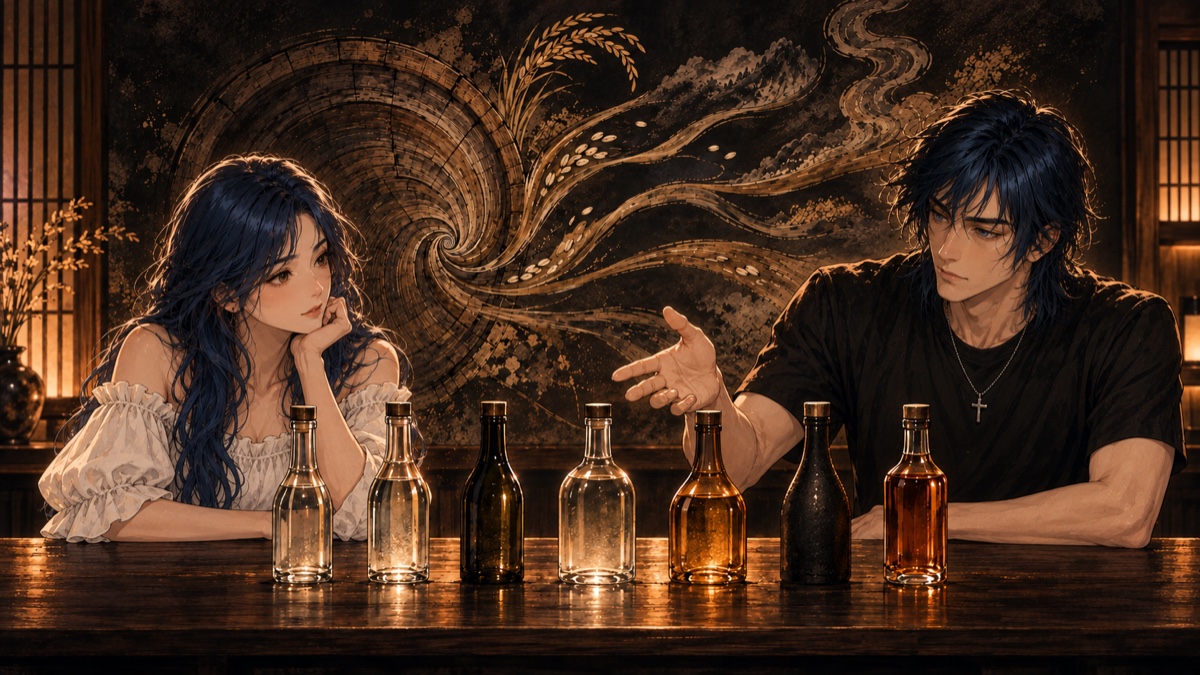
An amber spirit draws attention to its cask and age. Yet not all of its aroma began in wood. Sake lees left after pressing, a mash made from rice and koji, the distillation of a fermented liquid: even before entering a cask, each spirit already has its own aroma and flavor.
This article places five cask-focused expressions alongside two reference points for understanding sake lees, fermentation and distillation. The question is not which has aged longest, but how each spirit was made and what happened on its way to the bottle. We trace the character of each of the seven as a chain of connections from raw material to bottling.
English audio · Thai subtitles
Follow the relationships among the seven through sound
The English-language podcast moves between the seven expressions to explore their differences. The article organizes those relationships into three threads (the transformation of raw materials, time in maturation and the character retained at bottling) and examines them through the six perspectives below.
Six perspectives for reading character
Raw material
Does production begin with rice, or with the lees left after sake is pressed? Both come from rice, but they have followed different paths before distillation.
Fermentation and distillation
How do the aroma and flavor created by koji and yeast carry over into a distilled spirit? The mash and the distillation form one continuous process.
Cask
SHICHIKEN's whisky casks, Fubaika's oak casks and OKUKUMA's sherry casks. Consider the contact with wood together with the quality of the spirit before it enters the cask.
Time
Three years, at least three years, seven years, thirteen years. These measure elapsed time; changes in aroma and flavor differ from spirit to spirit.
Alcohol content
ROKUCHOSHI is bottled at 28%, SHICHIKEN at 37%, and the other five at 40%. Consider bottling strength separately from the aroma and flavor created in fermentation and distillation.
Label category
OKUKUMA and GOKUJYO TSUTSUMI are labeled liqueurs. Linking that category back to their ingredients and production reveals their continuity with the rice-based shochu spirit they begin from.
Sake lees: an endpoint that becomes another beginning
Seen as what remains after pressing, sake lees mark the end of sake production. Viewed as a raw material for distillation, however, sake lees hold alcohol and aroma that become the starting point of the next spirit. The material is the same; its role changes with the stage of production from which we view it.
SHICHIKEN Alain Ducasse Sustainable Spirit begins by taking sake lees as the raw material for the next spirit. Lees produced in sake making are distilled, and the resulting spirit is then matured for three years in Hakushu whisky casks. Behind the freshness of its ginjo aroma and the roundness of cask maturation lies the idea of putting the lees to work again as raw material for the next spirit.
HAKKAISAN's Yoroshiku Senman Arubeshi also shows the potential of sake lees in a different form. Fresh sake lees are distilled slowly under reduced pressure and stored for at least three years, giving a flavor reminiscent of sake and a rounded smoothness. What connects the two is more than the fact that a by-product was used: both reconnect aromas born in sake production to the character of a distilled spirit.
Within “rice-based,” distinct ways of making a spirit
Rice does not turn directly into alcohol. Koji is grain, such as rice, cultivated with koji mold. Its enzymes convert starch to sugars; yeast uses those sugars to produce alcohol and aroma compounds. Koji and yeast perform different roles, and the resulting fermented mash proceeds to distillation. Several transformations already sit inside the simple term “rice-based.”
The difference becomes concrete in HAKKAISAN's Yoroshiku Senman Arubeshi and Fubaika. The former starts with sake lees. The latter uses rice, rice koji and sake lees in a three-stage yellow-koji mash, with ingredients added in three stages. Both come from the same brewery, are bottled at 40%, and use reduced-pressure distillation, but their paths to the still differ. Fubaika's lees-derived ginjo aroma and the aroma of oak maturation connect the stages before and after distillation within a single spirit.
For SG SHOCHU Kome, white koji, low-temperature fermentation and reduced-pressure distillation are central. Apple, pineapple and lemon peel describe aromas in a rice-based spirit, not fruit ingredients. Including this bottle lets us consider fruit-like aroma through fermentation and distillation instead of tying it to the work of the cask alone.
Years of maturation are not a direct measure of change
During cask maturation, compounds pass from wood into spirit, changing aroma and color. Maturation also encompasses changes in the spirit's own aroma and flavor over time. Adding the aroma of wood and changing the aroma and flavor of the whole spirit overlap, but they are not the same thing.
ROKUCHOSHI Red 13 years old matures rice shochu distilled at atmospheric pressure in oak casks, while OKUKUMA stores honkaku rice shochu in sherry casks for seven years. Comparing thirteen years with seven shows the difference in years. But it is not a comparison of the same spirit midway through maturation and after completion. Both the spirits that went into the casks and the casks as labeled differ. A long time is one kind of value, but years alone do not determine depth of flavor.
Atmospheric distillation and reduced-pressure distillation, which is carried out at a lower temperature by lowering the pressure, are also differences that lie before the cask. ROKUCHOSHI moves from atmospheric distillation into oak casks; Fubaika moves from a three-stage yellow-koji mash and reduced-pressure distillation into oak casks. To understand maturation, we need to look not only at the length of time but at how the spirit that spent that time was made.
A single cask changes the unit for reading character
Combining mature spirits from several casks can bring different aromas and flavors into a coherent whole. Bottling from one cask retains the differences between individual casks. Blending and single-cask bottling locate character in different places: the assembled whole, or the particular cask.
GOKUJYO TSUTSUMI is bottled from one cask of long-matured shochu spirit. Differences in color, aroma and flavor between casks become part of understanding each bottling. “Single cask” refers to a bottling made only from the spirit of one cask.
Beyond amber: understanding the label category
OKUKUMA begins with honkaku rice shochu matured in sherry casks. Its cask-derived color exceeds the color standard for honkaku shochu, so dietary fiber is added and it is bottled as a liqueur. This production sequence connects the rice-shochu base with the category on the bottle.
GOKUJYO TSUTSUMI's liqueur designation is also connected to the color restrictions for honkaku shochu. Grouping the two solely as liqueurs can obscure the fact that they are built on cask-matured, rice-based shochu spirit. Category matters, but ingredients and maturation complete the picture.
The character of the seven
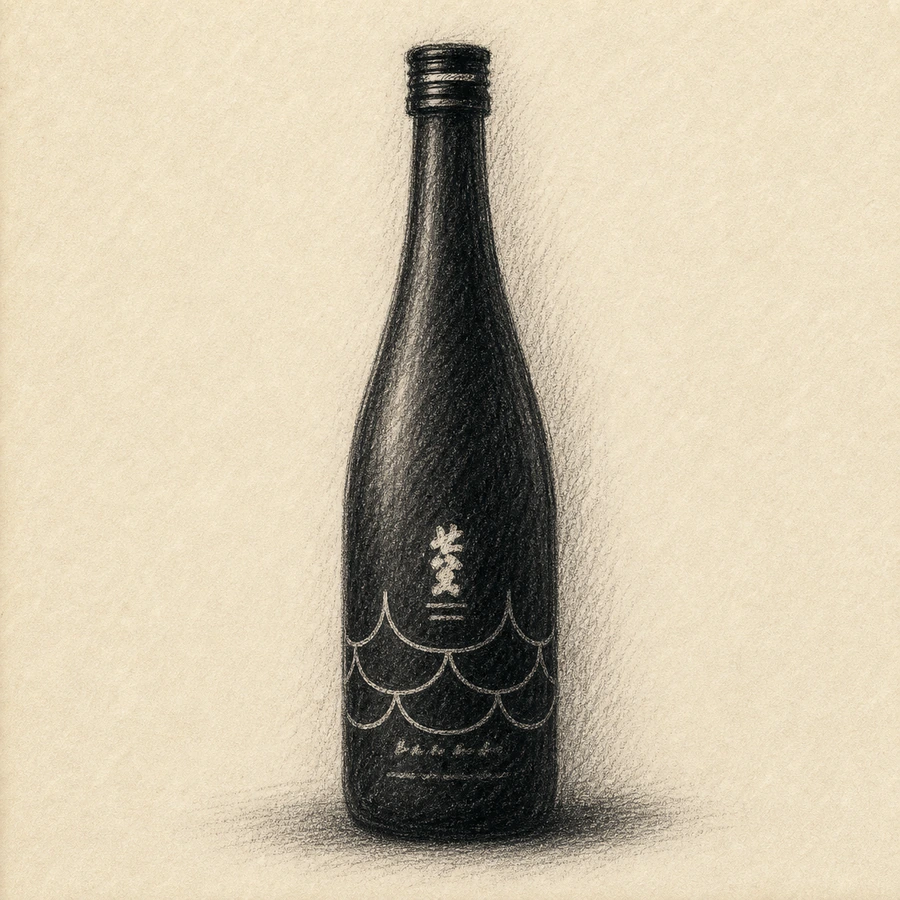
アラン・デュカス サステナブル・スピリッツ
SHICHIKEN Alain Ducasse Sustainable Spirit
A spirit that turns sake lees into its raw material and matures in Hakushu whisky casks. It combines the freshness of ginjo aroma with the roundness of cask maturation. The background of reusing lees is linked to how sake-derived aroma continues into a distilled spirit.
37% / 720ml
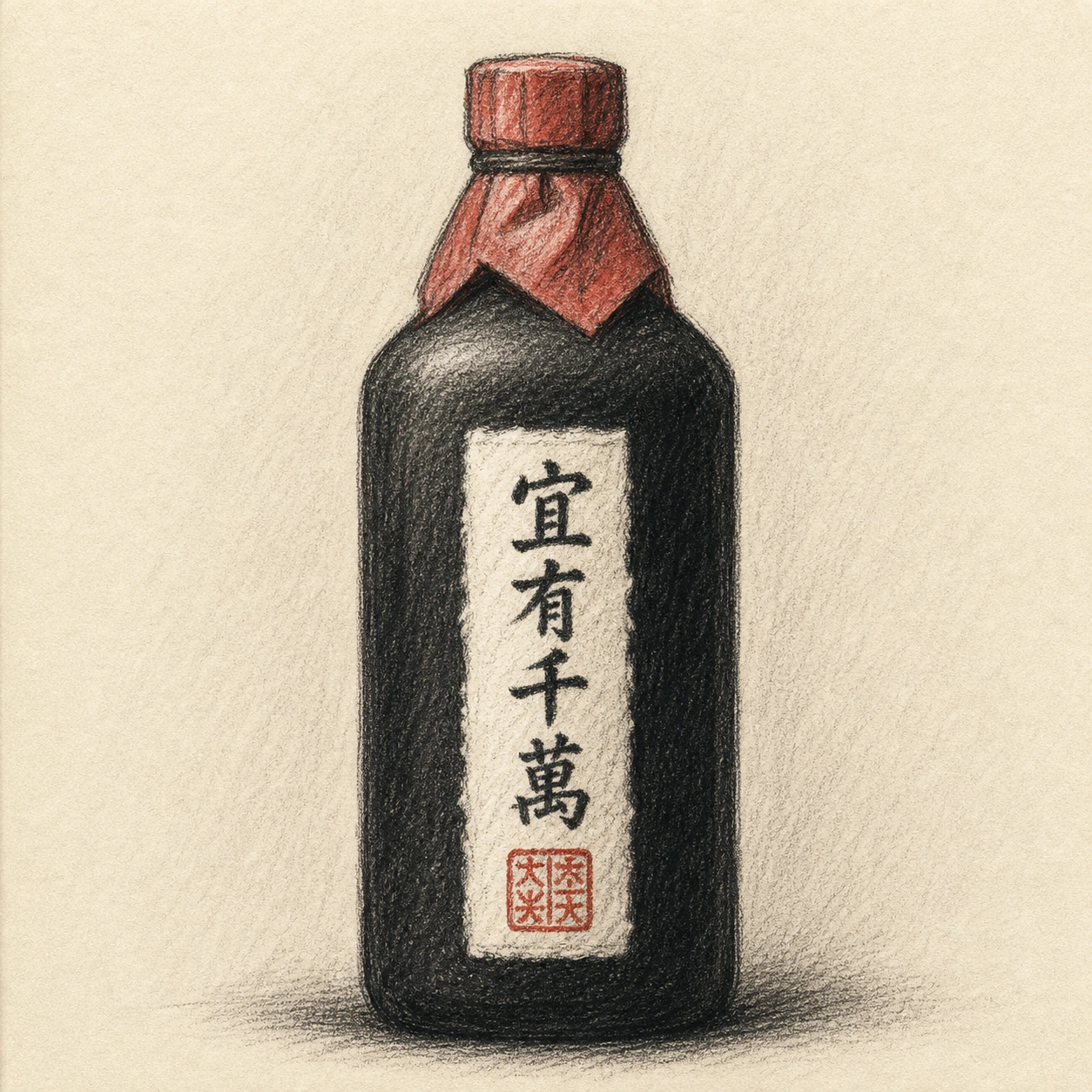
八海山本格粕取り焼酎 宜有千萬
HAKKAISAN Kasu-tori Shochu Yoroshiku Senman Arubeshi
A sake-like flavor and the roundness that comes from at least three years of storage are central. The slow reduced-pressure distillation of fresh sake lees offers a way to see lees not as a mere remainder but as an aromatic raw material. Its full, rounded aroma and flavor let one grasp the link between sake and distilled spirits.
40% / 720ml
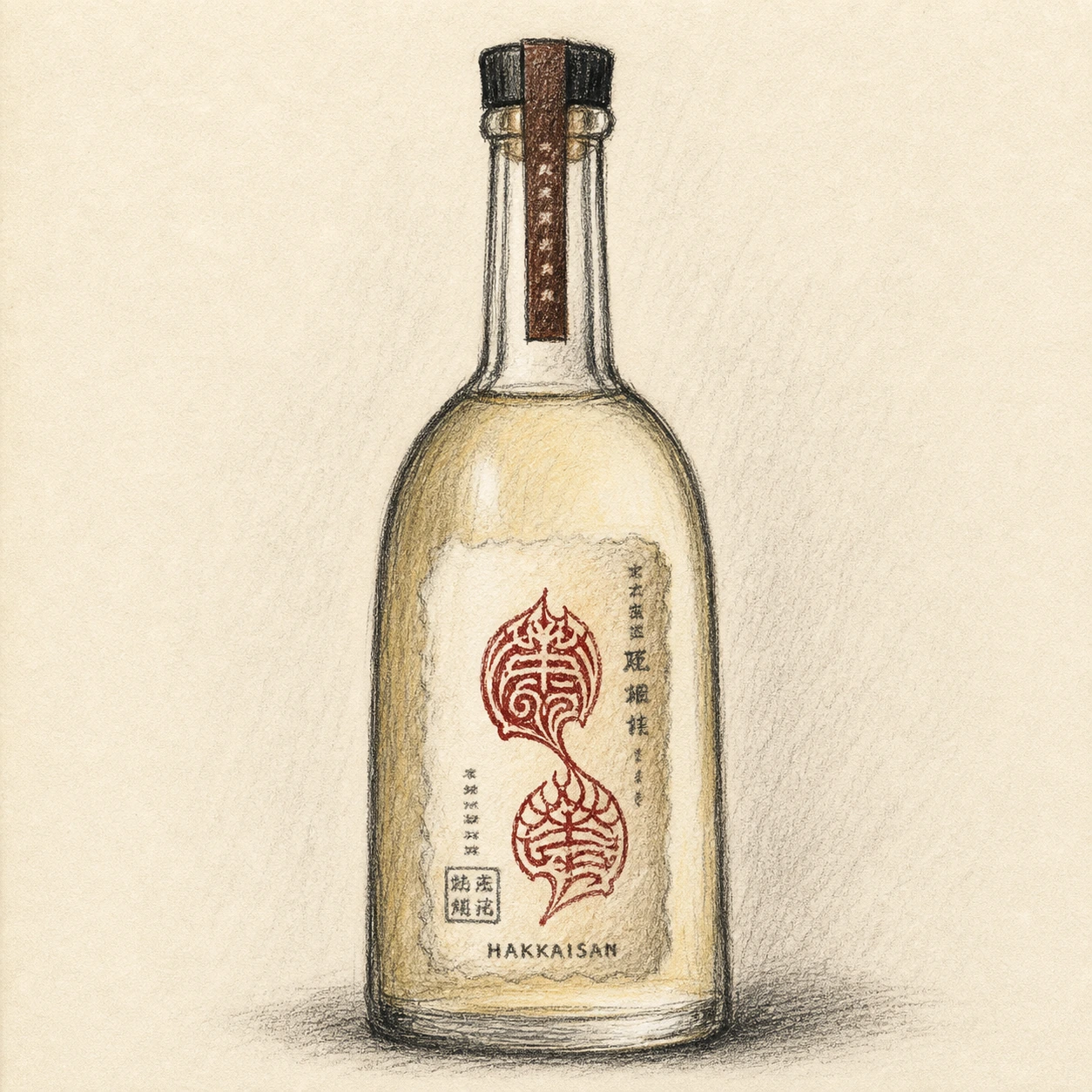
八海山本格米焼酎 オーク樽貯蔵 風媒花
HAKKAISAN Fubaika Rice Shochu aged in Oak Barrel
Lees-derived ginjo aroma coexists with the fragrant aroma of oak maturation. A three-stage yellow-koji mash of rice, rice koji and sake lees moves on to reduced-pressure distillation and cask storage; sake-brewing technique and maturation in wood form one continuous line. Its distinguishing feature lies not only in the aroma of the cask, but in its relationship with the aromas that come from fermentation.
40% / 720ml
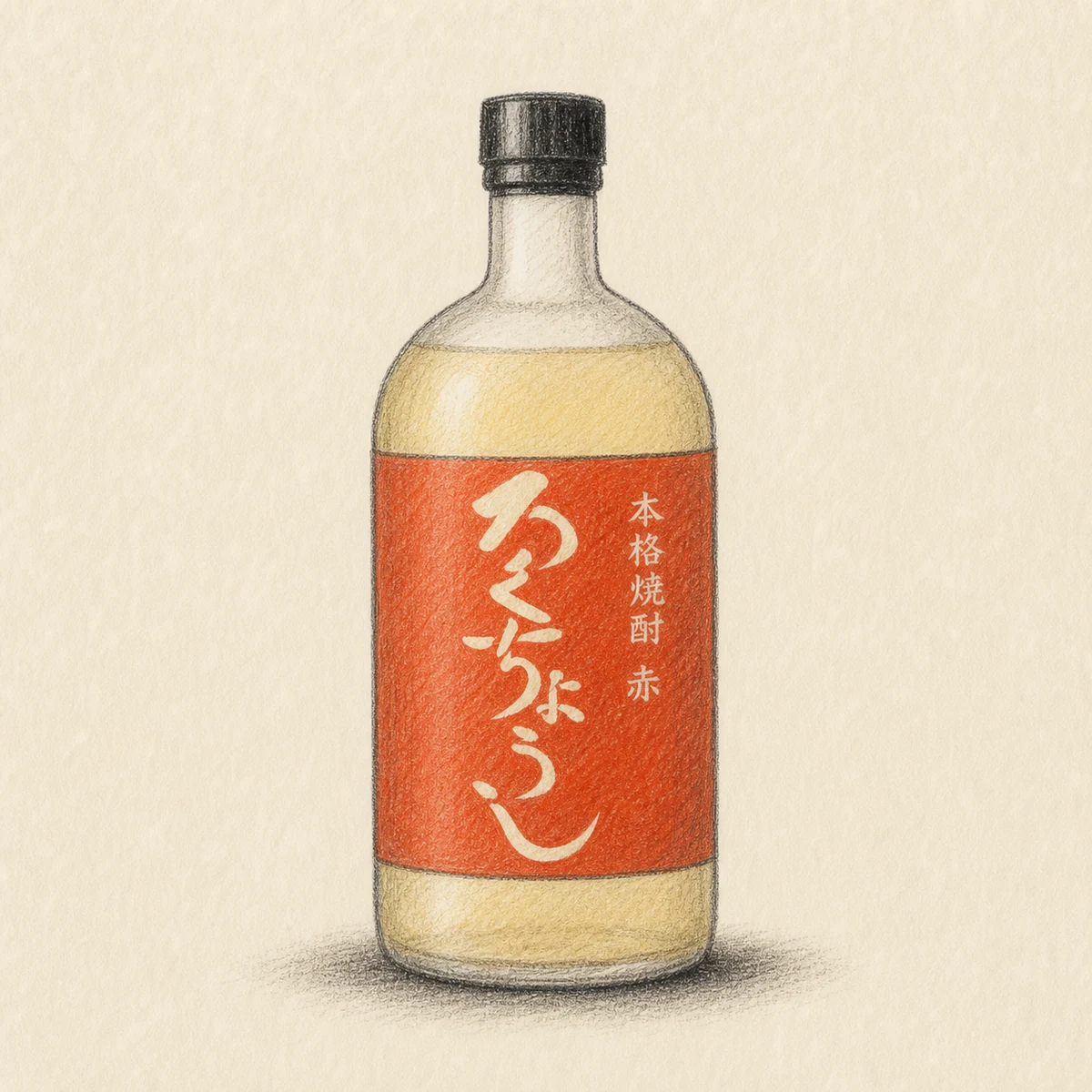
六調子 赤 13年
ROKUCHOSHI Red 13 years old Japanese Rice whisky Single distilled
Rice shochu distilled at atmospheric pressure is matured for thirteen years in oak casks, and has a warm, settled outline of aroma and flavor. The route from atmospheric distillation to long cask storage, together with the 28% strength at bottling, is this bottle's concrete profile. Behind the conspicuous feature of long maturation lies a combination of distillation method and cask storage.
28% / 720ml
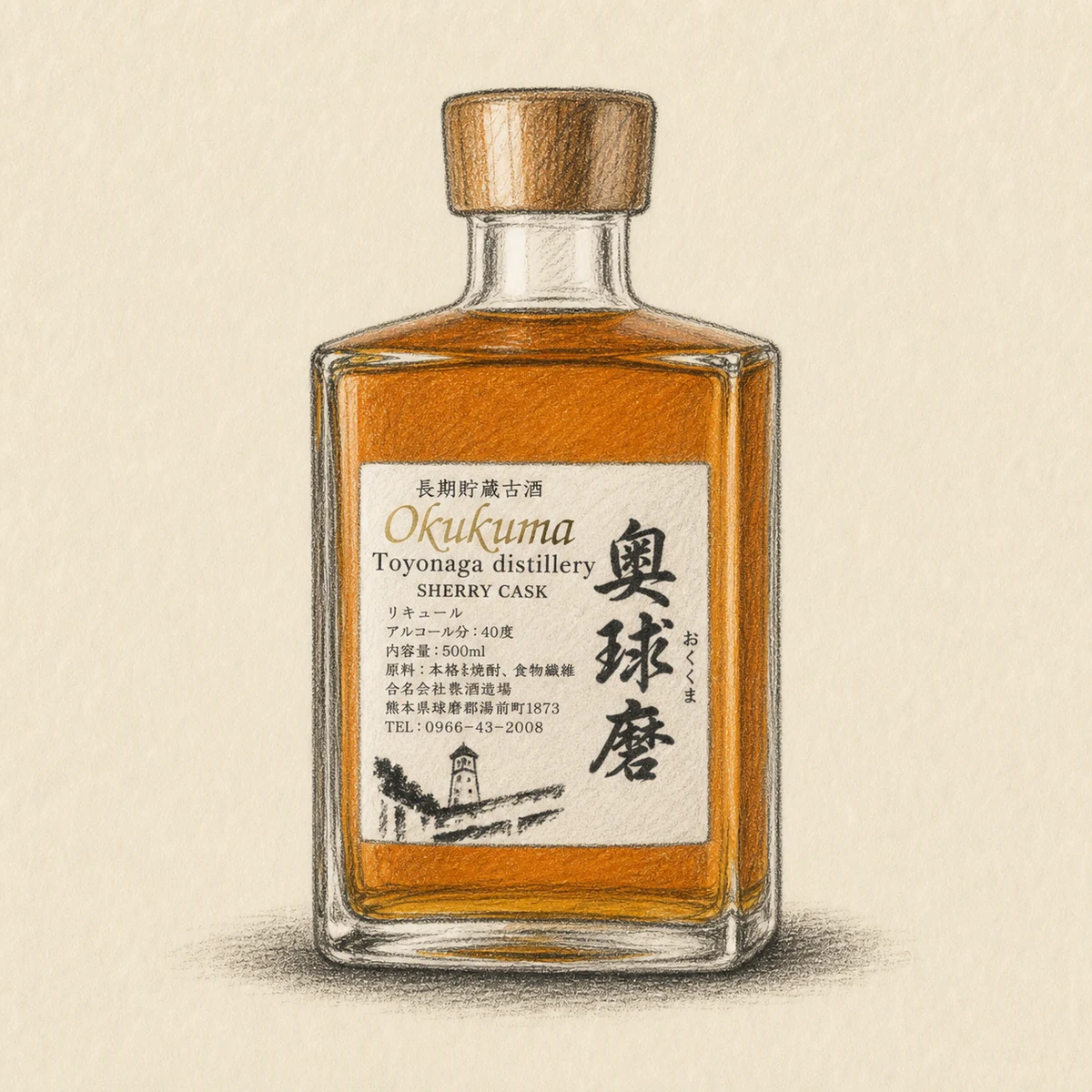
奥球磨 7年 シェリーカスク
OKUKUMA Sherry Cask Japanese
Rounded rice sweetness, rich cask aroma and a deep amber color characterize this expression. Traits that come from seven years of storage in sherry casks connect not only to its aroma and flavor but also to its designation as a liqueur. Tracing it from its honkaku rice shochu base to bottling reveals a character that the category name alone does not convey.
40% / 500ml
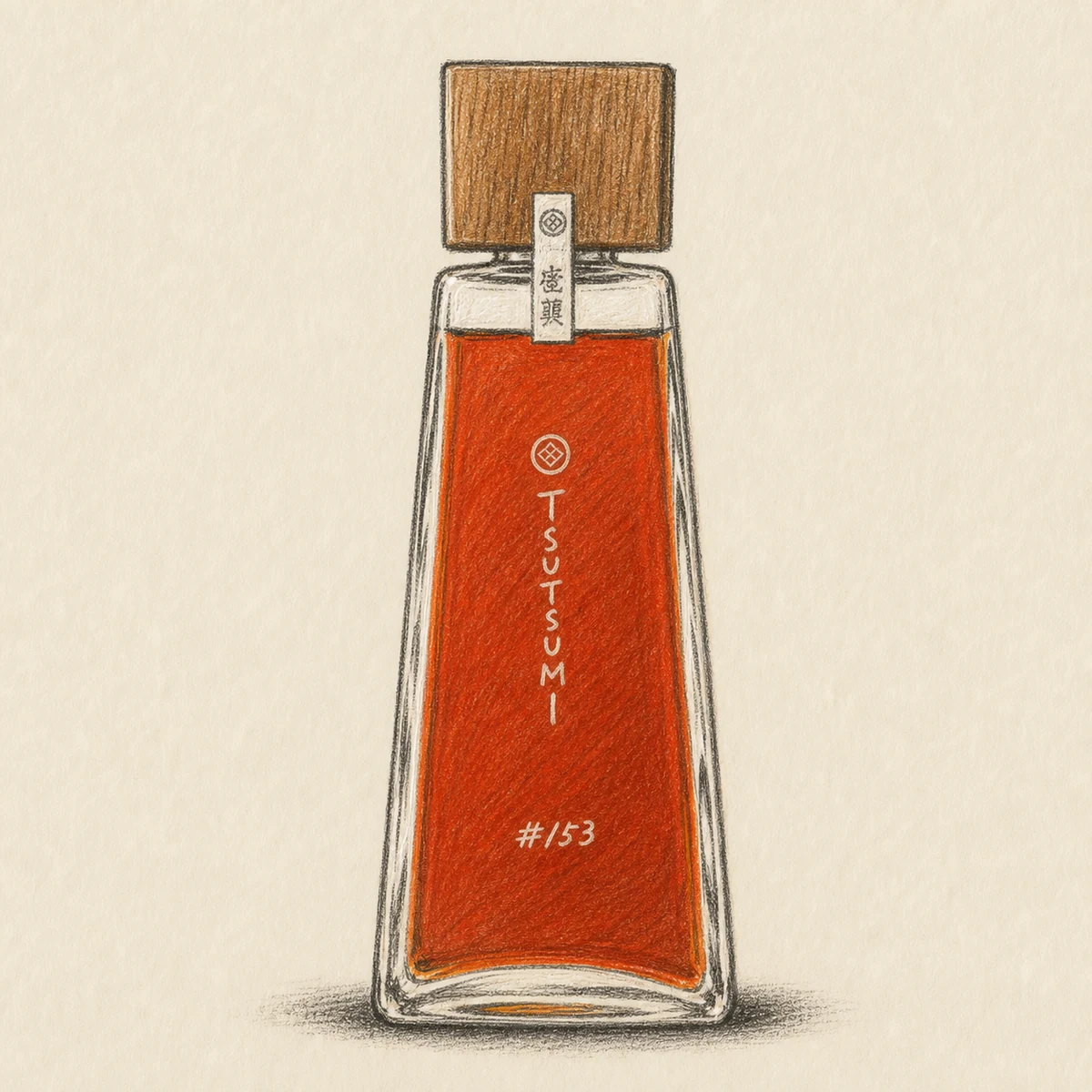
極上 堤
GOKUJYO TSUTSUMI
Its features are a rich aroma, a deep, full flavor and single-cask bottling that preserves differences between casks. Rather than assembling several casks into one flavor, it treats spirit matured in a single cask as the product. Within the shared theme of maturation, it directs attention to the individual cask.
40% / 720ml
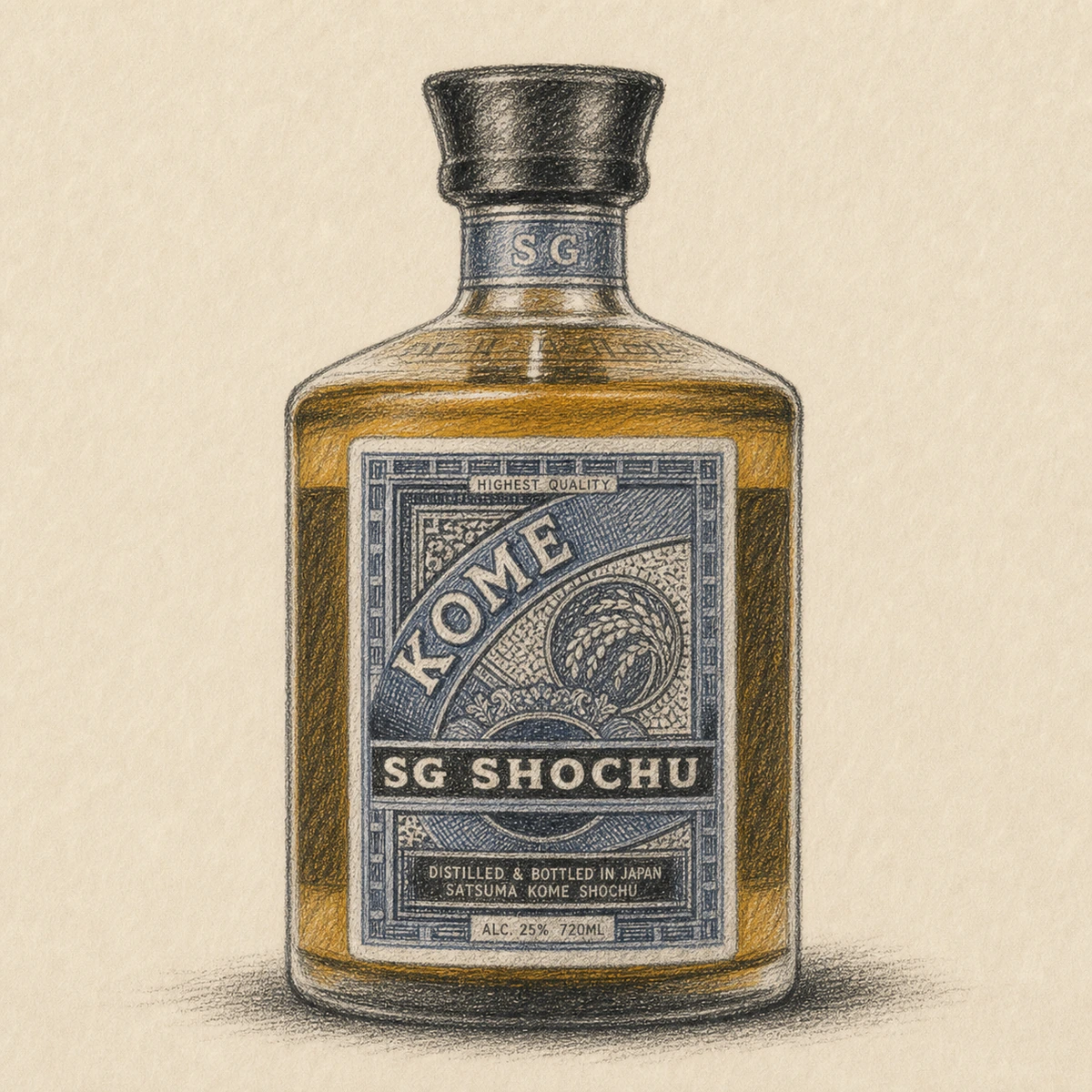
SG SHOCHU Kome
SG SHOCHU Kome
Aromas reminiscent of apple, pineapple and lemon peel accompany a light, smooth profile and crisp finish. Made from rice through white-koji fermentation at low temperature and reduced-pressure distillation, it plays the role, among the seven, of directing attention to the aroma and texture shaped by fermentation and distillation.
40% / 750ml
The product illustrations are original artworks based on images published by the producers. Label details have been simplified and the illustrations do not represent current packaging or bottle color.
Behind the counter: explain each feature together with its reason
Placing two bottles beside one question can be clearer than explaining all seven at once. Establish what they share, then describe where production diverges. Such comparisons aid understanding; they are not controlled experiments that isolate the effect of a single production step.
What character can emerge from sake lees?
For SHICHIKEN and Yoroshiku Senman Arubeshi, begin with what they share: both start from sake lees produced in sake making. Then move on to SHICHIKEN's fresh ginjo aroma and the roundness of whisky-cask maturation, and to Yoroshiku Senman Arubeshi's sake-like flavor and the fullness gained through storage. Within one lineage of raw material, different aromas and flavors can be shown.
Why do the descriptions differ for two 40% spirits from the same brewery?
Yoroshiku Senman Arubeshi and Fubaika share a brewery, bottling strength and reduced-pressure distillation. To explain the difference, return to what went into each spirit: sake lees for the former; a three-stage yellow-koji mash of rice, rice koji and sake lees, followed by oak maturation, for the latter. Matching numbers do not mean matching production paths.
What is the difference between thirteen years and seven?
Begin by answering that it is a difference in maturation period, then point to ROKUCHOSHI's oak casks and OKUKUMA's sherry casks. Do not treat the number of years as the end of the explanation; connect it to which spirit spent that time in which cask. Adding GOKUJYO TSUTSUMI lets you explain a different feature: not a contest over years, but preserving differences between casks.
Does “liqueur” mean a sweet spirit?
Separate the category from the description of aroma and flavor. For OKUKUMA, the bottling with added dietary fiber, and for GOKUJYO TSUTSUMI, the cask-derived color and the color restrictions, are related to the label. Rather than inferring sugar content or sweetness from the single word “liqueur,” explain the ingredients and production first, then move on to each spirit's aroma and flavor.
Look before and after the cask
Starting from sake lees, the link between sake brewing and distillation comes into view. Comparing two spirits from one brewery shows differences in raw materials and mash. Moving on to cask maturation, what matters is not only time but which spirit was matured in which cask. Following the process through to bottling, the single cask and the label category also connect to the explanation of character.
No single number contains the differences among these seven. Time spent in maturation or storage connects the production that came before it with the bottling that came after. Reading those connections turns a list of specifications into an understanding of each spirit.
Further reading and production sources
Perspectives
Production and product information
This article is intended solely to explore the distillation techniques and cultural heritage represented by these seven Japanese rice-based spirits, and does not aim to promote or encourage the consumption of alcohol. This content is intended for persons aged 20 and over. Please drink responsibly.
Seven bottles, six lines
ถอดรหัสโชจูบ่มถังไม้: แผนที่รสชาติผ่านสุรา 7 รายการ
จากวัตถุดิบและเวลาบ่ม สู่บุคลิกที่คงอยู่ในขวด
เมื่อเห็นสุราสีอำพัน สิ่งแรกที่ชวนให้นึกถึงมักเป็นชนิดของถังและจำนวนปีที่บ่ม แต่ไม่ใช่ว่ากลิ่นทั้งหมดจะมาจากไม้ กากสาเกที่เหลือหลังการคั้นสาเก น้ำหมักจากข้าวและโคจิ และการกลั่นสุราที่หมักเสร็จ ล้วนอยู่ก่อนเข้าถัง และสุราแต่ละชนิดก็มีกลิ่นรสที่แตกต่างกันอยู่แล้ว
บทความนี้นำสุราที่มีการบ่มถังเป็นแกนกลาง 5 รายการ มาพิจารณาร่วมกับอีก 2 รายการที่ช่วยให้เข้าใจลักษณะของกากสาเก การหมัก และการกลั่น คำถามจึงไม่ใช่ “รายการใดบ่มนานที่สุด” แต่เป็น “สุรานี้ถูกสร้างขึ้นอย่างไร และผ่านอะไรบ้างก่อนจะเป็นอย่างที่เห็น” เราจะติดตามบุคลิกของทั้งเจ็ดผ่านความเชื่อมโยงตั้งแต่วัตถุดิบจนถึงการบรรจุขวด
เสียงภาษาอังกฤษ · คำบรรยายภาษาไทย
ติดตามความสัมพันธ์ของทั้งเจ็ดผ่านเสียง
พอดแคสต์ภาษาไทยพาเราสลับไปมาระหว่างสุราทั้งเจ็ดเพื่อพิจารณาความแตกต่าง ส่วนบทความจะขยายความสัมพันธ์เหล่านั้นโดยแบ่งเป็นสามสาย ได้แก่ การเปลี่ยนแปลงของวัตถุดิบ เวลาในการบ่ม และบุคลิกที่คงไว้เมื่อบรรจุขวด แล้วพิจารณาผ่านหกมุมมองด้านล่าง
หกมุมมองสำหรับอ่านบุคลิก
วัตถุดิบ
เริ่มจากการหมักข้าว หรือจากกากที่เหลือหลังการคั้นสาเก แม้มีต้นทางจากข้าวเหมือนกัน แต่ขั้นตอนที่ผ่านมาก่อนการกลั่นต่างกัน
การหมักและการกลั่น
กลิ่นรสที่เกิดจากการทำงานของโคจิและยีสต์ถูกถ่ายทอดไปสู่สุรากลั่นอย่างไร การหมักและการกลั่นเป็นกระบวนการที่ต่อเนื่องกัน
ถัง
ถังวิสกี้ของ SHICHIKEN ถังโอ๊กของ Fubaika และถังเชอร์รีของ OKUKUMA ควรพิจารณาการสัมผัสกับไม้ควบคู่กับลักษณะของสุราก่อนเข้าถัง
เวลา
3 ปี อย่างน้อย 3 ปี 7 ปี และ 13 ปี เป็นระยะเวลาที่ผ่านไป ส่วนกลิ่นรสเปลี่ยนแปลงอย่างไรในช่วงนั้น แตกต่างกันไปในแต่ละสุรา
ปริมาณแอลกอฮอล์
ROKUCHOSHI อยู่ที่ 28% SHICHIKEN อยู่ที่ 37% และอีกห้ารายการอยู่ที่ 40% ความเข้มข้นขณะบรรจุขวดกับกลิ่นรสที่เกิดจากการหมักและการกลั่นเป็นคนละประเด็น
ประเภทบนฉลาก
OKUKUMA และ GOKUJYO TSUTSUMI ระบุประเภทเป็นลิเคียวร์ เมื่อเชื่อมประเภทกลับไปยังวัตถุดิบและวิธีผลิต จะเห็นความต่อเนื่องจากเก็นชู (สุราตั้งต้น) ของโชจูข้าวซึ่งเป็นจุดเริ่มต้น
กากสาเก: จุดสิ้นสุดของการทำสาเก และเป็นวัตถุดิบของสุราชนิดถัดไปด้วย
หากมองกากสาเกว่าเป็น “สิ่งที่เหลือหลังการคั้น” การทำสาเกก็จบลงตรงนั้น แต่เมื่อมองเป็นวัตถุดิบสำหรับการกลั่น แอลกอฮอล์และกลิ่นที่ยังอยู่ในกากจะกลายเป็นจุดเริ่มต้นของสุราอีกชนิด วัตถุดิบเดียวกันจึงมีบทบาทต่างกัน ขึ้นอยู่กับว่าเรามองจากขั้นตอนการผลิตใด
SHICHIKEN Alain Ducasse Sustainable Spirit เริ่มจากการนำกากสาเกมาเป็นวัตถุดิบของสุราชนิดถัดไป โดยกลั่นกากสาเกแล้วบ่มเป็นเวลา 3 ปีในถังวิสกี้ฮาคุชูว์ เบื้องหลังกลิ่นกินโจที่สดชื่นและความนุ่มกลมจากการบ่มถัง คือแนวคิดที่นำกากสาเกกลับมาใช้เป็นวัตถุดิบอีกครั้ง
Yoroshiku Senman Arubeshi ของ HAKKAISAN แสดงความเป็นไปได้ของกากสาเกในอีกรูปแบบหนึ่ง กากสาเกสดผ่านการกลั่นอย่างช้า ๆ ด้วยวิธีลดความดัน แล้วเก็บพักอย่างน้อย 3 ปี จนมีความนุ่มกลมควบคู่กับกลิ่นรสที่ชวนให้นึกถึงสาเก สิ่งที่เชื่อมสองรายการนี้ไม่ใช่เพียงการใช้ผลพลอยได้จากการผลิต แต่คือการนำกลิ่นที่เกิดจากการทำสาเกมาเป็นส่วนหนึ่งของบุคลิกสุรากลั่น
ภายในคำว่า “สุราจากข้าว” มีวิธีผลิตที่ต่างกัน
ข้าวไม่ได้เปลี่ยนเป็นแอลกอฮอล์โดยตรง โคจิคือธัญพืช เช่น ข้าว ที่เพาะเชื้อราโคจิไว้ เอนไซม์จากโคจิเปลี่ยนแป้งให้เป็นน้ำตาล จากนั้นยีสต์ใช้น้ำตาลเพื่อสร้างแอลกอฮอล์และสารให้กลิ่น โคจิกับยีสต์ทำหน้าที่ต่างกัน และน้ำหมักที่ผ่านกระบวนการนี้ก็เข้าสู่การกลั่น ภายในคำสั้น ๆ ว่า “จากข้าว” มีการเปลี่ยนแปลงหลายขั้นตอนอยู่แล้ว
เมื่อวาง Yoroshiku Senman Arubeshi กับ Fubaika ของ HAKKAISAN ไว้ข้างกัน ความแตกต่างนี้จะชัดขึ้น รายการแรกเริ่มจากกากสาเก ส่วน Fubaika ใช้ข้าว โคจิข้าว และกากสาเก โดยหมักแบบเติมวัตถุดิบสามขั้นด้วยโคจิเหลือง การหมักสามขั้นคือการแบ่งใส่วัตถุดิบเป็นสามครั้ง แม้ทั้งสองรายการมาจากผู้ผลิตรายเดียวกัน มีแอลกอฮอล์ 40% และกลั่นแบบลดความดันเหมือนกัน แต่เส้นทางก่อนเข้าสู่เครื่องกลั่นต่างกัน กลิ่นกินโจจากกากสาเกและกลิ่นจากการบ่มโอ๊กของ Fubaika เชื่อมกระบวนการก่อนและหลังการกลั่นไว้ในสุราเดียว
สำหรับ SG SHOCHU Kome จุดสำคัญอยู่ที่โคจิขาว การหมักอุณหภูมิต่ำ และการกลั่นแบบลดความดัน แอปเปิล สับปะรด และเปลือกเลมอนเป็นคำบรรยายกลิ่นของสุราจากข้าว ไม่ได้หมายถึงการใช้ผลไม้เหล่านั้นเป็นวัตถุดิบ การรวมรายการนี้ไว้ช่วยให้เรากลับมาพิจารณากลิ่นคล้ายผลไม้ผ่านการหมักและการกลั่น แทนที่จะเชื่อมโยงกับบทบาทของไม้เพียงอย่างเดียว
จำนวนปีบอกเวลา ไม่ได้บอกขนาดของการเปลี่ยนแปลงโดยตรง
ระหว่างบ่มถัง สารจากไม้เคลื่อนเข้าสู่สุรา ทำให้กลิ่นและสีเปลี่ยนไป ขณะเดียวกัน การบ่มยังเป็นช่วงที่กลิ่นรสของสุราเปลี่ยนแปลงตามเวลา การเพิ่มกลิ่นไม้กับการเปลี่ยนแปลงของกลิ่นรสโดยรวมทับซ้อนกันบางส่วน แต่ไม่ใช่สิ่งเดียวกัน
ROKUCHOSHI Red 13 years old นำโชจูข้าวที่กลั่นแบบความดันปกติไปบ่มในถังโอ๊ก ส่วน OKUKUMA นำฮงกะคุโชจูข้าวไปเก็บในถังเชอร์รีเป็นเวลา 7 ปี เมื่อเทียบ 13 ปีกับ 7 ปีก็เห็นความต่างของระยะเวลา แต่ไม่ใช่การเทียบสุราเดียวกันในช่วงก่อนและหลังบ่มเสร็จ ทั้งสุราที่เข้าถังและถังที่ระบุไว้ก็ต่างกัน เวลาที่ยาวนานเป็นคุณค่าอย่างหนึ่ง แต่จำนวนปีเพียงอย่างเดียวไม่ได้กำหนดความลึกของรส
การกลั่นแบบความดันปกติกับการกลั่นแบบลดความดันซึ่งทำงานที่อุณหภูมิต่ำกว่าก็เป็นความต่างที่เกิดขึ้นก่อนเข้าถัง ROKUCHOSHI เดินทางจากการกลั่นแบบความดันปกติสู่ถังโอ๊ก ส่วน Fubaika เดินทางจากการหมักสามขั้นด้วยโคจิเหลือง ผ่านการกลั่นแบบลดความดัน แล้วจึงเข้าสู่ถังโอ๊ก การเข้าใจการบ่มต้องมองไม่เพียงความยาวของเวลา แต่รวมถึงที่มาและวิธีผลิตของสุราที่ผ่านเวลานั้นด้วย
ถังเดียวเปลี่ยนหน่วยที่เราใช้มองบุคลิก
การผสมสุราบ่มจากหลายถังสามารถนำกลิ่นรสที่ต่างกันมาจัดให้เป็นภาพรวมที่สอดคล้องกัน ส่วนการบรรจุจากถังเดียวจะคงความแตกต่างของแต่ละถังไว้ในผลิตภัณฑ์ การเบลนด์กับการบรรจุแบบถังเดียวจึงมองบุคลิกต่างกัน ระหว่าง “ภาพรวมที่ประกอบขึ้น” กับ “ถังใดถังหนึ่ง”
GOKUJYO TSUTSUMI นำเก็นชู (สุราตั้งต้น) ของโชจูที่บ่มมานานจากถังเดียวมาบรรจุขวด ความต่างด้านสี กลิ่น และรสระหว่างถังจึงเป็นส่วนหนึ่งของการเข้าใจผลิตภัณฑ์นี้ คำว่า “ถังเดียว” หมายถึงสุราที่บรรจุขวดจากเก็นชูของถังเพียงใบเดียวเท่านั้น
ถัดจากสีอำพัน คือความแตกต่างของประเภทบนฉลาก
OKUKUMA เริ่มจากฮงกะคุโชจูข้าวที่บ่มในถังเชอร์รี สีที่เกิดจากการเก็บในถังเกินเกณฑ์สีสำหรับฮงกะคุโชจู จึงมีการเติมใยอาหารและบรรจุเป็นลิเคียวร์ ขั้นตอนนี้เป็นความเชื่อมโยงระหว่างโชจูข้าวที่เป็นวัตถุดิบกับคำว่า “ลิเคียวร์” บนขวด
การระบุ GOKUJYO TSUTSUMI เป็นลิเคียวร์ก็เกี่ยวข้องกับข้อจำกัดด้านสีของฮงกะคุโชจูเช่นกัน หากรวมสองรายการนี้ไว้ด้วยคำว่าลิเคียวร์เพียงอย่างเดียว อาจมองไม่เห็นว่าทั้งสองมีเก็นชู (สุราตั้งต้น) ของโชจูข้าวที่ผ่านการบ่มถังเป็นพื้นฐาน ประเภทบนฉลากเป็นข้อมูลสำคัญ แต่ต้องอ่านร่วมกับวัตถุดิบและการบ่ม จึงจะเข้าใจสุราได้รอบด้านขึ้น
บุคลิกของทั้งเจ็ดรายการ
アラン・デュカス サステナブル・スピリッツ
SHICHIKEN Alain Ducasse Sustainable Spirit
สุราที่นำกากสาเกไปเป็นวัตถุดิบของกระบวนการใหม่ แล้วบ่มในถังวิสกี้ฮาคุชูว์ มีกลิ่นกินโจที่สดชื่นควบคู่กับความนุ่มกลมจากการบ่มถัง เรื่องการใช้กากสาเกอีกครั้งเชื่อมกับกลิ่นจากสาเกที่ยังคงสืบเนื่องอยู่ในสุรากลั่น
37% / 720ml
八海山本格粕取り焼酎 宜有千萬
HAKKAISAN Kasu-tori Shochu Yoroshiku Senman Arubeshi
มีกลิ่นรสแบบสาเกและความนุ่มกลมจากการเก็บพักอย่างน้อย 3 ปีเป็นแกนกลาง การกลั่นกากสาเกสดอย่างช้า ๆ แบบลดความดันเป็นแนวทางให้มองกากสาเกเป็นวัตถุดิบที่มีกลิ่น ไม่ใช่เพียงของเหลือ กลิ่นรสที่อวบอิ่มของรายการนี้จึงช่วยให้เข้าใจความเชื่อมโยงระหว่างสาเกกับสุรากลั่น
40% / 720ml
八海山本格米焼酎 オーク樽貯蔵 風媒花
HAKKAISAN Fubaika Rice Shochu aged in Oak Barrel
กลิ่นกินโจจากกากสาเกอยู่ร่วมกับกลิ่นหอมจากการบ่มในถังโอ๊ก กระบวนการเริ่มจากการหมักสามขั้นด้วยโคจิเหลือง โดยใช้ข้าว โคจิข้าว และกากสาเก ตามด้วยการกลั่นแบบลดความดันและการเก็บในถัง เทคนิคการทำสาเกต่อเนื่องไปสู่การบ่มในไม้ บุคลิกไม่ได้อยู่ที่กลิ่นถังเพียงอย่างเดียว แต่อยู่ที่ความสัมพันธ์กับกลิ่นจากการหมักด้วย
40% / 720ml
六調子 赤 13年
ROKUCHOSHI Red 13 years old Japanese Rice whisky Single distilled
โชจูข้าวที่กลั่นแบบความดันปกติและบ่มในถังโอ๊ก 13 ปี มีกลิ่นรสในโทนอบอุ่นและนิ่งสงบ เส้นทางจากการกลั่นสู่การเก็บในถังเป็นเวลานาน พร้อมระดับแอลกอฮอล์ 28% เมื่อบรรจุขวด ทำให้เห็นลักษณะที่เป็นรูปธรรม เบื้องหลังตัวเลขอายุที่สะดุดตาคือการผสมผสานระหว่างวิธีการกลั่นกับการบ่มถัง
28% / 720ml
奥球磨 7年 シェリーカスク
OKUKUMA Sherry Cask Japanese
มีความหวานนุ่มของข้าว กลิ่นถังที่หอมกรุ่นเต็มอิ่ม และสีอำพันเข้ม การเก็บในถังเชอร์รี 7 ปีเชื่อมโยงทั้งกับกลิ่นรสและการระบุประเภทเป็นลิเคียวร์ เมื่อติดตามจากฮงกะคุโชจูข้าวที่เป็นวัตถุดิบจนถึงการบรรจุขวด จะเห็นบุคลิกที่ชื่อประเภทเพียงคำเดียวอธิบายไม่หมด
40% / 500ml
極上 堤
GOKUJYO TSUTSUMI
นอกจากกลิ่นที่หอมกรุ่นเต็มอิ่มและรสที่ลึกและหนักแน่นแล้ว การบรรจุแบบถังเดียวยังคงความต่างของแต่ละถังไว้ แทนที่จะนำหลายถังมาประกอบเป็นรสเดียว รายการนี้มองสุราที่บ่มมาในถังใบเดียวเป็นผลิตภัณฑ์ แม้ในกลุ่มที่มีจุดร่วมคือการบ่ม รายการนี้ก็พาเราหันไปมองถังแต่ละใบ
40% / 720ml
SG SHOCHU Kome
SG SHOCHU Kome
มีกลิ่นชวนให้นึกถึงแอปเปิล สับปะรด และเปลือกเลมอน ควบคู่กับเนื้อสัมผัสเบาและนุ่มลื่น พร้อมรสปลายที่จบสะอาด เป็นสุราจากข้าวที่ใช้โคจิขาว หมักที่อุณหภูมิต่ำ และกลั่นแบบลดความดัน ในกลุ่มทั้งเจ็ด รายการนี้พาให้มองกลิ่นและสัมผัสที่เกิดจากการหมักและการกลั่น
40% / 750ml
ภาพประกอบผลิตภัณฑ์เป็นผลงานต้นฉบับที่อ้างอิงจากภาพซึ่งผู้ผลิตเผยแพร่ รายละเอียดบนฉลากถูกลดทอน และภาพประกอบไม่ได้แสดงบรรจุภัณฑ์หรือสีขวดในปัจจุบัน
สำหรับผู้ที่ยืนหลังเคาน์เตอร์: อธิบายทั้งลักษณะและเหตุผลเบื้องหลัง
การวางสองรายการไว้กับหนึ่งคำถามช่วยให้เข้าใจได้มากกว่าการอธิบายทั้งเจ็ดพร้อมกัน เริ่มจากสิ่งที่มีร่วมกัน แล้วค่อยอธิบายขั้นตอนที่แยกออกจากกัน อย่างไรก็ตาม การเปรียบเทียบนี้มีไว้ช่วยความเข้าใจ ไม่ใช่การทดลองควบคุมที่ชี้ว่าความต่างทั้งหมดมาจากขั้นตอนใดขั้นตอนหนึ่ง
กากสาเกสร้างบุคลิกแบบใดได้บ้าง
สำหรับ SHICHIKEN และ Yoroshiku Senman Arubeshi เริ่มด้วยจุดร่วมว่า “ทั้งคู่มาจากกากที่เกิดในการทำสาเก” แล้วอธิบายกลิ่นกินโจที่สดชื่นและความนุ่มกลมจากถังวิสกี้ของ SHICHIKEN เทียบกับกลิ่นรสแบบสาเกและความอวบอิ่มหลังการเก็บพักของ Yoroshiku Senman Arubeshi ก็สื่อให้เห็นได้ว่าวัตถุดิบในตระกูลเดียวกันมีกลิ่นรสที่ต่างกันได้
เหตุใดสุรา 40% จากผู้ผลิตรายเดียวกันจึงมีคำอธิบายต่างกัน
Yoroshiku Senman Arubeshi และ Fubaika มีผู้ผลิตเดียวกัน ระดับแอลกอฮอล์ และการกลั่นแบบลดความดันเป็นจุดร่วม เมื่อต้องอธิบายความต่าง ให้ย้อนกลับไปดูสิ่งที่ใช้เป็นวัตถุดิบก่อนกลั่น รายการแรกใช้กากสาเก ส่วน Fubaika ใช้ข้าว โคจิข้าว และกากสาเก โดยหมักสามขั้นด้วยโคจิเหลือง ก่อนเดินทางต่อไปสู่ถังโอ๊ก แม้ตัวเลขจะเท่ากัน แต่เส้นทางการผลิตไม่เหมือนกัน
13 ปีกับ 7 ปีต่างกันในเรื่องใด
ตอบเรื่องระยะเวลาบ่มก่อน แล้วจึงอธิบายถังโอ๊กของ ROKUCHOSHI กับถังเชอร์รีของ OKUKUMA จำนวนปีไม่ควรเป็นจุดจบของคำอธิบาย แต่ควรพาไปสู่คำถามว่าสุราชนิดใดอยู่ในถังชนิดใด หากเพิ่ม GOKUJYO TSUTSUMI เข้ามา จะได้อีกประเด็นคือ “การคงความต่างของถังเดียว” แทนการแข่งขันด้วยอายุ
คำว่าลิเคียวร์หมายถึงสุราหวานหรือไม่
แยกประเภทออกจากคำอธิบายกลิ่นรส ในกรณี OKUKUMA การบรรจุขวดที่มีการเติมใยอาหาร และในกรณี GOKUJYO TSUTSUMI สีที่ได้จากถังและข้อจำกัดด้านสี ล้วนเกี่ยวข้องกับประเภทบนฉลาก แทนที่จะตัดสินปริมาณน้ำตาลหรือความหวานจากคำว่าลิเคียวร์เพียงคำเดียว ให้อธิบายวัตถุดิบและวิธีผลิตก่อน แล้วจึงไปสู่กลิ่นรสของแต่ละรายการ
เมื่อมองถัง ให้มองทั้งก่อนและหลังถังด้วย
การเริ่มจากกากสาเกทำให้เห็นความเชื่อมโยงระหว่างการทำสาเกกับการกลั่น การเทียบสองรายการจากผู้ผลิตรายเดียวกันทำให้เห็นวัตถุดิบและวิธีหมักที่ต่างกัน เมื่อเข้าสู่การบ่ม สิ่งสำคัญไม่ได้มีเพียงเวลา แต่รวมถึงว่าสุราชนิดใดถูกบ่มในถังชนิดใด และเมื่อมองต่อไปถึงการบรรจุขวด ทั้งถังเดียวและประเภทบนฉลากก็กลายเป็นส่วนหนึ่งของคำอธิบายบุคลิก
ความต่างของทั้งเจ็ดไม่อาจรวมอยู่ในตัวเลขเดียว เวลาที่ผ่านไปในการบ่มหรือการเก็บพักเชื่อมวิธีผลิตก่อนหน้ากับการบรรจุขวดที่ตามมา การอ่านความเชื่อมโยงนี้ช่วยเปลี่ยนข้อมูลจำเพาะที่เรียงต่อกัน ให้เป็นความเข้าใจสุราแต่ละรายการในภาพรวม
หนังสือและข้อมูลการผลิตที่ใช้อ้างอิง
มุมมองที่ใช้ประกอบการเขียน
วิธีผลิตและข้อมูลผลิตภัณฑ์
บทความนี้จัดทำขึ้นเพื่อนำเสนอข้อมูลเกี่ยวกับเทคนิคการกลั่นและมรดกทางวัฒนธรรมที่สะท้อนผ่านสุราจากข้าวญี่ปุ่นทั้งเจ็ดรายการเท่านั้น มิได้มีเจตนาเพื่อส่งเสริมหรือโฆษณาเครื่องดื่มแอลกอฮอล์ สำหรับผู้มีอายุ 20 ปีขึ้นไป โปรดดื่มอย่างรับผิดชอบ
Seven bottles, six lines
樽熟成焼酎を読み解く:7本でたどる味わいの地図
原料の変化、熟成の時間、瓶に残る個性をたどる
琥珀色の酒を見ると、まず樽の種類や熟成年数が気になる。けれども、その香りのすべてが木から生まれたわけではない。日本酒を搾った後の酒粕、米と麹から仕込むもろみ、発酵を終えた酒を蒸留する工程。樽に入る前から、それぞれの酒には異なる香味がある。
この記事では、樽熟成を中心とする五本に、酒粕と発酵・蒸留の特徴を考える二本を加える。問いは「どれが最も長く熟成しているか」ではなく、「どのように造られた酒が、何を経て今の姿になったか」。七本の個性を、原料から瓶詰めまでのつながりとしてたどっていく。
英語音声・タイ語字幕
音声でたどる、七本の関係
日本語ポッドキャストでは、七本を行き来しながら違いを考える。本文ではその関係を、原料の変化、熟成の時間、瓶に残す個性という三つの流れに分け、次の六つの視点で掘り下げる。
個性を読み解く六つの視点
原料
米から仕込むのか、日本酒を搾った後の酒粕から始めるのか。同じ米由来でも、蒸留までに経た工程が違う。
発酵・蒸留
麹と酵母の働きで生まれた香味を、どのように蒸留酒へ移すか。仕込みと蒸留は一続きの工程になる。
樽
七賢のウイスキー樽、風媒花のオーク樽、奥球磨のシェリー樽。木との接点を、樽に入る前の酒質と合わせて捉える。
時間
3年、3年以上、7年、13年。年数が表すのは経過した時間であり、その間に起きた香味の変化は酒ごとに異なる。
度数
六調子の28%、七賢の37%、ほかの五本の40%。瓶詰め時の濃度と、発酵・蒸留で生まれた香味を分けて考える。
表示品目
奥球磨と極上 堤はリキュール。表示を原料と製法へ結び直すと、米由来の焼酎原酒から続く酒としての連続性が見えてくる。
酒粕は、日本酒造りの終点であり、次の原料でもある
酒粕を「搾った後に残るもの」と捉えると、日本酒造りはそこで終わる。一方、蒸留の原料として見ると、酒粕に残るアルコールや香りは次の酒の出発点になる。同じ素材でも、どの工程から見るかによって役割が変わる。
七賢のアラン・デュカス サステナブル・スピリッツは、酒粕を次の原料にするところから始まる。日本酒造りから生まれた酒粕を蒸留し、さらに白州のウイスキー樽で3年熟成する。吟醸香の爽やかさに樽熟成のまろやかさが重なる背景には、酒粕を次の酒の原料として循環させる考え方がある。
八海山の宜有千萬も、酒粕の可能性を別の形で示す。新鮮な清酒粕をゆっくり減圧蒸留し、3年以上の貯蔵を経て、日本酒を思わせる風味とまろやかさを備える。二本を結ぶのは「副産物を使った」という事実だけではない。日本酒造りで生まれた香りを、蒸留酒の個性へつなぎ直している点に共通性がある。
「米の酒」という共通点の内側に、造りの違いがある
米は、そのままアルコールになるわけではない。米などに麹菌を育てた麹の酵素がでんぷんを糖へ変え、酵母がその糖からアルコールや香りの成分を生む。麹と酵母は別の役割を担い、その働きを経たもろみが蒸留へ進む。「米由来」という言葉の内側には、すでに複数の変化が含まれている。
八海山の宜有千萬と風媒花を並べると、この違いが具体的になる。宜有千萬は清酒粕を原料とし、風媒花は米、米こうじ、清酒粕を用いて黄麹三段仕込で造る。三段仕込とは、原料を三回に分けて仕込む方法である。同じ蔵の40%の酒で、どちらも減圧蒸留を用いるが、蒸留器へ入るまでの造りが違う。風媒花の酒粕由来の吟醸香とオーク樽熟成の香りは、その前後の工程を一つの酒の中につないでいる。
SG SHOCHU Komeでは、白麹を用いた低温発酵と減圧蒸留が中心になる。リンゴ、パイナップル、レモンピールを思わせる香りは、果物を原料にしたという意味ではなく、米由来の酒が持つ香りの表現だ。この一本を含めると、果実を思わせる香りを樽だけの働きに結びつけず、発酵と蒸留から考えられる。
熟成年数は、変化の大きさをそのまま表す数字ではない
樽熟成では、木から酒へ成分が移り、香りや色が変わる。同時に、熟成は酒の香味が時間とともに変化する過程でもある。木の香りを足すことと、酒全体の香味が変わることは、重なりながらも同じではない。
六調子 赤 13年は常圧蒸留の米焼酎を樫樽で熟成し、奥球磨は本格米焼酎をシェリー樽で7年貯蔵する。13年と7年を比べれば年数の差は分かる。しかし、それは同じ酒の熟成途中と完成後を比べることではない。樽に入った酒も、表記された樽も異なる二本である。長い時間は価値の一つだが、年数だけで味の深さは決まらない。
常圧蒸留と、圧力を下げて低い温度で行う減圧蒸留も、樽の前にある違いだ。六調子では常圧蒸留から樫樽へ、風媒花では黄麹三段仕込と減圧蒸留からオーク樽へと続く。熟成を理解するには時計の長さだけでなく、その時間を過ごした酒の成り立ちを見る必要がある。
単一樽は、個性を捉える単位を変える
熟成した酒を複数の樽から組み合わせれば、異なる香味を一つのまとまりに整えられる。一つの樽から瓶詰めすれば、その樽ごとの差が製品に残る。ブレンドと単一樽では、個性を「組み合わせた全体」に見るか、「一つの樽」に見るかが異なる。
極上 堤は、長く熟成した樽焼酎の原酒を一つの樽から汲み出して瓶詰めする。樽ごとの色、香り、味わいの違いまでが、その一本を理解する要素になる。「単一樽」は、一つの樽の原酒だけを瓶詰めした酒を指す言葉である。
琥珀色の先に、表示品目の違いがある
奥球磨は、本格米焼酎をシェリー樽で熟成するところから始まる。樽貯蔵で生まれた色が本格焼酎の着色度基準を上回るため、食物繊維を加え、リキュールとして瓶詰めする。原料の米焼酎と、瓶に記されるリキュールという表示の間には、この製造上のつながりがある。
極上 堤のリキュール表示にも、本格焼酎の着色度規制が関係する。二本をリキュールという言葉だけで括ると、樽で熟成した米由来の焼酎原酒を土台にしていることが見えにくくなる。表示品目は製品を理解するうえで大切だが、原料や樽熟成の説明と合わせて初めて、その酒の姿が立体的になる。
七本の個性
アラン・デュカス サステナブル・スピリッツ
SHICHIKEN Alain Ducasse Sustainable Spirit
酒粕を次の原料へ生かし、白州のウイスキー樽で熟成させた一本。吟醸香の爽やかさと樽熟成によるまろやかさを併せ持つ。酒粕の再利用という背景は、日本酒に由来する香りが蒸留酒の中に続いていくという特徴に結びついている。
37% / 720ml
八海山本格粕取り焼酎 宜有千萬
HAKKAISAN Kasu-tori Shochu Yoroshiku Senman Arubeshi
日本酒らしい風味と、3年以上の貯蔵によるまろやかさが中心となる。新鮮な清酒粕をゆっくり減圧蒸留する造りは、酒粕を単なる残りものではなく、香りを持つ原料として見る手がかりになる。日本酒と蒸留酒のつながりを、ふくよかな香味から捉えられる一本である。
40% / 720ml
八海山本格米焼酎 オーク樽貯蔵 風媒花
HAKKAISAN Fubaika Rice Shochu aged in Oak Barrel
酒粕由来の吟醸香とオーク樽熟成の芳しい香りが共存する。米、米こうじ、清酒粕による黄麹三段仕込から減圧蒸留、樽貯蔵へと進み、日本酒醸造の技術と木の中での熟成が連続する。特徴は樽の香りだけでなく、発酵由来の香りとの関係にある。
40% / 720ml
奥球磨 7年 シェリーカスク
OKUKUMA Sherry Cask Japanese
米のまろやかな甘み、芳醇な樽香、濃い琥珀色を備える。7年のシェリー樽貯蔵から生まれた特徴が、香味だけでなくリキュールという表示にもつながる。原料の本格米焼酎から瓶詰めまでをたどることで、分類名だけでは伝わらない個性が見えてくる。
40% / 500ml
SG SHOCHU Kome
SG SHOCHU Kome
リンゴ、パイナップル、レモンピールを思わせる香りと、軽やかで滑らか、切れのある後味を持つ。白麹、低温発酵、減圧蒸留を経た米由来の酒である。七本の中では、発酵と蒸留が形づくる香りと質感へ目を向ける役割を担う。
40% / 750ml
図版は造り手公式の掲載画像をもとにしたオリジナルイラストです。ラベルの細部は省略しており、現在の包装や瓶色を示すものではありません。
カウンターに立つ方へ:特徴と、その理由を一緒に伝える
七本すべてを一度に説明するより、一つの問いに二本を置くと理解が進む。共通点を先に示し、その後に分岐する工程を伝える。ただし、二本の比較は理解を助けるものであり、違いを一つの工程だけに帰する実験ではない。
「酒粕から、どのような個性が生まれるのか」
七賢と宜有千萬なら、「どちらも日本酒造りで生まれた酒粕から始まる」と共有できる。そのうえで、七賢は吟醸香の爽やかさとウイスキー樽熟成のまろやかさ、宜有千萬は日本酒らしい風味と貯蔵を経たふくよかさへ説明を進める。同じ原料の系譜に、異なる香味があることを伝えられる。
「同じ蔵の40%なのに、なぜ説明が違うのか」
宜有千萬と風媒花は、蔵と度数、減圧蒸留が共通する。違いを伝えるときは、その前に何を仕込んだかへ戻る。清酒粕から造る宜有千萬と、米・米こうじ・清酒粕を黄麹三段仕込で造りオーク樽へ進む風媒花。数字が同じでも、酒ができるまでの工程は同じではない。
「13年と7年は、何の違いなのか」
まず熟成期間の違いだと答えたうえで、六調子の樫樽と奥球磨のシェリー樽を示す。年数を説明の終点にせず、どの酒がどの樽で過ごしたかへつなぐ。極上 堤を加えるなら、年数の競争ではなく「一つの樽の違いを残す」という別の特徴を説明できる。
「リキュールなら、甘い酒なのか」
分類名と香味の説明を分ける。奥球磨では食物繊維を加えた瓶詰め、極上 堤では樽由来の色と着色度規制が表示に関係する。リキュールという一語から糖分量や甘さを決めるのではなく、原料と製法を示してから、それぞれの香味へ進む。
樽を見るとき、その前後も見る
酒粕を起点にすれば、日本酒造りと蒸留のつながりが見える。同じ蔵の二本を比べれば、原料と仕込みの違いが見える。樽熟成へ進めば、時間だけでなく、どの酒をどの樽で育てたかが重要になる。さらに瓶詰めまでたどると、単一樽や表示品目も個性の説明につながる。
七本の違いは、一つの数値に収まらない。熟成や貯蔵で過ごした時間は、その前にある造りと、その後にある瓶詰めを結んでいる。そのつながりを読むことが、銘柄ごとの特徴をスペックの羅列から、一つの酒の理解へ変えてくれる。
参考文献・製法資料
考え方の参照
一般製法と商品情報
This article is intended solely to explore the distillation techniques and cultural heritage represented by these seven Japanese rice-based spirits, and does not aim to promote or encourage the consumption of alcohol. This content is intended for persons aged 20 and over. Please drink responsibly.
บทความนี้จัดทำขึ้นเพื่อนำเสนอข้อมูลเกี่ยวกับเทคนิคการกลั่นและมรดกทางวัฒนธรรมที่สะท้อนผ่านสุราจากข้าวญี่ปุ่นทั้งเจ็ดรายการเท่านั้น มิได้มีเจตนาเพื่อส่งเสริมหรือโฆษณาเครื่องดื่มแอลกอฮอล์ สำหรับผู้มีอายุ 20 ปีขึ้นไป โปรดดื่มอย่างรับผิดชอบ