Ten Soups, Ten Stories
Ten Soups, Ten Stories
Every place has its pot — the crops at hand, the craft of preserving them, the time given over to the fire. Soup is the answer each region's kitchen arrived at. This page traces the origins and structure of ten widely known soups from around the world, as far as the record allows, and closes each entry with a way of thinking about pairing, drawn from structure.
 01Tom Yum GoongThe year it was inscribed on UNESCO's Representative List2024
Under the same name, there is a clear bowl and a white one.
On December 3, 2024, UNESCO's Intergovernmental Committee, meeting in Paraguay, inscribed Tom Yum Goong on the Representative List of the Intangible Cultural Heritage of Humanity. The Thai government describes the dish as a reflection of riverside village life and simplicity.
There is also a documented trail. An 1890 cookbook, Tamra Kap Khao, includes a snakehead-fish tom yum that uses the sourness of green mango. An 1898 recipe collection compiled by students at a Bangkok girls' school also records tom yum.
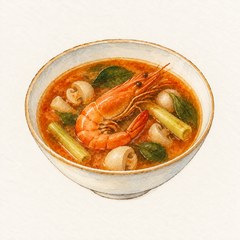
Tom Yum Goong follows two lineages: the clear nam sai, and the cloudy white nam khon. The divide comes down to milk — evaporated or coconut — and whether it is added; some versions also use a roasted chili paste.
Structure
- Broth
- A light shrimp or chicken stock
- Acidity
- Lime and kaffir lime leaf
- Heat
- Fresh chilies, roasted chili paste
- Fat
- Little to none in nam sai; milk-based in nam khon
- Umami
- Fish sauce and shrimp
Skeleton
Lemongrass, galangal, and kaffir lime leaf are simmered into the stock, the shrimp is cooked through, and fish sauce sets the seasoning. Lime and chilies go in after the heat is off. For nam khon, milk is added at this point.
Pairing, by structure
The two lineages are worth considering separately. In the clear nam sai, acidity and herbs lead, and a structurally defined umeshu lengthened with soda, or a gin with a bright citrus botanical profile, can be candidates. In the white nam khon, fat and umami come forward, so a low-tannin, umami-rich junmai-style sake tends to sit alongside it comfortably. Where chili heat is concerned, a higher-alcohol pour can sharpen the spice, which is worth keeping in mind.
 02Tom Kha GaiNo origin document has been identified
Tom yum for acidity, tom kha for fat.
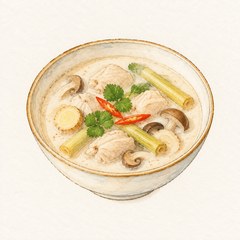
This pot belongs to the same 'tom' (to boil) family as tom yum, yet it walked in the opposite direction. Kha (galangal), named in the dish, and coconut milk — together the two form a mellow, white counter-answer to the acidity-led nam sai tom yum.
No record has been confirmed that pins down its origin. A foundation under Thailand's Ministry of Foreign Affairs has published an explanation, but no document indicating when the dish took shape has been found. This card instead looks at the contrast in structure.
Structure
- Broth
- Mainly coconut milk, combined with chicken stock
- Acidity
- Lime and kaffir lime leaf
- Heat
- Chilies added at the finish, milder than tom yum
- Fat
- Coconut milk — the biggest structural difference
- Umami
- Fish sauce and mushrooms
Skeleton
Galangal and lemongrass are simmered into coconut milk and chicken stock, and the chicken and mushrooms are cooked through. Fish sauce sets the seasoning, and lime goes in after the heat is off.
Pairing, by structure
With coconut fat and gentle umami forming the backbone, a low-tannin, umami-rich brewed sake is a straightforward candidate. A fuller-bodied junmai-style sake tends to sit at the same weight as the richness of the milk.
 03PhởSaid to originate in the early twentieth century, though no single year can be fixed
Even the name carries two competing theories.
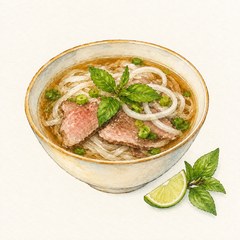
Phở is said to have begun in the early twentieth century, around Nam Định Province and Hanoi in the north. Two theories stand side by side over the name: one traces it to the French stew pot-au-feu, the other to the Cantonese term for 'beef noodle,' 牛肉粉. Linguists are said to favor the latter, though the question remains unsettled. Beef became accessible under French rule, and there was already a noodle culture from Chinese immigrant communities. The most accurate statement is simply that phở was born at that intersection.
In 1954, when the Geneva Accords split the country into north and south, phở traveled south along with people from the north. Northern phở stayed spare, with few toppings, while southern phở diverged into a version where bean sprouts and herbs are served separately, for the diner to compose. One soup mirrors the country's history directly.
Structure
- Broth
- A clear soup made from long-simmered beef bones
- Aromatics
- Star anise, cassia, black cardamom
- Acidity
- Lime served on the side, squeezed in by the diner
- Fat
- From the beef bones
- Umami
- Nước mắm (fish sauce)
Skeleton
Beef bones are simmered long and gently with spices, kept clear throughout. The hot broth is poured over rice noodles and thin-sliced beef, with herbs and lime added at the table.
Pairing, by structure
With the clear beef-bone broth and the sweet fragrance of star anise leading, a light, clean-aromatic direction can be a candidate. A crisp, light-and-dry sake, or a light white wine, tends to stand on the same ground as this clarity.
 04Miso SoupThe year the umami in dashi became science1908
In this one bowl, two kinds of umami meet.
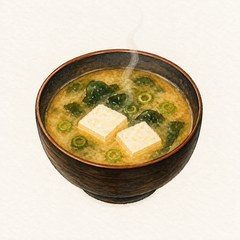
In the Nara and Heian periods, miso was still a preserved food, not yet a soup. It is said to have turned into a soup in the Kamakura period, once the suribachi mortar — brought over from the continent — made it possible to dissolve miso into liquid. Tsurezuregusa records a passage in which Hōjō Tokiyori, a regent of the Kamakura shogunate, set out nothing more than a single dish of miso at the table. Soybean cultivation spread in the Muromachi period, and by the Edo period, miso reached nearly every table.
In 1908, Kikunae Ikeda of Tokyo Imperial University extracted glutamate from kombu dashi and named it 'umami.' In 1913, Shintaro Kodama identified inosinate in katsuobushi. When the two meet, umami intensifies beyond simple addition — and the dashi in miso soup is a mechanism that has put this synergy to daily use ever since.
And underneath miso lies koji — the technique of growing Aspergillus oryzae on steamed grain, the same technique used in sake.
Structure
- Broth
- Kombu and katsuobushi (the synergy of glutamate and inosinate)
- Acidity
- None
- Heat
- None
- Fat
- Little to none, depending on the ingredients
- Umami
- Amino acids from the dashi and from the fermentation of the miso
Skeleton
Dashi is drawn from kombu and katsuobushi, the ingredients are cooked through, and the miso is dissolved in once the heat is lowered. The key point is not to bring it back to a boil.
Pairing, by structure
Layering umami on umami is a straightforward candidate here. A junmai-style sake with pronounced rice umami speaks the same amino-acid language as the dashi, and tends to align with it closely. It is also a pairing that shares a common foundation in koji.
 05MinestroneHaving no single origin is the design of this dish
Having no correct recipe is the correct recipe.
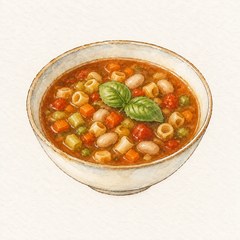
The word minestrone is an augmentative of minestra (soup), tracing back to the Latin for 'to serve.' There is no fixed recipe. Rice goes in, in Lombardy; pesto is stirred in, in Liguria; the contents shift from household to household. It is a soup in which the kitchen wisdom of wasting nothing — cucina povera — became, in effect, the name of the dish itself.
Some accounts trace its origin back to ancient Rome, but that speaks only to the antiquity of simmering vegetables, not to a confirmed lineage for this dish. One thing is certain: the tomato in the red minestrone we picture today only entered the picture after arriving from the New World in the sixteenth century.
Structure
- Broth
- Water, or a light vegetable broth
- Acidity
- Tomato (after its introduction)
- Heat
- Little to none; herb-centered
- Fat
- Olive oil
- Umami
- Beans and tomato; in some regions a Parmigiano rind is simmered in
Skeleton
Aromatic vegetables are sautéed in olive oil, then beans, seasonal vegetables, and tomato are added and simmered. Pasta or rice goes in near the end. There is no fixed rule — and that is the rule of this dish.
Pairing, by structure
With tomato acidity, vegetable sweetness, and the light fat of olive oil forming the backbone, a clean-acid, dry white or rosé direction can be a candidate.
 06BouillabaisseThe year Marseille's chefs set down a charter1980
To protect it, they put it in writing.
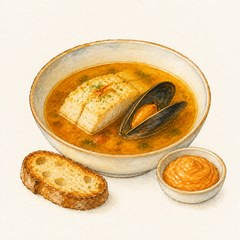
The beginning is said to be Marseille fishermen simmering the bony rockfish left unsold at market, and eating it on the beach. Some accounts trace it back to the Greek colonies of the pre-Christian era, but neither story can be confirmed by record.
What is certain is 1980. In response to a flood of low-quality 'bouillabaisse' in tourist areas, Marseille's restaurants drew up a charter together. Mediterranean rockfish, including scorpionfish, must be used. Saffron must be used whole, in its stigma form, not powdered. The rouille must be house-made. The broth and the fish must be served on separate plates. It carries no legal force — it is a moral agreement among the restaurants that signed it. Even so, this document has kept the outline of a bowl of soup intact.
Structure
- Broth
- Rockfish simmered whole, bones included
- Acidity
- Tomato
- Aromatics
- Saffron, fennel, orange peel
- Fat
- Olive oil (emulsified with the fish's gelatin by a hard boil)
- Umami
- The seafood itself, and garlic
Skeleton
Rockfish is boiled hard together with aromatic vegetables, tomato, and saffron, emulsifying the olive oil into a light body. The broth is served first, the fish after, on a separate plate.
Pairing, by structure
With the seafood broth, the fragrance of saffron, and the body of emulsified olive oil leading, a firm-acid, dry white or rosé direction can be a candidate. Sake is often described as low in tannin and easy to bring alongside seafood, but this is a conditional tendency, not a guarantee.
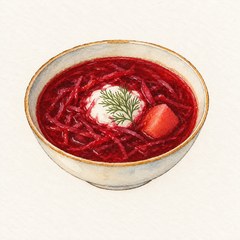 07BorschtThe year it was inscribed on UNESCO's List of Intangible Cultural Heritage in Need of Urgent Safeguarding2022
A bowl of soup became a culture in need of urgent safeguarding.
The name borscht is said to come from an old Slavic word for hogweed, a wild plant. The original form is said to have been a sour soup made from its fermented stalks and leaves, with beets becoming the centerpiece only later. This red soup has long been eaten across a wide region — not only in Ukraine, but in Poland's barszcz, and at tables in Lithuania, Belarus, and Jewish communities.
On July 1, 2022, UNESCO's Intergovernmental Committee, at an extraordinary session, inscribed 'Culture of Ukrainian Borscht Cooking' on the List of Intangible Cultural Heritage in Need of Urgent Safeguarding — an unusually expedited review. What the inscription protects is the practice of cooking and passing on borscht in Ukraine, not a ruling on which nation the dish belongs to. The inscription document itself records the diversity of its recipes and occasions for eating it.
In the traditional method, kvass — beets fermented in salted water through lactic fermentation — forms the core of the acidity. It is the acid of fermentation, not vinegar.
Structure
- Broth
- Meat or vegetable broth
- Acidity
- The lactic acidity of fermented beet kvass
- Sweetness
- Beets
- Fat
- Sour cream, added at the finish
- Umami
- From the meat broth and from fermentation
Skeleton
Beets, cabbage, and potatoes are simmered in a meat broth, and fermented beet liquid sets the acidity. Sour cream finishes it. It is a pot said to taste better settled, the next day.
Pairing, by structure
In the traditional version made with fermented beets, gentle acidity, the sweetness of beets, and the fat of sour cream form the backbone. A junmai-style sake made by the kimoto or yamahai method carries fermentation-derived acidity and body, and tends to sit comfortably alongside this backbone.
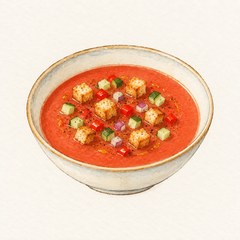 08GazpachoBefore tomatoes, there was a white gazpacho
It turned red only in the latter half of its history.
The red gazpacho we picture today is not this dish's first form. The original was white: stale bread, almonds, garlic, olive oil, water. The cold white soup known as ajoblanco came first, and the red version was born only after tomatoes and peppers arrived from the New World in the sixteenth century. Accounts trace it back to Roman porridge, or credit the Moors with bringing almonds, but neither story can be confirmed by record.
What is certain is that this is Andalusia's summer soup, one that needs no fire. What comes from the field is crushed cold and drunk as it is. The choice to serve it chilled was itself an answer to this region's heat.
Structure
- Base
- Ripe tomato, cucumber, and bell pepper, crushed raw
- Acidity
- Sherry vinegar
- Fat
- Olive oil
- Body
- Stale bread
- Umami
- Ripe tomato
- Served
- Chilled
Skeleton
Ripe tomato, vegetables, bread, and garlic are crushed smooth, then finished with sherry vinegar and olive oil. Nothing is cooked. It is chilled well.
Pairing, by structure
With the acidity of raw tomato and its chill leading, a well-chilled, crisp direction can be a candidate. A dry sparkling wine or a bright-acid white tends to stand on the same ground of temperature as this chilled dish.
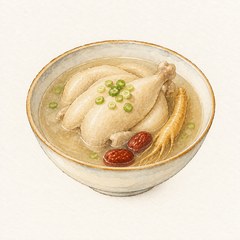 09SamgyetangOften called an old dish, though its current name and form date to the twentieth century
Fighting heat with heat.
Samgyetang carries with it the phrase i yeol chi yeol — 'controlling heat with heat.' It is a custom of meeting the height of summer's heat, the days known as sambok, with a hot soup. A young chicken is stuffed whole with glutinous rice, ginseng, garlic, and jujube, then simmered.
It is sometimes described as an ancient royal-court dish, but by the record, it is said to be more recent. A 1917 cookbook contains a recipe for stuffing a chicken's cavity with glutinous rice and powdered ginseng, and by the 1940s it reportedly began appearing in restaurants under the name gyesamtang. From the 1950s onward, as refrigeration spread and ginseng could be used whole, by the root, rather than as powder, the dish is said to have shifted toward samgyetang — its current name, in which ginseng now comes before chicken. It could fairly be called a dish whose name changed along with its technology.
Structure
- Broth
- Chicken soup made from a whole bird, long-simmered
- Acidity
- None
- Heat
- None; salt and pepper added at the table
- Fat
- From the chicken
- Umami
- Chicken and garlic, with the faint bitterness of ginseng
Skeleton
A young chicken is stuffed with glutinous rice, ginseng, garlic, and jujube, then simmered slowly from cold water. Seasoning is kept minimal, finished with salt at the table.
Pairing, by structure
With the light umami of chicken and the faint bitterness of ginseng leading, a soft-edged, light-and-dry direction can be a candidate. A clean junmai-style sake, or a mild barley shochu in a hot-water-cut style, can stand at the same warm register as this clear heat.
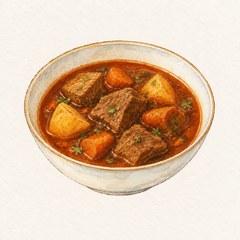 10GulyásThe herdsman's pot met paprika only after the sixteenth century
Gulyás means, simply, a cattle herdsman.
In Hungarian, gulyás was originally not the name of a dish but a word for a cattle herdsman. Herdsmen of the plains are said to have simmered meat and onion in an iron pot called a bogrács, and that pot became the dish, name and all.
The paprika that defines gulyás today came later. Chili peppers are a New World crop, reaching Europe only in the sixteenth century. This is where the foundation was laid for the herdsman's stew to meet an Age of Discovery spice, though its settling into today's red gulyás came still later. There is one more common misunderstanding: Hungarian gulyás is a thin, unthickened soup, while the rich stew often pictured is actually a separate dish called pörkölt. As it crossed borders, the name and the substance traded places.
Structure
- Broth
- A broth of long-simmered beef shank, left unthickened
- Aromatics
- Paprika (mostly sweet) and caraway
- Acidity
- Gentle acidity from tomato
- Fat
- Lard and beef fat
- Umami
- Beef and onion
Skeleton
Onions are sautéed in fat, the pot is taken off the heat to add paprika, then beef shank and water go in for a long simmer. No flour or cream is used to thicken it.
Pairing, by structure
With the sweet fragrance of paprika and the umami of beef forming the backbone, a soft-tannin, medium-bodied red can be a candidate. A bright-fruited red without overly heavy oak tends to sit at the same register as paprika's sweet fragrance.
Line up all ten bowls, and two things come into view. One: soup, too, is an answer to what was at hand — beets, paprika, unsold rockfish, rice and soybeans. The other: even a bowl of soup can bring documents and law into the picture. The Marseille charter, and two UNESCO inscriptions. What they protect was never the taste, but the practice of continuing to make it.
And underneath, a thread of fermentation runs through: the koji in miso, the fermented beets in borscht, the fish sauce that drops into tom yum. Each is a different technique, but on one point — that the work of microbes makes umami — soup stands in the same kitchen as alcohol.
Each entry is based on the records of public authorities, on published sources, and on news reporting and research. Where an origin story is one passed down through telling rather than documented, it is written so the reader can tell. Where the evidence is not solid enough, nothing is stated as settled — such matters are marked as tradition or theory. Nothing here is ranked. The pairing is an example of a combination seen from structure. These are candidates, not fixed rules. The Related BG Products named here are drawn from our own portfolio as structural examples.
This page is educational content about the world's culinary and drinking culture. Alcohol is for persons of legal drinking age only. Excessive drinking is harmful to your health.
ซุป 10 ถ้วย 10 เรื่องราว
ทุกดินแดนล้วนมีหม้อของตัวเอง พืชผลที่มีอยู่ในมือ ภูมิปัญญาในการถนอมอาหาร และเวลาที่ตั้งไว้บนไฟ ซุปคือคำตอบที่ครัวของแต่ละดินแดนเดินทางมาถึง หน้านี้ตามรอยความเป็นมาและโครงสร้างของซุป 10 ชนิดที่รู้จักกันทั่วโลก เท่าที่มีบันทึกไว้ และปิดท้ายแต่ละถ้วยด้วยแนวคิดของ “หนึ่งขวดที่เข้ากัน” เมื่อมองจากโครงสร้าง
01ต้มยำกุ้งปีที่ได้รับการขึ้นทะเบียนในรายการตัวแทนของ UNESCO2024
ภายใต้ชื่อเดียวกัน มีทั้งถ้วยน้ำใสและถ้วยน้ำข้น
วันที่ 3 ธันวาคม 2024 คณะกรรมการระหว่างรัฐบาลของ UNESCO ซึ่งประชุมกันที่ประเทศปารากวัย ได้ขึ้นทะเบียน “ต้มยำกุ้ง” ในบัญชีรายการตัวแทนมรดกทางวัฒนธรรมที่จับต้องไม่ได้ของมนุษยชาติ รัฐบาลไทยอธิบายว่าอาหารจานนี้สะท้อนวิถีชีวิตอันเรียบง่ายของชุมชนเกษตรริมน้ำ
ยังมีบันทึกที่สืบค้นได้ในเอกสาร ตำราอาหารปี 1890 ชื่อ “ตำรากับเข้า” มีต้มยำปลาช่อนที่ใช้ความเปรี้ยวจากมะม่วงดิบ และในปี 1898 ตำรับอาหารที่นักเรียนโรงเรียนสตรีในบางกอกร่วมกันเรียบเรียง ก็มีบันทึกเรื่องต้มยำเช่นกัน
ต้มยำกุ้งมีสองสาย คือน้ำใสอันใสสะอาด กับน้ำข้นสีขาวขุ่น จุดแบ่งอยู่ที่การเติมนม ไม่ว่าจะเป็นนมข้นจืดหรือกะทิ และยังมีวิธีทำที่ใช้น้ำพริกเผาด้วย
โครงสร้างรสชาติ
- น้ำซุป
- สต๊อกกุ้งหรือไก่อย่างเบา
- ความเปรี้ยว
- น้ำมะนาวและใบมะกรูด
- ความเผ็ด
- พริกสดและน้ำพริกเผา
- ไขมัน
- น้ำใสแทบไม่มี ส่วนน้ำข้นมาจากนม
- อูมามิ
- น้ำปลาและกุ้ง
โครงสร้างการปรุง
เคี่ยวตะไคร้ ข่า และใบมะกรูดในน้ำซุป ทำให้กุ้งสุก แล้วตัดสินรสด้วยน้ำปลา น้ำมะนาวและพริกใส่หลังยกลงจากไฟ หากทำแบบน้ำข้น ให้เติมนมในขั้นตอนนี้
แนวทางการจับคู่
เริ่มจากการแยกคิดระหว่างสองสาย น้ำใสมีความเปรี้ยวและสมุนไพรเป็นตัวนำ อุเมะชุที่มีเส้นความเปรี้ยวชัดเจนในแบบผสมโซดา หรือจินที่มีโบตานิคัลตระกูลซิตรัสในแบบสดชื่น อาจเป็นตัวเลือก ส่วนน้ำข้นมีไขมันและอูมามิออกนำ ทิศทางที่แทนนินน้อยอย่างสาเกจุนไมที่มีอูมามิ จึงมีแนวโน้มที่จะเคียงกันได้ง่าย ส่วนความเผ็ดของพริกนั้น เครื่องดื่มที่มีแอลกอฮอล์สูงอาจขับความเผ็ดให้เด่นขึ้น จึงต้องพึงระวัง
02ต้มข่าไก่ไม่มีเอกสารระบุจุดกำเนิดที่แน่ชัด
ต้มยำคือความเปรี้ยว ต้มข่าคือความมัน
แม้จะอยู่ในตระกูล “ต้ม” เดียวกันกับต้มยำ แต่หม้อนี้เดินไปในทิศทางตรงกันข้าม ข่าที่อยู่ในชื่อ กับกะทิ สองสิ่งนี้สร้างอีกหนึ่งคำตอบที่นุ่มนวลและขาวนวล ต่างจากต้มยำน้ำใสที่มีความเปรี้ยวเป็นตัวนำ
ยังไม่พบบันทึกที่ระบุจุดกำเนิดได้แน่ชัด มูลนิธิในสังกัดกระทรวงการต่างประเทศของไทยเผยแพร่บทความอธิบายไว้ แต่ไม่ปรากฏเอกสารที่บอกช่วงเวลาก่อกำเนิด การ์ดนี้จึงมองที่การเทียบโครงสร้าง
โครงสร้างรสชาติ
- น้ำซุป
- กะทิเป็นหลัก (ผสมกับสต๊อกไก่)
- ความเปรี้ยว
- น้ำมะนาวและใบมะกรูด
- ความเผ็ด
- พริกใส่ตอนท้าย อ่อนกว่าต้มยำ
- ไขมัน
- กะทิ = ความต่างเชิงโครงสร้างที่ใหญ่ที่สุด
- อูมามิ
- น้ำปลาและเห็ด
โครงสร้างการปรุง
เคี่ยวข่าและตะไคร้ในกะทิผสมสต๊อกไก่ ทำให้เนื้อไก่และเห็ดสุก ตัดสินรสด้วยน้ำปลา แล้วใส่น้ำมะนาวหลังยกลงจากไฟ
แนวทางการจับคู่
โครงสร้างหลักคือความมันของกะทิและอูมามิอันนุ่มนวล สุราหมักที่มีแทนนินน้อยและมีอูมามิจึงเป็นตัวเลือกที่ตรงไปตรงมา สาเกจุนไมที่มีความอิ่มเอิบ มีแนวโน้มที่จะวางเคียงกันได้ในย่านความหนาแน่นเดียวกับความมันของกะทิ
03เฝอ (Phở)ว่ากันว่าเกิดขึ้นต้นศตวรรษที่ 20 แต่ระบุปีเดียวไม่ได้
แม้แต่ที่มาของชื่อ ก็ยังมีสองทฤษฎี
ว่ากันว่าเฝอเริ่มต้นในช่วงต้นศตวรรษที่ 20 แถบจังหวัดนามดิ่ญและรอบ ๆ ฮานอยทางภาคเหนือ ส่วนชื่อนั้นมีสองทฤษฎียืนเคียงกัน ทฤษฎีที่ว่ามาจากโปโตเฟอ อาหารตุ๋นของฝรั่งเศส กับทฤษฎีที่ว่ามาจากคำกวางตุ้งที่แปลว่าเส้นเนื้อวัว ฝ่ายภาษาศาสตร์เอนไปทางทฤษฎีหลัง แต่ยังไม่มีข้อยุติ เนื้อวัวหาได้ง่ายขึ้นในยุคอาณานิคมฝรั่งเศส วัฒนธรรมเส้นของผู้อพยพชาวจีนมีอยู่ก่อนแล้ว สิ่งที่พูดได้อย่างแม่นยำมีเพียงว่า เฝอเกิดขึ้นตรงสี่แยกนั้น
ปี 1954 เมื่อข้อตกลงเจนีวาแบ่งประเทศเป็นเหนือกับใต้ เฝอก็ข้ามลงใต้ไปพร้อมกับผู้คนจากภาคเหนือ เฝอเหนือยังคงเรียบง่าย เครื่องน้อย ส่วนเฝอใต้เสิร์ฟถั่วงอกและสมุนไพรแยกต่างหากให้ผู้กินแต่งเอง ซุปหนึ่งถ้วยสะท้อนประวัติศาสตร์ของประเทศไว้ตรง ๆ
โครงสร้างรสชาติ
- น้ำซุป
- ซุปใสจากกระดูกวัวเคี่ยวนาน
- กลิ่นหอม
- โป๊ยกั๊ก อบเชยจีน กระวานดำ
- ความเปรี้ยว
- มะนาวเสิร์ฟเคียง ให้ผู้กินบีบเอง
- ไขมัน
- จากกระดูกวัว
- อูมามิ
- น้ำปลาเวียดนาม (nước mắm)
โครงสร้างการปรุง
เคี่ยวกระดูกวัวกับเครื่องเทศอย่างช้า ๆ เป็นเวลานาน รักษาน้ำซุปให้ใส เทน้ำซุปร้อนลงบนเส้นข้าวกับเนื้อวัวสไลซ์บาง สมุนไพรและมะนาวไปเจอกันที่โต๊ะ
แนวทางการจับคู่
ตัวนำคือน้ำซุปกระดูกวัวอันใสและกลิ่นหวานของโป๊ยกั๊ก ทิศทางที่เบาและกลิ่นสะอาดจึงเป็นตัวเลือก สาเกแนวใสสะอาด หรือไวน์ขาวที่เบา มีแนวโน้มที่จะยืนอยู่บนพื้นความโปร่งใสเดียวกันได้
04ซุปมิโซะปีที่อูมามิของดาชิกลายเป็นวิทยาศาสตร์1908
ในถ้วยนี้ อูมามิสองชนิดมาพบกัน
ราวยุคนาระถึงเฮอัน มิโซะยังไม่ใช่ซุป แต่เป็นอาหารถนอม ว่ากันว่ามันกลายเป็นซุปในยุคคามาคุระ เมื่อครกบดที่ข้ามทะเลมาจากแผ่นดินใหญ่ทำให้ละลายมิโซะในน้ำร้อนได้ ในวรรณกรรม “สึเระซึเระงุซะ” ยังมีตอนที่กล่าวถึงโฮโจ โทคิโยริ ผู้สำเร็จราชการแห่งคามาคุระ กับมิโซะเพียงถ้วยเดียวบนสำรับ เมื่อการปลูกถั่วเหลืองแพร่หลายในยุคมุโรมาจิ พอถึงยุคเอโดะ ซุปมิโซะก็ไปถึงแทบทุกสำรับ
ปี 1908 อิเคดะ คิคุนาเอะ แห่งมหาวิทยาลัยโตเกียวอิมพีเรียล สกัดกลูตาเมตออกจากดาชิคมบุ และตั้งชื่อให้ว่า “อูมามิ” ปี 1913 โคดามะ ชินทาโร่ พบอิโนซิเนตในคัตสึโอะบุชิ เมื่อสองสิ่งนี้พบกัน อูมามิจะแรงขึ้นเกินกว่าการบวกกันธรรมดา — ดาชิของซุปมิโซะคือกลไกที่ใช้การเสริมฤทธิ์นี้ในชีวิตประจำวันมาโดยตลอด
และรากฐานของมิโซะคือโคจิ การเลี้ยงราโคจิบนธัญพืชนึ่ง เทคนิคเดียวกันกับสาเก
โครงสร้างรสชาติ
- น้ำซุป
- คมบุและคัตสึโอะบุชิ (กลูตาเมต × อิโนซิเนตเสริมฤทธิ์กัน)
- ความเปรี้ยว
- ไม่มี
- ความเผ็ด
- ไม่มี
- ไขมัน
- แทบไม่มี ขึ้นอยู่กับเครื่อง
- อูมามิ
- กรดอะมิโนจากดาชิและการหมักของมิโซะ
โครงสร้างการปรุง
ทำดาชิจากคมบุและคัตสึโอะบุชิ ทำเครื่องให้สุก หรี่ไฟลงแล้วจึงละลายมิโซะ ข้อสำคัญคือไม่ต้มให้เดือดซ้ำ
แนวทางการจับคู่
แนวคิดที่ตรงไปตรงมาคือการวางอูมามิซ้อนอูมามิ สาเกจุนไมที่อูมามิของข้าวชัดเจน พูดภาษากรดอะมิโนเดียวกันกับดาชิ จึงมีแนวโน้มที่จะกลมกลืนกัน และยังเป็นคู่ที่มีโคจิเป็นรากฐานร่วมกันอีกด้วย
05Minestrone (มิเนสโตรเน)การไม่มีจุดกำเนิดเดียว คือแบบแผนของอาหารจานนี้
การไม่มีสูตรที่ถูกต้อง คือคำตอบที่ถูกต้อง
คำว่ามิเนสโตรเนคือรูปขยายของ “มิเนสตรา (ซุป)” สาวกลับไปได้ถึงรากศัพท์ละตินที่แปลว่ารับใช้เสิร์ฟ สูตรตายตัวไม่มีอยู่จริง ที่ลอมบาร์เดียใส่ข้าว ที่ลิกูเรียหยอดเพสโต้ เนื้อในเปลี่ยนไปตามแต่ละบ้าน ภูมิปัญญาครัวที่ไม่ทิ้งของเหลือ — คูชีนา โพเวรา — กลายมาเป็นชื่อของอาหารทั้งจาน
มีเรื่องเล่าที่สาวกำเนิดขึ้นไปถึงโรมโบราณ แต่นั่นคือความเก่าแก่ของการต้มผักโดยทั่วไป ไม่ใช่สายตระกูลของอาหารจานนี้ที่ยืนยันได้ สิ่งที่แน่นอนมีข้อเดียว มะเขือเทศในมิเนสโตรเนสีแดงที่เรานึกถึงทุกวันนี้ มาถึงหลังจากโลกใหม่ส่งมันข้ามทะเลมาในศตวรรษที่ 16
โครงสร้างรสชาติ
- น้ำซุป
- น้ำเปล่าหรือน้ำสต๊อกผักอย่างเบา
- ความเปรี้ยว
- มะเขือเทศ (หลังจากเข้ามาภายหลัง)
- ความเผ็ด
- แทบไม่มี เน้นสมุนไพร
- ไขมัน
- น้ำมันมะกอก
- อูมามิ
- ถั่วและมะเขือเทศ บางถิ่นเคี่ยวเปลือกพาร์มิจาโนด้วย
โครงสร้างการปรุง
ผัดผักหอมในน้ำมันมะกอก ใส่ถั่ว ผักตามฤดูกาล และมะเขือเทศ แล้วเคี่ยว พาสต้าหรือข้าวใส่ท้ายสุด ไม่มีข้อกำหนดตายตัว และนั่นเองคือข้อกำหนดของอาหารจานนี้
แนวทางการจับคู่
โครงสร้างคือความเปรี้ยวของมะเขือเทศ ความหวานของผัก และไขมันเบา ๆ ของน้ำมันมะกอก ไวน์ขาวดรายหรือโรเซ่ที่กรดสะอาดจึงเป็นทิศทางที่เป็นตัวเลือก
06Bouillabaisse (บุยยาแบส)ปีที่เหล่าพ่อครัวแห่งมาร์เซย์ตรากฎบัตรขึ้น1980
เพื่อจะปกป้อง จึงทำเป็นลายลักษณ์อักษร
เล่ากันว่าจุดเริ่มต้นคือชาวประมงแห่งมาร์เซย์ นำปลาหินก้างเยอะที่ขายไม่หมดจากตลาด มาต้มกินกันริมหาด บ้างก็สาวประวัติไปไกลถึงอาณานิคมกรีกเมื่อก่อนคริสตกาล แต่ทั้งสองเรื่องไม่มีบันทึกให้ตรวจสอบได้
สิ่งที่แน่นอนคือปี 1980 เมื่อ “บุยยาแบส” คุณภาพต่ำระบาดไปทั่วแหล่งท่องเที่ยว เหล่าร้านอาหารแห่งมาร์เซย์จึงร่วมกันตรากฎบัตรขึ้น ต้องใช้ปลาหินเมดิเตอร์เรเนียนรวมทั้งปลาสกอร์เปียน หญ้าฝรั่นต้องเป็นเกสรทั้งเส้น ไม่ใช่ผง รูยย์ต้องทำเอง ซุปกับปลาต้องเสิร์ฟแยกจาน ทั้งหมดไม่มีผลบังคับทางกฎหมายใด ๆ เป็นเพียงคำมั่นทางเกียรติยศระหว่างร้านที่ร่วมลงนาม กระนั้นเอกสารฉบับนี้ก็ปกป้องรูปทรงของซุปหนึ่งถ้วยมาโดยตลอด
โครงสร้างรสชาติ
- น้ำซุป
- เคี่ยวปลาหินทั้งก้าง
- ความเปรี้ยว
- มะเขือเทศ
- กลิ่นหอม
- หญ้าฝรั่น เฟนเนล ผิวส้ม
- ไขมัน
- น้ำมันมะกอก (ต้มเดือดแรงให้อิมัลชันกับเจลาตินจากปลา)
- อูมามิ
- ตัวปลาเองและกระเทียม
โครงสร้างการปรุง
ต้มปลาหินกับผักหอม มะเขือเทศ และหญ้าฝรั่นด้วยไฟแรง ให้น้ำมันมะกอกอิมัลชันจนซุปข้นขึ้น เสิร์ฟซุปก่อน ปลาทีหลัง คนละจาน
แนวทางการจับคู่
ตัวนำคือน้ำซุปจากปลา กลิ่นหญ้าฝรั่น และความหนาแน่นของน้ำมันมะกอกที่อิมัลชันแล้ว ไวน์ขาวดรายหรือโรเซ่ที่กรดหนักแน่นจึงเป็นทิศทางที่เป็นตัวเลือก ส่วนสาเกนั้นมักถูกกล่าวถึงว่ามีแทนนินน้อยและมีแนวโน้มเข้ากับอาหารทะเลได้ง่าย แต่นี่คือแนวโน้มที่ขึ้นกับเงื่อนไข ไม่ใช่การรับประกัน
07Borscht (บอร์ช)ปีที่ขึ้นทะเบียนในบัญชีมรดกที่จำเป็นต้องได้รับการสงวนรักษาอย่างเร่งด่วนของ UNESCO2022
ซุปหนึ่งถ้วยกลายเป็นวัฒนธรรมที่ต้องสงวนรักษาอย่างเร่งด่วน
ว่ากันว่าชื่อบอร์ชมาจากคำสลาฟโบราณที่หมายถึงพืชฮอกวีด เล่ากันว่าซุปเปรี้ยวจากก้านใบหมักของพืชชนิดนั้นคือรูปแบบดั้งเดิม และหัวบีตขึ้นมาเป็นพระเอกในภายหลัง ซุปสีแดงถ้วยนี้ไม่ได้มีแค่ในยูเครน หากกินกันมายาวนานในวงกว้าง ตั้งแต่บาร์ชช์ของโปแลนด์ ลิทัวเนีย เบลารุส ไปจนถึงสำรับของชาวยิว
วันที่ 1 กรกฎาคม 2022 คณะกรรมการระหว่างรัฐบาลของ UNESCO ในการประชุมสมัยวิสามัญ ได้ขึ้นทะเบียน “วัฒนธรรมการปรุงบอร์ชของยูเครน” ในบัญชีรายการมรดกทางวัฒนธรรมที่จับต้องไม่ได้ที่จำเป็นต้องได้รับการสงวนรักษาอย่างเร่งด่วน เป็นการพิจารณาเร่งรัดที่ไม่เคยมีมาก่อน สิ่งที่การขึ้นทะเบียนปกป้องคือการปรุงและการสืบทอดในยูเครนในฐานะการปฏิบัติ ไม่ใช่คำตัดสินว่าอาหารจานนี้เป็นของชาติใด ตัวเอกสารการขึ้นทะเบียนเองก็บันทึกความหลากหลายของสูตรและโอกาสในการกินไว้
ในวิธีทำแบบดั้งเดิม แกนของความเปรี้ยวคือควาส ได้จากการหมักหัวบีตในน้ำเกลือจนเกิดกรดแลกติก ไม่ใช่น้ำส้มสายชู แต่เป็นกรดจากการหมัก
โครงสร้างรสชาติ
- น้ำซุป
- น้ำสต๊อกเนื้อสัตว์หรือผัก
- ความเปรี้ยว
- ความเปรี้ยวแบบกรดแลกติกจากหัวบีตหมัก (ควาส)
- ความหวาน
- หัวบีต
- ไขมัน
- ซาวร์ครีมตอนท้าย
- อูมามิ
- น้ำสต๊อกเนื้อและจากการหมัก
โครงสร้างการปรุง
ต้มหัวบีต กะหล่ำปลี และมันฝรั่งในน้ำสต๊อกเนื้อ ตัดสินความเปรี้ยวด้วยน้ำหัวบีตหมัก ปิดท้ายด้วยซาวร์ครีม เป็นหม้อที่ว่ากันว่าวันรุ่งขึ้นรสชาติจะเข้าที่กว่า
แนวทางการจับคู่
ในแบบดั้งเดิมที่ใช้หัวบีตหมัก โครงสร้างคือกรดอ่อน ๆ ความหวานของหัวบีต และไขมันของซาวร์ครีม สาเกจุนไมที่หมักแบบคิโมโตะหรือยามาฮาอิ มีทั้งกรดจากการหมักและความหนาแน่น จึงมีแนวโน้มที่จะแนบไปกับโครงสร้างนี้ได้ง่าย
08Gazpacho (กัสปาโช)ก่อนจะมีมะเขือเทศ มีกัสปาโชสีขาวมาก่อน
การกลายเป็นสีแดง คือครึ่งหลังของประวัติศาสตร์
กัสปาโชสีแดงที่เรานึกถึงทุกวันนี้ ไม่ใช่โฉมแรกของอาหารจานนี้ ต้นแบบเป็นสีขาว ขนมปังแข็ง อัลมอนด์ กระเทียม น้ำมันมะกอก และน้ำ ซุปเย็นสีขาวที่เรียกว่าอาโฆบลังโกมีมาก่อน แล้วฉบับสีแดงจึงเกิดขึ้นหลังมะเขือเทศและพริกหวานข้ามมาจากโลกใหม่ตั้งแต่ศตวรรษที่ 16 เป็นต้นมา มีทั้งเรื่องเล่าที่สาวไปถึงข้าวต้มโรมัน และเรื่องเล่าว่าชาวมัวร์นำอัลมอนด์เข้ามา แต่ล้วนไม่มีบันทึกให้ตรวจสอบได้
สิ่งที่แน่นอนคือ นี่คือซุปหน้าร้อนของอันดาลูเซียที่ไม่ใช้ไฟ บดของจากไร่ทั้งเย็น ๆ แล้วดื่มกิน การเลือกเสิร์ฟเย็นนั้นเอง คือคำตอบของดินแดนนี้ต่อความร้อนของมัน
โครงสร้างรสชาติ
- เบส
- มะเขือเทศสุก แตงกวา และพริกหวาน บดทั้งดิบ
- ความเปรี้ยว
- น้ำส้มสายชูเชอร์รี
- ไขมัน
- น้ำมันมะกอก
- ความข้น
- ขนมปังแข็ง
- อูมามิ
- มะเขือเทศสุก
- การเสิร์ฟ
- เย็น
โครงสร้างการปรุง
บดมะเขือเทศสุก ผัก ขนมปัง และกระเทียมจนเนียน ปรับรสด้วยน้ำส้มสายชูเชอร์รีและน้ำมันมะกอก ไม่ผ่านความร้อน แช่ให้เย็นจัด
แนวทางการจับคู่
ตัวนำคือกรดของมะเขือเทศดิบและความเย็น ทิศทางที่เย็นจัดและคมชัดจึงเป็นตัวเลือก สปาร์กลิงไวน์แบบดรายหรือไวน์ขาวที่กรดสดใส มีแนวโน้มที่จะยืนบนพื้นอุณหภูมิเดียวกันของการเสิร์ฟเย็นได้
09ซัมกเยทัง (Samgyetang)เล่ากันว่าเป็นอาหารเก่าแก่ แต่ชื่อและรูปแบบปัจจุบันคือของศตวรรษที่ 20
ใช้ความร้อนปราบความร้อน
ซัมกเยทังมักมาพร้อมคำว่า “อีย็อลชีย็อล — ใช้ความร้อนปราบความร้อน” เป็นธรรมเนียมการเผชิญหน้ากับความร้อนด้วยซุปร้อน ในวันซัมบก สามวันที่ร้อนที่สุดของหน้าร้อนตามปฏิทินเก่า ไก่รุ่นถูกยัดท้องด้วยข้าวเหนียว โสม กระเทียม และพุทราจีน แล้วเคี่ยวทั้งตัว
แม้จะถูกเล่าขานราวกับอาหารวังโบราณ แต่ในแง่บันทึกแล้วถือว่าใหม่ ตำราอาหารปี 1917 ปรากฏสูตรยัดข้าวเหนียวกับผงโสมในท้องไก่ เล่ากันว่าราวทศวรรษ 1940 เริ่มออกร้านในชื่อ “เคซัมทัง (ไก่นำหน้าโสม)” และหลังเทคโนโลยีความเย็นแพร่หลายในทศวรรษ 1950 เป็นต้นมา เมื่อใช้โสมทั้งรากแทนผงได้ ชื่อก็ค่อย ๆ เปลี่ยนเป็น “ซัมกเยทัง” — โสมนำหน้าไก่ อย่างที่เรียกกันทุกวันนี้ — ว่ากันว่าเป็นเช่นนั้น จะเรียกว่าอาหารที่เทคโนโลยีเปลี่ยนชื่อให้ก็ย่อมได้
โครงสร้างรสชาติ
- น้ำซุป
- ซุปไก่จากไก่ทั้งตัวเคี่ยวนาน
- ความเปรี้ยว
- ไม่มี
- ความเผ็ด
- ไม่มี ปรุงเกลือพริกไทยที่โต๊ะ
- ไขมัน
- จากไก่
- อูมามิ
- ไก่ กระเทียม และความขมอ่อนของโสม
โครงสร้างการปรุง
ยัดข้าวเหนียว โสม กระเทียม และพุทราจีนในท้องไก่รุ่น เคี่ยวจากน้ำเย็นอย่างช้า ๆ ปรุงรสให้น้อยที่สุด แล้วให้เกลือบนโต๊ะเป็นผู้จบ
แนวทางการจับคู่
ตัวนำคืออูมามิอ่อน ๆ ของไก่และความขมนุ่มของโสม ทิศทางที่โครงร่างนุ่มนวลและเรียบสะอาดจึงเป็นตัวเลือก สาเกจุนไมที่เรียบคม หรือโชจูข้าวบาร์เลย์กลิ่นสุภาพในแบบผสมน้ำร้อน ก็เป็นตัวเลือกที่ยืนในย่านอุณหภูมิเดียวกับความร้อนใส ๆ ของซุปนี้ได้
10Gulyás (กูยาช)หม้อของคนเลี้ยงวัวมาพบพริกปาปริกาหลังศตวรรษที่ 16
กูยาช แปลว่า คนเลี้ยงวัว
คำว่ากูยาชในภาษาฮังการี เดิมไม่ใช่ชื่ออาหาร แต่หมายถึงคนเลี้ยงวัว เล่ากันว่าเหล่าคนเลี้ยงวัวแห่งทุ่งราบต้มเนื้อกับหอมหัวใหญ่ในหม้อเหล็กที่เรียกว่าโบกราช แล้วหม้อใบนั้นก็กลายเป็นอาหารพร้อมทั้งชื่อ
ปาปริกาที่นิยามกูยาชทุกวันนี้มาทีหลัง พริกเป็นพืชของโลกใหม่ ข้ามมาถึงยุโรปในศตวรรษที่ 16 รากฐานที่หม้อตุ๋นของคนเลี้ยงวัวจะได้พบกับเครื่องเทศแห่งยุคแห่งการเดินเรือเกิดขึ้นตรงนี้ แต่กว่าจะลงตัวเป็นกูยาชสีแดงอย่างทุกวันนี้ ก็ยังอีกนานหลังจากนั้น และมีความเข้าใจคลาดเคลื่อนที่พบบ่อยอีกข้อ กูยาชของฮังการีคือซุปใสไม่ข้น ส่วนสตูว์เข้มข้นนั้นคืออาหารอีกจานชื่อเพอร์เคิลต์ ระหว่างที่ข้ามพรมแดน ชื่อกับเนื้อในก็สลับที่กัน
โครงสร้างรสชาติ
- น้ำซุป
- น้ำต้มเนื้อน่องวัวเคี่ยวนาน ไม่ทำให้ข้น
- กลิ่นหอม
- ปาปริกา (พื้นฐานคือแบบหวาน) และคาราเวย์
- ความเปรี้ยว
- กรดอ่อน ๆ จากมะเขือเทศ
- ไขมัน
- น้ำมันหมูและไขมันวัว
- อูมามิ
- เนื้อวัวและหอมหัวใหญ่
โครงสร้างการปรุง
ผัดหอมหัวใหญ่ในไขมัน ยกออกจากไฟชั่วคราวแล้วจึงใส่ปาปริกา เติมเนื้อน่องวัวกับน้ำ เคี่ยวนาน ไม่ใส่แป้งหรือครีมให้ข้น
แนวทางการจับคู่
โครงสร้างคือกลิ่นหวานของปาปริกากับอูมามิของเนื้อวัว ไวน์แดงมีเดียมที่แทนนินสุภาพจึงเป็นทิศทางที่เป็นตัวเลือก ไวน์แดงที่ผลไม้สดใสและโอ๊กไม่หนักเกิน มีแนวโน้มจะเรียงตัวในย่านเดียวกับกลิ่นหวานของปาปริกาได้
เมื่อวางซุปทั้ง 10 ถ้วยเรียงกัน จะเห็นสองสิ่ง หนึ่ง ซุปก็เช่นกันคือ “คำตอบต่อสิ่งที่มีอยู่ในมือ” หัวบีต พริกปาปริกา ปลาหินที่ขายไม่หมด แล้วก็ข้าวกับถั่วเหลือง สอง แม้แต่ซุปหนึ่งถ้วยก็มีเอกสารและกติกาปรากฏขึ้น กฎบัตรแห่งมาร์เซย์ และการขึ้นทะเบียนของ UNESCO สองรายการ สิ่งที่ถูกปกป้องไม่ใช่รสชาติ แต่คือการลงมือทำต่อไปไม่ให้ขาดสาย
และเบื้องล่างยังมีสายใยของการหมัก โคจิในมิโซะ หัวบีตหมักในบอร์ช น้ำปลาที่หยดลงในต้มยำ ต่างกรรมวิธีกันก็จริง แต่ในจุดเดียวที่ว่าจุลินทรีย์เป็นผู้สร้างอูมามิ ซุปจึงยืนอยู่ในครัวเดียวกันกับสุรา
แต่ละรายการอ้างอิงจากบันทึกของหน่วยงานทางการ เอกสารที่เผยแพร่ต่อสาธารณะ ตลอดจนรายงานข่าวและงานวิจัย เมื่อเล่าเรื่องกำเนิดที่สืบต่อกันมา ได้เขียนให้ผู้อ่านทราบว่าเป็นเรื่องเล่า สิ่งที่หลักฐานยังไม่เพียงพอ ไม่ได้เขียนอย่างฟันธง แต่ระบุให้เห็นว่าเป็นตำนานหรือข้อสันนิษฐาน ไม่มีการจัดอันดับ หนึ่งขวดที่เข้ากันเป็นเพียงตัวอย่างการจับคู่ที่มองจากโครงสร้าง ทั้งหมดเป็นเพียงตัวเลือก ไม่ใช่กฎตายตัว Related BG Products คือสินค้าที่เราจัดจำหน่าย ยกมาเป็นตัวอย่างเชิงโครงสร้างเท่านั้น
หน้านี้เป็นเนื้อหาเพื่อการศึกษาเกี่ยวกับวัฒนธรรมอาหารและเครื่องดื่มของโลก เครื่องดื่มแอลกอฮอล์สำหรับผู้ที่มีอายุถึงเกณฑ์ตามกฎหมายเท่านั้น การดื่มมากเกินไปเป็นอันตรายต่อสุขภาพ
世界のスープ 10の物語
どの土地にも、鍋がある。手元の作物と、保存の知恵と、火にかける時間。スープはその土地の台所がたどり着いた答えである。このページでは、世界でよく知られた10のスープについて、記録に残る範囲でその成り立ちと構造をたどり、それぞれの終わりに、構造から見た「合わせる一本の考え方」を添えた。
01トムヤムクンUNESCO代表一覧表に記載された年2024年
同じ名前で呼ばれる、澄んだ一杯と白い一杯がある。
2024年12月3日、パラグアイで開かれたUNESCOの政府間委員会は、「トムヤムクン」を人類の無形文化遺産の代表的な一覧表に記載した。タイ政府はこの料理を、川辺の農村の暮らしと質素さを映すものと伝えている。
文献の上でたどれる記録もある。1890年の料理書『タムラー・カップカーオ』には、青マンゴーの酸味を使う雷魚のトムヤムが載っている。1898年にはバンコクの女学校の生徒たちが編んだ料理集にも、トムヤムの記録が残っている。
トムヤムクンには二つの系統がある。澄んだナムサイと、白く濁ったナムコン。分かれ目はミルク—エバミルクやココナッツミルク—を加えるかどうかにあり、焙煎唐辛子ペーストを使う作り方もある。
構造
- 出汁
- エビや鶏の軽いストック
- 酸
- ライムとコブミカンの葉
- 辛
- 生唐辛子・焙煎唐辛子ペースト
- 脂
- ナムサイはほぼ無し・ナムコンはミルク由来
- 旨
- ナンプラーとエビ
骨格
出汁にレモングラス・ガランガル・コブミカンの葉を煮出し、エビに火を通し、ナンプラーで味を決める。ライムと唐辛子は火を止めてから。ナムコンにするならミルクをここで加える。
合わせる一本の考え方
二つの系統は分けて考えるところから始まる。澄んだナムサイは酸とハーブが主役で、酸の輪郭がはっきりした梅酒をソーダで割るスタイルや、柑橘系のボタニカルを持つジンの爽やかな様式が候補になります。白いナムコンは脂と旨味が前に出るので、旨味のある純米系のように渋みの少ない方向が寄り添いやすい傾向があります。唐辛子の熱には、アルコール度数の高い一杯が辛味を強調しうる点に注意が要ります。
02トムカーガイ特定の起源文書を持たない
酸のトムヤム、脂のトムカー。
トムヤムと同じ「トム(煮る)」の一族でありながら、この鍋は反対の方向へ歩いた。名前にあるカー(ガランガル)と、ココナッツミルク。この二つが、酸味主体のナムサイのトムヤムに対して、まろやかで白いもう一つの答えを作っている。
起源を特定できる記録は確認できていない。タイ外務省傘下の財団が解説を公表しているが、成立の時期を示す文書は見当たらない。このカードでは、構造の対比を見る。
構造
- 出汁
- ココナッツミルク主体(鶏ストックと合わせる)
- 酸
- ライムとコブミカンの葉
- 辛
- 仕上げの唐辛子・トムヤムより控えめ
- 脂
- ココナッツミルク=最大の構造差
- 旨
- ナンプラーとキノコ
骨格
ココナッツミルクと鶏ストックにガランガルとレモングラスを煮出し、鶏肉とキノコに火を通す。ナンプラーで味を決め、ライムは火を止めてから。
合わせる一本の考え方
ココナッツの脂と穏やかな旨味が骨格なので、渋みの少ない、旨味のある醸造酒がまっすぐな候補になります。ふくらみのある純米系の日本酒は、ミルクのコクと同じ厚みの帯で並びやすい傾向があります。
03フォー起源は20世紀初頭とされるが、単一の年を特定できない
名前の由来からして、二つの説がある。
フォーの始まりは20世紀初頭、北部のナムディン省やハノイの周辺だったと語られている。名前については二つの説が並び立つ。フランスの煮込みポトフに由来するという説と、広東語の「牛肉粉」に由来するという説である。言語学の側では後者が優勢とされるが、決着はしていない。フランス統治期に牛肉が身近になったこと、中国系移民の麺文化があったこと。フォーはその交差点で生まれた、とだけ言うのが正確なところである。
1954年、ジュネーブ協定で国が南北に分かれると、北の人々とともにフォーも南へ渡った。北のフォーは具が少なく簡素なまま、南のフォーはモヤシやハーブを別添えにして食べ手が仕立てる形に分かれていく。一つのスープが、国の歴史をそのまま映している。
構造
- 出汁
- 牛骨を長時間煮た澄んだスープ
- 香
- スターアニス・カシア・黒カルダモン
- 酸
- 添えたライムを食べ手が絞る
- 脂
- 牛骨由来
- 旨
- ヌックマム(魚醤)
骨格
牛骨を香辛料とともに長く静かに煮出し、澄んだまま保つ。米麺と薄切りの牛肉に熱い出汁を注ぎ、ハーブとライムは食卓で。
合わせる一本の考え方
澄んだ牛骨の出汁と八角の甘い香りが主役なので、香りの澄んだ軽快な方向が候補になります。すっきりした淡麗系の日本酒や、軽やかな白ワインは、この透明感と同じ土俵に立ちやすい傾向があります。
04味噌汁出汁の旨味が科学になった年1908年
この一杯の中で、二つの旨味が出会っている。
味噌は奈良から平安の頃、まだ汁物ではなく保存食だった。それが汁になるのは鎌倉時代、大陸から渡ったすり鉢で味噌を溶かすようになってからと伝えられている。『徒然草』には、鎌倉幕府の執権・北条時頼が味噌を肴にした一段が残る。室町に大豆の栽培が広がり、江戸の頃にはほぼすべての食卓に届いていた。
1908年、東京帝国大学の池田菊苗が昆布の出汁からグルタミン酸を取り出し、「うま味」と名付けた。1913年には小玉新太郎が鰹節からイノシン酸を見つける。この二つが出会うと旨味は足し算を超えて強まる—味噌汁の出汁は、その相乗効果を日常の中で使い続けてきた仕組みである。
そして味噌の土台には麹がある。蒸した穀物にニホンコウジカビを育てる、日本酒と同じ技術である。
構造
- 出汁
- 昆布と鰹節(グルタミン酸×イノシン酸の相乗)
- 酸
- なし
- 辛
- なし
- 脂
- 具材次第でほぼ無し
- 旨
- 出汁と味噌の発酵由来アミノ酸
骨格
昆布と鰹節で出汁を引き、具に火を通し、火を弱めてから味噌を溶く。沸かし直さないことが要点。
合わせる一本の考え方
旨味に旨味を重ねる、という考え方が素直な候補になります。米の旨味がしっかりした純米系の日本酒は、出汁と同じアミノ酸の言葉で語るので、同調しやすい傾向があります。麹という共通の土台を持つ組み合わせでもあります。
05ミネストローネ単一の起源を持たないことが、この料理の設計である
正解のレシピが無いことが、正解である。
ミネストローネという語は「ミネストラ(スープ)」の増大形で、元をたどれば「給仕する」というラテン語に行き着く。決まったレシピは存在しない。ロンバルディアでは米が入り、リグーリアではペーストが落ち、家ごとに中身が変わる。残り物を無駄にしない台所の知恵—クチーナ・ポーヴェラ—が、そのまま料理の名前になったようなスープである。
古代ローマに起源を遡らせる語りもあるが、それは「野菜を煮る」という営みの古さの話であって、この料理の系譜が確認できるわけではない。確かなことは一つ。いま思い浮かべる赤いミネストローネのトマトは、16世紀に新大陸から届いた後のものだということである。
構造
- 出汁
- 水または軽い野菜のブロス
- 酸
- トマト(導入後)
- 辛
- ほぼ無し・ハーブ中心
- 脂
- オリーブオイル
- 旨
- 豆とトマト、パルミジャーノの皮を煮込む地域も
骨格
香味野菜をオリーブオイルで炒め、豆と季節の野菜、トマトを加えて煮る。パスタか米を最後に。固い決まりはなく、それがこの料理の決まりである。
合わせる一本の考え方
トマトの酸と野菜の甘み、オリーブオイルの軽い脂が骨格なので、酸のきれいな辛口の白やロゼの方向が候補になります。
06ブイヤベースマルセイユの料理人たちが憲章を定めた年1980年
守るために、文書にした。
始まりは、マルセイユの漁師が市場で売れ残った骨の多い岩礁魚を、浜で煮て食べたことだと語られている。紀元前のギリシャ植民市までさかのぼらせる説もあるが、どちらも記録で確かめられる話ではない。
確かなのは1980年である。観光地に粗悪な「ブイヤベース」が氾濫したことに対して、マルセイユのレストランたちが憲章を結んだ。カサゴを含む地中海の岩礁魚を使うこと。サフランは粉ではなく、めしべのままのものを使うこと。ルイユは自家製であること。スープと魚は別々の皿で出すこと。法的な強制力は何もない、署名した店どうしの道義的な約束である。それでもこの文書が、一杯のスープの輪郭を守ってきた。
構造
- 出汁
- 岩礁魚を骨ごと煮出す
- 酸
- トマト
- 香
- サフラン・フェンネル・オレンジピール
- 脂
- オリーブオイル(強い沸騰で魚のゼラチンと乳化させる)
- 旨
- 魚介そのものとニンニク
骨格
岩礁魚を香味野菜・トマト・サフランとともに強火で煮立て、オリーブオイルを乳化させてとろみを出す。スープを先に、魚を後に、別の皿で。
合わせる一本の考え方
魚介の出汁とサフランの香り、乳化したオリーブオイルの厚みが主役なので、酸のしっかりした辛口の白やロゼの方向が候補になります。日本酒は渋みが少なく、魚介と合わせやすい傾向が語られる酒ですが、これは条件次第の傾向であって、保証ではありません。
07ボルシチUNESCO緊急保護一覧表に記載された年2022年
一杯のスープが、緊急に守るべき文化になった。
ボルシチの名は、スラブの古い言葉でハナウドという野草を指したとされる。発酵させたその茎葉の酸味のスープが原型で、ビーツが主役になったのは後のことだと語られている。この赤いスープは、ウクライナだけでなく、ポーランドのバルシチ、リトアニア、ベラルーシ、ユダヤの食卓まで、広い地域で長く食べられてきた。
2022年7月1日、UNESCOの政府間委員会は臨時会合で「ウクライナのボルシチ料理文化」を、緊急に保護する必要のある無形文化遺産の一覧表に記載した。異例の前倒し審査だった。登録が守る対象は、ウクライナにおける調理と伝承という実践であって、この料理がどの国のものかという裁定ではない。登録文そのものが、レシピと食べる機会の多様性を記している。
伝統的な作り方では、ビーツを塩水で乳酸発酵させたクワスが酸味の芯になる。酢ではなく、発酵の酸である。
構造
- 出汁
- 肉または野菜のブロス
- 酸
- 発酵ビーツ(クワス)の乳酸系の酸味
- 甘
- ビーツ
- 脂
- 仕上げのサワークリーム
- 旨
- 肉の出汁と発酵由来
骨格
肉のブロスにビーツ・キャベツ・じゃがいもを煮て、発酵ビーツ液で酸味を決める。仕上げにサワークリーム。翌日のほうが味が落ち着くと言われる鍋である。
合わせる一本の考え方
発酵ビーツで仕込む伝統的な版では、穏やかな酸とビーツの甘み、サワークリームの脂が骨格になります。生酛や山廃で仕込んだ純米系の日本酒は、発酵由来の酸と厚みを持つので、この骨格に寄り添いやすい傾向があります。
08ガスパチョトマト以前に、白いガスパチョがあった
赤くなったのは、歴史の後半である。
いま思い浮かべる赤いガスパチョは、この料理の最初の姿ではない。原型は白い。硬くなったパンとアーモンド、ニンニク、オリーブオイル、水。アホブランコと呼ばれる冷たい白いスープが先にあり、トマトとパプリカが新大陸から届いた16世紀以降に、赤い版が生まれた。ローマの粥に遡る説も、ムーア人がアーモンドを持ち込んだという説も語られているが、記録で確かめられる話ではない。
確かなのは、これがアンダルシアの夏の、火を使わないスープだということである。畑のものを冷たいまま砕いて飲む。冷製という選択そのものが、この土地の暑さへの回答だった。
構造
- ベース
- 完熟トマト・きゅうり・パプリカを生のまま砕く
- 酸
- シェリービネガー
- 脂
- オリーブオイル
- 増粘
- 硬くなったパン
- 旨
- 完熟トマト
- 供し方
- 冷製
骨格
完熟トマトと野菜、パン、ニンニクを砕いてなめらかにし、シェリービネガーとオリーブオイルで調える。加熱しない。よく冷やす。
合わせる一本の考え方
生のトマトの酸と冷たさが主役なので、よく冷えたキレのある方向が候補になります。辛口のスパークリングや酸の明るい白は、冷製という温度の土俵で並びやすい傾向があります。
09参鶏湯古い料理と語られるが、現在の名と形は20世紀のもの
熱をもって熱を制す。
参鶏湯には「以熱治熱」という言葉がついてまわる。三伏と呼ばれる夏の酷暑の日に、熱いスープで暑さに向き合うという風習である。若鶏の腹にもち米と高麗人参、ニンニク、ナツメを詰めて丸ごと煮込む。
古来の宮廷料理のように語られることがあるが、記録の上では新しいとされる。1917年の料理書に鶏の腹にもち米と高麗人参の粉を詰めるレシピが現れ、1940年代に「鶏参湯」の名で店に出るようになったと伝えられている。冷蔵技術が広まった1950年代以降、高麗人参を粉ではなく根のまま使えるようになり、「参鶏湯」—高麗人参が鶏より先に来る、いまの名前—に変わっていったとされる。技術が名前を変えた料理と言ってもいい。
構造
- 出汁
- 丸鶏を長時間煮た鶏スープ
- 酸
- なし
- 辛
- なし・食卓で塩胡椒
- 脂
- 鶏由来
- 旨
- 鶏とニンニク、高麗人参のほろ苦さ
骨格
若鶏の腹にもち米・高麗人参・ニンニク・ナツメを詰め、水からゆっくり煮込む。味付けは最小限にして、食卓の塩で仕上げる。
合わせる一本の考え方
淡い鶏の旨味と人参のほろ苦さが主役なので、輪郭のやわらかい淡麗系の方向が候補になります。すっきりした純米系の日本酒や、香りの穏やかな麦焼酎をお湯で割るスタイルは、この澄んだ熱と同じ温度帯に立てる候補になります。
10グーラッシュ牧夫の鍋がパプリカと出会うのは16世紀以降
グヤーシュとは、牛飼いのことである。
ハンガリー語のグヤーシュは、もともと料理の名ではなく牛飼いを指す言葉である。平原の牧夫たちがボグラーチという鉄鍋で肉と玉ねぎを煮た、その鍋が名前ごと料理になったと語られている。
いまのグーラッシュを決めているパプリカは、後から来た。トウガラシは新大陸の作物で、ヨーロッパに渡ったのは16世紀。牧夫の煮込みという器に大航海時代の香辛料が出会う基盤はここで生まれ、いまの赤いグーラッシュの姿に定着していくのは、さらに後のことである。もうひとつ、よくある誤解がある。ハンガリーのグヤーシュはとろみのないさらりとしたスープであって、濃厚なシチューはペルクルトという別の料理である。国境を越えるうちに、名前と中身が入れ替わっていった。
構造
- 出汁
- 牛すね肉を長時間煮た、とろみを付けないブロス
- 香
- パプリカ(甘口基本)とキャラウェイ
- 酸
- トマト由来の穏やかな酸
- 脂
- ラードと牛脂
- 旨
- 牛肉と玉ねぎ
骨格
玉ねぎを脂で炒め、火から一度外してパプリカを加え、牛すね肉と水を入れて長く煮る。小麦粉やクリームでとろみを付けない。
合わせる一本の考え方
パプリカの甘い香りと牛の旨味が骨格なので、渋みの穏やかなミディアムの赤の方向が候補になります。果実味が明るく、樽の強すぎない赤は、パプリカの甘い香りと同じ帯で並びやすい傾向があります。
10杯を並べて見えてくることが二つある。ひとつは、スープもまた「手元にあった物への回答」だということ。ビーツ、パプリカ、売れ残りの岩礁魚、そして米と大豆。もうひとつは、一杯のスープにも文書と法が現れるということである。マルセイユの憲章、そして二つのUNESCO登録。守る対象は味ではなく、作り続けるという実践のほうだった。
そして底流には発酵の糸がある。味噌の麹、ボルシチの発酵ビーツ、トムヤムに落ちる魚醤。それぞれ別の技法だが、微生物の仕事が旨味を作るという一点で、スープは酒と同じ台所に立っている。
各項目は、公的機関の記録、公表されている資料、および報道・研究にもとづく。語り継がれている起源譚を紹介する場合は、そうと分かるように書いた。裏付けが十分でない事柄は、断定せず、伝承・説であると分かるように記した。順位付けは行っていない。合わせる一本は、構造から見た組み合わせの例です。これらはあくまで候補であり、固定した規則ではありません。Related BG Products は、当社の取扱商品のなかから構造の例として挙げたものです。
本ページは世界の料理と酒の文化に関する教育コンテンツです。20歳未満の飲酒は法律で禁じられています。過度の飲酒は健康を害するおそれがあります。