27歳の彼は、なぜ愛車のジャガーを手放したのか。

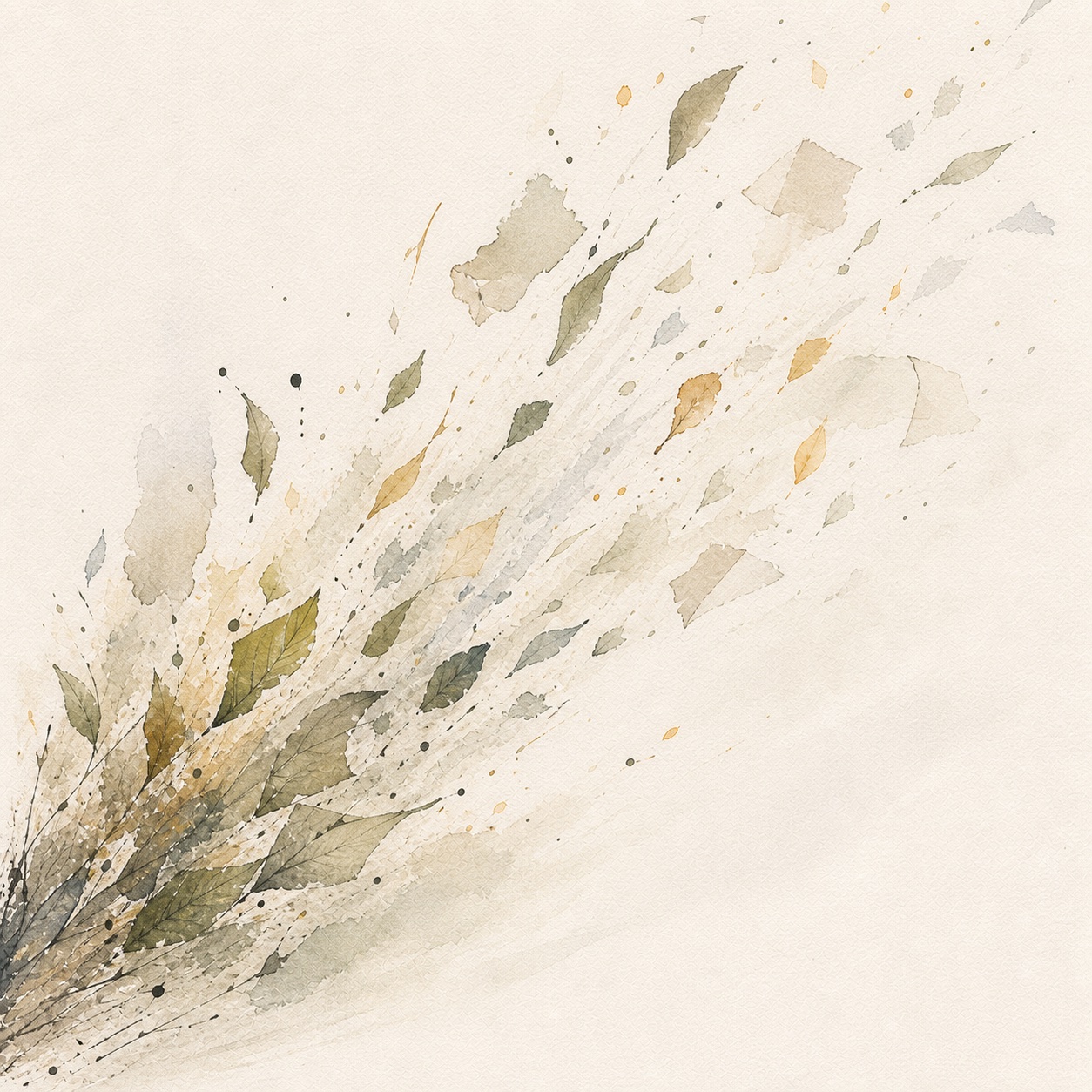
Watercolor illustration of a solitary figure beside a chalk vineyard road in winter

物語の舞台は、1981年1月、フランス・シャンパーニュ地方ランス。27歳になったばかりの男が、手元にあったわずかな持ち物を売り払った。そのなかには、彼が乗っていた愛車のジャガーMK2もあった。彼が手にしたのは、これから自らの手で育てていくメゾンの名前だった。

BRUNO PAILLARD 基本情報

項目 内容
メゾン名 BRUNO PAILLARD
創業 1981年、フランス・ランス
現当主 Alice Paillard(2007年参画、2018年よりCEO)
自社畑 25ha(必要量の約50%をまかなう。89区画・19クリュ、うちグラン・クリュ6/プルミエ・クリュ5を含む)
ドサージュ方針 全ラインが6g/L以下(「Dosage : Zéro」のみ0g/L=無添加)
特徴的な取り組み 1983年より全ボトルの裏ラベルにデゴルジュマン日を記載

第一章 売られたジャガーと、始まりの家

パイヤール家は、300年にわたりシャンパーニュ地方でブドウ栽培と仲介業に携わってきた家系である。そのような家系に、ブルーノ・パイヤールは生まれた。

だが1981年1月、27歳になった彼は、その家業をそのまま継ぐのではなく、自分の名を冠したメゾンをゼロから興す道を選ぶ。創業のための資金には、手元にあったわずかな持ち物を充てた。愛用していたジャガーを手放したのは、このときのことである。

300年続く家系という土台を持ちながら、新しいものを始めるためには、それでも何かを手放さなければならなかった——それが、この物語の始まりである。

第二章 裏ラベルに刻まれた日付

創業から間もない1983年、ブルーノ・パイヤールはひとつの習慣をメゾンに根づかせる。すべてのボトルの裏ラベルに、デゴルジュマン(澱抜き)を行った日付を記載することである。シャンパーニュ地方において、これは先駆的な取り組みだった。

このメゾンのシャンパーニュの多くは、単一のヴィンテージではなく、複数の年のワインをブレンドして造られる。メゾンはこれを「M.V.(マルチ・ヴィンテージ)」と呼ぶ。特定の収穫年を名乗らない代わりに、複数年のブレンドであることを示すための呼称である。

原料には、圧搾のなかでも一番搾り(ファーストプレス)の果汁のみを用いる。

読み方の手がかり①:デゴルジュマン日 ボトル裏のラベルに刻まれた日付は、澱を抜いた作業日を示す。ヴィンテージ年とは異なり、そのボトルがいつセラーから送り出されたかを直接示す情報である。

第三章 記憶の液体

1985年、ブルーノ・パイヤールはもうひとつの仕組みを導入する。毎年、その年のもっとも優れたワインの一部をリザーブとして取り分け、翌年以降のワインに継ぎ足していく——パーペチュアル・リザーブと呼ばれる仕組みである。一度取り分けたワインが失われることはなく、年々そこに新しい年のワインが積み重なっていく。1985年から数えて、この仕組みはすでに40年を超えて続いている。

メゾンはこの仕組みを、公式に「mémoire liquide(記憶の液体)」という言葉で呼んでいる。

読み方の手がかり②:パーペチュアル・リザーブ 毎年のワインの一部を絶やさず継ぎ足していく貯蔵方式。複数年のブレンドでありながら、年を重ねるごとに積み上がった記憶を土台に持つ、という仕組みである。

ギャラリー ラベルに残された言葉

ヴィンテージ・キュヴェには、その年ごとに現代アーティストが手がけるラベルと、テーマとなる一語が添えられる。

2014年ヴィンテージ「Blanc de Blancs 2014」のテーマ語は「Gourmand(食いしん坊)」——ラベルは画家Monique Telloの手による。2015年ヴィンテージ「Assemblage 2015」のテーマ語は「Momentum(勢い)」——ラベルはGérard Titus-Carmelが手がけた。

年号とテーマ語だけを並べても、そこにメゾンの歩みが浮かび上がる。

第四章 娘が継いだもの

2007年、Alice Paillardはメゾンに加わる。そして2018年、彼女はCEOとしてメゾンの舵を取ることになった。

27歳の彼が手放したのは、一台の車だった。数十年を経て、彼の隣にいるのは、その名を託すことのできる娘である。ジャガーの代わりに彼の手元に残ったものが何だったのか——その答えは、いまメゾンを率いる人の名前のなかにある。

キュヴェの読み方

BRUNO PAILLARDのラインナップは、大きく二つの軸で見分けることができる。

ひとつは「M.V.(マルチ・ヴィンテージ)」か「ヴィンテージ」か——複数年のブレンドか、特定の収穫年のワインか、という軸である。もうひとつは「ドサージュ」——澱抜き後に加える糖分の量である。BRUNO PAILLARDでは、この数値がどのキュヴェも6g/L以下に抑えられており、唯一「Dosage : Zéro」のみが無添加(0g/L)で造られる。

以下は、現行9キュヴェの構造上の事実を整理した一覧である。

  1. M.V.

    Première Cuvée Extra-Brut

    ブレンド
    ピノ・ノワール45%/シャルドネ33%/ピノ・ムニエ22%
    ドサージュ
    6g/L未満
    商品プロフィールを見る
  2. M.V.・ロゼ

    Rosé Première Cuvée

    ブレンド
    主体はピノ・ノワール、一部シャルドネ(比率非公開)
    ドサージュ
    6g/L未満
    商品プロフィールを見る
  3. M.V.

    Cuvée 72

    ブレンド
    ムニエ・シャルドネ・ピノ・ノワール(30種以上のワイン、比率非公開)
    ドサージュ
    6g/L未満
    商品プロフィールを見る
  4. M.V.・ブラン・ド・ブラン

    Blanc de Blancs Grand Cru

    ブレンド
    シャルドネ100%
    ドサージュ
    5g/L
    商品プロフィールを見る
  5. ヴィンテージ・ブラン・ド・ブラン

    Blanc de Blancs 2014

    ブレンド
    シャルドネ100%
    ドサージュ
    3g/L
    商品プロフィールを見る
  6. M.V.・ブラン・ド・ノワール

    Blanc de Noirs Grand Cru

    ブレンド
    ピノ・ノワール100%
    ドサージュ
    3g/L
    商品プロフィールを見る
  7. ヴィンテージ

    Assemblage 2015

    ブレンド
    ピノ・ノワール58%/シャルドネ42%
    ドサージュ
    4.5g/L
    商品プロフィールを見る
  8. M.V.(ゼロドサージュ)

    Dosage : Zéro

    ブレンド
    ピノ・ムニエ50%/シャルドネ25%/ピノ・ノワール25%
    ドサージュ
    0g/L(無添加)
    商品プロフィールを見る
  9. ヴィンテージ

    N.P.U. 2009

    ブレンド
    ピノ・ノワール50%/シャルドネ50%
    ドサージュ
    4.5g/L
    商品プロフィールを見る

ラベルを読む3つの手がかり

  1. 裏ラベルの日付は、デゴルジュマンの日付である。 1983年からBRUNO PAILLARDが記載してきた情報であり、そのボトルがいつセラーから送り出されたかを示している。
  2. 「M.V.」は、複数年のワインをブレンドしたことを示す呼称である。 特定の収穫年を名乗らない代わりに使われる。
  3. ヴィンテージ・キュヴェのラベルには、その年のアーティストとテーマ語が添えられる。 年号とテーマ語を並べるだけで、メゾンの歩みをたどることができる。

この3つを知っていれば、BRUNO PAILLARDのボトルは、ラベルの名前以上のもの——決断と忍耐と時間の記録——を語り始める。

出典

最終更新日: 2026-07-23

本ページはシャンパーニュ・メゾンの歴史・製法に関する教育コンテンツです。20歳未満の飲酒は法律で禁じられています。過度の飲酒は健康を害するおそれがあります。

At Twenty-Seven, Why Did He Part With His Beloved Jaguar?

Watercolor illustration of a solitary figure beside a chalk vineyard road in winter

The story begins in January 1981, in Reims, in France’s Champagne region. A man who had just turned twenty-seven sold off the few possessions he owned. Among them was his beloved Jaguar Mk2. What he held instead was the name of a maison he would now build with his own hands.

BRUNO PAILLARD at a Glance

Item Detail
House name BRUNO PAILLARD
Founded 1981, Reims, France
Current Head Alice Paillard (joined the house in 2007; CEO since 2018)
Estate vineyards 25 hectares (supplying roughly 50% of the house’s needs; 89 parcels across 19 crus, including 6 Grand Cru and 5 Premier Cru sites)
Dosage policy All cuvées at 6g/L or below (only “Dosage : Zéro” is at 0g/L, with none added)
House practice Since 1983, every bottle’s back label has stated its disgorgement date

Chapter One: The Jaguar That Was Sold, and the House That Began

The Paillard family had been engaged in grape growing and wine brokerage in Champagne for three hundred years. Into such a family, Bruno Paillard was born.

But in January 1981, at twenty-seven, rather than simply carrying on the family trade, he chose instead to build a house bearing his own name from nothing. To fund its founding, he turned to the few possessions he had. It was at this moment that he parted with the Jaguar he had driven and loved.

Even with the foundation of a three-hundred-year family lineage behind him, starting something new still required letting something go — that is where this story begins.

Chapter Two: The Date Inscribed on the Back Label

In 1983, not long after the house was founded, Bruno Paillard established a practice at the house: stating the date of disgorgement (dégorgement) on the back label of every bottle. In Champagne, the house was among the earliest to adopt such a practice.

Most of the house’s champagnes are made not from a single vintage but by blending wines from several years. The house calls this “M.V. (Multi-Vintage)” — a designation used in place of naming a specific harvest year, indicating that the wine is a blend across multiple years.

Only the juice from the first pressing is used as raw material.

How to Read It, Clue 1: The Disgorgement Date The date inscribed on the back label indicates the day the sediment was removed. Unlike a vintage year, it directly indicates when that particular bottle left the cellar.

Chapter Three: A Liquid Memory

In 1985, Bruno Paillard introduced another system. Each year, a portion of that year’s finest wine is set aside as a reserve and added to the wines of subsequent years — a system known as the Perpetual Reserve. Once set aside, none of that wine is ever lost; each year, new wine is layered on top of what came before. Counting from 1985, this system has now continued for more than forty years.

The house officially refers to this system as mémoire liquide (“liquid memory”).

How to Read It, Clue 2: The Perpetual Reserve A method of storage in which a portion of each year’s wine is continuously added, without interruption. Though a blend of multiple years, it rests on a foundation of accumulated memory, built up year after year.

Gallery: Words Left on the Label

Each vintage cuvée carries a label created by a contemporary artist for that particular year, along with a single word as its theme.

For the 2014 vintage, “Blanc de Blancs 2014,” the theme word is “Gourmand” — its label created by the painter Monique Tello. For the 2015 vintage, “Assemblage 2015,” the theme word is “Momentum” — its label created by Gérard Titus-Carmel.

Simply lining up the years and their theme words traces the house’s journey.

Chapter Four: What the Daughter Inherited

In 2007, Alice Paillard joined the house. And in 2018, she took the helm as its CEO.

What the twenty-seven-year-old had given up was a car. Decades later, beside him stands a daughter to whom that name could be entrusted. What remained in his hands in place of the Jaguar — the answer lies in the name of the person who now leads the house.

How to Read the Cuvées

The BRUNO PAILLARD range can be understood along two main axes.

The first is whether a cuvée is “M.V. (Multi-Vintage)” or “Vintage” — that is, whether it is a blend of multiple years or a wine from a specific harvest year. The second is “dosage” — the amount of sugar added after disgorgement. At BRUNO PAILLARD, this figure is kept at 6g/L or below across every cuvée, with only “Dosage : Zéro” made with none added (0g/L).

Below is a summary of the structural facts for the nine cuvées currently in the range.

  1. M.V.

    Première Cuvée Extra-Brut

    Blend
    Pinot Noir 45% / Chardonnay 33% / Pinot Meunier 22%
    Dosage
    Under 6g/L
    View product profile
  2. M.V., Rosé

    Rosé Première Cuvée

    Blend
    Predominantly Pinot Noir with some Chardonnay (proportions undisclosed)
    Dosage
    Under 6g/L
    View product profile
  3. M.V.

    Cuvée 72

    Blend
    Meunier, Chardonnay, Pinot Noir (a blend of more than 30 wines, proportions undisclosed)
    Dosage
    Under 6g/L
    View product profile
  4. M.V., Blanc de Blancs

    Blanc de Blancs Grand Cru

    Blend
    Chardonnay 100%
    Dosage
    5g/L
    View product profile
  5. Vintage, Blanc de Blancs

    Blanc de Blancs 2014

    Blend
    Chardonnay 100%
    Dosage
    3g/L
    View product profile
  6. M.V., Blanc de Noirs

    Blanc de Noirs Grand Cru

    Blend
    Pinot Noir 100%
    Dosage
    3g/L
    View product profile
  7. Vintage

    Assemblage 2015

    Blend
    Pinot Noir 58% / Chardonnay 42%
    Dosage
    4.5g/L
    View product profile
  8. M.V. (Zero Dosage)

    Dosage : Zéro

    Blend
    Pinot Meunier 50% / Chardonnay 25% / Pinot Noir 25%
    Dosage
    0g/L (none added)
    View product profile
  9. Vintage

    N.P.U. 2009

    Blend
    Pinot Noir 50% / Chardonnay 50%
    Dosage
    4.5g/L
    View product profile

Three Clues for Reading the Label

  1. The date on the back label is the disgorgement date. BRUNO PAILLARD has recorded this information since 1983, and it indicates when that bottle left the cellar.
  2. “M.V.” indicates a blend of wines from multiple years. It is the designation used in place of naming a specific harvest year.
  3. The label of each vintage cuvée carries that year’s artist and theme word. Simply lining up the years and their theme words traces the house’s journey.

Knowing these three points, a bottle of BRUNO PAILLARD begins to speak of something more than a name on a label — it becomes a record of decisions, patience, and time.

Sources

Last Updated: 2026-07-23

This page is educational content about the history and production methods of a Champagne house. Drinking under the age of 20 is prohibited by law. Excessive drinking may be harmful to your health.

เหตุใดชายวัย 27 ปีจึงปล่อยมือจากรถจากัวร์คันโปรดของเขา

Watercolor illustration of a solitary figure beside a chalk vineyard road in winter

เรื่องราวนี้เกิดขึ้นในเดือนมกราคม ปี 1981 ณ เมืองแรงส์ แคว้นช็องปาญ ประเทศฝรั่งเศส ชายหนุ่มวัยเพียง 27 ปีตัดสินใจขายทรัพย์สินเพียงน้อยนิดที่มีอยู่ในมือ หนึ่งในนั้นคือรถยนต์คันโปรดของเขา จากัวร์ รุ่น MK2 (Jaguar MK2) สิ่งที่เขาได้รับกลับมาคือชื่อของเมซง (Maison) ที่เขาจะสร้างขึ้นด้วยมือของเขาเองนับจากนี้

ข้อมูลพื้นฐานของ BRUNO PAILLARD

หัวข้อ รายละเอียด
ชื่อเมซง BRUNO PAILLARD
ก่อตั้ง ปี 1981 ณ เมืองแรงส์ ประเทศฝรั่งเศส
ผู้นำเมซงคนปัจจุบัน Alice Paillard (เข้าร่วมเมซงในปี 2007 และดำรงตำแหน่ง CEO ตั้งแต่ปี 2018)
ไร่องุ่นของตนเอง 25 เฮกตาร์ (ครอบคลุมประมาณ 50% ของปริมาณที่ต้องการใช้ ประกอบด้วย 89 แปลง ใน 19 ครู (Cru) ซึ่งในจำนวนนี้มี Grand Cru 6 แปลง และ Premier Cru 5 แปลง)
แนวทางการใส่โดซาจ (Dosage) ทุกไลน์อยู่ที่ 6 กรัม/ลิตรหรือต่ำกว่า (มีเพียง “Dosage : Zéro” เท่านั้นที่ 0 กรัม/ลิตร คือไม่มีการเติมน้ำตาลเลย)
แนวปฏิบัติเฉพาะของเมซง ตั้งแต่ปี 1983 เป็นต้นมา มีการระบุวันที่ทำ Dégorgement ไว้บนฉลากด้านหลังของทุกขวด

บทที่หนึ่ง จากัวร์ที่ถูกขาย และจุดเริ่มต้นของตระกูล

ตระกูล Paillard คือตระกูลที่คลุกคลีอยู่กับการปลูกองุ่นและธุรกิจนายหน้าค้าไวน์ในแคว้นช็องปาญมาเป็นเวลากว่า 300 ปี บรูโน ปายาร์ (Bruno Paillard) ถือกำเนิดขึ้นในตระกูลเช่นนี้เอง

แต่ในเดือนมกราคม ปี 1981 เมื่อมีอายุ 27 ปี เขาเลือกเส้นทางที่ต่างออกไปจากการสืบทอดธุรกิจครอบครัวตามเดิม นั่นคือการก่อตั้งเมซงในนามของตนเองขึ้นมาใหม่ตั้งแต่ศูนย์ เงินทุนสำหรับการก่อตั้งนั้นมาจากทรัพย์สินเพียงน้อยนิดที่เขามีอยู่ในมือ และนี่คือช่วงเวลาที่เขาตัดสินใจปล่อยมือจากรถจากัวร์คันโปรดของเขาไป

แม้จะมีรากฐานของตระกูลที่สืบทอดกันมายาวนานถึง 300 ปี แต่การเริ่มต้นสิ่งใหม่ก็ยังจำเป็นต้องแลกด้วยการปล่อยวางบางสิ่งไปอยู่ดี นี่คือจุดเริ่มต้นของเรื่องราวทั้งหมด

บทที่สอง วันที่ที่จารึกไว้บนฉลากด้านหลัง

ในปี 1983 ไม่นานหลังก่อตั้งเมซง บรูโน ปายาร์ได้ปลูกฝังธรรมเนียมหนึ่งให้กับเมซงของเขา นั่นคือการระบุวันที่ทำ Dégorgement (การกำจัดตะกอน) ไว้บนฉลากด้านหลังของทุกขวด ซึ่งถือเป็นหนึ่งในแนวทางแรก ๆ ที่ริเริ่มขึ้นในแคว้นช็องปาญ

แชมเปญส่วนใหญ่ของเมซงแห่งนี้ไม่ได้ผลิตจากไวน์ปีเดียว แต่เป็นการผสมผสานไวน์จากหลายปีเข้าด้วยกัน ทางเมซงเรียกแนวทางนี้ว่า “M.V. (Multi-Vintage)” ซึ่งเป็นคำเรียกที่ใช้แทนการระบุปีเก็บเกี่ยวปีใดปีหนึ่งโดยเฉพาะ เพื่อบ่งบอกว่าเป็นการผสมผสานจากหลายปี

วัตถุดิบที่ใช้มีเพียงน้ำองุ่นจากการคั้นครั้งแรก (First Press) เท่านั้น

เคล็ดลับการอ่านฉลากที่ 1: วันที่ทำ Dégorgement วันที่จารึกไว้บนฉลากด้านหลังขวดคือวันที่ทำการกำจัดตะกอน ซึ่งแตกต่างจากปีวินเทจ โดยเป็นข้อมูลที่บ่งบอกโดยตรงว่าขวดนั้นถูกส่งออกจากห้องเก็บไวน์เมื่อใด

บทที่สาม ของเหลวแห่งความทรงจำ

ในปี 1985 บรูโน ปายาร์ได้นำระบบอีกอย่างหนึ่งมาใช้ นั่นคือการคัดแยกไวน์ส่วนที่ดีที่สุดของแต่ละปีเก็บไว้เป็น “รีเสิร์ฟ” แล้วค่อย ๆ เติมลงไปในไวน์ของปีถัดไปเรื่อยมา ระบบนี้เรียกว่า Perpetual Reserve ไวน์ที่ถูกคัดแยกไว้ครั้งหนึ่งจะไม่มีวันสูญหายไป แต่จะถูกสะสมเพิ่มพูนด้วยไวน์ของปีใหม่ในทุก ๆ ปี นับตั้งแต่ปี 1985 จนถึงปัจจุบัน ระบบนี้ดำเนินมาแล้วกว่า 40 ปี

ทางเมซงเรียกระบบนี้อย่างเป็นทางการว่า “mémoire liquide” หรือ “ของเหลวแห่งความทรงจำ”

เคล็ดลับการอ่านฉลากที่ 2: Perpetual Reserve วิธีการเก็บรักษาที่นำไวน์ส่วนหนึ่งของแต่ละปีมาเติมต่อกันอย่างไม่ขาดสาย แม้จะเป็นการผสมผสานจากหลายปี แต่ก็เป็นระบบที่มีรากฐานมาจากความทรงจำที่สั่งสมเพิ่มพูนขึ้นทุกปี

แกลเลอรี ถ้อยคำที่หลงเหลืออยู่บนฉลาก

สำหรับคูเว่ (Cuvée) ประเภทวินเทจ แต่ละปีจะมีศิลปินร่วมสมัยเป็นผู้ออกแบบฉลาก พร้อมกับคำสำคัญหนึ่งคำที่สื่อถึงธีมของปีนั้น

วินเทจปี 2014 คูเว่ “Blanc de Blancs 2014” มีคำธีมว่า “Gourmand” (ผู้รักการกิน) ฉลากออกแบบโดยจิตรกร Monique Tello ส่วนวินเทจปี 2015 คูเว่ “Assemblage 2015” มีคำธีมว่า “Momentum” ฉลากออกแบบโดย Gérard Titus-Carmel

เพียงเรียงลำดับปีและคำธีมเข้าด้วยกัน ก็ทำให้มองเห็นเส้นทางที่เมซงแห่งนี้ได้ก้าวเดินผ่านมา

บทที่สี่ สิ่งที่ลูกสาวได้สืบทอด

ในปี 2007 Alice Paillard เข้าร่วมงานกับเมซง และในปี 2018 เธอได้เข้ารับตำแหน่ง CEO เป็นผู้นำพาเมซงแห่งนี้ต่อไป

สิ่งที่ชายวัย 27 ปีปล่อยมือไปในวันนั้นคือรถยนต์เพียงคันเดียว หลายสิบปีผ่านไป ผู้ที่อยู่เคียงข้างเขาในวันนี้คือลูกสาวผู้ที่เขาสามารถฝากฝังชื่อของตระกูลไว้ได้ ส่วนสิ่งที่หลงเหลืออยู่ในมือของเขาแทนที่รถจากัวร์คันนั้นคืออะไร คำตอบอยู่ในชื่อของผู้ที่นำพาเมซงแห่งนี้อยู่ในขณะนี้

วิธีอ่านคูเว่ต่าง ๆ

ไลน์ผลิตภัณฑ์ของ BRUNO PAILLARD สามารถจำแนกได้จากสองแกนหลัก

แกนแรกคือความแตกต่างระหว่าง “M.V. (Multi-Vintage)” กับ “Vintage” นั่นคือเป็นการผสมผสานจากหลายปี หรือเป็นไวน์จากปีเก็บเกี่ยวปีใดปีหนึ่งโดยเฉพาะ ส่วนอีกแกนหนึ่งคือ “โดซาจ (Dosage)” หรือปริมาณน้ำตาลที่เติมภายหลังการกำจัดตะกอน สำหรับ BRUNO PAILLARD ตัวเลขนี้ถูกควบคุมให้อยู่ที่ 6 กรัม/ลิตรหรือต่ำกว่าในทุกคูเว่ โดยมีเพียง “Dosage : Zéro” เท่านั้นที่ผลิตโดยไม่มีการเติมน้ำตาลเลย (0 กรัม/ลิตร)

ด้านล่างนี้คือตารางสรุปข้อมูลเชิงโครงสร้างของคูเว่ทั้ง 9 รายการที่มีอยู่ในปัจจุบัน

  1. M.V.

    Première Cuvée Extra-Brut

    สัดส่วนองุ่น
    ปิโนต์ นัวร์ 45% / ชาร์ดอนเนย์ 33% / ปิโนต์ มูนิเยร์ 22%
    โดซาจ
    ต่ำกว่า 6 กรัม/ลิตร
    ดูข้อมูลผลิตภัณฑ์
  2. M.V. โรเซ่

    Rosé Première Cuvée

    สัดส่วนองุ่น
    หลักเป็นปิโนต์ นัวร์ ผสมชาร์ดอนเนย์บางส่วน (ไม่เปิดเผยสัดส่วน)
    โดซาจ
    ต่ำกว่า 6 กรัม/ลิตร
    ดูข้อมูลผลิตภัณฑ์
  3. M.V.

    Cuvée 72

    สัดส่วนองุ่น
    มูนิเยร์ ชาร์ดอนเนย์ ปิโนต์ นัวร์ (ไวน์กว่า 30 ชนิด ไม่เปิดเผยสัดส่วน)
    โดซาจ
    ต่ำกว่า 6 กรัม/ลิตร
    ดูข้อมูลผลิตภัณฑ์
  4. M.V. บลอง เดอ บลอง

    Blanc de Blancs Grand Cru

    สัดส่วนองุ่น
    ชาร์ดอนเนย์ 100%
    โดซาจ
    5 กรัม/ลิตร
    ดูข้อมูลผลิตภัณฑ์
  5. วินเทจ บลอง เดอ บลอง

    Blanc de Blancs 2014

    สัดส่วนองุ่น
    ชาร์ดอนเนย์ 100%
    โดซาจ
    3 กรัม/ลิตร
    ดูข้อมูลผลิตภัณฑ์
  6. M.V. บลอง เดอ นัวร์

    Blanc de Noirs Grand Cru

    สัดส่วนองุ่น
    ปิโนต์ นัวร์ 100%
    โดซาจ
    3 กรัม/ลิตร
    ดูข้อมูลผลิตภัณฑ์
  7. วินเทจ

    Assemblage 2015

    สัดส่วนองุ่น
    ปิโนต์ นัวร์ 58% / ชาร์ดอนเนย์ 42%
    โดซาจ
    4.5 กรัม/ลิตร
    ดูข้อมูลผลิตภัณฑ์
  8. M.V. (ซีโร่โดซาจ)

    Dosage : Zéro

    สัดส่วนองุ่น
    ปิโนต์ มูนิเยร์ 50% / ชาร์ดอนเนย์ 25% / ปิโนต์ นัวร์ 25%
    โดซาจ
    0 กรัม/ลิตร (ไม่เติมน้ำตาล)
    ดูข้อมูลผลิตภัณฑ์
  9. วินเทจ

    N.P.U. 2009

    สัดส่วนองุ่น
    ปิโนต์ นัวร์ 50% / ชาร์ดอนเนย์ 50%
    โดซาจ
    4.5 กรัม/ลิตร
    ดูข้อมูลผลิตภัณฑ์

สามเคล็ดลับสำหรับการอ่านฉลาก

  1. วันที่บนฉลากด้านหลังคือวันที่ทำ Dégorgement ข้อมูลนี้ BRUNO PAILLARD บันทึกไว้มาตั้งแต่ปี 1983 และบ่งบอกว่าขวดนั้นถูกส่งออกจากห้องเก็บไวน์เมื่อใด
  2. “M.V.” คือคำเรียกที่บ่งบอกว่าเป็นการผสมผสานไวน์จากหลายปี เป็นคำเรียกที่ใช้แทนการระบุปีเก็บเกี่ยวปีใดปีหนึ่งโดยเฉพาะ
  3. ฉลากของคูเว่ประเภทวินเทจจะมีชื่อศิลปินและคำธีมของปีนั้นกำกับไว้ เพียงเรียงลำดับปีและคำธีมเข้าด้วยกัน ก็สามารถย้อนรอยเส้นทางของเมซงแห่งนี้ได้

เพียงรู้เคล็ดลับทั้งสามข้อนี้ ก็จะสามารถอ่านเรื่องราวเบื้องหลังฉลากของ BRUNO PAILLARD ได้ลึกซึ้งยิ่งขึ้น — ในฐานะบันทึกแห่งการตัดสินใจ ความอดทน และกาลเวลา

แหล่งอ้างอิง

ปรับปรุงล่าสุด: 23 กรกฎาคม 2026

หน้านี้เป็นเนื้อหาเพื่อการศึกษาเกี่ยวกับประวัติศาสตร์และกรรมวิธีการผลิตของเมซงแชมเปญ ห้ามจำหน่ายและบริโภคเครื่องดื่มแอลกอฮอล์แก่ผู้มีอายุต่ำกว่า 20 ปีตามกฎหมาย การบริโภคเครื่องดื่มแอลกอฮอล์มากเกินไปอาจเป็นอันตรายต่อสุขภาพ

Age Verification

This website contains information about alcoholic beverages and is intended for audiences aged 20 and above. Please confirm your age to continue.