
FEATURENOGUCHI NAOHIKO SAKE INSTITUTE, ISHIKAWA
Toward a National Treasure
Naohiko Noguchi and Five Bottles
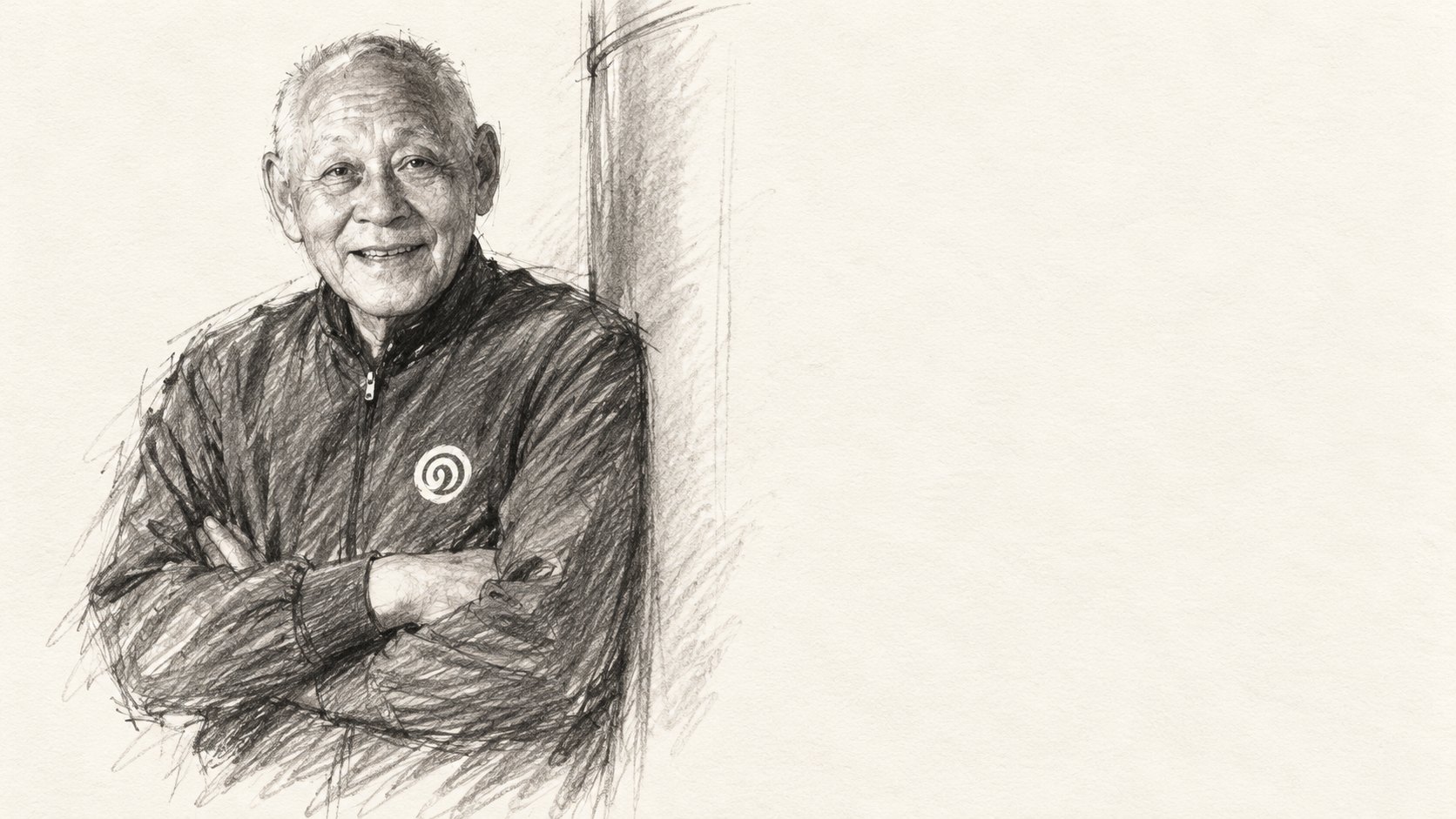
On October 16, 2026, Japan’s Council for Cultural Affairs recommended to the Minister of Education, Culture, Sports, Science and Technology that the sake-brewing craft “ginjo-zukuri” be designated an Important Intangible Cultural Property, and that Naohiko Noguchi, a toji (master brewer) from Ishikawa Prefecture, be certified as its holder. Such a holder of an Important Intangible Cultural Property is commonly known as a “Living National Treasure.” Noguchi is 93. This is the first time holders are selected in the field of “lifestyle culture,” the culture passed down within everyday living.
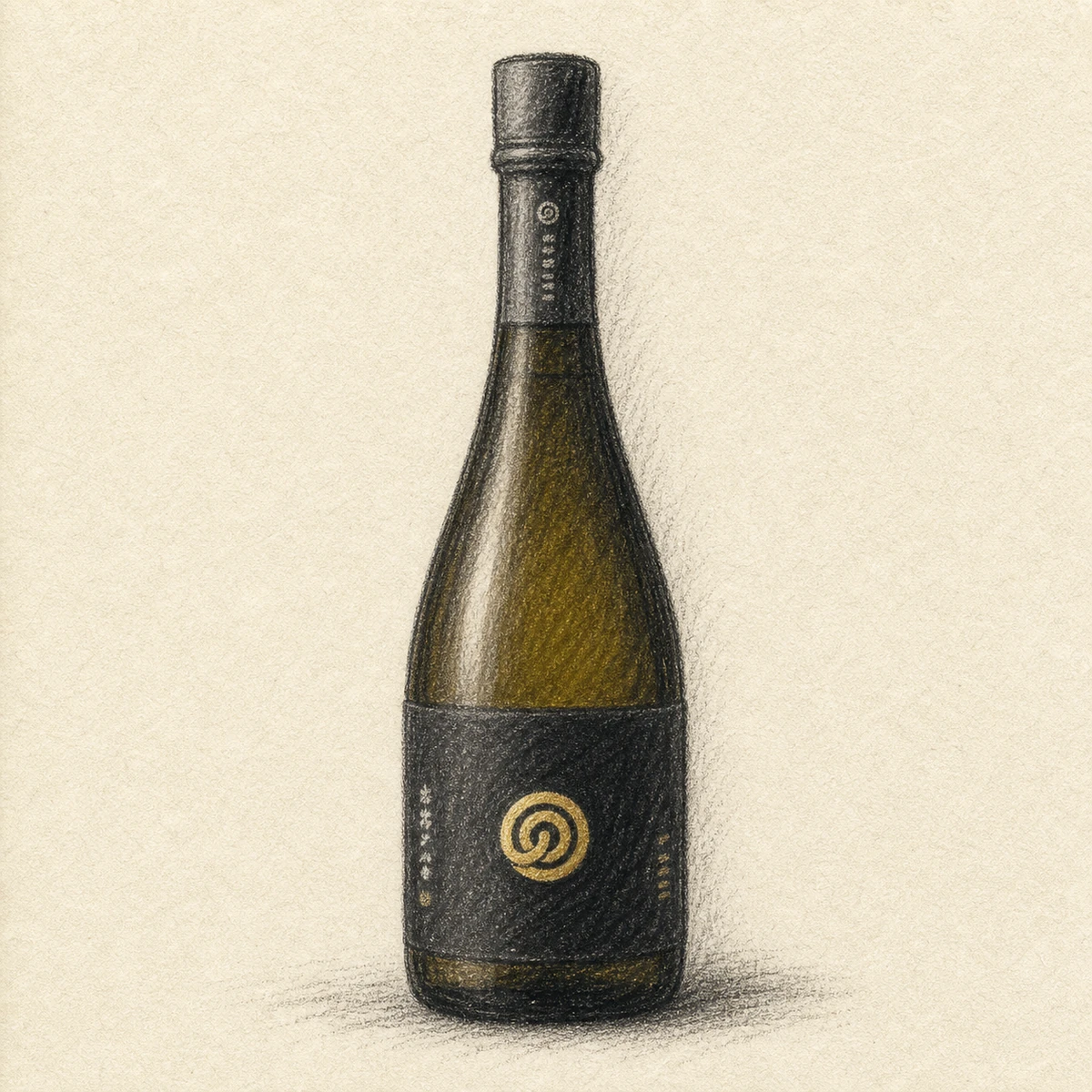
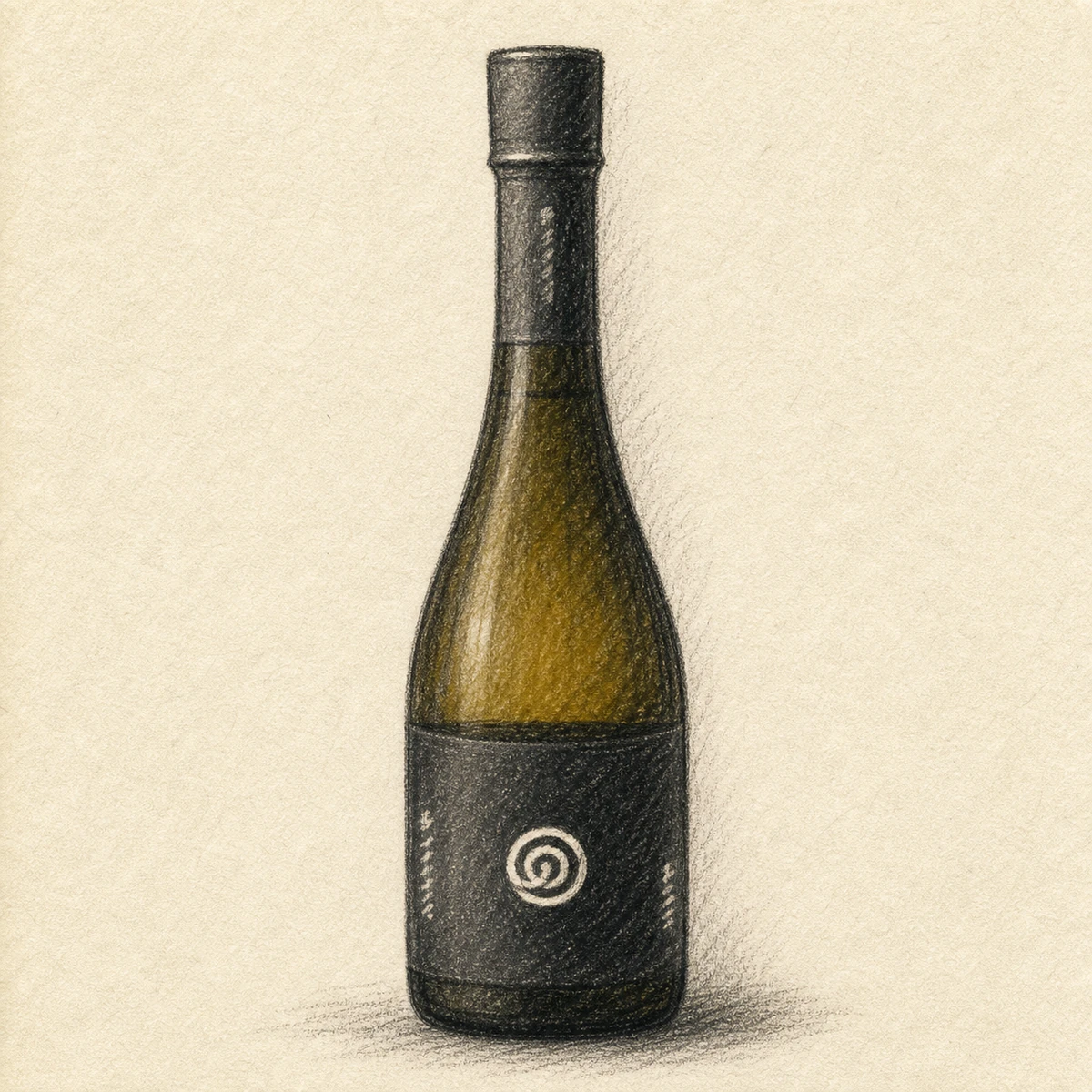
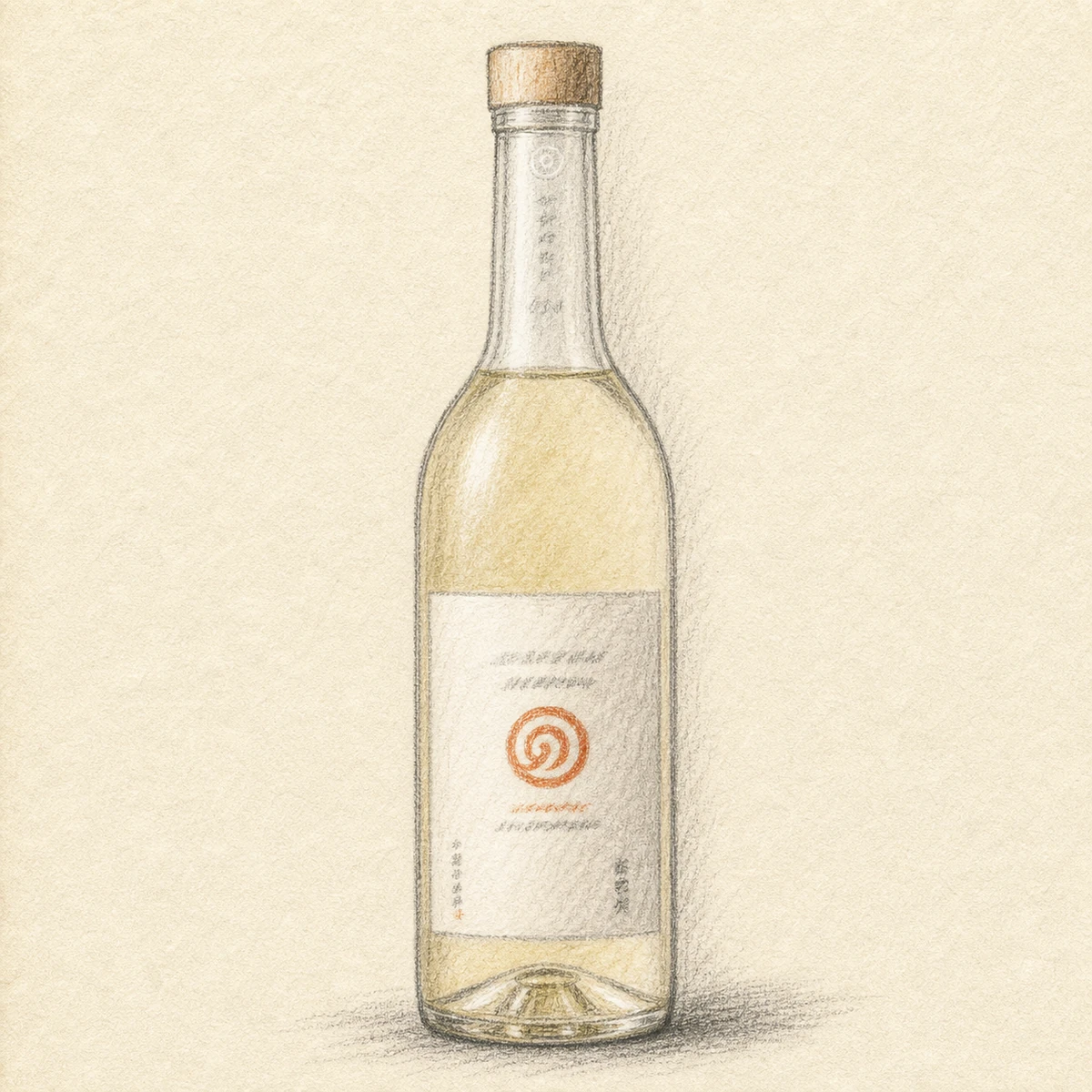
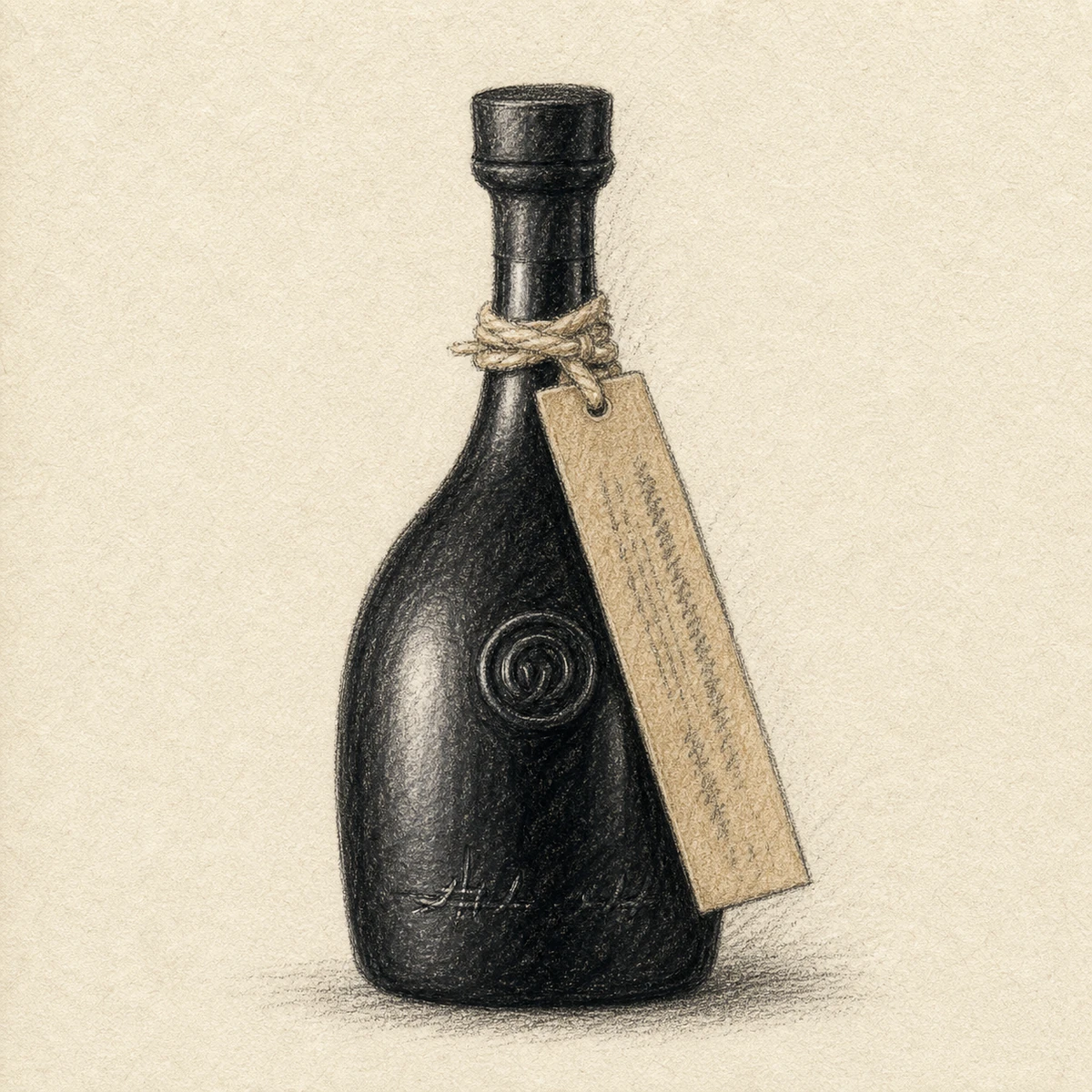
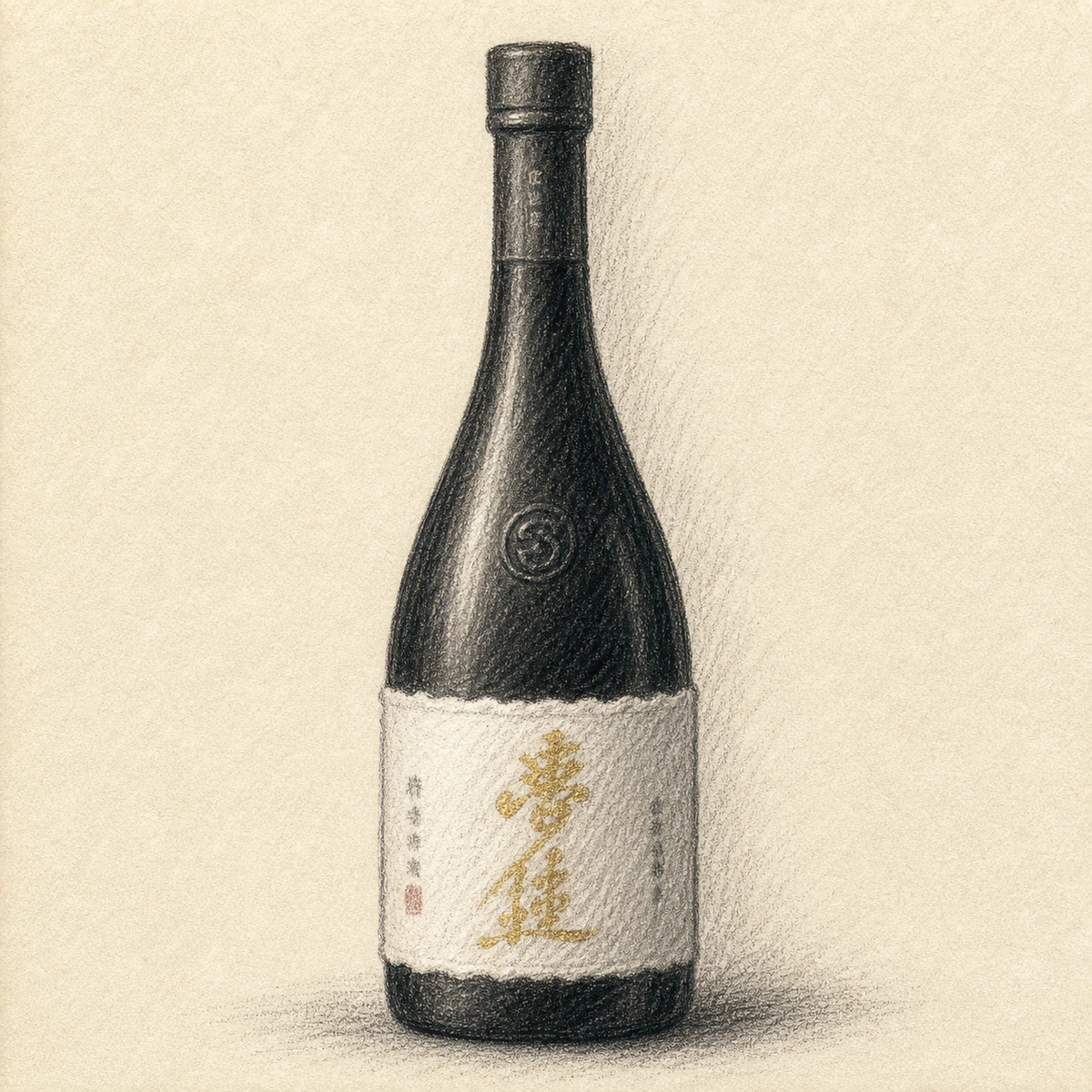
Illustrations only, not photographs of the actual person or products. Shape, colour and label may differ. For information only; not intended to encourage the purchase or consumption of alcohol.
Is it the person that the nation seeks to protect? Or is it the craft? And where, in a single bottle, can that craft be seen?
The Craft First, the Person After
Under the system for Important Intangible Cultural Properties, the craft worth preserving is designated first, and a person who has mastered it at a high level is then certified as its holder. The Agency for Cultural Affairs describes ginjo-zukuri as the craft of making ginjo-shu, sake that pursues taste and aroma “without sparing effort or ingredients”.
Sake was refined over a long period, and in the course of that refinement it became clear that how far the rice is polished is deeply connected to the quality of the sake. The Agency records that this craft was established as rice-polishing machines developed in the modern era.
The Agency then names Noguchi as one of those who contributed to driving the ginjo-shu boom from 1975 onward, and as a person who trained many toji. The details of the system are summarized in the related articles below.
Setting Aside His Own Preference
In his first year as toji, at 28, Noguchi brewed the light, clean style of sake he had learned where he trained. The answer from the local customers: “This stuff ain’t fit to drink.” Noguchi says that at that moment he realized, “I must not make sake from my own ideas”.
His creed ever since has been to make the sake that the people who drink it are looking for. Noguchi acknowledges that he is a geko, someone who cannot drink, and he does not normally drink. “Maybe it’s a taste I could make because I was a non-drinker,” he says. He says he hears the impressions of those who drank the sake at the shop attached to the brewery and when visiting customers. Noguchi has also spoken himself of learning yamahai brewing, which was being lost, and of taking ten years to stabilize a rich, full-bodied, umami-driven style of sake.
Retiring at 82, Returning at 84
In his own words, he served as toji at three breweries and, at 82, made his “third retirement”.
During the two years he spent at home, he felt his body “aging more and more.” Then an invitation arrived to brew sake once again. His family was strongly against it. Even so, Noguchi decided that “my livelihood is, after all, sake brewing,” and, remembering the faces of the people who had liked his sake, chose to return.
In 2017, at 84, he became toji of Noguchi Naohiko Sake Institute, at a newly built brewery in Kannonshita, Komatsu, Ishikawa Prefecture. On the origin of the name, he says it is so that young people who want to take up sake brewing can learn his skills in full.
Five Bottles, Five Choices
Back to the opening question. What was recommended for designation is the craft. And that craft shows up in each bottle as a different choice. Here are five bottles from the Institute that BG handles, arranged by those choices.
Polish
Junmai-Daiginjo Yamadanishiki 2019
Yamadanishiki from Tojo, Hyogo Prefecture, polished to 50%, with no filtration, no pasteurization and no added water, then aged for more than three years at ice-point temperature inside the brewery. Aromas reminiscent of lychee and pineapple, with caramel and vanilla nuances from aging alongside.
Do Not Over-Polish
Junmai Non-filter Nama-Genshu 2024
Gohyakumangoku from Komatsu, kept at 60% to leave the body of the rice. An unfiltered, unpasteurized, undiluted junmai. It speaks through concentrated umami, bright acidity and a clean, crisp finish rather than a lavish aroma.
Leave It to Time
Junmai-Ginjo Non-filter Nama-Genshu Gohyakumangoku 2019
Organically grown Gohyakumangoku from Komatsu, kept as unpasteurized sake at ice-point temperature for about three years. Young aromas reminiscent of green apple and citrus coexist in one bottle with a toasty, custard-like note of aging.
Select
NOGUCHI NAOHIKO 01 2019
A 770 ml bottle: Noguchi himself chose one tank from among several 2019 tanks and bottled it without blending it with the others. Aromas reminiscent of peach and acacia honey, with a long, clear finish.
Layer
Yume Zukuri (夢造)
A bottle born from a wish for the recovery of Noto. From yamahai genshu of five varieties of sake rice across seven years of vintages, nine were chosen and layered together with master blender Seiichi Koshimizu. How it came about is told in the related article “Yumezukuri (夢造)” below.
Polishing, not over-polishing, waiting, selecting, layering: each is a different choice within the sake brewing of one and the same Institute. What was recommended for designation is the craft itself, not an appraisal of each bottle.
For Those at the Counter: Points of Reference
※ Set out for professionals who serve sake. Drawn from each product page; these are not the brewery’s recommendations, and nothing here is meant to encourage drinking.
- Storage The product pages state storage at 5°C or below for four of the bottles, all except Yume Zukuri.
- How the aroma presents Junmai-Daiginjo 2019 has its aroma at the front. Junmai 2024 shows umami and acidity more than aroma. Junmai-Ginjo 2019 shows the toasty notes of aging. 01 2019 has aromas reminiscent of peach and acacia honey, with a long finish. The product page states that Yume Zukuri changes its character with temperature.
- Temperature For 01 2019 and Yume Zukuri, the product pages list the changes from chilled through room temperature to warmed (nurukan). For Junmai 2024, 8 to 12°C is a guide.
- How the five relate Junmai-Daiginjo 2019 and Junmai 2024 correspond to two choices of the same toji, “polish” and “do not over-polish.”
- If asked about the Living National Treasure As of October 16, 2026, this is the stage of a “recommendation” that he be certified. The formal designation and certification are made by the Minister of Education, Culture, Sports, Science and Technology.
In the announcement from the brewery after the recommendation, the 93-year-old toji said, “My own dream is still only partway along the road”. The craft recommended as a national treasure continues today in the Komatsu brewery, toward the next bottle.
The statements on this page are based on the press release of Japan’s Agency for Cultural Affairs, published interviews with Naohiko Noguchi, materials from the Noguchi Naohiko Sake Institute, and Bacchus Global’s product pages. As of October 18, 2026, the designation and certification are at the recommendation stage. The page does not rank the five bottles against one another, nor against any other producer’s product.
This page is educational content about the world’s culinary and drinking culture. Alcohol is for persons of legal drinking age only. Excessive drinking is harmful to your health.
FEATURENOGUCHI NAOHIKO SAKE INSTITUTE, ISHIKAWA
ฝีมือสู่สมบัติของชาติ
Noguchi Naohiko กับขวดทั้งห้า
เมื่อวันที่ 16 ตุลาคม 2026 สภากิจการวัฒนธรรมของญี่ปุ่นได้ยื่นข้อเสนอต่อรัฐมนตรีว่าการกระทรวงศึกษาธิการ วัฒนธรรม กีฬา วิทยาศาสตร์และเทคโนโลยี ให้กำหนด “กินโจซึคุริ” (吟醸造り) ซึ่งเป็นวิธีการผลิตสาเก เป็นสมบัติทางวัฒนธรรมที่จับต้องไม่ได้ที่สำคัญ และให้รับรองคุณ Noguchi Naohiko โทจิ (หัวหน้าผู้ผลิตสาเก) จากจังหวัดอิชิกาวะ เป็นผู้สืบทอด ผู้สืบทอดประเภทนี้ในญี่ปุ่นเรียกกันทั่วไปว่า “สมบัติมีชีวิตของชาติ” คุณ Noguchi อายุ 93 ปี และนี่เป็นครั้งแรกที่มีการเสนอผู้สืบทอดในหมวด “วัฒนธรรมวิถีชีวิต” ซึ่งหมายถึงวัฒนธรรมที่สืบทอดกันมาในชีวิตประจำวัน
Illustrations only, not photographs of the actual person or products. Shape, colour and label may differ. For information only; not intended to encourage the purchase or consumption of alcohol.
สิ่งที่รัฐต้องการคุ้มครองคือตัวบุคคล หรือคือทักษะกันแน่ และทักษะนั้นปรากฏอยู่ตรงไหนในขวดหนึ่งขวด
ทักษะมาก่อน บุคคลตามมา
ในระบบสมบัติทางวัฒนธรรมที่จับต้องไม่ได้ที่สำคัญ รัฐจะกำหนด “ทักษะ” ที่ควรคุ้มครองก่อน แล้วจึงรับรองบุคคลที่ฝึกฝนทักษะนั้นจนถึงระดับสูงให้เป็นผู้สืบทอด สำนักงานกิจการวัฒนธรรมอธิบายกินโจซึคุริว่าเป็นทักษะในการผลิตสาเกกินโจ ที่มุ่งแสวงหารสชาติและกลิ่นหอม โดย “ทุ่มเททั้งแรงงานและวัตถุดิบอย่างไม่ตระหนี่”
สาเกได้รับการปรับปรุงมาอย่างยาวนาน และในกระบวนการนั้น ผู้ผลิตค้นพบว่าระดับการขัดข้าวมีความเกี่ยวข้องอย่างใกล้ชิดกับลักษณะของสาเก สำนักงานฯ บันทึกไว้ว่า ทักษะนี้พัฒนาจนเป็นแบบแผนเมื่อเครื่องขัดข้าวพัฒนาขึ้นในยุคสมัยใหม่
จากนั้น สำนักงานกิจการวัฒนธรรมระบุว่าคุณ Noguchi เป็นหนึ่งในผู้มีคุณูปการที่ผลักดันกระแสสาเกกินโจตั้งแต่ช่วงปีโชวะที่ 50–59 (ค.ศ. 1975–1984) เป็นต้นมา และเป็นผู้ที่ฝึกสอนโทจิจำนวนมากให้เติบโตขึ้น คำอธิบายรายละเอียดของระบบนี้ รวบรวมไว้ในบทความที่เกี่ยวข้องด้านล่างแล้ว
ละทิ้งรสนิยมของตนเอง
ในปีแรกที่ขึ้นเป็นโทจิตอนอายุ 28 ปี คุณ Noguchi ผลิตสาเกที่มีรสเบาและสะอาด ที่ร่ำเรียนมาจากที่ฝึกงาน คำตอบจากลูกค้าในท้องถิ่นคือ “ดื่มไม่ลงเลย” คุณ Noguchi เล่าว่าเมื่อถึงตอนนั้นเองที่เขาตระหนักว่า “ไม่ควรผลิตสาเกตามความคิดของตัวเอง”
นับจากนั้น หลักยึดของเขาคือผลิตสาเกที่ผู้ดื่มต้องการ คุณ Noguchi ยอมรับว่าตนเองคออ่อน (ดื่มแอลกอฮอล์ไม่ไหว) และตามปกติไม่ดื่มสาเก เขากล่าวว่า “บางทีเพราะผมคออ่อน จึงสร้างรสชาตินี้ขึ้นมาได้” เขาเล่าว่าได้ฟังความเห็นของผู้ดื่มที่ร้านซึ่งตั้งอยู่ติดกับโรงผลิตสาเก และระหว่างไปพบลูกค้า คุณ Noguchi ยังเล่าด้วยตนเองว่า เขาเรียนรู้วิธีการผลิตแบบยามาไฮที่กำลังเลือนหายไป และใช้เวลาสิบปีจนสามารถผลิตสาเกรสเข้มข้นกลมกล่อมแบบอุมามิได้อย่างสม่ำเสมอ
เกษียณตอนอายุ 82 ปี กลับมาตอนอายุ 84 ปี
ตามคำของเขาเอง คุณ Noguchi เป็นโทจิของโรงผลิตสาเกสามแห่ง และ “เกษียณครั้งที่ 3” เมื่ออายุ 82 ปี
เขาเล่าว่าตลอดสองปีที่อยู่บ้าน รู้สึกว่าร่างกาย “แก่ลงเรื่อย ๆ” ในช่วงนั้นมีคำชวนให้กลับมาผลิตสาเกอีกครั้ง ครอบครัวคัดค้านอย่างหนัก แต่คุณ Noguchi ตัดสินใจว่า “อาชีพของผมก็คือการผลิตสาเก” และนึกถึงใบหน้าของผู้ที่ชื่นชอบสาเกของเขา แล้วเลือกที่จะกลับมา
ในปี 2017 เมื่ออายุ 84 ปี เขาได้เป็นโทจิของ Noguchi Naohiko Sake Institute ซึ่งเป็นโรงผลิตสาเกที่สร้างขึ้นใหม่ที่ Kannonshita เมืองโคมัตสึ จังหวัดอิชิกาวะ ส่วนที่มาของชื่อ เขากล่าวว่าเพื่อให้คนหนุ่มสาวที่อยากก้าวเข้าสู่เส้นทางการผลิตสาเก ได้เรียนรู้เทคนิคของเขาอย่างครบถ้วน
ห้าทางเลือก ที่ปรากฏในขวดทั้งห้า
กลับมาที่คำถามตอนต้น สิ่งที่ได้รับการเสนอให้กำหนดเป็นสมบัติทางวัฒนธรรมคือทักษะ และทักษะนั้นปรากฏในแต่ละขวดเป็นทางเลือกที่แตกต่างกันไป ต่อไปนี้คือห้าขวดของ Noguchi Naohiko Sake Institute ที่ BG จำหน่าย เรียงตามทางเลือกเหล่านั้น
ขัดเกลา
Junmai-Daiginjo Yamadanishiki 2019
ใช้ Yamada Nishiki จากโทโจ จังหวัดเฮียวโงะ ขัดข้าวเหลือ 50% ไม่ผ่านการกรอง ไม่ผ่านการให้ความร้อน และไม่เติมน้ำ บ่มในโรงผลิตสาเกที่อุณหภูมิใกล้จุดเยือกแข็งนานกว่าสามปี กลิ่นชวนให้นึกถึงลิ้นจี่และสับปะรด พร้อมกลิ่นที่ชวนให้นึกถึงคาราเมลและวานิลลาจากการบ่ม
ไม่ขัดจนเกินไป
Junmai Non-filter Nama-Genshu 2024
ใช้ Gohyakumangoku จากโคมัตสึ ขัดเหลือ 60% เท่านั้น คงความเข้มข้นของรสชาติจากข้าวไว้ เป็นจุนไมแบบมุโรกะ นามะเก็นชู บอกเล่าผ่านรสอุมามิที่เข้มข้น ความเปรี้ยวที่สดใส และรสท้ายที่จบอย่างสะอาด มากกว่ากลิ่นหอมฟุ้ง
มอบให้กับเวลา
Junmai-Ginjo Non-filter Nama-Genshu Gohyakumangoku 2019
ใช้ Gohyakumangoku ที่ปลูกแบบออร์แกนิกในเมืองโคมัตสึ บ่มทั้งที่เป็นนามะซาเกะที่อุณหภูมิใกล้จุดเยือกแข็งประมาณสามปี กลิ่นสดใหม่ที่ชวนให้นึกถึงแอปเปิลเขียวและผลไม้ตระกูลส้ม กับกลิ่นหอมของการบ่มคล้ายคัสตาร์ด อยู่รวมกันในขวดเดียว
คัดเลือก
NOGUCHI NAOHIKO 01 2019
คุณ Noguchi เลือกหนึ่งถังจากหลายถังของปี 2019 ด้วยตนเอง และบรรจุขวดขนาด 770 ml โดยไม่ผสมกับถังอื่น กลิ่นชวนให้นึกถึงลูกพีชและน้ำผึ้งดอกอะเคเชีย มีรสท้ายที่สะอาดและคงอยู่นาน
ผสาน
Yume Zukuri (夢造)
ขวดที่เกิดจากความตั้งใจเพื่อการฟื้นฟูโนโตะ คัดเลือกสาเกเก็นชูแบบยามาไฮเก้ารายการ จากสาเกที่ผลิตด้วยข้าวสาเกห้าสายพันธุ์และมีวินเทจครอบคลุมเจ็ดปี แล้วนำมาผสมผสานร่วมกับคุณ Seiichi Koshimizu มาสเตอร์เบลนเดอร์ ที่มาของขวดนี้เขียนไว้ในบทความที่เกี่ยวข้องด้านล่าง “Yumezukuri (夢造)”
การขัด การไม่ขัดจนเกินไป การรอคอย การคัดเลือก และการผสาน ล้วนเป็นทางเลือกที่แตกต่างกันภายในการผลิตสาเกของสถาบันเดียวกัน ข้อเสนอนี้มุ่งให้กำหนดตัวทักษะนั้นเอง ไม่ใช่การประเมินสาเกแต่ละขวด
สำหรับผู้ที่ยืนประจำเคาน์เตอร์ ― ข้อมูลเพื่อประกอบการตัดสินใจ
※ เนื้อหาส่วนนี้จัดทำสำหรับผู้ที่ทำงานกับสาเกในเชิงวิชาชีพ อ้างอิงจากหน้าสินค้าแต่ละรายการ ไม่ใช่คำแนะนำจากโรงสาเก และไม่มีเจตนาส่งเสริมการดื่ม
- การเก็บรักษา หน้าสินค้าระบุให้เก็บที่อุณหภูมิไม่เกิน 5℃ สำหรับสี่ขวด ยกเว้น Yume Zukuri
- ลักษณะกลิ่น Junmai-Daiginjo 2019 มีกลิ่นหอมเด่น Junmai 2024 เด่นที่อุมามิและกรดมากกว่ากลิ่น Junmai-Ginjo 2019 เด่นที่กลิ่นหอมของการบ่ม 01 2019 มีกลิ่นที่ชวนให้นึกถึงลูกพีชและน้ำผึ้งดอกอะเคเชีย พร้อมรสท้ายที่คงอยู่นาน ส่วน Yume Zukuri หน้าสินค้าระบุว่าลักษณะเปลี่ยนไปตามอุณหภูมิ
- อุณหภูมิ หน้าสินค้าระบุถึงความเปลี่ยนแปลงของ 01 2019 และ Yume Zukuri ตั้งแต่ตอนแช่เย็น อุณหภูมิห้อง ไปจนถึงการอุ่นเพียงเล็กน้อย (นูรูกัง) ส่วน Junmai 2024 ระบุ 8〜12℃ เป็นแนวทาง
- ความสัมพันธ์ของทั้งห้าขวด Junmai-Daiginjo 2019 กับ Junmai 2024 ตรงกับสองทางเลือกของโทจิคนเดียวกัน คือ “ขัดเกลา” และ “ไม่ขัดจนเกินไป”
- หากถูกถามเรื่องสมบัติมีชีวิตของชาติ ณ วันที่ 16 ตุลาคม 2026 เป็นเพียงขั้นที่ “ยื่นข้อเสนอ” ให้รับรอง การกำหนดและรับรองอย่างเป็นทางการเป็นหน้าที่ของรัฐมนตรีว่าการกระทรวงศึกษาธิการ วัฒนธรรม กีฬา วิทยาศาสตร์และเทคโนโลยี
ในประกาศของโรงผลิตสาเกที่ออกภายหลังการยื่นข้อเสนอต่อรัฐมนตรี โทจิวัย 93 ปีกล่าวว่า “ความฝันของผมเอง ยังอยู่ระหว่างทางอีกยาวไกล” ทักษะที่ถูกเสนอให้เป็นสมบัติของชาติ ยังคงดำเนินต่อไปที่โรงผลิตสาเกในโคมัตสึ มุ่งสู่ขวดถัดไป
ข้อความในหน้านี้อ้างอิงจากข้อเท็จจริงที่ตรวจสอบได้จากเอกสารเผยแพร่ของสำนักงานกิจการวัฒนธรรมของญี่ปุ่น บทสัมภาษณ์ที่เผยแพร่ของคุณ Noguchi Naohiko เอกสารของ Noguchi Naohiko Sake Institute และหน้าสินค้าของ Bacchus Global ณ วันที่ 18 ตุลาคม 2026 การกำหนดและการรับรองยังอยู่ในขั้นของข้อเสนอ หน้านี้ไม่ได้แสดงถึงความเหนือกว่าหรือด้อยกว่าของทั้งห้าขวด ไม่ว่าจะเทียบกันเองหรือเทียบกับผลิตภัณฑ์ของผู้ผลิตรายอื่น
หน้านี้เป็นเนื้อหาเพื่อการศึกษาเกี่ยวกับวัฒนธรรมอาหารและเครื่องดื่มของโลก เครื่องดื่มแอลกอฮอล์สำหรับผู้ที่มีอายุถึงเกณฑ์ตามกฎหมายเท่านั้น การดื่มมากเกินไปเป็นอันตรายต่อสุขภาพ
FEATURENOGUCHI NAOHIKO SAKE INSTITUTE, ISHIKAWA
わざが、国の宝へ
農口尚彦と五本のボトル
2026年10月16日、日本の文化審議会は、酒の製法「吟醸造り」を重要無形文化財に指定し、石川県の杜氏・農口尚彦氏をその保持者に認定するよう、文部科学大臣に答申しました。保持者は、一般に「人間国宝」と呼ばれます。農口氏は93歳。暮らしの中で受け継がれてきた「生活文化」の分野で、保持者が選ばれるのは初めてです。
Illustrations only, not photographs of the actual person or products. Shape, colour and label may differ. For information only; not intended to encourage the purchase or consumption of alcohol.
国が守ろうとしているのは、人でしょうか。それとも、わざでしょうか。そして、そのわざは、一本のボトルのどこに見えるのでしょうか。
わざが先に、人があとに
重要無形文化財の制度では、まず守るべき「わざ」を指定し、それを高い水準で体得した人を保持者として認定します。文化庁は吟醸造りを、「手間と原料を惜しむことなく投入」して、味と香りを追求した吟醸酒を造るわざだと説明しています。
酒は長い時間をかけて改良され、その過程で、米をどこまで削るかが酒質と深く関わることが分かってきました。近代に精米機が発達し、このわざが確立したと、文化庁は記しています。
そのうえで文化庁は、農口氏を、昭和50年代以降の吟醸酒ブームを牽引した功労者の一人であり、多くの杜氏を育てた人として挙げています。制度の詳しい説明は、下の関連記事にまとめています。
自分の好みを捨てる
28歳で杜氏になった最初の年、農口氏は、修業先で身につけた淡麗な酒を造りました。地元の客の答えは「飲めたもんじゃねぇ」。農口氏はこのとき、「自分の思いで酒を造ってはいけない」と気づいたと語っています。
以来の信条は、飲む人の求める酒を造ること。農口氏は自らを下戸だと認め、普段は酒を飲みません。「下戸だったから、造れた味なのかもしれません」と本人は言います。飲んだ人の感想は、蔵に併設した店や営業先で聞くといいます。失われつつあった山廃仕込みを学び、十年がかりで濃醇旨口の酒造りを安定させたことも、本人が語っています。
82歳の引退、84歳の復帰
本人の言葉では、三つの酒蔵で杜氏を務め、82歳で「3度目の引退」をしました。
家で過ごした2年間、体が「どんどん老けていく」のを感じたといいます。そこへ、もう一度酒造りをしないかという誘いが届きました。家族は大反対でした。それでも農口氏は、「私の生業はやはり酒造り」だと決め、自分の酒を気に入ってくれていた人たちの顔を思い出して、戻ることを選びました。
2017年、84歳。石川県小松市観音下に新しく建てられた蔵で、農口尚彦研究所の杜氏になります。名前の由来について本人は、酒造りの道に進みたい若者に、自分の技術を余さず学んでもらうためだと語っています。
五本に見える、五つの選択
冒頭の問いに戻ります。指定の対象として答申されたのは、わざです。そして、そのわざは、ボトルごとに異なる選択として表れます。BG が扱う研究所の五本を、その選択から並べてみます。
磨く
Junmai-Daiginjo Yamadanishiki 2019
兵庫県東条産の山田錦を精米歩合50%まで磨き、濾過も火入れも加水もせず、蔵内で三年以上の氷温熟成を重ねた一本。ライチやパイナップルを思わせる香りに、熟成由来のキャラメルやバニラのニュアンスが寄り添います。
磨きすぎない
Junmai Non-filter Nama-Genshu 2024
小松産の五百万石を60%にとどめ、米の厚みを残した純米の無濾過生原酒。華やかな香りより、凝縮した旨味と明るい酸、端正な切れで語ります。
時間に任せる
Junmai-Ginjo Non-filter Nama-Genshu Gohyakumangoku 2019
小松市産の有機栽培五百万石を用い、生酒のまま氷温で約三年。青りんごや柑橘を思わせる若い香りと、カスタードのような熟成の香ばしさが、一本の中に同居します。
選ぶ
NOGUCHI NAOHIKO 01 2019
2019年の複数のタンクから、農口氏自身が一つを選び、ほかと混ぜずに瓶に詰めた770ml。桃やアカシア蜂蜜を思わせる香りと、長く澄んだ余韻を持ちます。
重ねる
Yume Zukuri(夢造)
能登の復興への思いから生まれた一本。五種の酒米・七年にわたるヴィンテージの山廃原酒から九つを選び、マスターブレンダーの輿水精一氏とともに重ねました。成り立ちは、下の関連記事「夢造(ゆめづくり)」に書いています。
磨くことも、磨きすぎないことも、待つことも、選ぶことも、重ねることも、同じ研究所の酒造りの中にある、異なる選択です。指定の対象はわざそのもので、一本一本の評価ではありません。
カウンターに立つ方へ ― 判断のための材料
※ 日本酒を扱うプロの方に向けた整理です。各商品ページの記載にもとづくもので、蔵元の推奨ではなく、飲酒を勧めるものでもありません。
- 保管 商品ページは、夢造を除く四本について、5℃以下での保管を記しています。
- 香りの出方 純米大吟醸 2019 は香りが前に出る。純米 2024 は香りより旨味と酸。純米吟醸 2019 は熟成の香ばしさ。01 2019 は桃やアカシア蜂蜜を思わせる香りと長い余韻。夢造は温度で表情が変わる、と商品ページに記載。
- 温度 商品ページは、01 2019 と夢造について冷やした状態から常温、ぬる燗までの変化を挙げています。純米 2024 は8〜12℃が目安。
- 五本の関係 純米大吟醸 2019 と純米 2024 は、同じ杜氏の「磨く」と「磨きすぎない」という二つの選択にあたります。
- 人間国宝について聞かれたら 2026年10月16日に、認定するよう「答申」された段階です。正式な指定・認定は文部科学大臣が行います。
答申を受けた蔵元の発表で、93歳の杜氏は「私自身の夢は、まだまだ道の途中にあります」と語りました。国の宝として答申されたわざは、いまも小松の蔵で、次の一本へ向けて続いています。
本ページの記述は、文化庁の報道発表、農口尚彦氏の公開インタビュー、農口尚彦研究所の資料、Bacchus Global の各商品ページで確認できた事実にもとづいています。2026年10月18日時点で、指定と認定は答申の段階です。五本の優劣も、ほかの造り手の製品との優劣も示すものではありません。
本ページは世界の料理と酒の文化に関する教育コンテンツです。20歳未満の飲酒は法律で禁じられています。過度の飲酒は健康を害するおそれがあります。