
Blog
Sake Chosen by the Hand That Brews It
“Wakate no Yoake” and the Age of the Individual
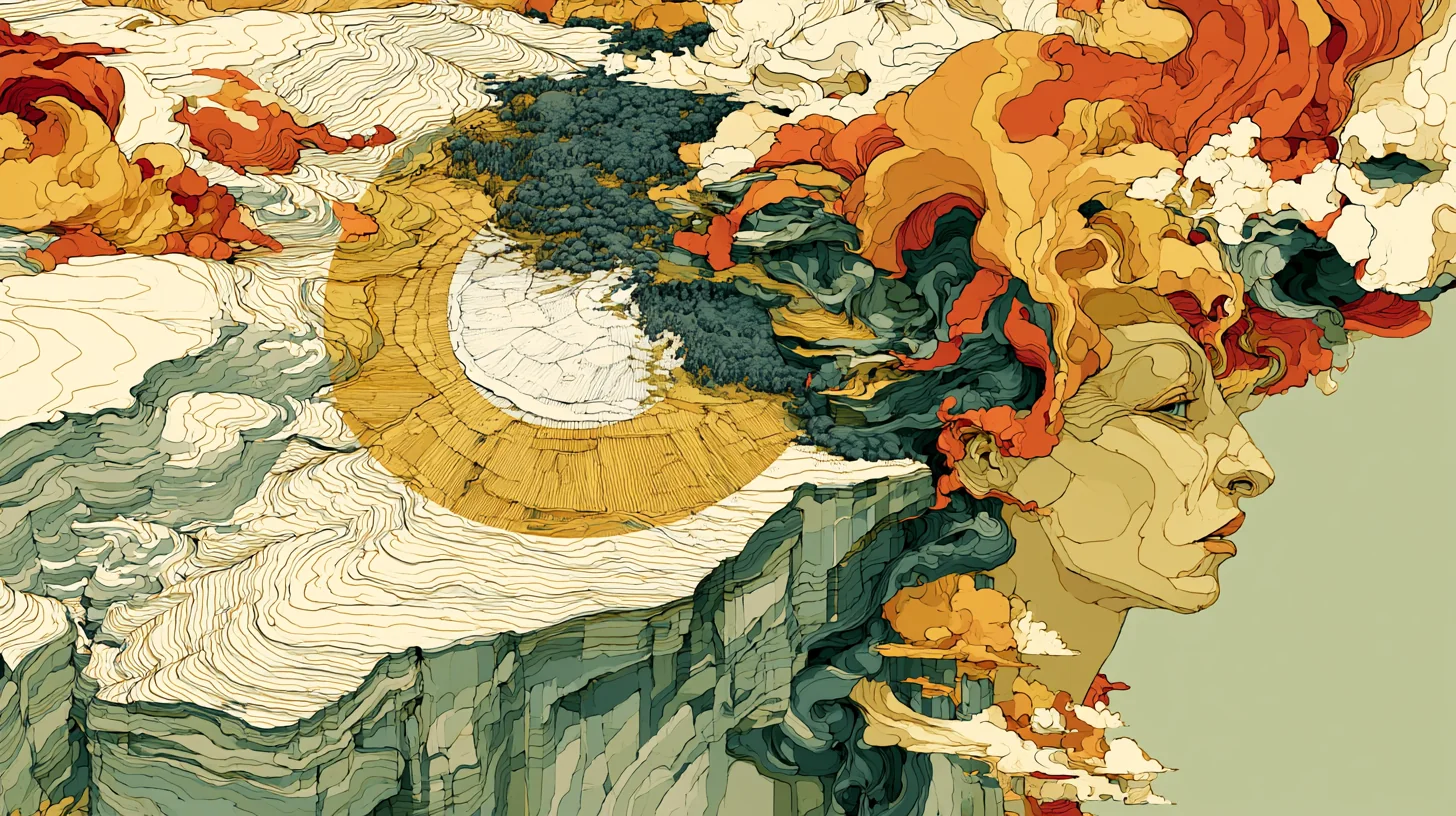
Sake Chosen by the Hand That Brews It: “Wakate no Yoake” and the Age of the Individual
Historically, sake selection has been guided by brand names. Well-known major labels and award-winning established breweries were at the center, with scale and trust forming key reasons for choice. Now a different approach is beginning to spread among importers and restaurants: choosing sake based on who made it.
The Quiet Generational Shift Behind the Change
This evolution is underpinned by a quiet generational transition within Japan’s historic breweries. As the traditional toji|the master brewers carrying ultimate responsibility for production|advance in age, many long-standing establishments have quietly grappled with the question of succession. The roster of toji registered with traditional unions has transitioned from around 3,700 in the mid-1960s to just over 700 in recent years, charting a steep numerical decline.
Simultaneously, a distinct generation of artisans in their thirties and early forties is stepping into the cellar. Some bring formal academic training in fermentation back to their family estates; others arrive from backgrounds in technology or hospitality, drawn into rural breweries by a profound sense of purpose. “Wakate no Yoake”|an annual gathering that brings these independent voices to Tokyo|has emerged as the cultural canvas where this quiet revolution becomes visible.
Bound by a shared ethos, these contemporary brewers view the liquid in the glass not as the final destination, but as a medium. They seek to articulate their craft in their own words|from the deliberate sourcing of heritage rice and the nuanced interpretation of local water to their precise, intimate management of fermentation. It is this clarity of intent that propels the collective forward.
The Guiding Line of the Wine World’s “Vigneron”
The wine lexicon offers a compelling parallel in the concept of the vigneron|the artisan who tends the soil, guides the fermentation, and translates the voice of the land into the bottle, embedding their own narrative into every vintage.
Japan’s emerging sake brewers are embracing a remarkably similar philosophy. From the direct curation of raw rice to the intuitive touch required for koji cultivation, their personal discretion shapes every movement within the brewery. This is reflected in the current discourse surrounding low-polished rice|a deliberate choice to retain the raw character of the grain|alongside a mindful revival of historical techniques like kimoto and yamahai. These are not merely technical preferences, but manifestations of individual philosophy. Deciding what to honor and what to evolve, this generation is redefining the narrative entirely.
How This Reaches Bangkok’s Import Lists
This cultural undercurrent naturally extends its reach to Bangkok.
The same trend seen in wine—where small natural-wine producers have come to be valued for their individuality—is beginning to reach sake. There are growing reports that restaurants in Europe and craft-focused wine retailers in North America are paying attention to sake whose makers have stories to tell, rather than only to familiar best-selling labels.
Within Bangkok’s own sophisticated dining landscape|where fine establishments and specialized bars curate with exceptional intent|a similar appetite for provenance and individuality is taking root. Much like how boutique vintages from independent valleys in Australia or South Africa find an organic home on these lists, sake born from the hands of these visionary new-generation brewers is quietly earning its place at the table.
What Is Being Asked Is the Maker’s Philosophy
“Who crafted this sake, under what philosophy, and by what means?” As leading sommeliers and importers increasingly pose this question, value naturally gravitates toward the artisans capable of offering a deeply personal answer.
“Wakate no Yoake” reflects more than a response to the succession issue: it shows that the reasons people choose sake are beginning to change, led by the next generation. Questions about who brews a sake, where, and with what ideas are quietly beginning to influence selection for Bangkok’s import lists.
This article is intended solely to explore the wine culture and viticulture heritage of Thailand, and does not aim to promote or encourage the consumption of alcohol. / บทความนี้จัดทำขึ้นเพื่อนำเสนอข้อมูลเกี่ยวกับวัฒนธรรมไวน์และอุตสาหกรรมองุ่นของประเทศไทยเท่านั้น มิได้มีเจตนาเพื่อส่งเสริมหรือโฆษณาเครื่องดื่มแอลกอฮอล์ สำหรับผู้มีอายุ 20 ปีขึ้นไป โปรดดื่มอย่างรับผิดชอบ
Discover the culture behind every bottle
We share brewery stories, tasting notes and the craft of koji & fermentation | for educational and cultural purposes only.
เราถ่ายทอดเรื่องราวจากผู้ผลิต บันทึกรสชาติ และศาสตร์แห่งโคจิและการหมัก | เพื่อการศึกษาและวัฒนธรรมเท่านั้น
Related Articles
“Japan’s “Golden Generation” of Sake” / “The Art of Waiting” / “From the Soil Up” / “The Elegance of Restraint” / “The Brewery That Gave Up Its Name”
Related Product(s)
AKABU Junmai / KID Junmai / CHIEBIJIN Junmai / TATENOKAWA Stream Seiryu / AKABU Junmai-Daiginjo / AKABU Junmai-Ginjo / ARAMASA THE AGRIVEDA / ARAMASA AMANEKO / ARAMASA ASH / ARAMASA COSMOS / ARAMASA EARTH / ARAMASA THE HERETIC & CO. / ARAMASA HINOTORI / ARAMASA INVISIBLE PINK UNICORN

