Drink
Dissolving the Boundaries of a Sake Maker
HEIWA CRAFT by Heiwa Shuzo and the Fluid Intelligence of Fermentation
Dissolving the Boundaries of a Sake Maker — HEIWA CRAFT by Heiwa Shuzo and the Fluid Intelligence of Fermentation
“Why would a sake brewery make beer?” There is one way to answer this question: “Because it is simply another story of fermentation.”
Heiwa Shuzo, located in Kainan City, Wakayama Prefecture, is a brewery known for its sake “KID” and its plum liqueur “Tsurume.” The same brewery also produces the craft beer “HEIWA CRAFT.” At first glance, this may seem like a move into an entirely different field. We tend to interpret it as “a sake brewery expanding into beer.” But hidden within that interpretation is an assumption that deserves to be reconsidered.
The Assumption That “a Brewery Means a Sake Maker”
The question “Why would a sake brewery make beer?” rests on the definition that “a sake brewery is a company that makes sake.” But what is it that breweries have refined over generations? Was it truly “sake as a product”?
What breweries have inherited is, rather, the skill to interpret invisible forces. The ability to face fermentation itself. A product is merely one crystallized form of that skill. Seen in this way, beer is not a different field, but another outlet for the same expertise. The question we should ask is not “Why beer?” but “What does this brewery know about fermentation?” Even when the product changes, that knowledge can be applied.
What Crosses Boundaries Is Not the Recipe, but the Perspective
What sake breweries have built up through sake making is the technique of controlling fermentation. They read the character of yeast, manage temperature within narrow margins, and discern the quality of brewing water. These are also essential abilities in beer brewing.
Symbolic of this is the sense of “dialogue with microorganisms.” Brewers read and guide the work of invisible microbes. This understanding, at once sensory and scientific, also applies to beer yeast. In the same way a toji senses the condition of rice with their fingertips, they read the quality of malt. With the same eye used to judge the state of koji, they assess the condition of hops. What crosses boundaries is not an individual recipe, but the very perspective with which fermentation is read. Even when the raw material changes from rice to malt, the ability to read fermentation remains the same.
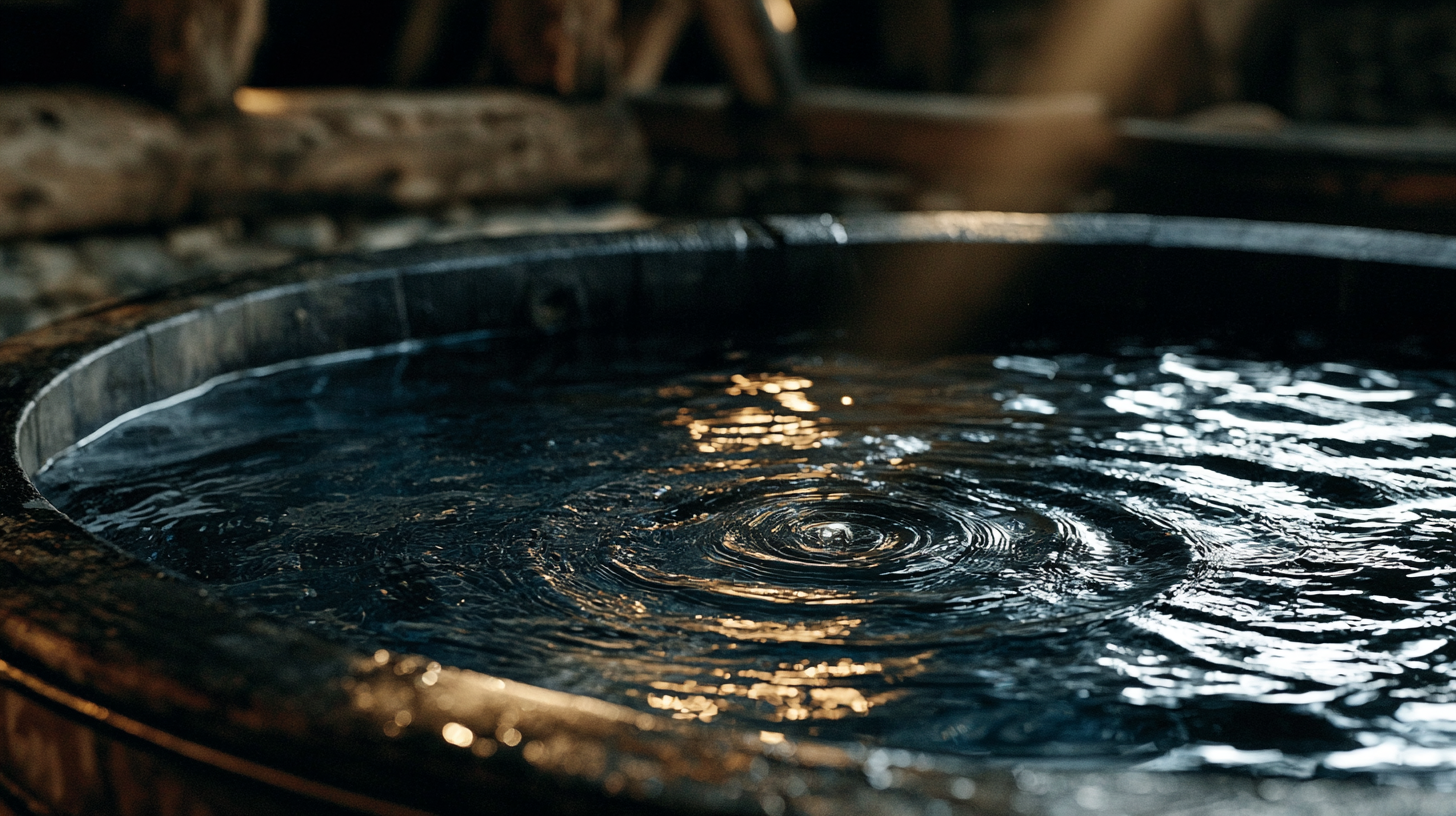
The same is true of a brewery’s distinctive commitment to water. In sake making, the hardness and mineral content of brewing water are said to influence the fundamental character of the sake. A brewery that understands differences in water has a foundation for designing consistent quality in beer as well.
Things Connected by a Single Line
What runs through Heiwa Shuzo’s work is an attitude of treating ingredients with sincerity and aiming for a clear, transparent finish. The approach pursued in its sake “KID” flows just as naturally into its plum liqueur “Tsurume” and its beer “HEIWA CRAFT.”
For that reason, HEIWA CRAFT is difficult to see as mere side-business diversification. Sake, plum liqueur, and beer are all connected by a single line as different expressions of one fermentation philosophy. What separates the simple fact that “they also make beer” from this story is whether or not one has that perspective.
A Larger Map Called Brewing Culture
Today, the boundary that once seemed to separate sake and craft beer is quietly dissolving. Sake breweries brew beer, while beer makers take interest in koji and sake lees. What emerges at this intersection is a broader framework called “brewing culture.”
At that point, Japanese breweries that have devoted generations to fermentation, water, and ingredients begin to appear not within the narrow title of “sake maker,” but as bearers of Japan’s fermentation intelligence. The ability to read and guide fermentation, and to design flavors and processes according to ingredients. This intelligence, accumulated through generations of trial and error, cannot be contained within the name of a single product.
This perspective can even cross the sea and reach dining tables in Bangkok. Imported craft beers with a story are embraced for the same reason that, in the world of wine, domaines where “the face of the maker is visible” are trusted. A bottle carrying the fermentation philosophy of its brewery has a context worth telling. After the boundaries dissolve, what remains is the question of who has faced fermentation, and with what kind of perspective.
This article is intended solely to explore the brewing philosophy and cultural heritage of HEIWA SHUZO and its HEIWA CRAFT brand, and does not aim to promote or encourage the consumption of alcohol. / บทความนี้จัดทำขึ้นเพื่อนำเสนอข้อมูลเกี่ยวกับปรัชญาการผลิตและมรดกทางวัฒนธรรมของ HEIWA SHUZO และแบรนด์ HEIWA CRAFT เท่านั้น มิได้มีเจตนาเพื่อส่งเสริมหรือโฆษณาเครื่องดื่มแอลกอฮอล์ สำหรับผู้มีอายุ 20 ปีขึ้นไป โปรดดื่มอย่างรับผิดชอบ
Discover the culture behind every bottle
We share brewery stories, tasting notes and the craft of koji & fermentation — for educational and cultural purposes only.
เราถ่ายทอดเรื่องราวจากผู้ผลิต บันทึกรสชาติ และศาสตร์แห่งโคจิและการหมัก — เพื่อการศึกษาและวัฒนธรรมเท่านั้น
Follow on Instagram FacebookRelated Articles
“When Koji Returns” / “Fermentation in 2026” / “When the Five Senses and Data Meet in the Same Brewery” / “Heiwa Brewery New Challenge: The Heiwa Doburoku” / “From the Same Water, Three Faces”
Related Product(s)
KID Junmai-Ginjo Karakuchi-Kid / HEIWA CRAFT Sansho Golden Ale / HEIWA CRAFT White Ale / HEIWA CRAFT Red Ale / HEIWA CRAFT Pale Ale / HEIWA CRAFT IPA / KID Muryozan Junmai / KID Muryozan Junmai-Ginjo / KID Muryozan Junmai-Daiginjo / KID Junmai-Daiginjo Sparkling / KID Junmai / KID Junmai-Ginjo / KID Junmai-Daiginjo / TSURUUME Yuzu / TSURUUME Ume Suppai / FURUTSURUUME Ume 10 years old / TSURUUME Ume Kanjuku Nigori / TSURUUME Ume Kanjuku