Perspectives
What Is Kijoshu? Why Does Replacing Water with Sake Make It Sweet?
In the traditional craft of sake, water is fundamental. Yet in the creation of kijoshu, brewers replace a portion of that water with finished sake. One might assume this approach simply yields a beverage of higher potency. In truth, it produces a sake defined by a rich sweetness balanced by a vibrant acidity.
While the phrase “sweet sake” may bring to mind added sugar, the sweetness of kijoshu comes from somewhere else entirely: from the way it is brewed.
Replacing Some Brewing Water with Sake
Sake fermentation relies on steamed rice, koji (steamed rice on which koji mold has been grown), water, and a yeast starter known as shubo, also called moto. Brewers add the steamed rice, koji, and water to this starter over several days in three separate additions, a method called sandan-jikomi, or three-stage brewing.
The yeast starter builds up a large, healthy yeast population in advance. The three additions then expand the mash step by step while keeping the yeast active.
Within the tank, two transformations occur simultaneously: enzymes produced by the koji mold convert rice starch into sugar, while yeast converts that sugar into alcohol.
To craft kijoshu, brewers replace part of this water with sake, most often in the final addition, the tomezoe, which is the largest of the three. Some brewers add a fourth stage and introduce the sake there.
The Chemistry of Residual Sweetness
The key lies in how the yeast and the koji enzymes behave.
In conventional sake brewing, alcohol levels climb gradually as fermentation proceeds. In kijoshu brewing, adding sake during the additions raises the alcohol concentration early, while fermentation is still underway.
Yeast works more slowly when the alcohol concentration is high. The koji enzymes, however, keep breaking down rice starch into sugar. Because the slowed yeast consumes that sugar more slowly, more of it remains unfermented, and this is what is perceived as sweetness.
This is the paradox at the heart of kijoshu: adding alcohol early means that less sugar is turned into alcohol. The sweetness is not added sugar. It is rice sugar that the yeast could not use up.
A Modern Method with an Ancient Echo
The method known as kijoshu was developed in 1973 at the Brewing Research Institute of Japan’s National Tax Agency, today the National Research Institute of Brewing. It is a relatively recent method, and the name “Kijoshu” is a registered trademark of Enoki Shuzo.
Yet the idea echoes a record more than a thousand years old. The Engishiki, a Heian-period compilation of court rules and procedures completed in 927, describes the practices of the Miki-no-Tsukasa, the imperial office responsible for brewing sake for the court. Among these records is a method called shiori. The kijoshu method developed in 1973 turned out to be close to this ancient technique.
The Journey Toward Amber
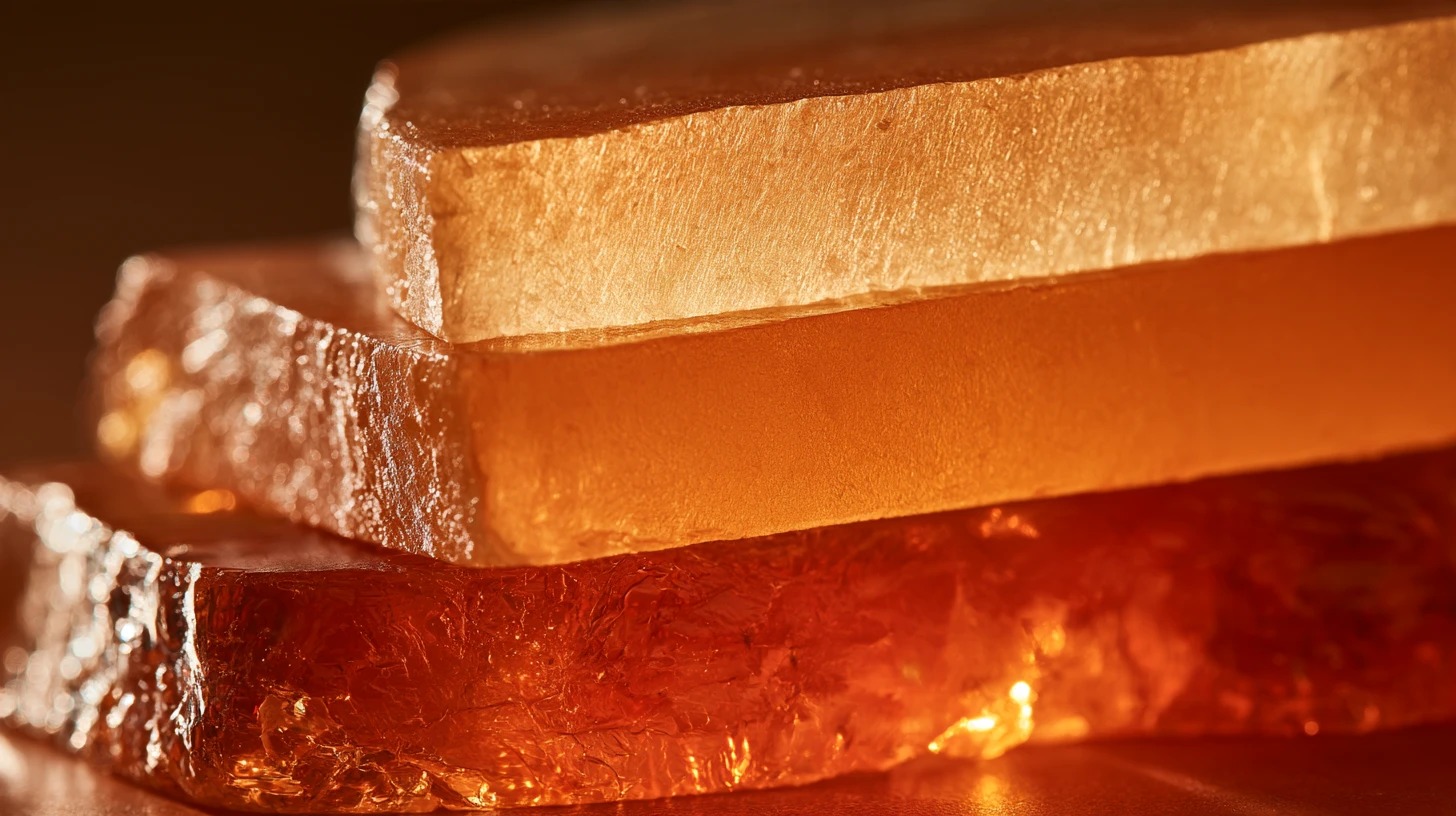
As kijoshu matures, it gains color, and many take on a bright amber hue. How the color and aroma change depends on the character of the sake and the conditions in which it is stored. In character, kijoshu is generally described as having a rich sweetness held in check by acidity.
Some breweries age their kijoshu for a long time, while others keep maturation short to preserve acidity and freshness. ARAMASA HINOTORI, made by Aramasa Shuzo in Akita, is one example: the finished sake is matured for less than a year, and it combines a bright, fruit-like acidity with sweetness. Even within kijoshu, how long a brewer lets it mature changes the result considerably.
Knowing just one thing, that kijoshu is brewed with sake in place of part of the water, makes its sweetness and color readable not as accidents but as the result of how it is made. Once the source of that sweetness can be explained in a single sentence, kijoshu is no longer simply a sweet sake, but one in which the brewer’s craft becomes visible.
This article is intended solely to explore the brewing philosophy and cultural heritage of kijoshu, a traditional Japanese sake-making method, and does not aim to promote or encourage the consumption of alcohol. / บทความนี้จัดทำขึ้นเพื่อนำเสนอข้อมูลเกี่ยวกับปรัชญาการผลิตและมรดกทางวัฒนธรรมของคิโจชู ซึ่งเป็นวิธีการผลิตสาเกแบบดั้งเดิมของญี่ปุ่นเท่านั้น มิได้มีเจตนาเพื่อส่งเสริมหรือโฆษณาเครื่องดื่มแอลกอฮอล์ สำหรับผู้มีอายุ 20 ปีขึ้นไป โปรดดื่มอย่างรับผิดชอบ
Related Articles
“Crystal Bubbles, the Depth of Kijoshu” / “Sake Contains No Tannins” / ““Extra Dry” Reinterpreted: Understanding Yukinobijin Through Rice, Yeast, and Acidity”
Related Product(s)
ARAMASA HINOTORI / ARAMASA INVISIBLE PINK UNICORN / MIZUBASHO Artist Series Dessert Sake / SHICHIKEN Sora no Irodori Sparkling-sake / SHICHIKEN Selection Alain Ducasse Sparkling-sake / SHICHIKEN EXPRESSION Sparkling-sake 2019
Discover the culture behind every bottle
We share brewery stories, tasting notes and the craft of koji & fermentation | for educational and cultural purposes only.
เราถ่ายทอดเรื่องราวจากผู้ผลิต บันทึกรสชาติ และศาสตร์แห่งโคจิและการหมัก | เพื่อการศึกษาและวัฒนธรรมเท่านั้น