Drink
Sake and Chinese Cuisine Pairings
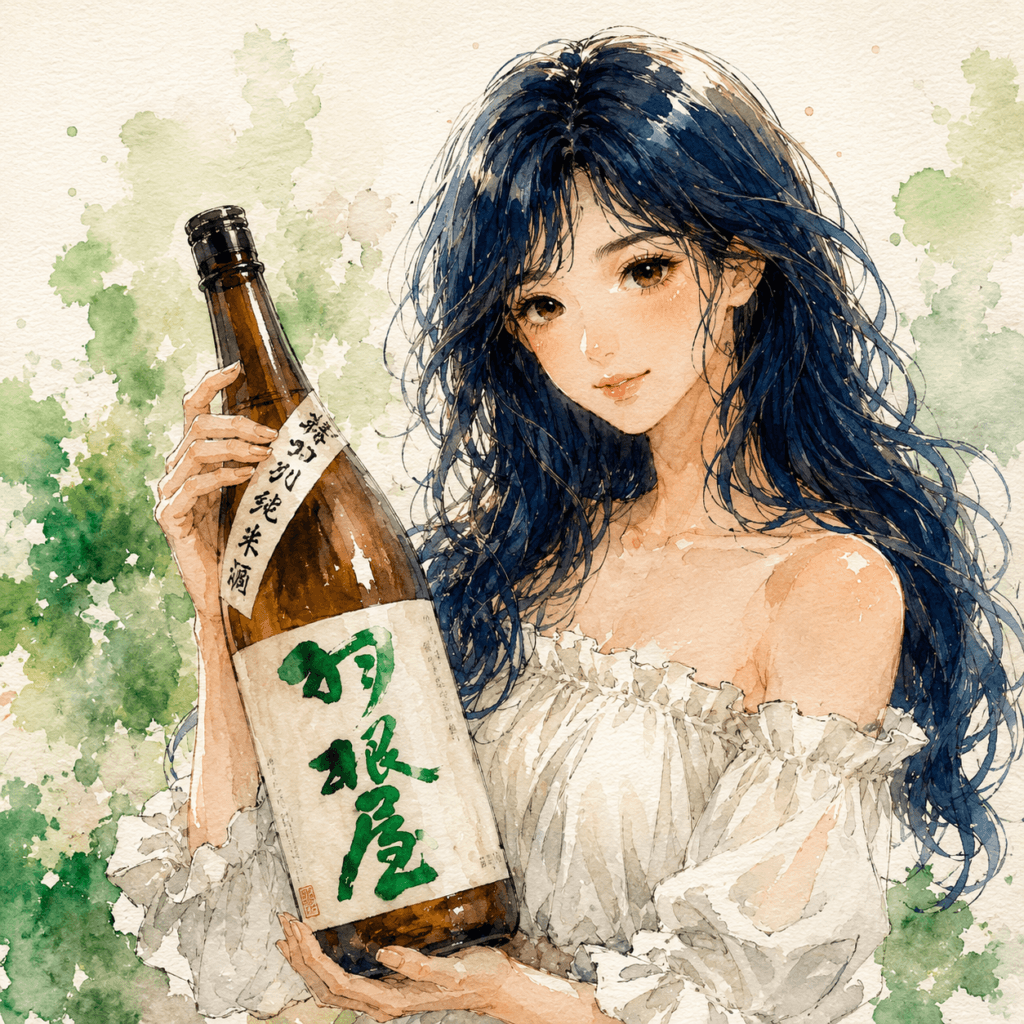
Shanghai hairy crab and Peking duck are familiar sights on a Chinese table, and each brings a different sake to mind. For the crab, I picture something soft on the palate. With Peking duck, I think of a sake with some maturity and a firmer structure. From light ginjo to long-aged sake, the range opens up many ways for sake to meet Chinese cooking, from delicate dishes to long-simmered ones.
The Depth of Sake and the Flavors of Chinese Cooking
Sake brings its own umami and distinctive flavors to the table. Think of seasonal Shanghai hairy crab or simply boiled shrimp. With little seasoning, the sweetness and aroma of the flesh are likely to linger. Picture the same shrimp stir-fried with a strongly scented seasoning and there is more than the flavor of shrimp to consider. A change in the way an ingredient is cooked changes what we look for in a pairing.
Shellfish also have a place on the table in Japan’s Hokuriku region. That brings to mind Haneya, a sake from Toyama Prefecture. The producer, Fumigiku Shuzo, says its brewing water comes from the Joganji River system, which has its source in the Tateyama mountain range. With a dish that lets the crab or shrimp speak for itself, I picture Haneya’s soft texture and clean finish. I find myself wondering how the sweetness of the shellfish would sit alongside the sake’s finish.
Peking Duck and the Sparkling Sake I Brought
Let me give you the example of Peking duck. This time, since I had not decided on the dish in advance, I paired it with a sparkling sake that I carried with me, but the richness of the duck overpowered the delicate sparkling sake.
One way of serving Peking duck is to wrap roasted skin and meat in a thin pancake with a sweet sauce and scallions. A bite like that brings together the duck’s fat and roasted aromas, the sweetness of the sauce and the scent of the scallions. Even when we set out to pair duck and sake, the skin and accompaniments shape the flavors that the sake actually meets.
Looking back, I thought of long-aged sake or a more structured “Yamahai” sake. How might a sake with a depth reminiscent of Chinese Shaoxing wine sit alongside the rich flavor of the duck? Long aging refers to the time a sake spends maturing. Yamahai refers to a way of making the starter in which the yeast is grown for brewing. By a sake with structure, I mean one whose flavor could still come through alongside the duck.
More Ways for Sake to Meet Chinese Cooking
There is the sweetness of Shanghai hairy crab and boiled shrimp, and there is the richness of Peking duck. From one dish to the next, sake meets different flavors. When two seemingly different food cultures meet at one table, even a familiar dish can come into view from a slightly different angle.
The world of cuisine is unlimited, and our adventure is never-ending. (Mr. Bacchus)
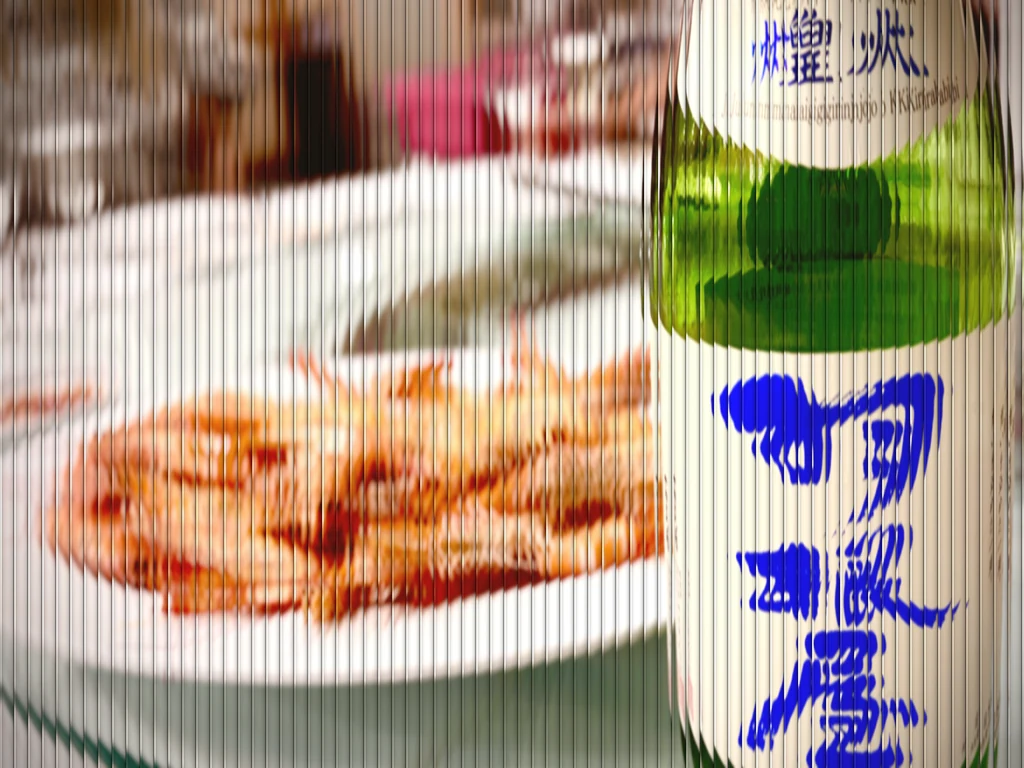
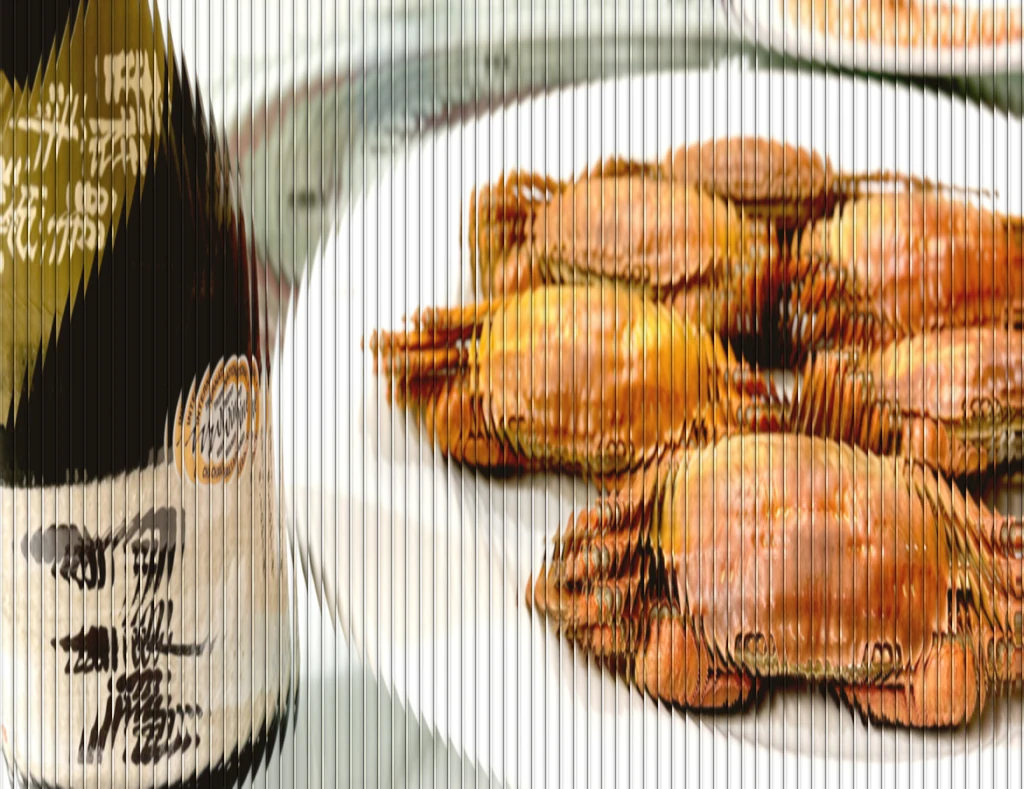
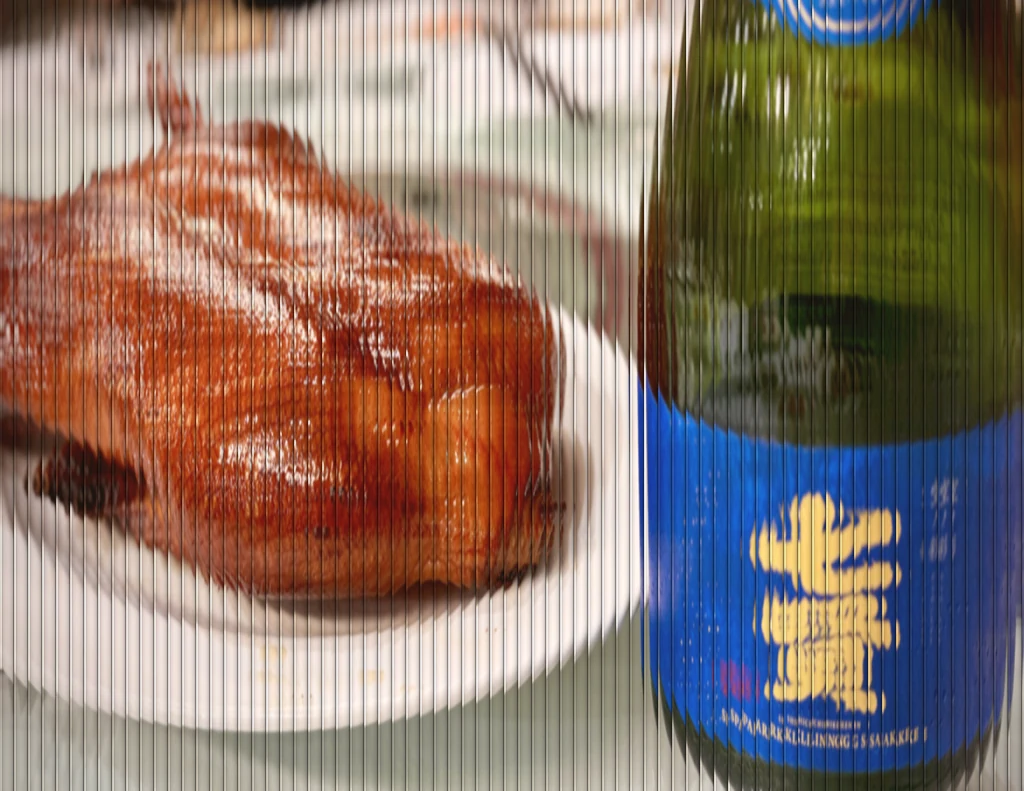
This illustration supplements the product information and is not a photograph of the actual product. Details such as the bottle’s shape, colour and label may differ from the actual product. This page is provided for informational purposes only and is not intended to encourage the purchase or consumption of alcoholic beverages.
This article is intended solely to share educational and cultural information about the topics discussed, and does not aim to promote or encourage the consumption of alcohol. For readers aged 20 and over. Please drink responsibly.
บทความนี้จัดทำขึ้นเพื่อให้ข้อมูลเชิงความรู้และวัฒนธรรมเกี่ยวกับหัวข้อที่นำเสนอเท่านั้น มิได้มีเจตนาส่งเสริมหรือโฆษณาเครื่องดื่มแอลกอฮอล์ สำหรับผู้มีอายุ 20 ปีขึ้นไป โปรดดื่มอย่างรับผิดชอบ
Discover the culture behind every bottle
We share brewery stories, tasting notes and the craft of koji & fermentation | for educational and cultural purposes only.
เราถ่ายทอดเรื่องราวจากผู้ผลิต บันทึกรสชาติ และศาสตร์แห่งโคจิและการหมัก | เพื่อการศึกษาและวัฒนธรรมเท่านั้น
Follow on Instagram FacebookRelated Articles
“Wings of Devotion” / “The Philosophy of Totality” / “Secrets of Haneya : How Haneya Brewery is Redefining Premium Sake Craftsmanship” / “Why the World Chooses IWC Winners: What the IWC Reveals About Award-Winning Sake Today” / “Little tips about Sparkling sake”
Related Product(s)
HANEYA Prism Junmai-Ginjo Non-filter Nama-Genshu / HANEYA Tokubetsu Junmai / HANEYA Kirabi Junmai-Ginjo Nama-Genshu / HANEYA Tsubasa Junmai-Daiginjo Nama / HANEYA Daiginjo Tobin Gakoi