Food
Grilling and Simmering in One Pan|Looking at a Thai Table through Mu Kratha
Updated 10 November 2026|Originally published 22 January 2024
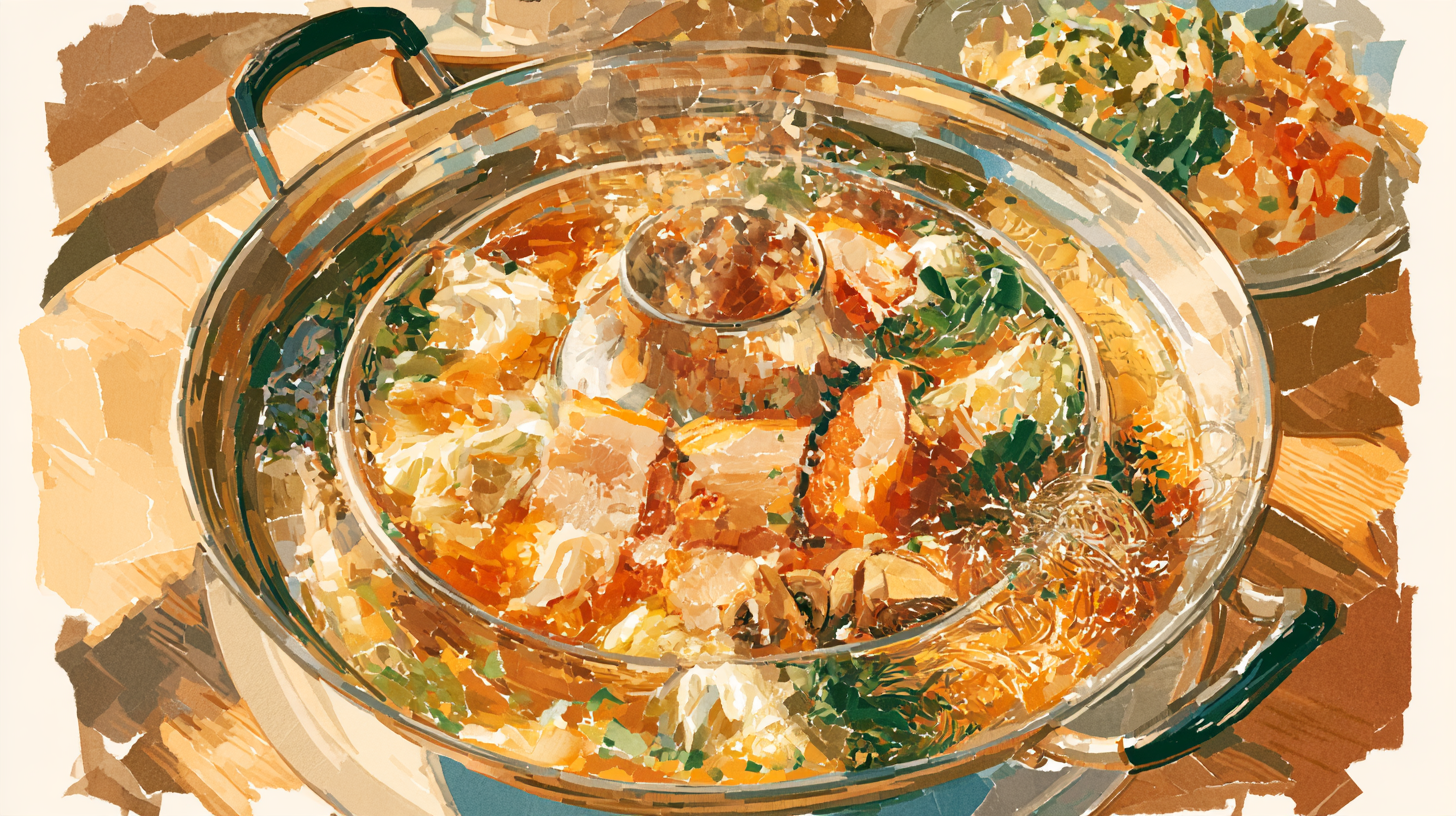
A metal pan rises like a small hill in the center of the table. Its top and sloping sides form a grilling surface, surrounded by a channel for broth. This is the pan used for mu kratha, a Thai dish also written as mookata. Meat can be grilled beside vegetables and noodles simmering in soup.
Thinking of barbecue and hot pot sharing one piece of equipment makes the arrangement easier to understand. Yet this is slightly different from putting two separate dishes on a table: the grilling surface and the broth channel belong to the same pan. Its shape offers a starting point for understanding the meal.
A Central Grill Surrounded by Broth
In mu kratha, meat and other ingredients are placed on the raised center to grill. The surrounding channel holds broth for cooking vegetables, glass noodles and seafood. Within one pan, moving an ingredient to a different area changes the cooking method.
Pork is a familiar ingredient, but it is not necessarily the only meat provided. Cooking materials published by Thailand’s Department of Employment also list chicken, fish and squid. Vegetables include Chinese cabbage, water spinach and mushrooms. Water spinach is a leafy vegetable with hollow stems, often used in Thai cooking.
Meat browns where it touches the grill, while leafy vegetables in the broth absorb liquid and soften. At the same table, diners can serve themselves food cooked against a hot surface and food simmered in liquid. Variety comes from the way ingredients are cooked as well as from the ingredients themselves.
The broth is also more than water for heating ingredients. The same publication gives an example made by simmering chicken bones and using ingredients such as coriander root and pepper. The liquid around the ingredients has its own ingredients and seasoning.
A Bite Takes Shape with the Dipping Sauce
Dipping sauces are provided separately from the ingredients. Known in Thai as nam chim, they are condiments into which food is dipped. Flavor is not fixed when the meat leaves the grill: adding sauce is another step after serving a portion.
The Department of Employment’s materials give several examples. Suki sauce uses chilies, palm sugar, vinegar and a fermented tofu condiment called tao hu yi. Seafood dipping sauce includes garlic, chilies, coriander root, lime juice and fish sauce. Manao is a lime commonly used in Thai cooking, and nam pla is a fish-based seasoning.
These are examples from one publication, rather than a shared recipe used by every restaurant. Alongside sweetness, acidity, saltiness and chili heat, aromas from ingredients such as garlic and sesame distinguish the sauces. Calling them simply “spicy sauces” leaves much of their composition unexplained.
Pork, vegetables, broth and sauce are arranged separately, then meet in the portions served. Keeping sauce in a separate bowl, like dividing the pan into grilling and simmering areas, leaves part of the finishing work to the people eating.
Cooking Continues at the Table
Unlike a meal of finished dishes brought from the kitchen, mu kratha continues cooking after the pan reaches the table. Diners also take on the work of watching the grill and serving vegetables from the broth. Alongside the finished food, the time it takes to cook is part of the meal.
Thin slices of meat and leafy vegetables change differently as they cook. While waiting for meat to grill, someone may turn their attention to the ingredients in the broth. Attention moves between the center and the rim. The food does not all become ready at once; the meal progresses in smaller portions as each ingredient cooks.
Where in the pan is an ingredient cooked? Which portion is served, and which sauce accompanies it? These movements reveal how the meal works even before its name is familiar. When explaining it to someone from abroad, describing what happens in the pan can make the arrangement clearer than a comparison with another country’s dish alone.
The range of ingredients is only one way to understand mu kratha. The central grill, surrounding broth and individual sauce bowls each have a role. Between them are the people serving one portion at a time. Following the shape of the pan reveals one form of a Thai table where the place for eating is also a place for cooking.
This article explores Thai food culture, cooking methods and culinary terminology. It is intended for readers aged 20 and over and does not promote or encourage alcohol consumption.
บทความนี้นำเสนอข้อมูลเกี่ยวกับวัฒนธรรมอาหารไทย วิธีปรุง และคำศัพท์เกี่ยวกับอาหาร สำหรับผู้อ่านอายุ 20 ปีขึ้นไป มิได้มีเจตนาส่งเสริมหรือโฆษณาการบริโภคเครื่องดื่มแอลกอฮอล์
Discover the culture behind every bottle
We share brewery stories, tasting notes and the craft of koji & fermentation | for educational and cultural purposes only.
เราถ่ายทอดเรื่องราวจากผู้ผลิต บันทึกรสชาติ และศาสตร์แห่งโคจิและการหมัก | เพื่อการศึกษาและวัฒนธรรมเท่านั้น
Follow on Instagram Facebook