
Bordeaux Chateau Stories · 1855 Classification
ラベルの塔は、あの戦場を知らない。では、ラトゥールの「塔」とは、何なのか
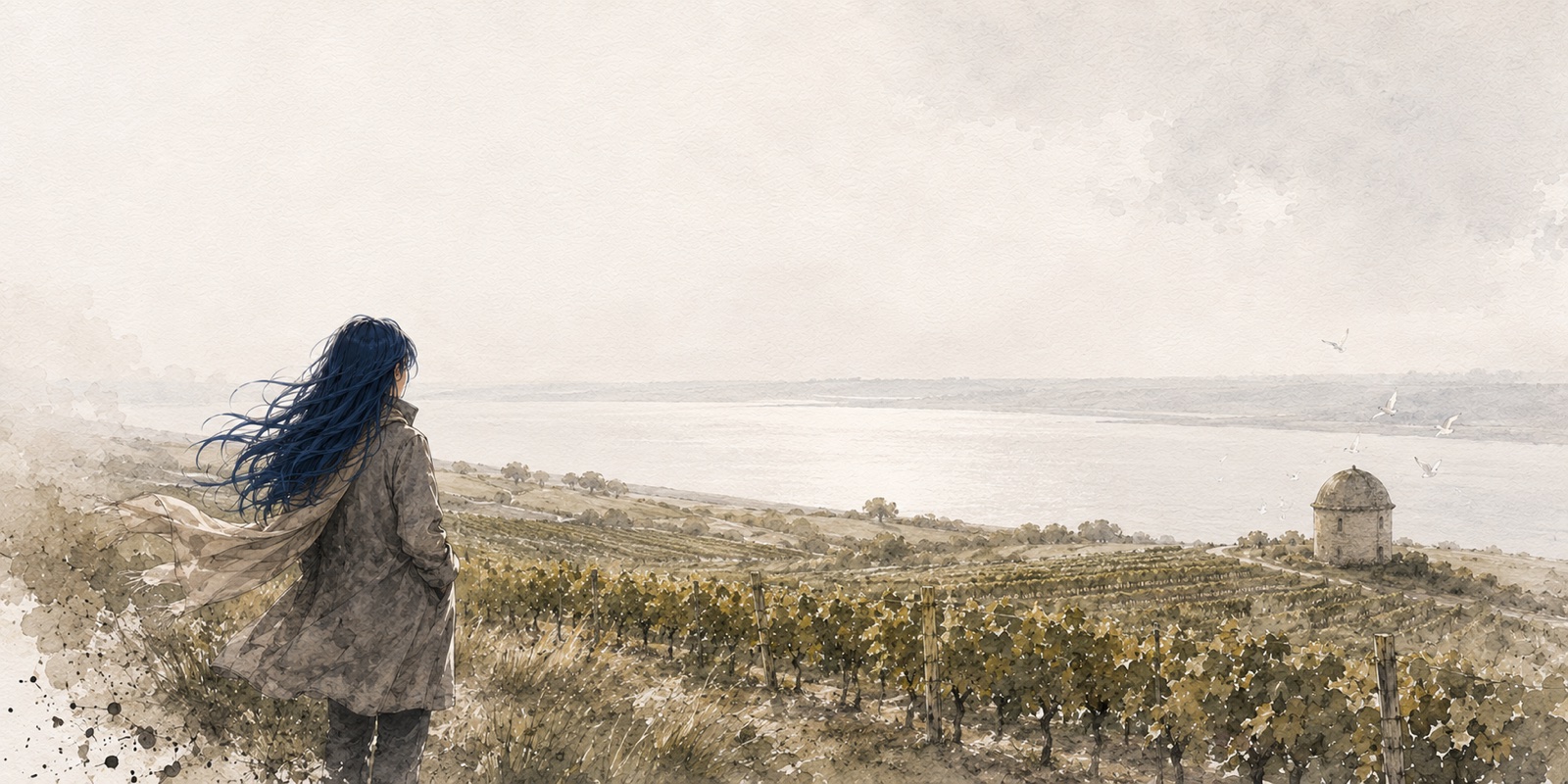
シャトー・ラトゥール(Château Latour)。ボトルに描かれているのは、いつも同じ一つの塔だ。名前の由来も、この塔(La Tour)にある。前回、この塔は百年戦争の記憶を刻んでいる、と紹介した。
だが、少し立ち止まってみたい。ラベルに描かれたその塔は、戦場を実際に見た建物ではない。 では、あの塔はいったい何なのか。
基本情報
| 項目 | 内容 |
|---|---|
| 正式名称 | シャトー・ラトゥール |
| 村・地区 | ポイヤック(メドック地区) |
| 1855年格付け | 赤ワイン第1級(プルミエ・クリュ) |
| セカンドワイン | レ・フォール・ド・ラトゥール(Les Forts de Latour、1966年〜) |
| 現在の所有 | グループ・アルテミス(フランソワ・ピノー氏一族・ワイン部門アルテミス・ドメーヌ) |
| 節目の年 | 1331年 記録上の初出/1620年代 現在の塔が建造/1855年 格付け第1級に選出/1963年 英国資本へ/1993年 フランス資本に復帰 |
塔の名は生き延びた。塔そのものは、生き延びなかった
この地に塔が記録されるのは1331年、「サン・ランベールの塔」としてだ。時代とともに「サン・モーベールの塔」と呼び名を変え、やがて「ラトゥール」という一語に落ち着いていく。1453年、百年戦争の終幕を告げたカスティヨンの戦いの前後、この地にあった中世の防御用の塔は、襲撃を受けて解体されたとされる。
ここで一つ、あまり語られない事実がある。今ラベルに描かれ、敷地内に現存する塔—「サン・ランベールの塔」—が建てられたのは、その解体からおよそ170年も後、1620年代のことだ。用途も防御用の砦ではなく、鳩を飼うための鳩小屋塔だった。旧い塔への追憶として建てられたとされるが、旧塔の石材がそのまま転用されたのかどうかは、資料の間でも確証が取れていない。
つまりラベルの塔は、戦の記憶そのものではなく、戦の記憶を偲んで平時に建て直された、もう一つの塔なのだ。名前だけが幾世紀を生き延び、建物は一度、静かに世代交代していた。
一人の領主が、三つの1級を同時に手にした時代
18世紀、この塔の下の畑を治めたのが、ボルドー高等法院院長ニコラ・アレクサンドル・ド・セギュールという人物だ。父アレクサンドルが1695年の結婚でラフィットの相続人を妻に迎えたことで、家督のラトゥールと合わせて二つのシャトーが一族に集まり、1716年に父が没すると彼が両方を受け継いだ。1718年にはムートンとカロン=セギュールも手に入れる。一時期、のちに1級となるラトゥール・ラフィット・ムートンの三シャトーを同時に所有するという、稀有な立場にあった。
この人物には「ワインの王子(Prince des Vignes)」という異名が伝わる。呼び名自体は記録に広く残る一方、その由来を語る宮廷の逸話は一次資料が確認できておらず、伝承として扱うのが正確だ。
1755年にこの人物が没すると、他の所領は分割・売却された。だがラトゥールだけはセギュール家に残り続けた。一族がこの地の経営権の大半を手放すのは、実に約200年後、1963年のことになる。
英国資本の30年を経て、フランスへ帰ってきた塔
1963年、セギュール家の相続人はラトゥール株式の大半を英国資本へ売却する。以後30年、シャトーは英国の手にあった。この時代、経営陣は醸造設備の近代化を進め、1級シャトーの中でも早い時期にステンレス製の温度管理タンクを導入するなど、伝統と技術更新を両立させた。
1993年7月、フランスの実業家フランソワ・ピノー氏が全株式を買収し、ラトゥールは30年ぶりにフランス資本へ復帰する。買収の経緯は資料により金額表記が一致しないため、ここでは「経営の主体が英国からフランス人実業家へ移った」という事実のみを記しておく。
現在、シャトーはピノー氏一族の持株会社グループ・アルテミスが所有し、ワイン部門アルテミス・ドメーヌの傘下にある。経営トップを1990年代半ば以降、長く務めるのがフレデリック・アンジェレール氏だ。1966年から造られるセカンドワイン「レ・フォール・ド・ラトゥール」も、若木の区画を中心に、今なお毎年生み出され続けている。
塔の名は1331年から。所有の物語は、まだ現在進行形で続いている。
知っておくと語れる3つ
- ラベルの塔は、百年戦争を実際に見た建物ではない。1453年に解体された中世の塔を偲び、およそ170年後の1620年代に建て直された鳩小屋塔である。
- セギュール家は約200年、ラトゥールを保有し続けた。一時はのちの1級3シャトー(ラトゥール・ラフィット・ムートン)を同時に所有した当主もいた稀有な家系だ。
- 現在の所有者はフランスの実業家一族グループ・アルテミス。1993年、30年続いた英国資本の時代を経てフランスへ戻った。セカンドワインは「レ・フォール・ド・ラトゥール」。
The Tower on the Label Never Saw That Battlefield. So What Is Latour’s “Tower”?
Château Latour. The label always shows the same single tower, and the name itself comes from that tower, La Tour. In the previous story, we introduced it as a tower carrying the memory of the Hundred Years’ War.
But let us pause for a moment. The tower shown on the label is not the building that actually witnessed the battlefield. What, then, is that tower?
Basic Information
| Item | Details |
|---|---|
| Official name | Château Latour |
| Village / district | Pauillac (Médoc) |
| 1855 Classification | First Growth red wine (Premier Cru) |
| Second wine | Les Forts de Latour (since 1966) |
| Current ownership | Groupe Artémis, the holding company of the François Pinault family; wine division Artémis Domaines |
| Milestone years | 1331: first appearance in written records / 1620s: construction of the present tower / 1855: selected as a First Growth / 1963: passed to British capital / 1993: returned to French ownership |
The Name of the Tower Survived; the Tower Itself Did Not
A tower on this land first appears in a record from 1331 as the “Tower of Saint-Lambert.” Its name changed over time to the “Tower of Saint-Maubert” and eventually settled into the single word “Latour.” Around the Battle of Castillon in 1453, which marked the end of the Hundred Years’ War, the medieval defensive tower here is thought to have been attacked and dismantled.
There is one fact that is not often mentioned. The tower now shown on the label and still standing on the estate, known as the “Tower of Saint-Lambert,” was built about 170 years after that dismantling, in the 1620s. It was not a defensive stronghold but a dovecote built to house pigeons. It is said to have been constructed in memory of the earlier tower, although the surviving records do not confirm whether stones from the original structure were reused.
The tower on the label is therefore not the memory of battle itself. It is another tower, rebuilt in peacetime to recall that memory. The name survived for centuries, while the building quietly passed from one generation to another.
When One Lord Held Three Future First Growths at Once
In the 18th century, the vineyards below the tower were controlled by Nicolas-Alexandre de Ségur, president of the Parliament of Bordeaux. His father, Alexandre, married the heiress of Lafite in 1695. This brought Lafite together with the family estate of Latour, and Nicolas-Alexandre inherited both when his father died in 1716. In 1718, he also acquired Mouton and Calon-Ségur. For a time, he occupied the exceptional position of owning three estates that would later become First Growths: Latour, Lafite, and Mouton.
He is remembered by the epithet “Prince of the Vines” (Prince des Vignes). While the name itself appears widely in the record, the court anecdote often used to explain it has not been confirmed in primary sources and is more accurately treated as tradition.
When Nicolas-Alexandre died in 1755, the other estates were divided or sold. Latour, however, remained with the Ségur family. It would be almost another 200 years, in 1963, before the family relinquished most of its control of the estate.
After 30 Years of British Ownership, the Tower Returned to France
In 1963, the heirs of the Ségur family sold a majority of Latour’s shares to British investors. For the next 30 years, the château was in British hands. During this period, management modernized the winemaking facilities and, while preserving tradition, made Latour one of the earlier First Growth estates to introduce temperature-controlled stainless-steel tanks.
In July 1993, French businessman François Pinault acquired all the shares, returning Latour to French ownership after three decades. Sources disagree on the transaction amount, so the relevant fact here is simply that control passed from British owners to a French businessman.
Today, the château is owned by Groupe Artémis, the holding company of the Pinault family, and belongs to its wine division, Artémis Domaines. Frédéric Engerer has led the estate for many years, beginning in the mid-1990s. The second wine, Les Forts de Latour, first produced in 1966 and drawn mainly from parcels of younger vines, continues to be made each year.
The name of the tower dates from 1331. The story of its ownership is still unfolding.
Three Facts Worth Knowing
- The tower on the label did not actually witness the Hundred Years’ War. It is a dovecote built in the 1620s, about 170 years after the medieval tower was dismantled in 1453, in memory of that earlier structure.
- The Ségur family retained Latour for around 200 years. One of its heads once simultaneously owned three estates that would later become First Growths: Latour, Lafite, and Mouton.
- The current owner is the French family holding company Groupe Artémis. In 1993, Latour returned to French ownership after 30 years under British capital. Its second wine is Les Forts de Latour.
หอคอยบนฉลากไม่เคยเห็นสนามรบแห่งนั้น แล้ว “หอคอย” ของลาตูร์คืออะไร
Château Latour บนฉลากปรากฏหอคอยเพียงหนึ่งหลังในรูปเดิมเสมอ และชื่อของชาโตก็มาจากหอคอยนี้ หรือ La Tour ในเรื่องก่อนหน้า เราได้กล่าวว่าหอคอยแห่งนี้บันทึกความทรงจำของสงครามร้อยปีไว้
แต่ลองหยุดพิจารณาสักครู่ หอคอยที่เห็นบนฉลากไม่ใช่อาคารที่เคยเห็นสนามรบจริง ๆ แล้วหอคอยนั้นคืออะไรกันแน่
ข้อมูลพื้นฐาน
| รายการ | รายละเอียด |
|---|---|
| ชื่อทางการ | ชาโต ลาตูร์ |
| หมู่บ้าน / เขต | โปยัก (เขตเมด็อก) |
| การจัดอันดับปี 1855 | ไวน์แดงระดับ 1 (Premier Cru) |
| ไวน์ลำดับที่สอง | Les Forts de Latour (ตั้งแต่ปี 1966) |
| เจ้าของปัจจุบัน | Groupe Artémis บริษัทโฮลดิงของตระกูลฟรองซัวส์ ปิโนต์ และธุรกิจไวน์ Artémis Domaines |
| ปีสำคัญ | 1331 ปรากฏในบันทึกเป็นครั้งแรก / ทศวรรษ 1620 สร้างหอคอยปัจจุบัน / 1855 ได้รับเลือกเป็นระดับ 1 / 1963 เปลี่ยนสู่ทุนอังกฤษ / 1993 กลับสู่กรรมสิทธิ์ฝรั่งเศส |
ชื่อของหอคอยรอดมาได้ แต่ตัวหอคอยเดิมไม่รอด
หอคอยบนผืนดินนี้ปรากฏในบันทึกครั้งแรกเมื่อปี 1331 ในชื่อ “หอคอยแห่งแซ็งต์-ล็องแบร์” ชื่อเรียกเปลี่ยนไปตามกาลเวลาเป็น “หอคอยแห่งแซ็งต์-โมแบร์” และในที่สุดลงตัวที่คำเดียวว่า “ลาตูร์” ราวยุทธการกัสติยงในปี 1453 ซึ่งเป็นจุดสิ้นสุดของสงครามร้อยปี เชื่อกันว่าหอคอยป้องกันแบบยุคกลางที่นี่ถูกโจมตีและรื้อถอน
มีข้อเท็จจริงหนึ่งที่ไม่ค่อยถูกกล่าวถึง หอคอยซึ่งปรากฏบนฉลากและยังตั้งอยู่ในพื้นที่ชาโตในปัจจุบัน หรือ “หอคอยแห่งแซ็งต์-ล็องแบร์” สร้างขึ้นหลังการรื้อถอนนั้นราว 170 ปี คือในทศวรรษ 1620 อาคารนี้ไม่ใช่ป้อมป้องกัน แต่เป็นหอเลี้ยงนกพิราบ กล่าวกันว่าสร้างขึ้นเพื่อระลึกถึงหอคอยเดิม อย่างไรก็ตาม เอกสารที่เหลืออยู่ยังไม่ยืนยันว่ามีการนำหินจากหอคอยเดิมมาใช้หรือไม่
ดังนั้นหอคอยบนฉลากจึงไม่ใช่ความทรงจำของสงครามโดยตรง แต่เป็นหอคอยอีกหลังหนึ่งที่สร้างขึ้นในยามสงบเพื่อรำลึกถึงความทรงจำนั้น ชื่อรอดผ่านหลายศตวรรษมาได้ ขณะที่ตัวอาคารผลัดเปลี่ยนรุ่นอย่างเงียบ ๆ
ยุคที่เจ้านายคนหนึ่งครอบครองสามชาโตซึ่งต่อมาจะเป็นระดับ 1 พร้อมกัน
ในศตวรรษที่ 18 ไร่องุ่นใต้หอคอยอยู่ภายใต้การดูแลของนิโกลา-อเล็กซ็องดร์ เดอ เซกูร์ ประธานศาลสูงแห่งบอร์โดซ์ อเล็กซ็องดร์ บิดาของเขาแต่งงานกับทายาทหญิงแห่งลาฟิตในปี 1695 ทำให้ลาฟิตมารวมกับลาตูร์ซึ่งเป็นมรดกของครอบครัว เมื่อตัวบิดาเสียชีวิตในปี 1716 นิโกลา-อเล็กซ็องดร์จึงรับช่วงทั้งสองแห่ง และในปี 1718 ยังได้มูตงกับกาลง-เซกูร์มาเพิ่ม ช่วงหนึ่งเขาจึงอยู่ในฐานะอันหาได้ยาก คือครอบครองชาโตสามแห่งซึ่งต่อมาจะได้เป็นระดับ 1 พร้อมกัน ได้แก่ ลาตูร์ ลาฟิต และมูตง
บุคคลผู้นี้มีสมญาว่า “เจ้าชายแห่งเถาองุ่น” (Prince des Vignes) แม้ชื่อเรียกนี้จะปรากฏในบันทึกอย่างแพร่หลาย แต่เรื่องเล่าในราชสำนักที่มักใช้อธิบายที่มายังไม่พบหลักฐานชั้นต้น จึงควรถือว่าเป็นเรื่องที่เล่าสืบต่อกันมา
เมื่อนิโกลา-อเล็กซ็องดร์เสียชีวิตในปี 1755 ที่ดินอื่นถูกแบ่งหรือขายออกไป แต่ลาตูร์ยังคงอยู่กับตระกูลเซกูร์ต่อไป อีกเกือบ200 ปีต่อมา คือในปี 1963 ตระกูลจึงสละสิทธิ์ควบคุมส่วนใหญ่ของชาโต
หลังทุนอังกฤษ 30 ปี หอคอยกลับคืนสู่ฝรั่งเศส
ในปี 1963 ทายาทตระกูลเซกูร์ขายหุ้นส่วนใหญ่ของลาตูร์ให้แก่นักลงทุนอังกฤษ ชาโตจึงอยู่ในมืออังกฤษเป็นเวลา 30 ปี ในยุคนี้ฝ่ายบริหารปรับปรุงอุปกรณ์ผลิตไวน์ให้ทันสมัย และนำถังสเตนเลสควบคุมอุณหภูมิมาใช้ค่อนข้างเร็วเมื่อเทียบกับชาโตระดับ 1 แห่งอื่น โดยผสานการรักษาธรรมเนียมกับการปรับปรุงเทคโนโลยี
ในเดือนกรกฎาคม 1993 ฟรองซัวส์ ปิโนต์ นักธุรกิจชาวฝรั่งเศสซื้อหุ้นทั้งหมด ทำให้ลาตูร์กลับสู่กรรมสิทธิ์ฝรั่งเศสหลังผ่านไปสามทศวรรษ เอกสารแต่ละแหล่งระบุมูลค่าธุรกรรมไม่ตรงกัน ดังนั้นข้อเท็จจริงที่เกี่ยวข้องในที่นี้คืออำนาจควบคุมเปลี่ยนจากเจ้าของอังกฤษไปสู่นักธุรกิจฝรั่งเศส
ปัจจุบันชาโตเป็นของ Groupe Artémis บริษัทโฮลดิงของตระกูลปิโนต์ และอยู่ภายใต้ธุรกิจไวน์ Artémis Domaines เฟรเดริก อ็องเฌอเรร์ เป็นผู้นำชาโตมาเป็นเวลานานนับตั้งแต่กลางทศวรรษ 1990 ส่วนไวน์ลำดับที่สอง Les Forts de Latour ซึ่งเริ่มผลิตในปี 1966 และใช้ผลองุ่นจากแปลงเถาอายุน้อยเป็นหลัก ยังคงผลิตต่อเนื่องทุกปี
ชื่อของหอคอยมีมาตั้งแต่ปี 1331 ส่วนเรื่องราวของเจ้าของยังคงดำเนินต่อไปในปัจจุบัน
3 เรื่องที่รู้แล้วเล่าต่อได้
- หอคอยบนฉลากไม่ใช่อาคารที่เคยเห็นสงครามร้อยปี แต่เป็นหอเลี้ยงนกพิราบที่สร้างในทศวรรษ 1620 เพื่อรำลึกถึงหอคอยยุคกลางซึ่งถูกรื้อในปี 1453 หรือราว 170 ปีก่อนหน้านั้น
- ตระกูลเซกูร์รักษาลาตูร์ไว้ราว 200 ปี และครั้งหนึ่งผู้นำตระกูลเคยครอบครองชาโตสามแห่งซึ่งต่อมาจะเป็นระดับ 1 พร้อมกัน ได้แก่ ลาตูร์ ลาฟิต และมูตง
- เจ้าของปัจจุบันคือ Groupe Artémis บริษัทโฮลดิงของครอบครัวฝรั่งเศส ในปี 1993 ลาตูร์กลับสู่กรรมสิทธิ์ฝรั่งเศสหลังอยู่ภายใต้ทุนอังกฤษ 30 ปี ไวน์ลำดับที่สองคือ Les Forts de Latour