
Browse by category
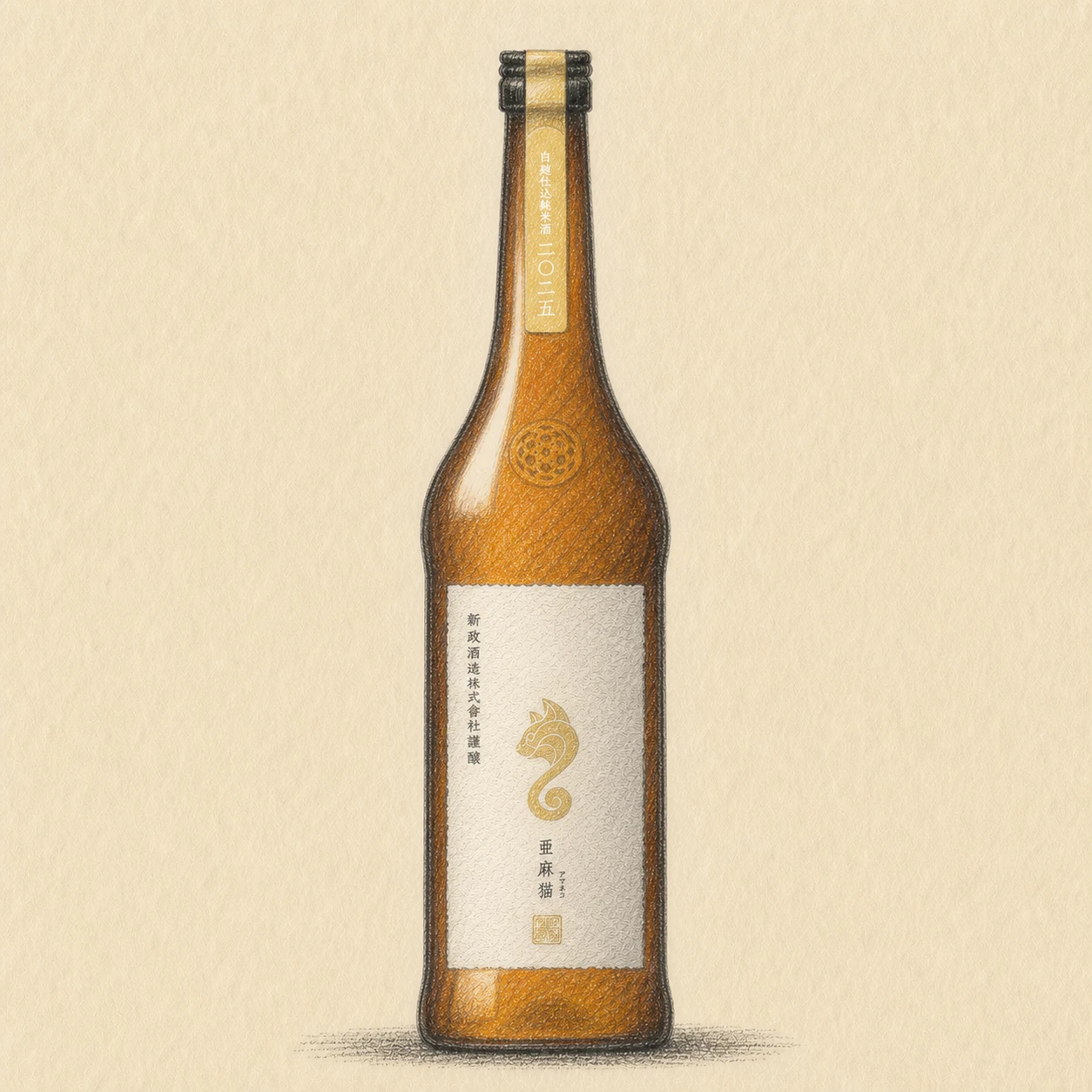
ARAMASA
Akita, Aramasa Brewery
Browse by category
Akita, Aramasa Brewery
 EVENT INFORMATION28–30 August 2026Queen Sirikit National Convention Center
This website provides factual information about Japanese sake and spirits for adults aged 20 and over in Thailand.เว็บไซต์นี้ให้ข้อมูลข้อเท็จจริงเกี่ยวกับสาเกและสุราญี่ปุ่น สำหรับผู้ที่มีอายุ 20 ปีขึ้นไปในประเทศไทย
By entering, you confirm that you are at least 20 years old and are accessing this site from Thailand.การเข้าสู่เว็บไซต์ถือว่าคุณยืนยันว่ามีอายุอย่างน้อย 20 ปี และกำลังเข้าชมจากประเทศไทย
The rest of the industry moved forward. This brewery decided that was precisely the problem.
Founded in 1852 in Akita, the house spent seven generations brewing as the times requested. Then, in 1930, something arrived that no one had planned for: from a tank inside this brewery, a unique yeast strain was isolated—one that would go on to reshape sake across Japan. Catalogued as Association No. 6, it remains the oldest sake yeast still in active commercial use today.
By 2007, the brewery that produced it had suffered twelve consecutive years of financial loss, with cheap bulk sake filling four out of every five bottles. That year, the eighth-generation heir returned home. A University of Tokyo graduate who had worked as a writer in the capital, he began systematically narrowing the scope of what the brewery permitted itself to do.
Added brewer’s alcohol was eliminated. All yeast strains except No. 6 were abandoned. Rice grown outside Akita was rejected. Synthetic lactic acid in the starter was replaced by kimoto—the patient, historical method that waits for wild bacteria to arrive naturally. Output fell to a fraction of what it had been, yet integrity was fully restored.
In 2013, the house committed even further, returning to kioke—the traditional cedar vats the industry had traded for steel decades earlier. Critics called it a step backward. By 2021, only a single workshop in Japan still knew how to build them, and it announced its closure. Rather than relent, the brewery built its own cooperage from local Akita cedar, completing the conversion of every single tank in 2024.
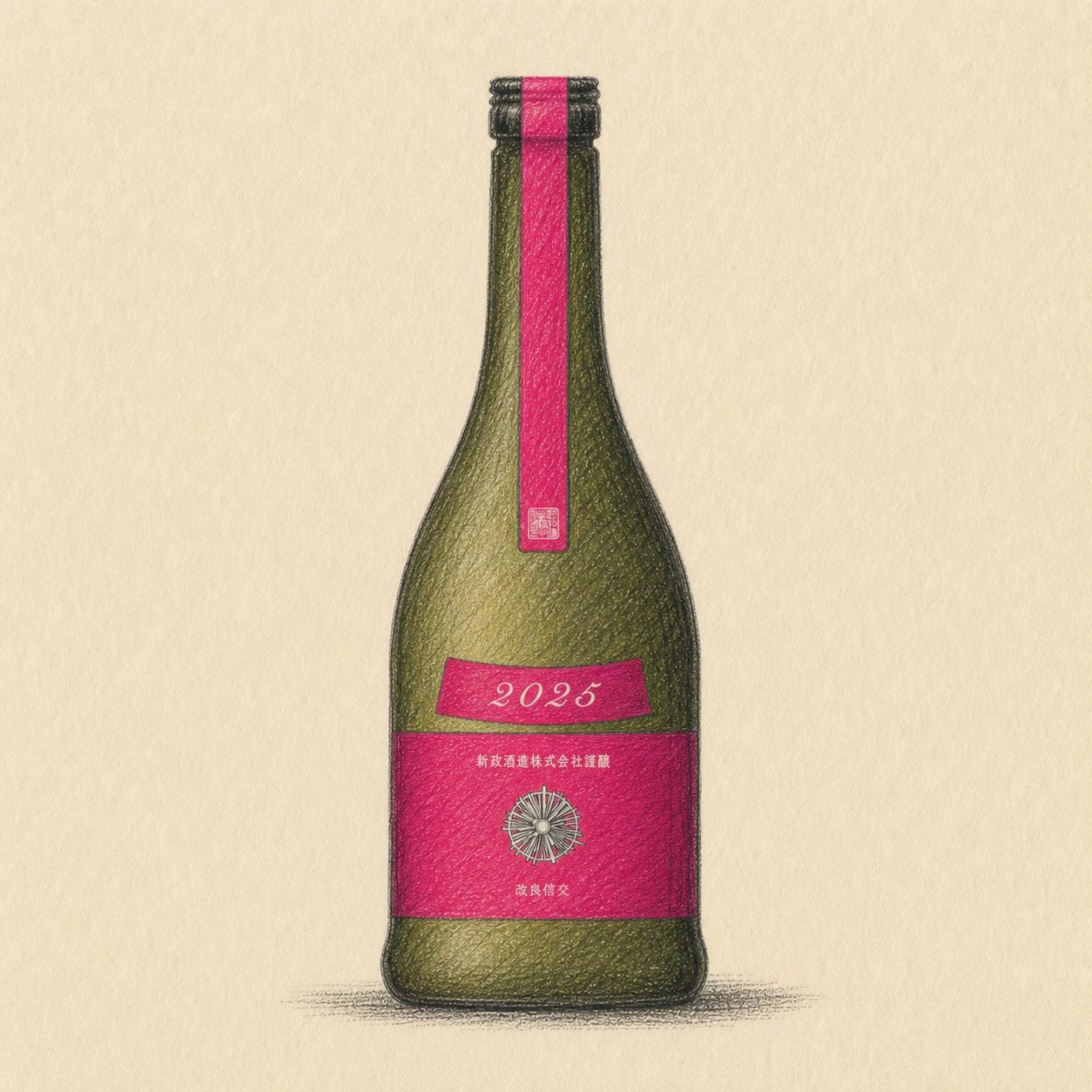
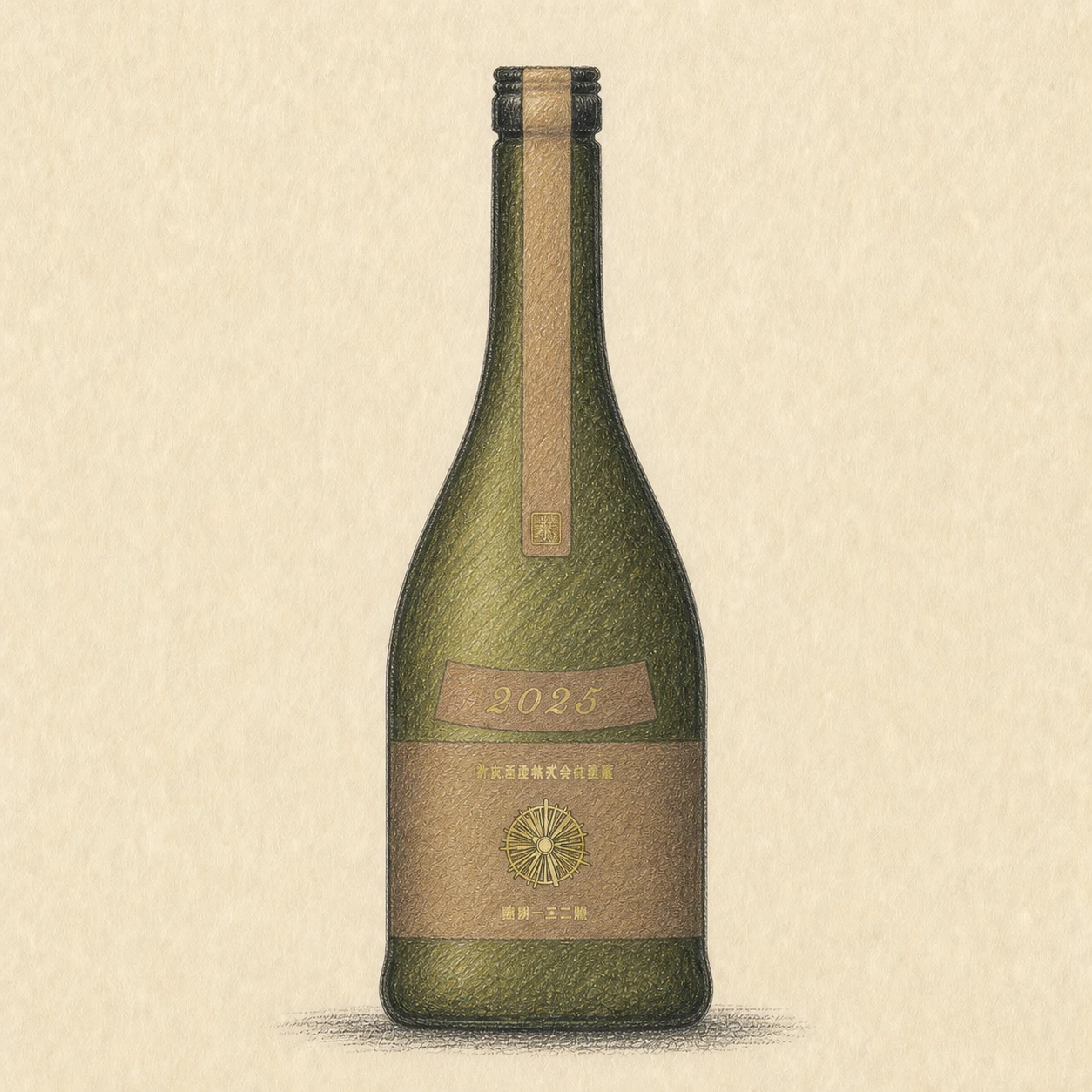
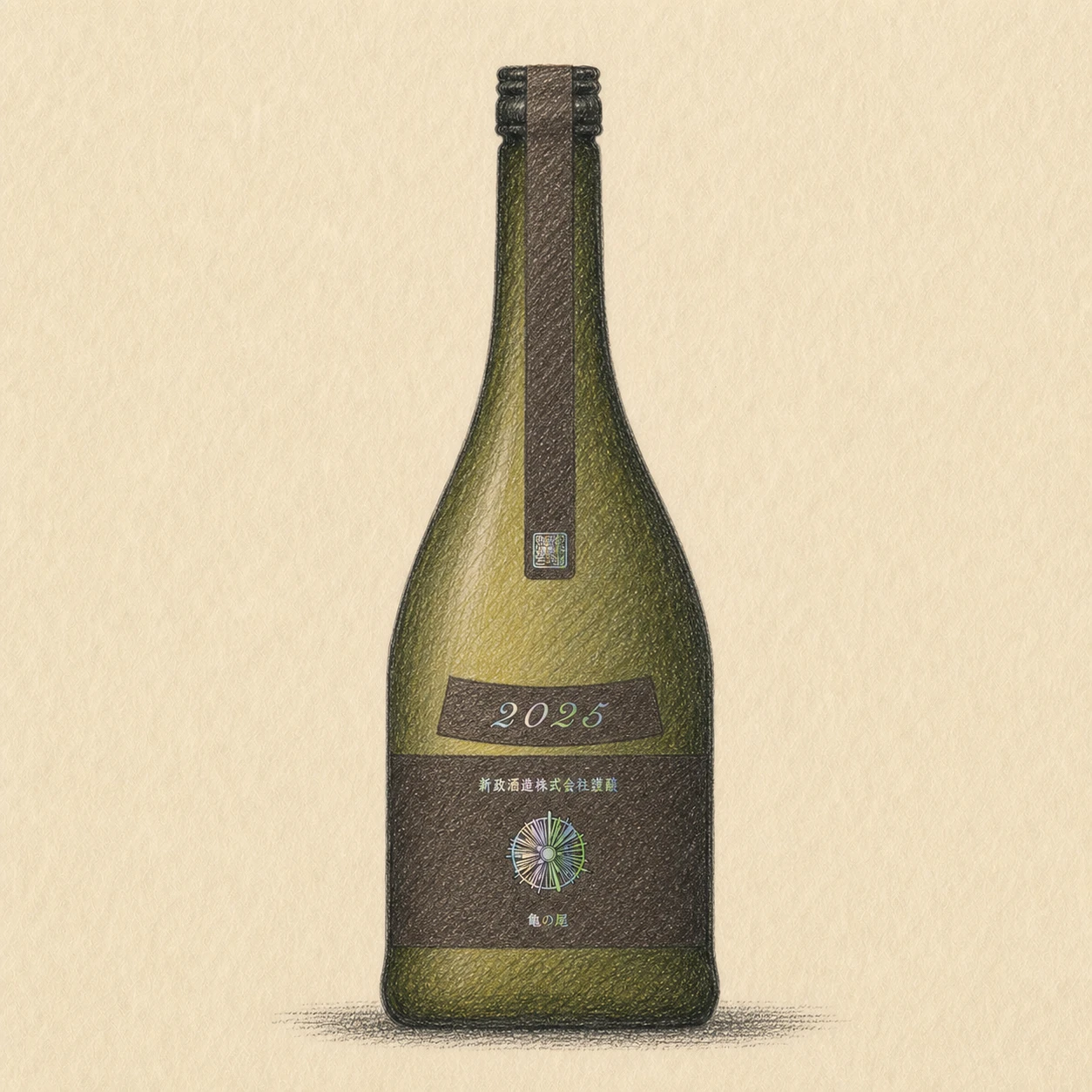
Today, two distinct lines carry this work forward. Colors explores one single rice variety at a time, while Private Lab quietly questions what sake has not yet tried to be.
Each self-imposed rule demands yield, time, and capital. But conviction defines a house. In the years since, artisan breweries across Japan have quietly begun returning to the cedar as well.