Drink
Understanding “Origin” in Sake as the Climate Shifts
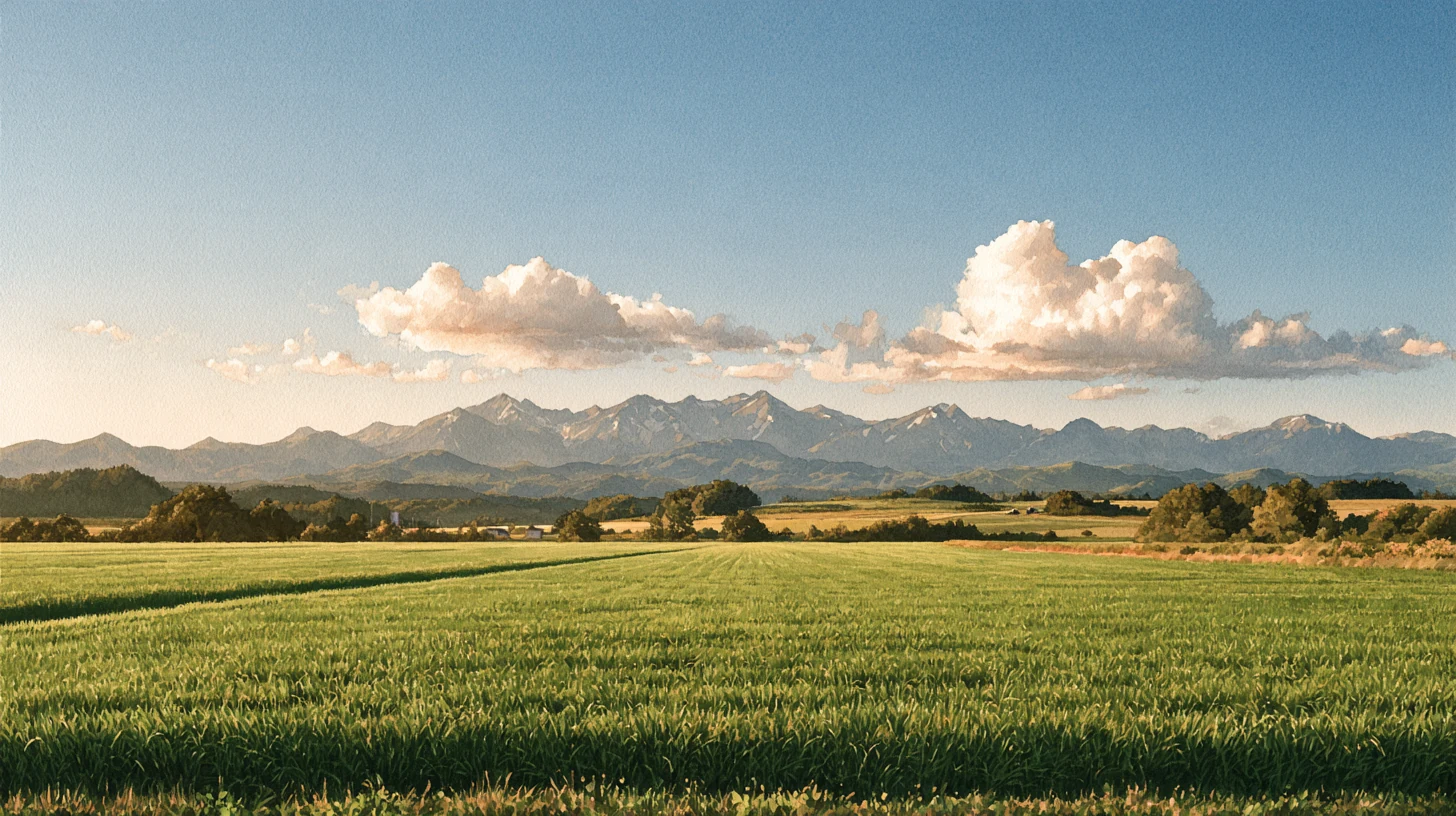
When describing where a sake comes from at a Bangkok restaurant, the brewery’s location is one useful starting point. But the place where its rice was grown, the source of its brewing water, and the place where it was brewed do not always coincide. Changes in temperature affect rice cultivation and brewing in different ways.
Heat Matters in Both the Field and the Brewery
Temperature while sake rice ripens can affect the grain’s properties. Japan’s National Research Institute of Brewing analyzed rice harvested between 2002 and 2019. For sake-brewing rice grown on Honshu, it reported an association: the higher the maximum temperature after the rice plants formed their ears, the less readily the steamed rice broke down under enzymes. How the rice breaks down also matters to the formation of sugars during fermentation. Heat can therefore affect both rice quality and the way a brewery handles it.
Temperature also affects work inside the brewery. Michizakura Shuzo, formerly based in Nakatsugawa, Gifu Prefecture, moved its principal brewery to Higashikawa, Hokkaido, in 2020. In an interview with Japan’s Climate Change Adaptation Information Platform, the brewer explained that rising temperatures had made it harder to cool freshly steamed rice to a suitable temperature for brewing. The aging brewery building was another reason for the move; climate was not the only factor.
In Higashikawa, the town provided the brewery building and Michizakura Shuzo took charge of operations. According to the brewer, using the cooler outdoor air made the rice-cooling work easier than it had been in Nakatsugawa. The water and rice used for brewing changed too. Relocation meant reconsidering a set of brewing conditions, rather than merely moving the brewery to a cooler place.
Hokkaido’s Sake Rice Reflects Years of Breeding
Hokkaido grows sake-rice varieties bred for its conditions, including Ginpu, Suisei, and Kitashizuku. According to the Hokkaido government, locally grown rice accounted for 9.3% of the sake rice used by the region’s breweries in 1999; by 2023, that share had reached 81.3%. The figures show wider use of Hokkaido-grown rice, but the change cannot be attributed to rising temperatures alone. Varietal development, accumulated growing expertise, and decisions by brewers to use local rice have also played a part.
Michizakura Shuzo has worked with Suisei and Kitashizuku grown in Higashikawa. When rice from a new area is used, the conditions behind the ingredients change, even if a sake retains the same brand name. Conversely, a brewery in Hokkaido need not use local rice for every sake it makes. The phrase “Hokkaido sake” alone cannot tell us both where the rice grew and where the sake was brewed.
Reading Rice Origin Separately from Brewery Location
Sakes introduced by Bacchus Global offer clear examples. Tatenokawa Shuzo brews “Tatenokawa Junmai Daiginjo Kyokugen” in Yamagata Prefecture using Yamada Nishiki grown in Hyogo Prefecture. “Tanaka 65,” made by Shiraito Shuzo in Itoshima, Fukuoka Prefecture, uses Yamada Nishiki grown in Itoshima. Both use the same rice variety, yet the relationship between the rice-growing area and brewery differs.
Other breweries place particular emphasis on local rice. Aramasa Shuzo in Akita Prefecture states that it brews only with rice grown in Akita. Yamanashi Meijo, which makes Shichiken, works with local farmers to grow sake rice including Yumeyamasui. Its “Shichiken Kaikoma” uses Yamanashi-grown Yumeyamasui and subsurface water from the Mount Kaikoma area. In Yamagata Prefecture, Takagi Shuzo developed Sake Mirai, a rice variety grown locally and used in the “Juyondai Black Label” carried by Bacchus Global. Yet the “Juyondai Gold Label” from the same brand uses Yamada Nishiki grown in Yokawa, Hyogo Prefecture. A brand name alone cannot establish where its rice was grown.
Terms such as “Junmai Daiginjo” and “Junmai” do not identify a rice-growing area either. They refer to criteria concerning ingredients, rice polishing, and brewing methods. *Terroir* is a concept from the world of wine that connects a place’s climate and soil with the character of what is made there. For sake, origin matters alongside decisions about how rice is polished, which koji and yeast are used, and the temperature of the brewing process.
To describe a sake’s “origin,” it helps to distinguish the rice-growing area, the source of the brewing water, and the place of brewing. In Michizakura Shuzo’s case, relocation changed the combination of water, rice, and temperature. The same questions matter when sourcing sake in Bangkok: where was the rice grown, where did the water come from, and where was the sake brewed? Following what each place name actually refers to makes the explanation of origin more precise.
Related articles
Related product information
This article examines sake rice, brewing water and production regions for educational purposes. It does not promote the purchase or consumption of alcohol. Intended for readers aged 20 and over.
บทความนี้นำเสนอข้อมูลเกี่ยวกับข้าวสำหรับผลิตสาเก แหล่งน้ำ และพื้นที่ผลิตเพื่อการศึกษาเท่านั้น มิได้มีเจตนาส่งเสริมการซื้อหรือการบริโภคเครื่องดื่มแอลกอฮอล์ สำหรับผู้อ่านอายุ 20 ปีขึ้นไป