Drink
The Future of Sake Rice
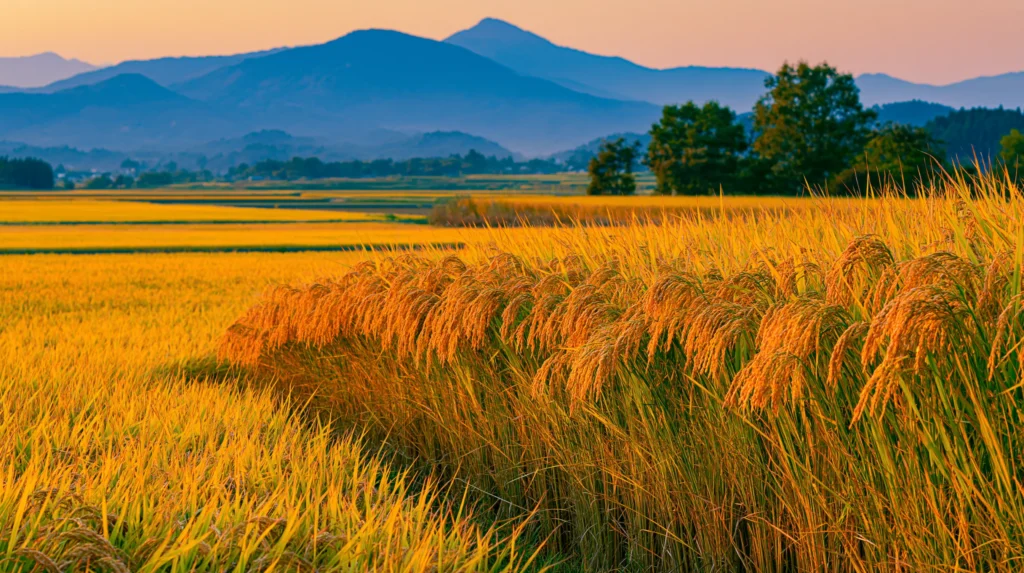
How the “Rice Crisis” is Quietly Reshaping the Foundations of Japanese Sake
Sake is born from rice. Today, this fundamental truth is bringing a new set of challenges to the industry. Many of you may remember the “Reiwa rice crisis” that began in the summer of 2024. News of table rice disappearing from supermarket shelves made headlines around the world. But the ripple effects reached much deeper. The very supply base for sake-brewing rice|known as sakamai|is now at a structural turning point.
A Rational Choice for Farmers
At the heart of the matter is the complex reality of agricultural management. As the market price of table rice surged, the price of sake rice harvested in 2025 rose by more than 30% year on year. Even so, for farmers, growing table rice often makes more sense. Sake rice yields only about five 60-kilogram bags per tan, while table rice can yield around seven from the same area. Currently, table rice also commands a higher unit price. Lower yields, more demanding cultivation processes, and pricing challenges|when these elements overlap, shifting from sake rice to table rice becomes a highly rational agricultural decision. When industry observers note the shift away from sake rice, it is not an emotional observation, but a structural reality.
The Stark Choice Facing Breweries: Adapting to New Realities
Soaring raw material costs are forcing breweries to make careful adjustments. Sake rice accounts for roughly 60% of the raw material cost of sake. If that price jumps significantly, it deeply affects the operations of small, artisanal breweries. In some cases, to maintain sustainable production, retail prices would need to rise considerably|a delicate balance when considering consumer expectations. Across the Tohoku region, several breweries are thoughtfully reassessing their portfolios. According to Nikkei, some have had to gently phase out legacy labels they have crafted for years, and in certain prefectures, the harvest of locally grown sake rice has notably declined. The difficult decisions faced by regional brewers reflect the profound nature of this transition.
A Half-Century Structural Shift and New Institutional Support
This situation has been developing over time. For nearly half a century, from 1970 to 2018, Japan implemented its rice acreage reduction policy, which naturally accelerated the aging demographic of rice growers. Combined with the climatic challenges affecting yields and the rising demand for table rice from international visitors, the delicate balance of supply and demand has shifted.
In response, the National Tax Agency, which oversees liquor administration, has introduced supportive measures. According to a 2026 report by The Japan Times, a progressive program is encouraging direct partnerships between breweries and farmers. Historically, sake rice distribution has relied on indirect transactions through Japan’s agricultural cooperative network. By fostering direct partnerships, farmers can secure stable buyers, while breweries can reliably procure the specific sake rice varieties they need to perfect their craft. The shared goal is to cultivate a system that sustains the art of brewing and the livelihood of farmers alike.
What This Means for Bangkok’s Dining Scene
This structural evolution resonates far beyond Japan, subtly shaping the dining experiences here in Bangkok. Thailand has grown into one of the world’s leading destinations for Japanese sake, meaning these agricultural shifts naturally influence the availability and cost of the sake that reaches our tables. Some esteemed brands are already adapting their approaches to meet these new economic realities.
What is essential to recognize is that this represents a lasting change in the landscape of sake production. As the supply structure for sake rice evolves, certain limited releases from boutique breweries that rely on highly specific local rice varieties may become increasingly rare. For those who appreciate fine sake, understanding the agricultural realities behind each bottle adds a deeper layer of appreciation to every glass poured.
Growing rice, carefully converting it into sugars with koji, and guiding its fermentation with yeast|the entire art of sake is rooted in the soil. The current environment surrounding sake rice is not solely about brewing techniques; it is a quiet invitation to reflect on the enduring relationship between nature, agriculture, and the culture of Japanese craftsmanship. (Mr. Bacchus)
This article is intended solely to explore the cultural heritage of sake brewing and the structural transformation of the rice supply chain in the Japanese sake industry, and does not aim to promote or encourage the consumption of alcohol. / บทความนี้จัดทำขึ้นเพื่อนำเสนอข้อมูลเกี่ยวกับมรดกทางวัฒนธรรมของการผลิตสาเกและการเปลี่ยนแปลงเชิงโครงสร้างของห่วงโซ่อุปทานข้าวในอุตสาหกรรมสาเกญี่ปุ่นเท่านั้น มิได้มีเจตนาเพื่อส่งเสริมหรือโฆษณาเครื่องดื่มแอลกอฮอล์ สำหรับผู้มีอายุ 20 ปีขึ้นไป โปรดดื่มอย่างรับผิดชอบ
Discover the culture behind every bottle
We share brewery stories, tasting notes and the craft of koji & fermentation | for educational and cultural purposes only.
เราถ่ายทอดเรื่องราวจากผู้ผลิต บันทึกรสชาติ และศาสตร์แห่งโคจิและการหมัก | เพื่อการศึกษาและวัฒนธรรมเท่านั้น
Follow on Instagram FacebookRelated Articles
“Reviving the Ancestor of a Legendary Sake Rice” / “A New Geography of Sake” / “The Evolution of Sake”