Bacchus
LINE

Journal

Blog

Stories of makers, ingredients, places and the decisions behind Japan's most compelling drinks.

A Vermouth Built on Mirin

Drink

A Vermouth Built on Mirin

Emerging from a Wooden Mill Without a Still What is Vermouth? At its core, vermouth is a fortified wine infused with herbs and spices. Formalized in 18th-century Turin, it has long served as the foundation for classic cocktails such as the Negroni and the Manhattan. Its base has always been wine—an assumption that has remained largely […]

Read more
When Five Citrus Fruits Converge

Drink

When Five Citrus Fruits Converge

The Terroir Expressed by Sakurao Distillery’s Gin in Hiroshima Hiroshima Prefecture produces more lemons than anywhere else in Japan. Yet, this agricultural heritage remains a quietly kept secret. Along the warm hills facing the Seto Inland Sea grow lemons, navel oranges, natsumikan, yuzu, and daidai bitter oranges. Each tree bears only one kind of fruit. […]

Read more
From Sweet Potato

DAIYAME, SEKITOBA

From Sweet Potato

The Aroma of Lychee In the world of imo shochu, there is an unspoken rule. Sweet potatoes are all about freshness. Once harvested, they should be steamed and processed as quickly as possible. Leave them too long, and they begin to deteriorate. Damaged potatoes create off-odors. So everything moves fast. In imo shochu production, that […]

Read more
The Quiet Revelation of the Third Grape

Drink

The Quiet Revelation of the Third Grape

Time, Terroir, and the Forgotten Grape: The Philosophy of Vincent Charlot The Quiet Revelation of the Third Grape Historically, Champagne has been defined by a traditional hierarchy. At the top sits Chardonnay, followed by Pinot Noir. These two varieties occupy the most highly classified vineyards and have long dominated international acclaim. For generations, however, the […]

Read more
Why Juyondai Quietly Remains at the Top

Drink

Why Juyondai Quietly Remains at the Top

In the April 2026 rankings on SAKETIME, Japan’s largest sake review platform, Juyondai (Takagi Shuzo, Yamagata) held onto the number-one position. With Aramasa (Akita) in second, Shinshu Kirei (Nagano) in third, and Jikon (Mie) in fifth, the highest echelons remain largely unchanged. In an industry where trends constantly shift, this steadfastness is remarkable. Sake has […]

Read more
The Day Sake Reached Bangkok’s Table

Drink

The Day Sake Reached Bangkok’s Table

Double-Digit Growth in Three Southeast Asian Markets Numbers tell us one thing for certain: a door has opened. Ever since humanity first learned to ferment grain several thousand years before the Common Era, alcohol has reflected both culture and place. Sake is a drink that was quietly refined within the confines of an island nation, deepening inward for centuries. Now, it is beginning to move across the sea. In 2025, sake exports reached approximately 45.9 billion yen, with shipments going to a record 81 countries and regions. Both export value and volume hit all-time highs, according to the National Tax Agency and the Japan Sake and Shochu Makers Association. Looking at the country-by-country data, Southeast Asia stands out. Thailand was up 17.7 percent year over year, Vietnam 14.5 percent, and Malaysia 12.4 percent. All three posted double-digit growth at the same time. Observing the sake landscape in Bangkok for over a decade, it is rare to see the sentiment on the ground mirror statistics so perfectly. Double-digit growth may not sound dramatic, but the fact that all three countries are expanding at once carries real weight. Precisely because this growth is coming off a still-small base, it feels like we are standing at the threshold of a more important question: how this market will mature from here.

Read more
The Day a Litany Became the Name of a Place

Clos des Litanies Pomerol

The Day a Litany Became the Name of a Place

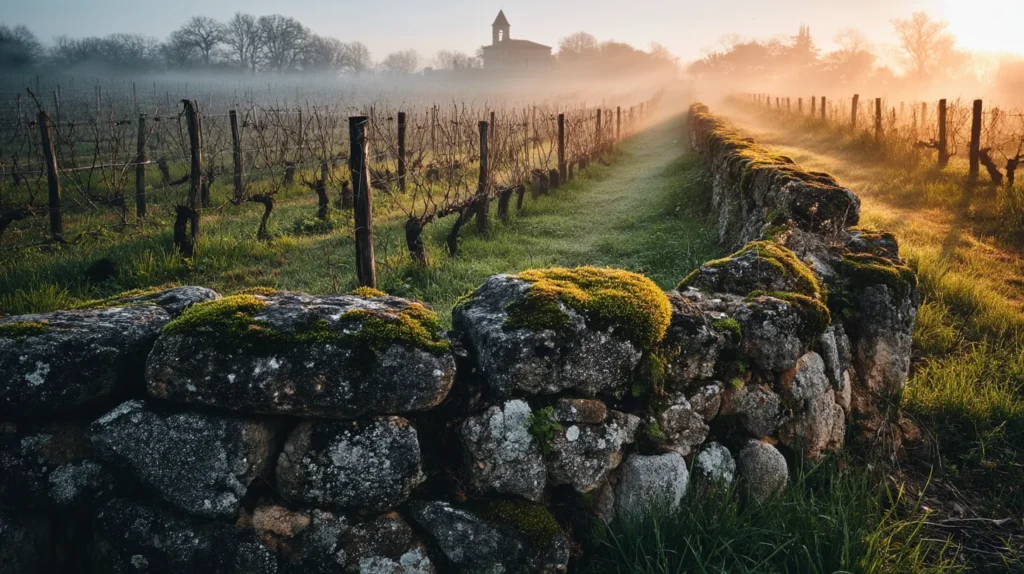
In a Corner of Pomerol, 1514 On April 19, 1514, in Pomerol in southwestern France, Jean de Vallon, prior of the Knights of Malta, appointed a young monk to serve the parish priest of Saint-Jean de Pomeyrol. His name was Mathieu Boschuet. Records describe him as “a man recommended for his religious fervor and for the sincerity of his life and morals.” Brother Boschuet withdrew from the bustle of the parish and settled in a small enclosed plot surrounded by vineyards. There, it is said, he would open his breviary each day and quietly, repeatedly recite a litany to Saint Vincent, the patron saint of winemakers.

Read more
Reviving the Ancestor of a Legendary Sake Rice

Drink

Reviving the Ancestor of a Legendary Sake Rice

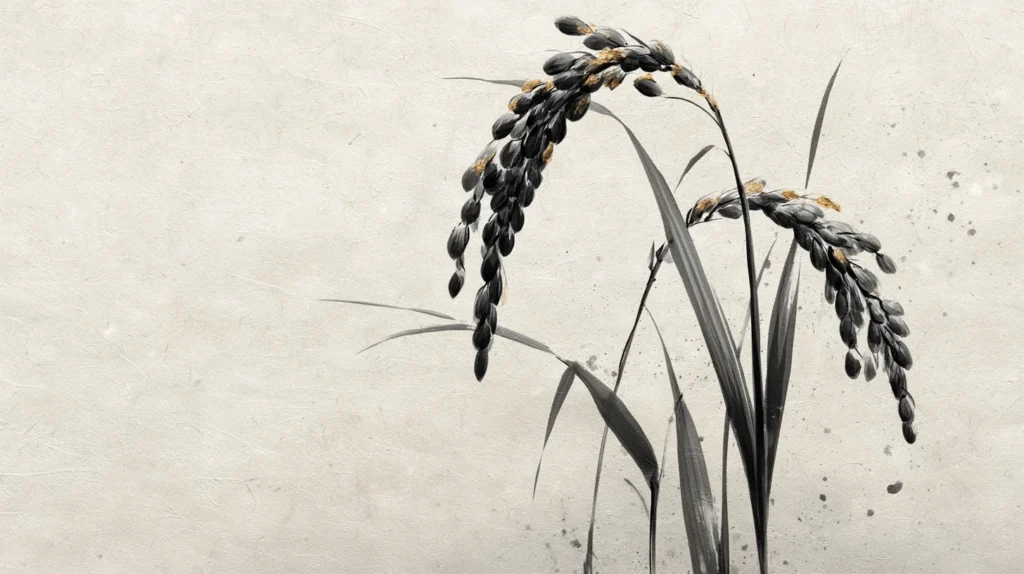
The Rice That Came Before Kame-no-O For those who appreciate the nuances of sake, the name Kame-no-O often resonates. Cultivated in 1893 in Yamagata Prefecture’s Shonai region, it is a celebrated sake rice known for its near-extinction and triumphant revival. Yet, fewer may know of the heirloom variety that served as its predecessor: Sobewase.

Read more
A Champagne Born from a Single Jaguar

Bruno Paillard

A Champagne Born from a Single Jaguar

The Broker with No Wine of His Own In 1981, within the historic city of Reims in France’s Champagne region, a man sold his vintage Jaguar. His name was Bruno Paillard. Deeply versed in the trade as a Champagne broker (négociant), he possessed a profound understanding of the region's finest offerings. Yet, despite his expertise and keen eye for exceptional wines, not a single bottle bore his own name. With the funds from selling his beloved car, Paillard founded his own maison. Champagne is a world long dominated by grandes maisons with histories stretching back centuries. For an independent house established after the war to achieve international acclaim was an exceedingly rare feat.

Read more
Hiraku

Drink

Hiraku

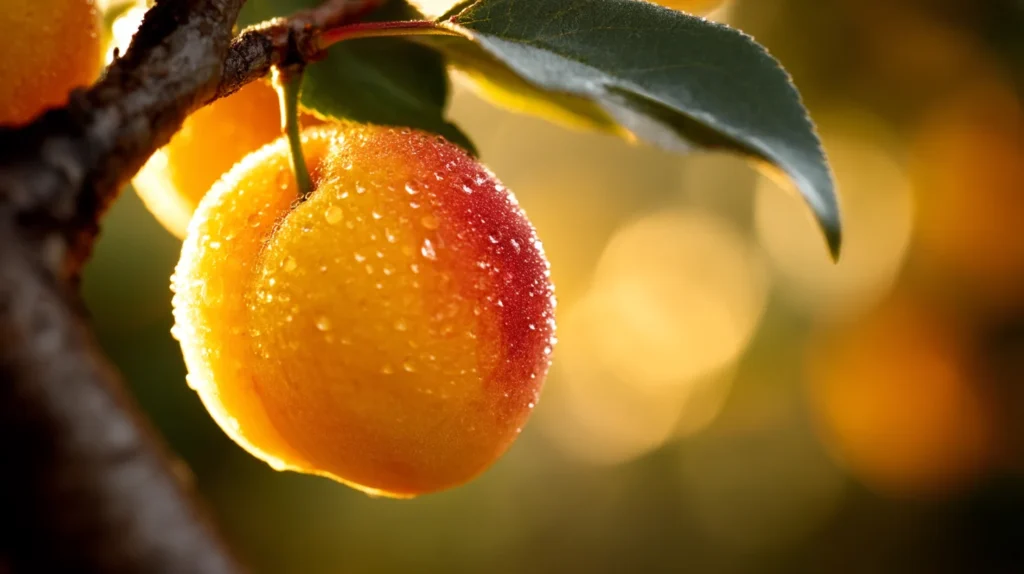
A Deep Understanding of Plums, Yet a Barrier to Brewing For decades, the artisans at Kishu Honjo Umeyoshi possessed a profound understanding of plums, yet the path to crafting spirits remained closed. Situated in Minabe, Wakayama Prefecture—a region celebrated as one of Japan’s premier plum-growing areas and recognized in 2015 as a Globally Important Agricultural Heritage System by the FAO—the estate has been cultivating and processing pickled plums since 1971. Over fifty years, they cultivated deep agricultural expertise, mastering the preservation of umeboshi. However, transitioning to plum liqueur presented a distinct challenge. Under Japan’s Liquor Tax Act, spirit production requires stringent licensing, a framework that historically offered no avenue for plum farmers to participate.

Read more

Age Verification

This website contains information about alcoholic beverages and is intended for audiences aged 20 and above. Please confirm your age to continue.