Drink
Why Cheese and Sake Resonate: A Shared Transformation Through Fermentation
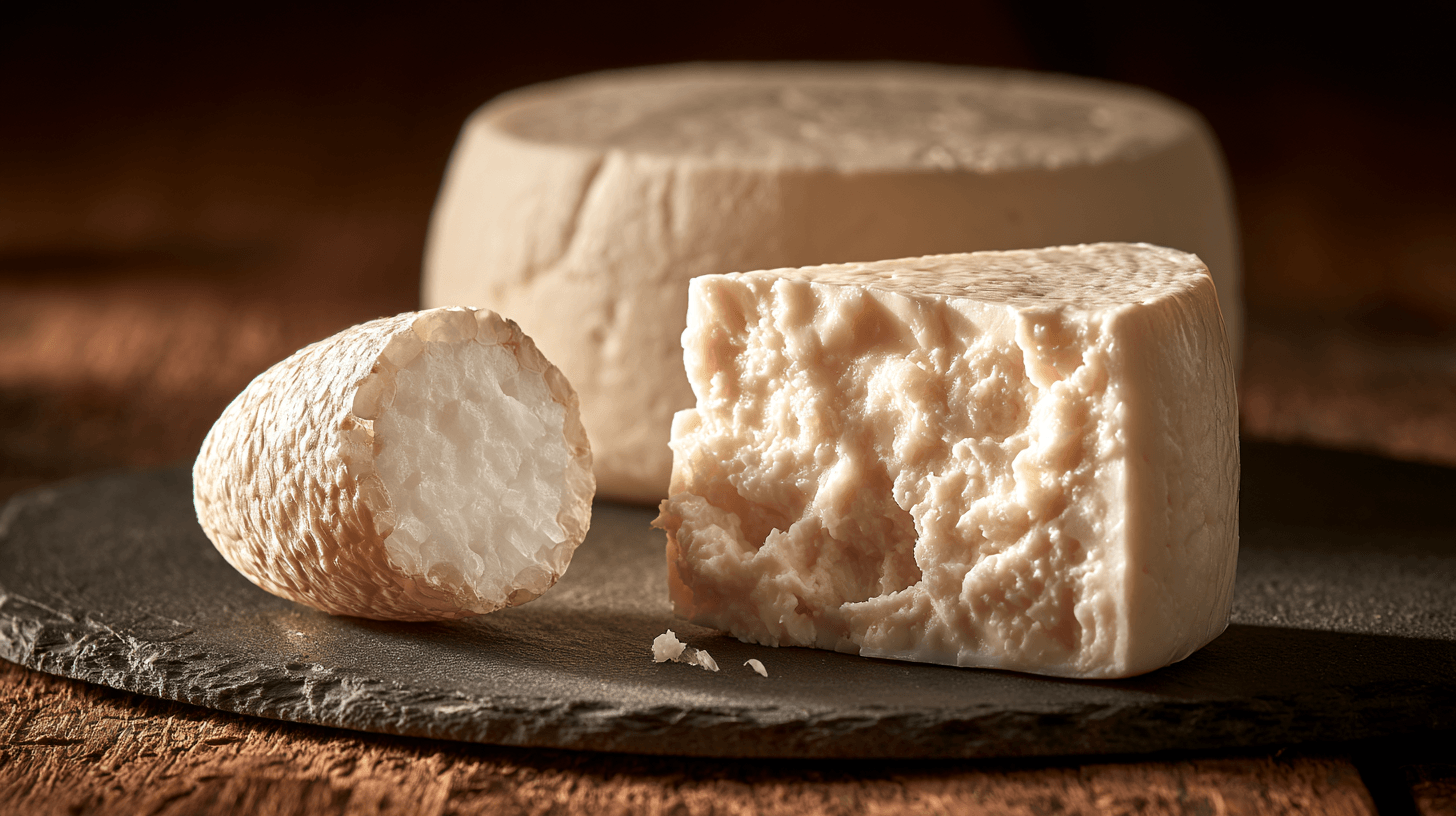
In Bangkok’s bistros, pairing wine with cheese has long been a familiar ritual. As imported wines have become more widely available, a growing number of restaurants have begun serving European cheeses alongside high-quality natural wines. Yet although both cheese and sake are products of fermentation, the pairing of the two is still rarely discussed in a systematic way.
One reason is simply that they have had relatively few opportunities to meet. Establishments devoted to sake and those centered on cheese have traditionally occupied separate spheres. But as the culture of wine and cheese has taken root in Bangkok’s cosmopolitan food scene, there is increasingly room for sake at the same counter. So where might sake fit in a pairing experience built around cheese? To answer that, it helps to examine the logic behind the combination.
Two Forms of Breakdown, Happening in Different Places
In sake production, amylase enzymes produced by koji mold break down the starch in rice into sugars, while proteases and peptidases break down rice proteins into peptides and amino acids. Some of these compounds contribute to the umami and richness of the finished sake.
A similar process occurs as cheese matures. Enzymes derived from rennet, lactic acid bacteria, surface microorganisms, and other sources break down casein into peptides and free amino acids. These compounds play a role in developing the flavors and aromas associated with maturation.
This is different from pairing theories based on identifying matching aroma molecules. What matters here is the similarity in the process of transformation itself: proteins are broken down to produce amino acids. In one case, that breakdown takes place within grains of rice; in the other, within curds. The same broad category of transformation unfolds independently in two very different ingredients. That parallel offers one way of understanding why cheese and sake can work together.
Different Styles of Sake Create Different Points of Resonance
Place different styles of sake alongside different cheeses, and the ways in which they overlap begin to emerge.
Ginjo sake is known for the bright, aromatic esters produced through fermentation at low temperatures, along with a relatively clean acidity. A fresh cheese such as mozzarella, with its delicate dairy character and restrained saltiness, does not overwhelm those subtle aromas. The two meet while allowing each to retain its own distinct character.
Junmai sake, made without the addition of brewer’s alcohol, tends to have a fuller, rice-derived umami character. An aged semi-hard cheese such as Comté offers nutty sweetness and savory depth, giving it a center of gravity that sits naturally alongside the rounded umami of junmai sake.
Yamahai and kimoto methods allow lactic acid bacteria from the brewery environment to play a role during the development of the yeast starter, naturally building up lactic acid. The resulting sake often develops complex acidity and greater depth. Washed-rind cheeses such as Époisses are washed with brine as they mature, while communities of yeasts and bacteria on the rind drive the breakdown of proteins and fats from the outside inward. The pathways are different, but both sake and cheese move in the same direction: microorganisms and time create layers of aromatic and flavor complexity.
Long-aged sake, or koshu, can develop sherry-like complexity through reactions involving sugars and amino acids, combined with gradual oxidation. The layers of saltiness and bitterness found in blue cheeses such as Roquefort can stand up to that mature depth, allowing the weight and intensity of each to meet on equal terms.
The Advantage of a Minimal Tannin Profile
In wine-and-cheese pairings, tannins in red wine can interact with the fat and proteins in cheese, changing the way astringency is perceived. This is one reason white and lightly sparkling wines are often favored with cheese.
Because sake is made primarily from rice rather than tannin-rich grape skins and seeds, it contains extremely little tannin compared with wine. Rice does contain trace amounts of phenolic compounds, but these belong to different classes of compounds and should not simply be equated with tannins. The relative absence of pronounced astringency, together with the gentle acidity shaped by lactic, succinic, malic, and other acids, offers another useful clue when considering sake’s compatibility with cheese.
Fermentation as a Shared Language
Koji transforms rice; lactic acid bacteria, molds, and other microorganisms transform milk. Both sake and cheese are products in which microbial activity changes the very nature of the original ingredient. Their pathways may differ, but the umami, complexity, and depth that emerge from those transformations often overlap.
Cheese, then, can be placed alongside sake within the same story: both are examples of transformation through fermentation. Building a pairing is, in this sense, an act of bringing together things that resonate at a structural level. Cheese and sake reveal a meeting point between two products that speak the same quiet language of fermentation.
This article is intended solely to explore the fermentation science and brewing philosophy connecting sake and cheese as culturally paired foods, and does not aim to promote or encourage the consumption of alcohol. / บทความนี้จัดทำขึ้นเพื่อนำเสนอข้อมูลเกี่ยวกับวิทยาศาสตร์การหมักและปรัชญาการผลิตที่เชื่อมโยงสาเกกับชีสในฐานะอาหารที่จับคู่กันทางวัฒนธรรม เท่านั้น มิได้มีเจตนาเพื่อส่งเสริมหรือโฆษณาเครื่องดื่มแอลกอฮอล์ สำหรับผู้มีอายุ 20 ปีขึ้นไป โปรดดื่มอย่างรับผิดชอบ
Discover the culture behind every bottle
We share brewery stories, tasting notes and the craft of koji & fermentation | for educational and cultural purposes only.
เราถ่ายทอดเรื่องราวจากผู้ผลิต บันทึกรสชาติ และศาสตร์แห่งโคจิและการหมัก | เพื่อการศึกษาและวัฒนธรรมเท่านั้น
Related Articles
“The Molecular Harmony of Sake and Foie Gras” / “Beyond the Sushi Counter” / “Little tips about Sparkling sake”
Related Product(s)
AKABU Junmai-Ginjo / SHICHIDA Junmai / JOKIGEN Yamahai Junmai / N by HIDETOSHI NAKATA VINTAGE 2017