Drink
Born from Medicine, Unbound by Definition
The Unfettered Evolution of Liqueur
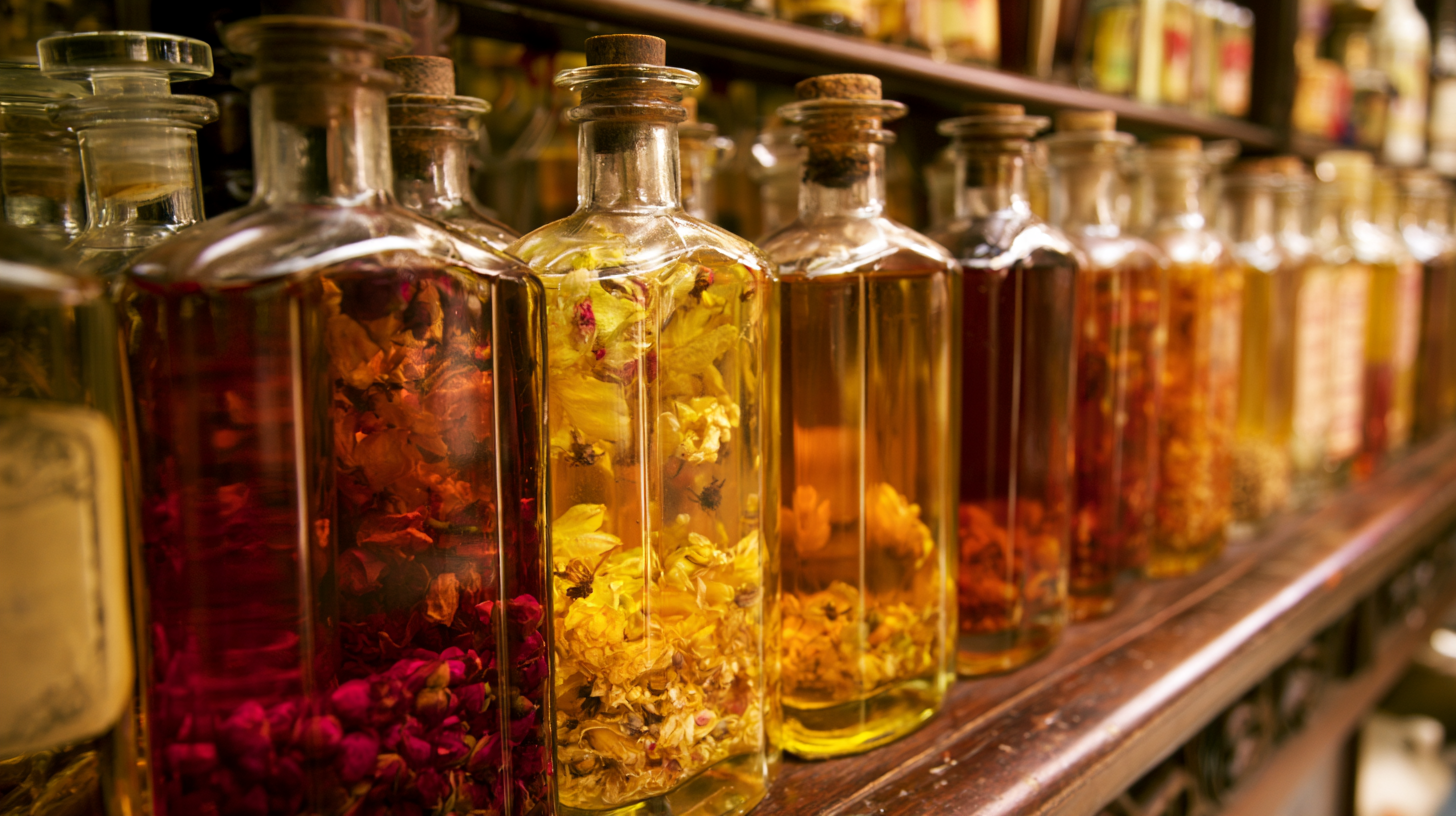
Born from Medicine, Unbound by Definition: The Unfettered Evolution of Liqueur
Among the vast world of spirits, few categories possess the sheer fluidity of liqueur.
At its core, a liqueur is an expression of alchemy: a spirit base—be it whisky, gin, or vodka—infused with the essence of botanicals, fruits, or spices, balanced with a delicate sweetness. This boundless definition is not a lack of identity, but rather its greatest allure, offering an infinite canvas for craftsmanship.
An Origin Rooted in Remedial Wisdom
Long before it graced the lounges of the modern world, liqueur existed as a remedy.
Its ancestry traces back to fourth-century BCE ancient Greece, where Hippocrates—the revered father of medicine—infused wine with herbs to create therapeutic elixirs. In this ancient epoch, aromatic botanicals held the cure, and alcohol served as the precise vessel to deliver their healing properties to the body.
This practice evolved dramatically around the 13th century with the advent of advanced distillation. High-proof spirits allowed for a more profound extraction of botanical essences, securing their longevity. In medieval Europe, monasteries became the sanctuaries of this herbal knowledge. Monks meticulously steeped flora in spirits to capture their curative virtues, giving rise to several classic herbal liqueurs that endure to this day as liquid history.
By the late 15th century, these remedies transitioned into the realm of pleasure, treasured as luxuries for their complex aromas and sweetness. The Age of Exploration further broadened this horizon; global trade routes introduced coffee, cacao, vanilla, and exotic citrus fruits, transforming liqueur into a rich tapestry of global flavors.
The Etymology of Dissolution
The word “liqueur” itself mirrors its craftsmanship.
It finds its roots in the Latin liquor (liquid) and liquefacere (to dissolve or melt). This linguistic origin captures the exact nature of its creation: the meticulous process of dissolving the vibrant oils, aromas, and flavors of nature into a spirited foundation. The entire philosophy of the craft is distilled into this single term.
Four Pillars of Flavor
Liqueurs are traditionally categorized into four distinct families based on their botanical and flavor profiles.
The first is the “herb and spice” lineage—composed of aromatic plants and medicinal herbs, representing the direct descendants of ancient remedies. The second is the vibrant “fruit” family, utilizing citrus, cassis, and orchard berries. The third encompasses “nuts and beans,” celebrating the rich depths of coffee, cacao, and vanilla. The final category is beautifully open-ended, embracing unique textures like cream and fresh eggs.
This final, fluid category highlights the inherent freedom of the medium. Unbound by rigid regulations that govern other spirits, the definition of liqueur remains perpetually open. It invites constant innovation, allowing avant-garde makers to transform unexpected ingredients into balanced, liquid poetry.
The Contemporary Evolution of Freedom
While a flexible definition might suggest a lack of structure, it is, in truth, the category’s greatest strength.
In Japan, artisans are shifting paradigms by introducing ingredients historically foreign to Western blending traditions. Local plums, vibrant yuzu, aromatic sesame, and even koji—the bedrock of Japanese fermentation—are being masterfully crafted into contemporary liqueurs. More than two millennia after Hippocrates’ early experiments, the craft refuses to stagnate precisely because it remains unconfined.
Today, this evolution resonates deeply within global gastronomic landscapes. In dynamic culinary capitals like Bangkok, discerning palates are embracing these nuanced liqueurs as a sophisticated medium for flavor expression. To understand liqueur is to appreciate an enduring lineage of human ingenuity. Within a single, quiet bottle lies a history of aromatic pursuit that spans centuries—a timeless dialogue between nature, science, and the senses. (Mr. Bacchus)
This article is intended solely to explore the history and cultural heritage of liqueur, and does not aim to promote or encourage the consumption of alcohol. / บทความนี้จัดทำขึ้นเพื่อนำเสนอข้อมูลเกี่ยวกับประวัติศาสตร์และมรดกทางวัฒนธรรมของลิเคียวร์เท่านั้น มิได้มีเจตนาเพื่อส่งเสริมหรือโฆษณาเครื่องดื่มแอลกอฮอล์ สำหรับผู้มีอายุ 20 ปีขึ้นไป โปรดดื่มอย่างรับผิดชอบ
Related Articles
“The Art of Japanese Herb Liqueur: Kanegasaki’s Signature Flavors” / “The Duality of Minabe” / “The Genesis of Jet Black” / “The Birthplace of Triple Sec, 190 Years of Combier Distillery Magic”
Related Product(s)
CROP & CROP Black Sesame / CU9-Fuu / Mirin Base / CU9-Yii / Gin Base / COMBIER Original / COMBIER Elixir / KANEGASAKI Creme de Cassis Kubo
Discover the culture behind every bottle
We share brewery stories, tasting notes and the craft of koji & fermentation — for educational and cultural purposes only.
เราถ่ายทอดเรื่องราวจากผู้ผลิต บันทึกรสชาติ และศาสตร์แห่งโคจิและการหมัก — เพื่อการศึกษาและวัฒนธรรมเท่านั้น
Follow on Instagram Facebook