Stories Behind the Bottle
Kanegasaki Herbal Distillery: Four Seasons from One Field
The field is not a backdrop. It is the method that holds the series together.
In winter, the fields of Kanegasaki turn almost monochrome. Stems are cut back, the soil darkens, and snow reduces the landscape to its structure. It might seem an unlikely place to begin a story about four seasons. Yet the winter expression in the WAKA series is called Hajime—“beginning”.
A Bacchus Global feature called the series The Song of Earth. The phrase works only if the earth is treated as more than scenery. The more revealing story is how a former bartender returned to his home town and made the changing field a working system for deciding what a local liqueur could say.
From the Bar Counter to Home Soil
Kazuma Oikawa grew up in Kanegasaki, left for Tokyo at eighteen and later became a bartender. A period in Vancouver exposed him to craft cocktails and to small producers whose drinks carried the identity of their immediate surroundings. The lesson was not simply that local ingredients were fashionable. It was that a small producer could build a coherent language from the materials close at hand.
Oikawa eventually returned to Kanegasaki during the pandemic. K.S.P was established in 2021 around three connected activities—production, agriculture and design. The company obtained its liqueur manufacturing licence in late November that year, began production the following month and released WAKA the next spring.
The choice of WAKA as the first release mattered. Kanegasaki was familiar with rice and sake, but a locally made herbal liqueur did not arrive with an established vocabulary. Oikawa began with four compact seasonal ideas that a reader could recognise before knowing the category.
A Farm, Not a Decorative Origin Story
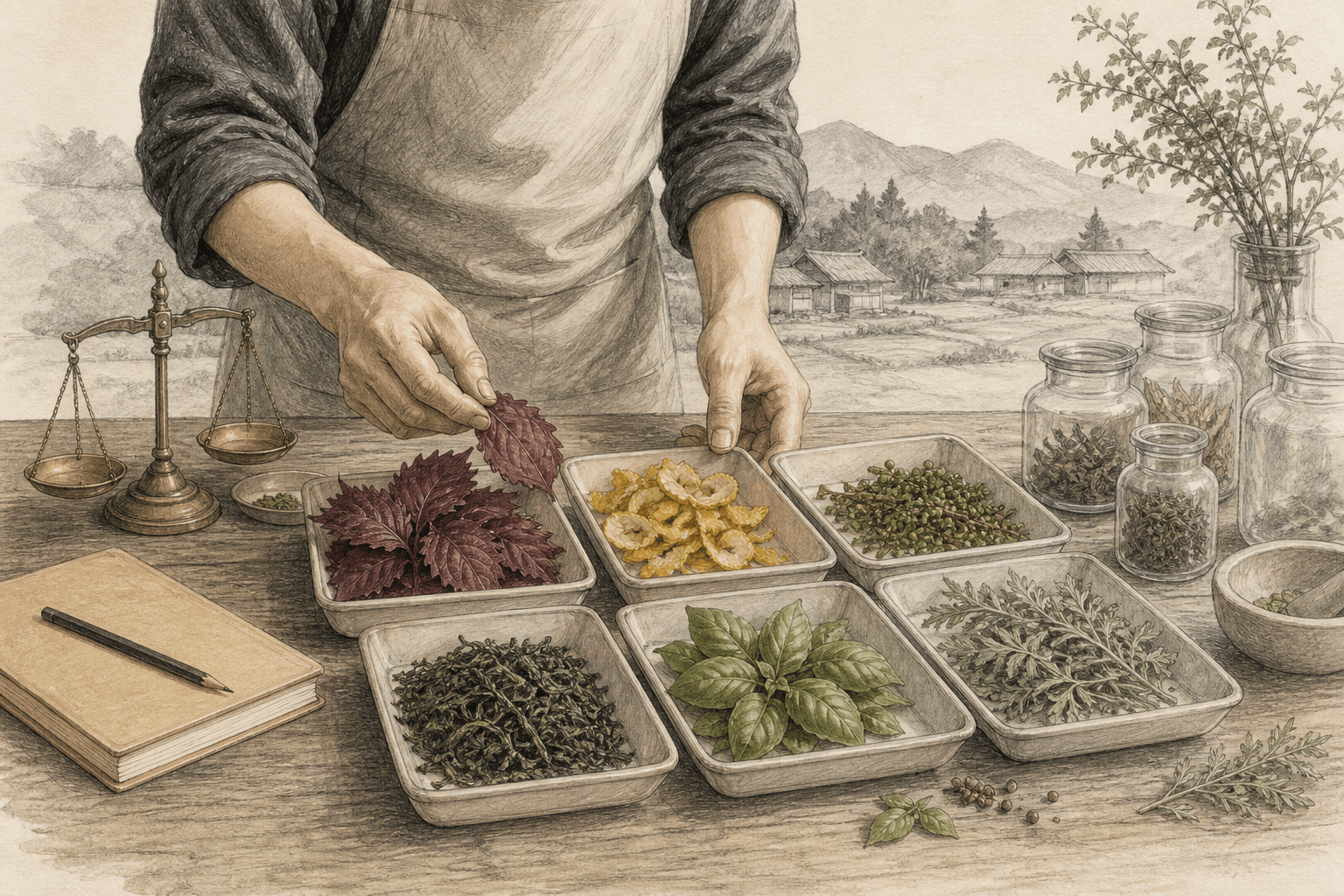
K.S.P’s official account says its herb farm now grows around fifty kinds of plants. That number describes the farm, not the recipe of one bottle. The same account also describes receiving small quantities of plants and agricultural materials from local partners, including produce that might otherwise be discarded. The model is therefore not a sealed estate supplied by a single plot. It is a small network organised around Kanegasaki.
Oikawa has described the place in practical terms: snowy winters, properly hot summers, a marked annual temperature range, clear groundwater and clay-rich soil. In his account, these conditions are especially favourable to strongly aromatic herbs such as wormwood and certain berries. The land enters the story as a set of constraints and possibilities, not as a vague claim of purity.
Four Seasons, Four Decisions
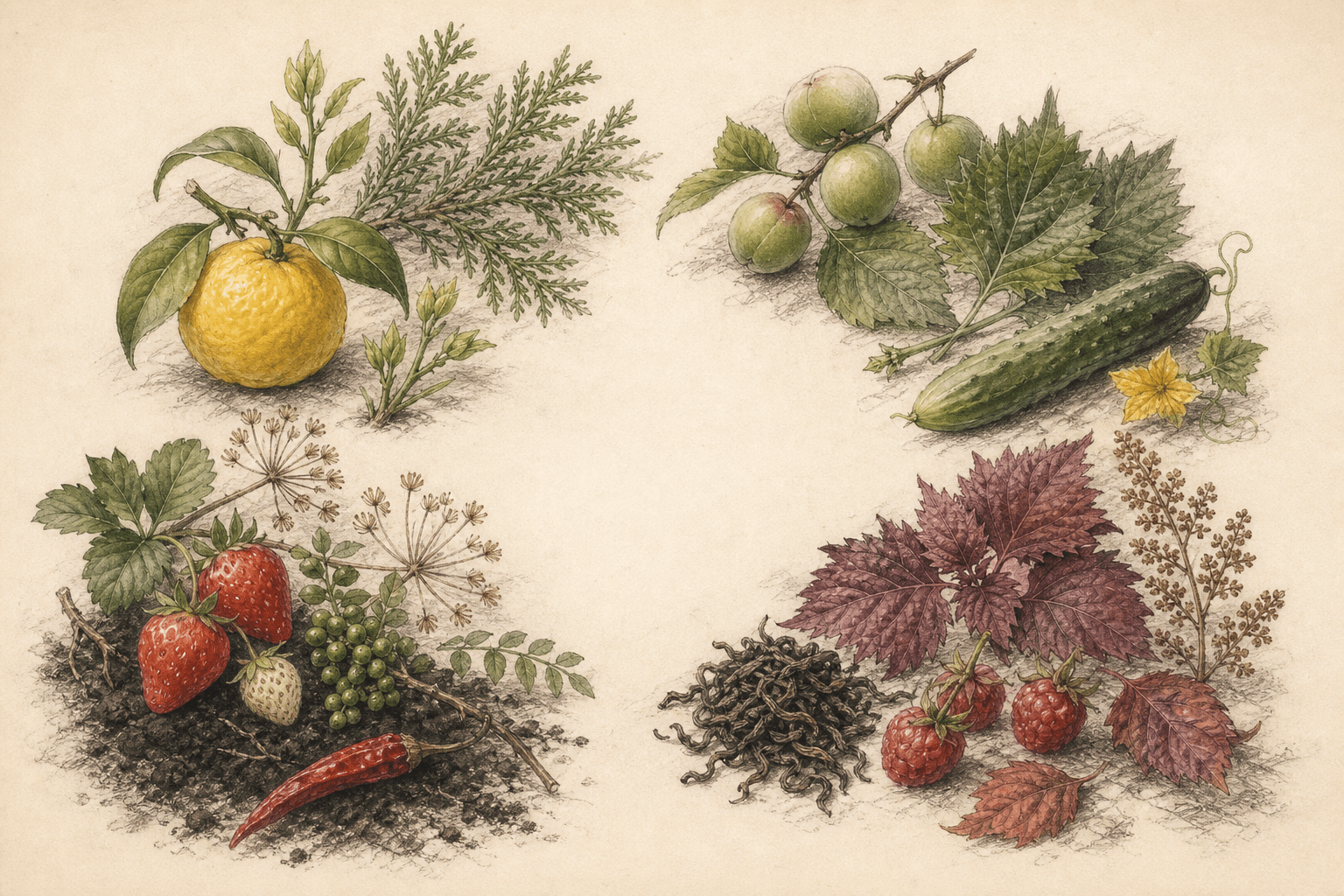
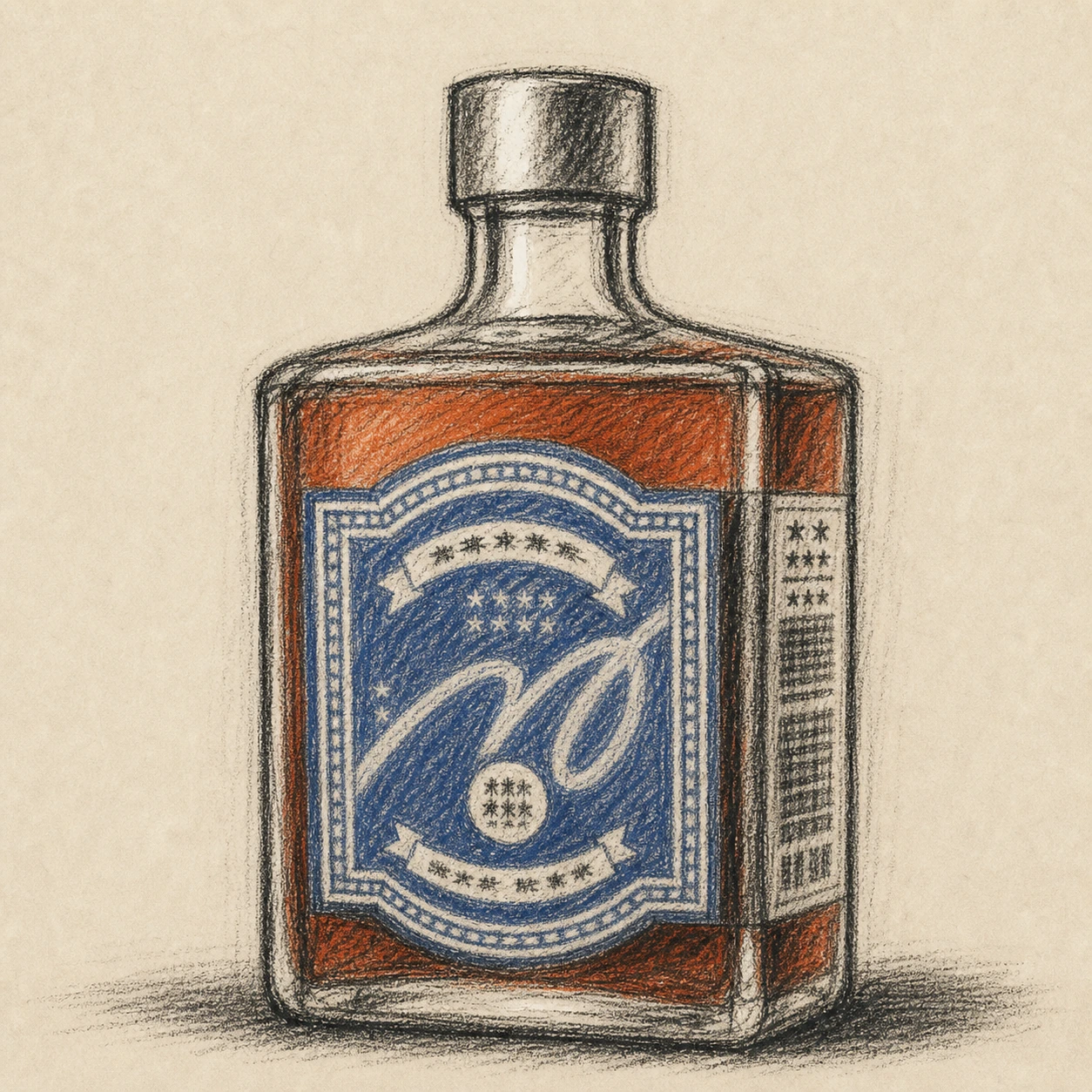
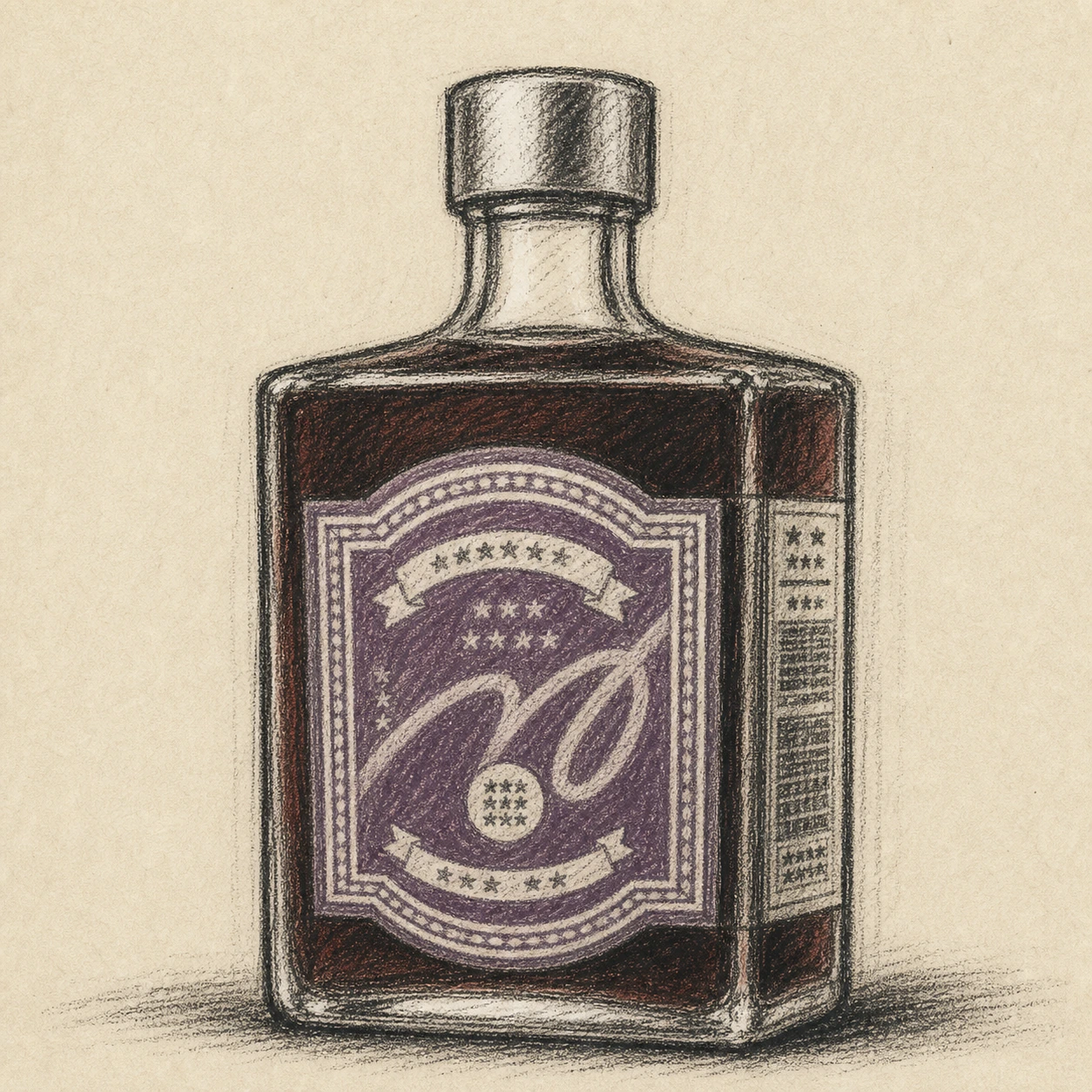
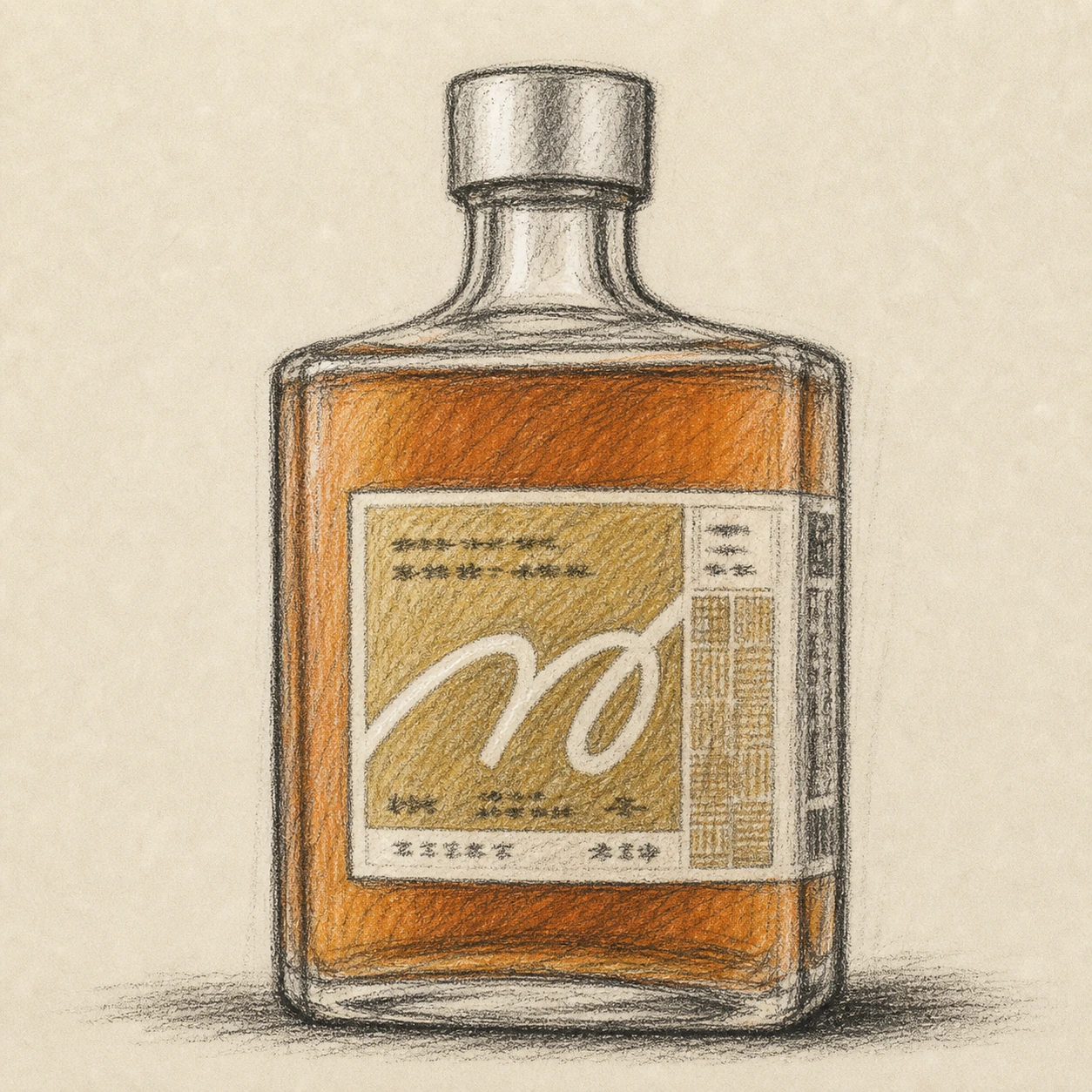
The WAKA HighProof series turns the year into four distinct editorial decisions. Itsuki reads spring through hinoki and yuzu. Shiori gives summer to ume and green shiso. Minori moves into autumn with red shiso and roasted hojicha. Hajime marks winter with strawberry and sansho.
These are interpretations, not harvest records. The point is not that every ingredient comes from one field or that each bottle reproduces a season literally. The point is that each expression begins with a different question about place: new growth, summer greenness, autumn memory, or the bare soil after harvest.
A Local Language for Liqueur
European herbal liqueurs gave Oikawa an entry into the category, but imitation would have left Kanegasaki outside the bottle. WAKA instead uses the discipline he learned behind bars—separating aromas, testing balance, noticing sequence—to organise materials encountered at home.
This is why the series is more useful as a producer story than as a list of tasting notes. Its real subject is translation. A climate becomes a growing condition; a field becomes a set of available materials; four sets of materials become four seasonal compositions. None of those steps is automatic. Each requires selection.
The related Crème de Cassis KUBO story shows the same method moving in another direction: there, professional dialogue connects Kanegasaki with a bartender in Hachinohe. WAKA turns the attention inward, toward the town’s own seasonal vocabulary.
Winter Is Named “Beginning”
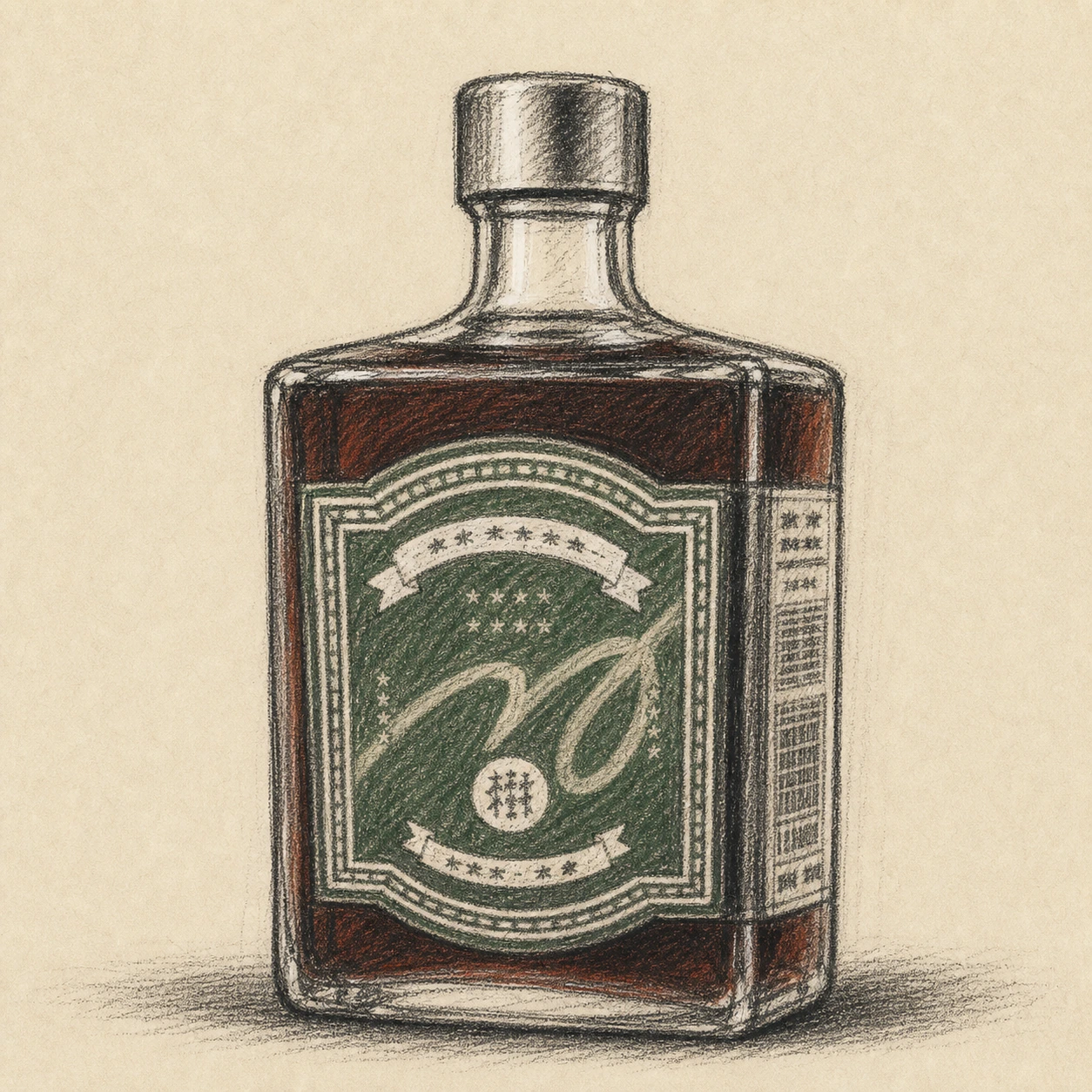
That feature arranged the four bottles as a quadriptych. The strongest image lies in the final panel. Winter is not named for closure. It is Hajime: a beginning made from the smell of dry plants and soil after harvest, interpreted through strawberry, sansho and spice.
That name returns the reader to the field. What looks empty is already being prepared for another year. Kanegasaki Herbal Distillery’s most persuasive claim is therefore not that it has captured nature in a bottle. It is that careful observation can turn the same place into four different decisions—and then begin again.
Source note: This article adapts the Bacchus Global feature Kanegasaki Herbal Distillery — The Song of Earth. Producer, farm and WAKA facts were rechecked against K.S.P’s company profile, its WAKA HighProof page and Drink Planet’s two-part interview with Kazuma Oikawa.
This article presents the producer history, agricultural context and design of the WAKA series for educational and cultural purposes. It is not intended to advertise alcoholic beverages or encourage their purchase or consumption. It is intended for readers aged 20 and over.
บทความนี้นำเสนอประวัติผู้ผลิต บริบทด้านการเกษตร และแนวคิดการออกแบบของซีรีส์ WAKA เพื่อการศึกษาและวัฒนธรรมเท่านั้น มิได้มีวัตถุประสงค์เพื่อโฆษณา หรือส่งเสริมการซื้อหรือการบริโภคเครื่องดื่มแอลกอฮอล์ บทความนี้จัดทำขึ้นสำหรับผู้อ่านอายุ 20 ปีขึ้นไป
Related Reading
No.11: Precision Over Uniformity
Discover the culture behind every bottle
We share brewery stories, tasting notes and the craft of koji & fermentation — for educational and cultural purposes only.
เราถ่ายทอดเรื่องราวจากผู้ผลิต บันทึกรสชาติ และศาสตร์แห่งโคจิและการหมัก — เพื่อการศึกษาและวัฒนธรรมเท่านั้น
Follow on Instagram Facebook