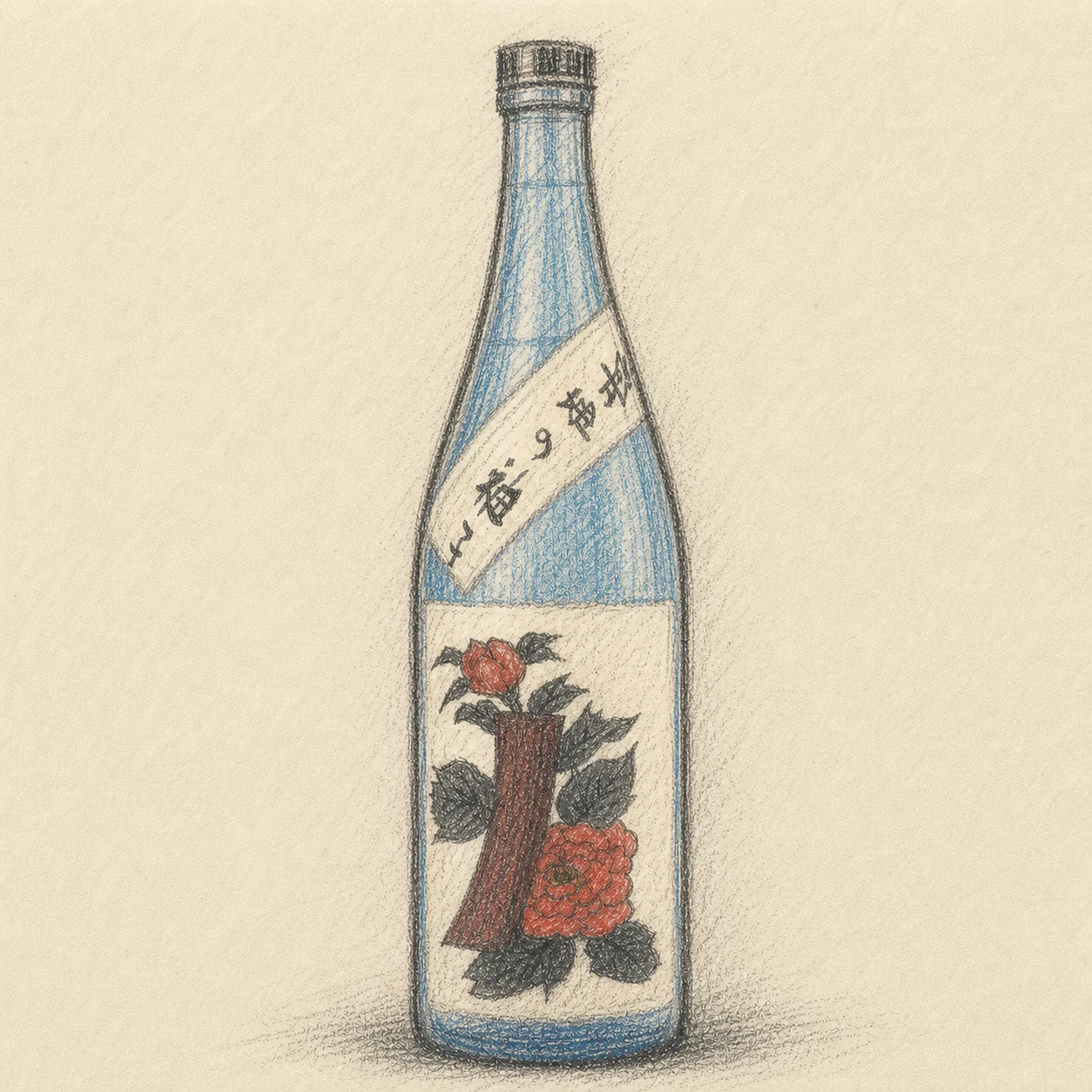
AOTAN no YUZUSHU
Each yuzu is pressed by hand so its fine peel oils can be folded gently into the liquid. Rather than making acidity feel sharp, the method develops a rounded, softly viscous savoury depth.
Thailand · Product information
Product information from Bacchus Global Co., Ltd., based in Bangkok, Thailand. About Bacchus Global
Hand-pressed yuzu liqueur
Hand-pressing to preserve the finer oils of the peel
The fruit is pressed individually rather than crushed aggressively by machine. This limits coarse bitterness from the pith while allowing aromatic peel oil to enter the liquid gently.
Pressing each yuzu by hand
Careful pressure protects the brightness of the juice and reduces unwanted harshness.
Folding peel oil into the base
Fine citrus oil gives the liquid body and creates a softly viscous savoury quality distinct from many yuzu liqueurs.
Rounded depth rather than sharp acidity
A light natural haze and supple texture carry the citrus aroma into a longer finish.
Bright yuzu, gentle acidity and softly viscous depth

Slightly cloudy, with refreshing yuzu over a subtle herbal peel note. The acidity is measured, while soft sweetness and citrus oil give the palate a rounded, lingering shape.
Question 1
How is each yuzu pressed?
- Individually by hand
- Only the seeds are pressed
- The fruit is dried and ground
Read the answer and explanation
Correct answer: A — Individually by hand
Each yuzu is pressed by hand to introduce fine peel oil gently.
Question 2
Why avoid aggressive machine pressing?
- To raise the alcohol level
- To limit harshness from the white pith
- To turn the liquid red
Read the answer and explanation
Correct answer: B — To limit harshness from the white pith
Gentle pressure limits coarse bitterness from the pith.
Question 3
Which additions does the page say are not used?
- Sugar and water
- Yuzu and sake
- Added flavouring, colouring and preservatives
Read the answer and explanation
Correct answer: C — Added flavouring, colouring and preservatives
The product facts list all three as not used.
Where bright yuzu meets a softly viscous depth
These pairings are not combinations stated officially by the producer; they are a reading drawn from the characteristics recorded on this product page.
This pairing rationale draws on the following reference books: “Food Pairing Encyclopedia” notes that lemon-and-lime-family citrus resonates with the “sea aroma” from lipid oxidation in seafood, sharpening a sense of freshness; the acid-insertion concept in “Logical Pairing” similarly frames yuzu’s gentle acidity as a way to balance richness in oil-heavy dishes.
Nara Kasugayama Shuzo, established in 1877
Nara Kasugayama Shuzo was founded in Takabatake, Nara. Its Hanafuda-labelled series began in 2003; this bottle takes its motif from the botan-and-aotan card.
Related yuzushu
Only directly relevant products and Bacchus Global stories are shown.
Related product information
Contact Bacchus Global for product documentation and trade information.