AWARD : GIN
Yoroshiku Senman Arubeshi | Sake Brewing Techniques Behind Hakkaisan’s Rice Shochu
How Hakkaisan Adapts Sake Brewing Techniques to Rice Shochu
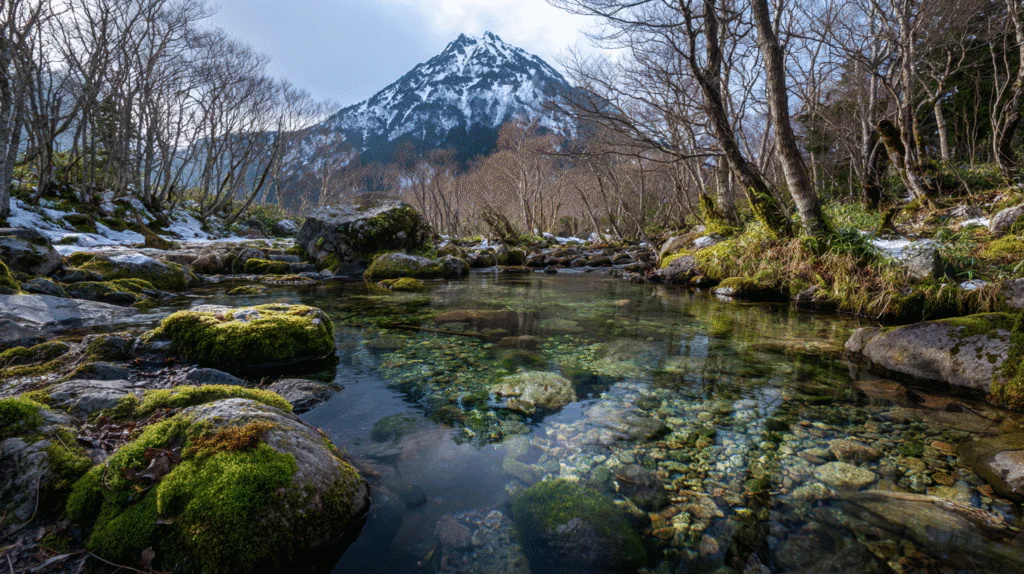
Hakkaisan Brewery was founded in 1922 in what is now Minamiuonuma, Niigata Prefecture. In 2008, it released a rice shochu called Yoroshiku Senman Arubeshi. Hakkaisan traces the name to an old Chinese expression wishing someone abundant good fortune.
Yellow Koji in Rice Shochu. Hakkaisan uses yellow koji, familiar from sake brewing, in this rice shochu. The Fukazawahara facility, built for shochu production and now known as Fukazawahara Distillery, was completed in 2005.
Five Steps and Techniques.
(1) Yellow koji.
(2) Sake yeast.
(3) Mash preparation in three stages.
(4) Addition of sake lees during fermentation.
(5) Reduced-pressure distillation. The distillate is stored for at least two years. Hakkaisan describes the mash before distillation as faintly reminiscent of ginjo sake.
Raiden Spring Water and Its Approximately 4.2-Kilometer Route
Raiden spring water is groundwater from Mount Hakkai. Hakkaisan describes it as soft water and reports that about 400 metric tons emerge each day. In 2001, the company completed an approximately 4.2-kilometer pipeline to bring water from the source to its production facilities.
From Rice Shochu to Rice Whisky. Hakkaisan also makes a separate kasutori shochu, 宜有千萬, by distilling the alcohol contained in sake lees. That product won Gold or higher at the Tokyo Whisky & Spirits Competition in 2021, 2022 and 2023 and entered its Hall of Fame. The oak-aged rice shochu Fubaika won Superior Gold at the 2025 competition. Fukazawahara Distillery obtained a whisky production license in 2016. In 2025, Hakkaisan released its first whisky, an eight-year-old rice grain whisky.
A Name That Wishes Good Fortune. Yoroshiku Senman Arubeshi brings a traditional expression of good wishes into the story of a rice shochu made with techniques from sake brewing. (Mr. Bacchus)
This article is for readers aged 20 and over. It provides factual information about Hakkaisan’s distilling methods and the cultural background of Yoroshiku Senman Arubeshi. It is not intended to advertise alcoholic beverages or encourage drinking. Please drink responsibly. / บทความนี้จัดทำสำหรับผู้อ่านอายุ 20 ปีขึ้นไป เพื่อนำเสนอข้อมูลตามข้อเท็จจริงเกี่ยวกับวิธีการกลั่นของฮักไกซังและภูมิหลังทางวัฒนธรรมของโยโรชิกุ เซ็นมัง อารุเบชิ โดยไม่มีเจตนาโฆษณาเครื่องดื่มแอลกอฮอล์หรือส่งเสริมการดื่ม โปรดดื่มอย่างรับผิดชอบ
Discover the culture behind every bottle
We share brewery stories, tasting notes and the craft of koji & fermentation | for educational and cultural purposes only.
เราถ่ายทอดเรื่องราวจากผู้ผลิต บันทึกรสชาติ และศาสตร์แห่งโคจิและการหมัก | เพื่อการศึกษาและวัฒนธรรมเท่านั้น
Follow on Instagram FacebookRelated Articles
“The Logic of Subtraction” / “A Gin Named “To Continue” ” / “Saburomaru Distillery: The Copper-Tin Alloy Still Revolution Behind Japan’s Boldest Peated Whisky” / “SAKE HUNDRED, What Sets SAKE HUNDRED Apart from Ordinary Sake”