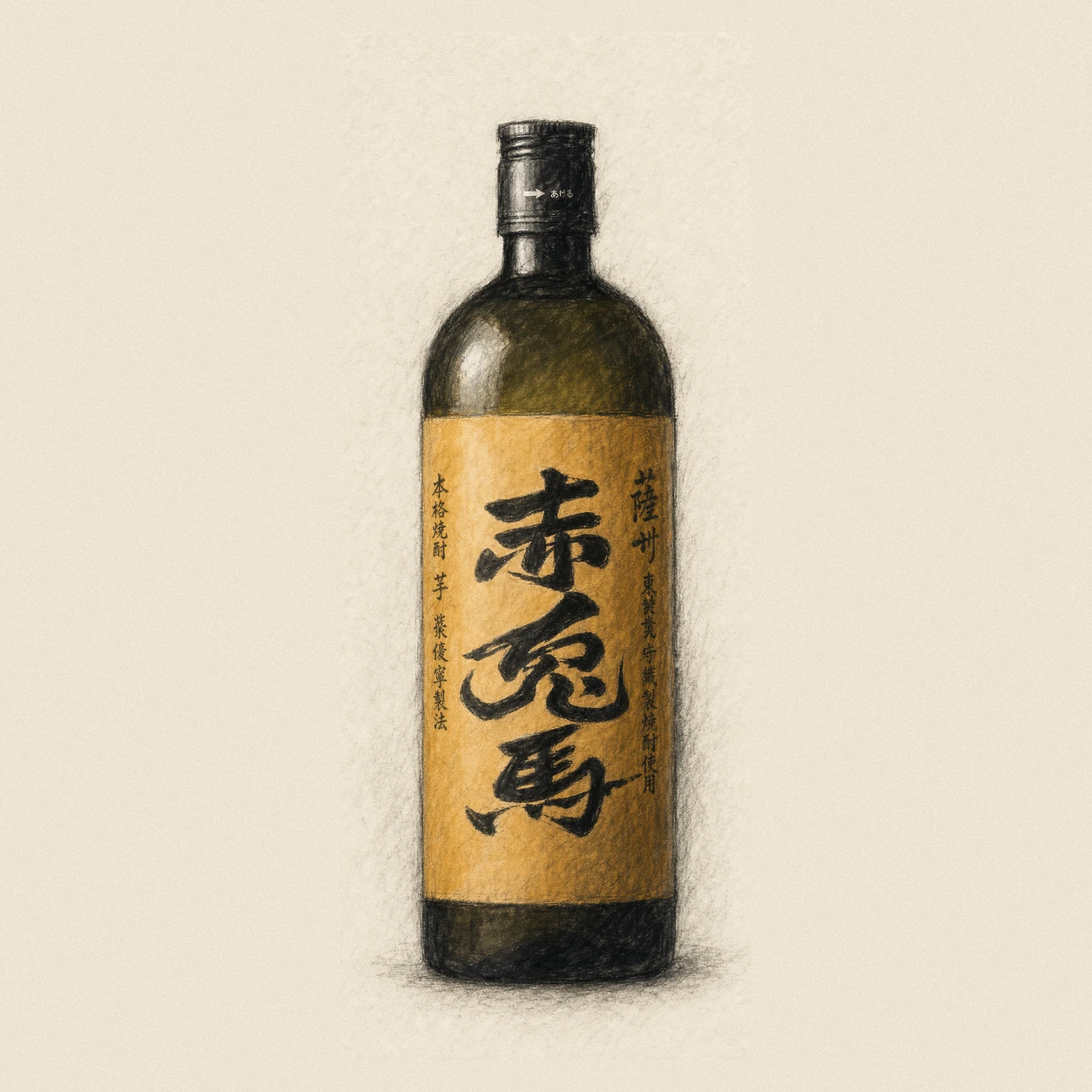
SEKITOBA Kame Chozo
The signature SEKITOBA character is layered with an all-imo-koji spirit held in earthenware jars. One stream brings clarity and movement; the other contributes a broader sweet-potato depth. The value lies in the meeting of two spirits, not in an undisclosed age statement.
SEKITOBA clarity meets kame-held depth
The product combines the signature SEKITOBA character with a more concentrated spirit made through all-imo-koji production and held in earthenware jars. The blend is designed to retain a light entry while widening the middle and finish.
An earthenware vessel, not a decorative age claim
The earthenware jar holds the all-imo-koji spirit before blending, helping the profile settle before it joins the final blend.
Roasted sweet potato, gentle breadth and a clean line
The producer’s language centres on lightness and rich aroma. Specialist records add a warm, roasted sweet-potato character and deeper savoury breadth. The balance is presented as the consequence of the two-spirit design rather than as a claim of extreme age.
Depth created by composition
KAME-CHOZO is the yellow-label expression of SEKITOBA. Its depth comes from the composition of the signature spirit with a kame-held all-imo-koji component, giving the bottle its own balance of lift and breadth.
Answer the warmth with the same roundness
What is recorded above is a warm, koji-driven sweet-potato aroma, a deeper savoury richness, and a balance that carries both lightness and breadth. It is presented not as a claim of extreme age, but as the range created where two spirits meet. What follows are four directions that follow that warm, rounded character. They are not pairings the distillery states officially.
This pairing rationale draws on the following reference book: Logical pairing theory records “doucho” — matching the weight of the dish and the drink — as the basic approach for umami-rich drinks such as sake and shochu. Warm, soft dishes are said to answer well to a rounded-textured spirit.
Three houses for tradition, innovation and continuity
Hamada Shuzo was founded in 1868 in Ichikikushikino, Kagoshima. Its three-house structure assigns distinct roles to Denbee-gura, Denzouin-gura and Kanayama-gura, allowing historical methods, modern development and long-term continuity to remain visible within one producer.
For current-lot specifications, availability, storage requirements and trade terms, please contact Bacchus Global.