
Italian Wine Through Names and Places
Are “Chianti” and “Chianti Classico” Names for the Same Wine?
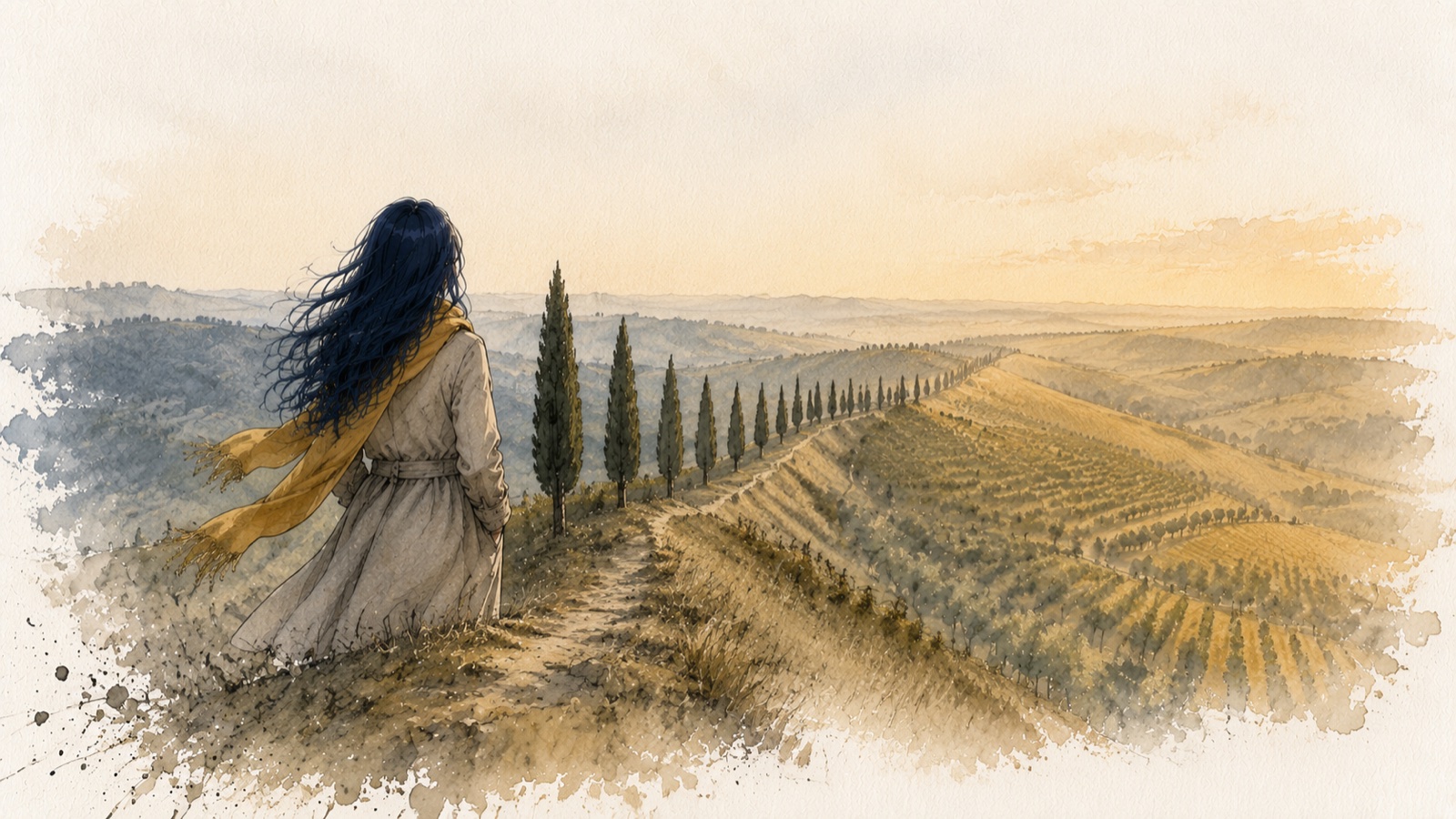
When people hear “Chianti,” many picture a single wine. Today, however, “Chianti” and “Chianti Classico” are legally separate appellations of origin. This traces the history of how the two names came to diverge.
Key Facts
| Item | Content |
|---|---|
| Official Name | Chianti Classico DOCG |
| Region | Tuscany |
| Location | The hill country between Florence and Siena — the historic core zone of the Chianti region |
| Name Category | A place name (not a grape variety) |
| Main Grape Varieties | Sangiovese |
The Story Behind the Name
“Classico” Refers to a Boundary Drawn in 1716
On September 24, 1716, Cosimo III, Grand Duke of Tuscany, issued a proclamation defining the production boundaries of four districts: Chianti, Pomino, Carmignano, and Val d’Arno di Sopra. This proclamation — regarded as one of the forerunners of the modern system of protected designations of origin — officially fixed the area that the place name “Chianti” referred to. The area inside this historic boundary is precisely the zone that would later be called “Classico.”
Chianti and Chianti Classico: Diverging Paths
In 1932, it was established that only wine produced within this 1716 boundary could carry the qualifier “Classico.” The designation was subsequently upgraded to DOC (a classification that controls the origin of a wine) in 1967, and to DOCG (a higher classification in which the state guarantees the origin) in 1984 — but at that time it was still positioned as one subzone within the larger Chianti framework. The turning point came in 1996, when “Chianti Classico” was recognized as an independent DOCG, becoming a single appellation with production regulations separate from the Chianti DOCG. Although both names contain the word “Chianti,” today the two are legally distinct wines.
The Black Rooster — A Story That Has Been Told, and a History That Is Confirmed
On May 14, 1924, 33 producers from within the district gathered in Radda to establish a consortium to protect the designation of origin. Regarded as one of the first wine producers’ consortia in Italy, the Black Rooster (Gallo Nero) was chosen as its symbol of protection at the time of its founding. Why a rooster? The consortium’s own official heritage site introduces the story of a horse race said to have taken place between medieval Florence and Siena — describing it, not as historical fact, but explicitly as “a legend known to Chianti lovers around the world.” The consortium deliberately distinguishes between this legend and confirmed historical facts, such as the boundary-setting of 1716.
Three Things to Look for on the Label
- The Black Rooster (Gallo Nero) mark — An identifying emblem used only by consortium members. It can be checked on the neck seal.
- The wording “Chianti Classico” — Check whether the label clearly states “Chianti Classico” rather than “Chianti” alone.
- Grade markings such as Riserva and Gran Selezione — Compared to the unmarked standard type, Riserva and Gran Selezione indicate higher categories that meet requirements such as longer aging periods.
Common Confusions
- Mistaking “Chianti Classico” for a grape variety (it is in fact a place name; the grape variety is Sangiovese).
- Assuming “Chianti” and “Chianti Classico” are the same thing (since 1996, the two have been separate DOCGs).
- Misunderstanding “Classico” as simply meaning “made in a classic style” (it is in fact a geographic qualifier referring to the historic zone fixed in 1716).
Next Region
→ Brunello di Montalcino: A Grape’s Name, Passed Down by the Land (Tuscany)
← Back to the series hub — Italian Wine Through Names and Places
Sources
- Consorzio Vino Chianti Classico official site, “History of Chianti Classico” https://www.chianticlassico.com/en/consortium/history-of-chianti-classico/
- Consorzio Vino Chianti Classico official site, “100 Years of History (Timeline)” https://www.chianticlassico.com/100-anni/timeline/
- Consorzio Vino Chianti Classico official, “The Legend of the Black Rooster” https://leggenda.chianticlassico.com/en/
“เคียนติ” กับ “เคียนติ คลาสสิโก” คือไวน์ชนิดเดียวกันหรือไม่?
เมื่อได้ยินคำว่า “เคียนติ” หลายคนมักนึกถึงไวน์เพียงชนิดเดียว แต่ในปัจจุบัน “เคียนติ” และ “เคียนติ คลาสสิโก” เป็นชื่อเรียกแหล่งกำเนิดไวน์ที่แยกจากกันตามกฎหมาย บทความนี้จะย้อนรอยประวัติศาสตร์ว่าชื่อทั้งสองแยกออกจากกันได้อย่างไร
ข้อมูลพื้นฐาน
| หัวข้อ | รายละเอียด |
|---|---|
| ชื่อทางการ | เคียนติ คลาสสิโก DOCG (Chianti Classico DOCG) |
| แคว้น | ทัสคานี (Toscana) |
| ที่ตั้งบนแผนที่ | พื้นที่เนินเขาระหว่างเมืองฟลอเรนซ์และเซียนา ซึ่งเป็นเขตศูนย์กลางทางประวัติศาสตร์ของภูมิภาคเคียนติ |
| ประเภทของชื่อ | ชื่อแหล่งผลิต (ไม่ใช่ชื่อพันธุ์องุ่น) |
| พันธุ์องุ่นหลัก | ซานโจเวเซ (Sangiovese) |
เรื่องราวเบื้องหลังชื่อ
“คลาสสิโก” หมายถึงเส้นเขตแดนที่ถูกกำหนดขึ้นในปี ค.ศ. 1716
วันที่ 24 กันยายน ค.ศ. 1716 โคซิโมที่ 3 แกรนด์ดยุกแห่งทัสคานี ได้ออกประกาศกำหนดเขตแดนการผลิตของ 4 เขต ได้แก่ เคียนติ, โปมิโน, การ์มิญญาโน และวัลดาร์โน ซูเปริโอเร (Valdarno Superiore) ประกาศฉบับนี้ถือเป็นหนึ่งในต้นแบบของระบบชื่อเรียกแหล่งกำเนิดสมัยใหม่ และได้กำหนดขอบเขตของชื่อสถานที่ “เคียนติ” อย่างเป็นทางการ พื้นที่ภายในเขตแดนทางประวัติศาสตร์นี้เองที่ต่อมาถูกเรียกว่า “คลาสสิโก (Classico)”
เส้นทางที่แยกจากกันของเคียนติและเคียนติ คลาสสิโก
ในปี ค.ศ. 1932 มีการกำหนดว่าเฉพาะไวน์ที่ผลิตภายในเขตแดนปี ค.ศ. 1716 นี้เท่านั้นที่สามารถใช้คำขยาย “คลาสสิโก” ได้ ต่อมาในปี ค.ศ. 1967 ได้รับการยกระดับเป็น DOC (ประเภทชื่อเรียกที่มีการควบคุมแหล่งกำเนิด) และในปี ค.ศ. 1984 เป็น DOCG (ประเภทชื่อเรียกระดับสูงกว่าที่รัฐรับรองแหล่งกำเนิด) แต่ในเวลานั้นยังคงมีสถานะเป็นเพียงเขตย่อยหนึ่งภายในกรอบใหญ่ของ “เคียนติ” จุดเปลี่ยนเกิดขึ้นในปี ค.ศ. 1996 เมื่อชื่อเรียก “เคียนติ คลาสสิโก” ได้รับการรับรองให้เป็น DOCG อิสระ กลายเป็นชื่อเรียกแหล่งกำเนิดเดี่ยวที่มีกฎการผลิตแยกต่างหากจาก DOCG เคียนติ แม้ทั้งสองชื่อจะมีคำว่า “เคียนติ” ร่วมกัน แต่ปัจจุบันทั้งสองคือไวน์ที่แยกจากกันตามกฎหมาย
ไก่ดำ — เรื่องเล่าที่สืบต่อกันมา และประวัติศาสตร์ที่ยืนยันได้
วันที่ 14 พฤษภาคม ค.ศ. 1924 ผู้ผลิต 33 รายในเขตนี้รวมตัวกันที่เมืองรัดดา (Radda) เพื่อก่อตั้งสมาคมสำหรับปกป้องการแสดงแหล่งกำเนิด ถือเป็นหนึ่งในสมาคมผู้ผลิตไวน์แห่งแรก ๆ ของอิตาลี และในช่วงเวลาเดียวกับการก่อตั้งนี้เอง ไก่ดำ (Gallo Nero) ได้รับเลือกให้เป็นสัญลักษณ์แห่งการปกป้อง เหตุใดจึงเป็นไก่? เว็บไซต์ทางการที่รวบรวมตำนานของสมาคมได้นำเสนอเรื่องราวการแข่งขันขี่ม้าเร็วระหว่างฟลอเรนซ์และเซียนาในยุคกลาง โดยระบุไว้อย่างชัดเจนว่านี่ไม่ใช่ข้อเท็จจริงทางประวัติศาสตร์ แต่เป็น “ตำนานที่เป็นที่รู้จักในหมู่ผู้รักไวน์เคียนติทั่วโลก” สมาคมจงใจแยกแยะระหว่างตำนานนี้กับข้อเท็จจริงทางประวัติศาสตร์ที่ได้รับการยืนยัน เช่น การกำหนดเขตแดนในปี ค.ศ. 1716
สามสิ่งที่สังเกตได้จากฉลาก
- ตราไก่ดำ (Gallo Nero) — เครื่องหมายรับรองที่ใช้ได้เฉพาะสมาชิกสมาคมเท่านั้น ตรวจสอบได้จากซีลบริเวณคอขวด
- ข้อความ “Chianti Classico” — ตรวจสอบว่าฉลากระบุ “Chianti Classico” อย่างชัดเจน ไม่ใช่เพียง “Chianti” เท่านั้น
- ระดับชั้นบนฉลาก เช่น Riserva และ Gran Selezione — เมื่อเทียบกับประเภทมาตรฐาน (ไม่มีคำระบุเพิ่มเติม) Riserva และ Gran Selezione เป็นระดับที่สูงกว่า ซึ่งต้องผ่านเงื่อนไข เช่น ระยะเวลาการบ่มที่ยาวนานกว่า
ความเข้าใจที่สับสนบ่อย
- เข้าใจผิดว่า “เคียนติ คลาสสิโก” เป็นชื่อพันธุ์องุ่น (แท้จริงแล้วเป็นชื่อแหล่งผลิต ส่วนพันธุ์องุ่นคือซานโจเวเซ)
- เข้าใจว่า “เคียนติ” และ “เคียนติ คลาสสิโก” เป็นสิ่งเดียวกัน (ตั้งแต่ปี ค.ศ. 1996 เป็นต้นมา ทั้งสองเป็น DOCG ที่แยกจากกัน)
- เข้าใจผิดว่า “คลาสสิโก” หมายถึงเพียง “วิธีการผลิตแบบคลาสสิก” (แท้จริงแล้วเป็นคำระบุทางภูมิศาสตร์ที่หมายถึงเขตประวัติศาสตร์ซึ่งถูกกำหนดขึ้นในปี ค.ศ. 1716)
ภูมิภาคถัดไป
→ บรูเนลโล ดิ มอนตัลชิโน: ชื่อองุ่นที่สืบทอดมาจากผืนดิน (ทัสคานี)
← กลับสู่หน้าหลักของซีรีส์ รู้จักไวน์อิตาลีผ่านชื่อและแผนที่
แหล่งข้อมูล
- เว็บไซต์ทางการ Consorzio Vino Chianti Classico “History of Chianti Classico” https://www.chianticlassico.com/en/consortium/history-of-chianti-classico/
- เว็บไซต์ทางการ Consorzio Vino Chianti Classico “100 ปีแห่งการเดินทาง (ไทม์ไลน์)” https://www.chianticlassico.com/100-anni/timeline/
- เว็บไซต์ทางการ Consorzio Vino Chianti Classico “ตำนานไก่ดำ” https://leggenda.chianticlassico.com/en/
「キャンティ」と「キャンティ・クラシコ」は、同じワインの名前なのか
「キャンティ」と聞くと、多くの人がひとつのワインを思い浮かべる。しかし「キャンティ」と「キャンティ・クラシコ」は、現在では法的に別の原産地呼称だ。ふたつの名前がどのように分かれていったのか、その歴史をたどる。
基本情報
| 項目 | 内容 |
|---|---|
| 正式名称(日本語) | キャンティ・クラシコ |
| 正式名称(英語) | Chianti Classico DOCG |
| 州 | トスカーナ州 |
| 地図上の位置 | フィレンツェとシエナに挟まれた丘陵地帯(キャンティ地方の歴史的中心区域) |
| 名前の分類 | 産地名(品種名ではない) |
| 主要品種 | サンジョヴェーゼ |
検証済みの名前の物語
「クラシコ」は、1716年に引かれた境界線を指す
1716年9月24日、トスカーナ大公コジモ3世は、キャンティ・ポミーノ・カルミニャーノ・ヴァルダルノ・スペリオーレの4地区について生産境界を定める布告を発した。近代的な原産地呼称制度の先駆けのひとつとされるこの布告により、「キャンティ」という地名が指す範囲が公式に画定された。この歴史的な境界の内側こそが、のちに「クラシコ(Classico)」と呼ばれることになる区域である。
キャンティとキャンティ・クラシコ、分かれた歩み
1932年、この1716年の境界内で造られたワインだけが「クラシコ」の形容語を名乗れると定められた。その後、1967年にDOC(原産地を統制する呼称区分)、1984年にDOCG(原産地を国が保証する、さらに上位の呼称区分)へと格上げされたが、当時はまだ「キャンティ」という大きな枠組みの中の一区域という位置づけだった。転機は1996年。「キャンティ・クラシコ」の呼称が独立したDOCGとして認定され、キャンティDOCGとは別個の生産規定を持つ、単独の産地呼称となった。同じ「キャンティ」の名を含みながら、現在の両者は法的に別のワインである。
黒い雄鶏 — 伝えられる物語と、確かな歩み
1924年5月14日、地区内の生産者33名がラッダに集まり、原産地表示を守るための組合を設立した。イタリアで最初のワイン生産者組合のひとつとされ、この設立と同時に、黒い雄鶏(Gallo Nero)が保護のシンボルに選ばれた。なぜ雄鶏なのか。組合公式の伝承サイトは、中世フィレンツェとシエナの間で交わされたという早馬対決の物語を、史実ではなく「世界中のキャンティ愛好家に知られる伝説」であると明記して紹介している。組合はこの伝説と、1716年の境界画定のような確認済みの史実とを、意図して区別して語っている。
ラベルで見分ける3項目
- 黒い雄鶏(Gallo Nero)のマーク — 組合員のみが使用できる識別章。ネック部のシールで確認できる。
- 「Chianti Classico」の表記 — 「Chianti」単独ではなく「Chianti Classico」と明記されているか。
- Riserva・Gran Selezioneなどの等級表記 — 無印(標準タイプ)に対し、Riserva・Gran Selezioneは、より長い熟成期間などの要件を満たした上位の区分を示す表記だ。
よくある混同
- 「キャンティ・クラシコ」を品種名だと誤解する(実際は産地名で、品種はサンジョヴェーゼ)。
- 「キャンティ」と「キャンティ・クラシコ」を同じものと考える(1996年以降、両者は別個のDOCG)。
- 「クラシコ」を単に「クラシックな造り方」という意味だと誤解する(実際は1716年に画定された歴史的区域を指す地理的な限定語)。
次の産地へ
→ ブルネッロ・ディ・モンタルチーノ:土地に伝わるぶどうの呼び名(トスカーナ州)
出典
- Consorzio Vino Chianti Classico 公式サイト「History of Chianti Classico」 https://www.chianticlassico.com/en/consortium/history-of-chianti-classico/
- Consorzio Vino Chianti Classico 公式サイト「100年の歩み(タイムライン)」 https://www.chianticlassico.com/100-anni/timeline/
- Consorzio Vino Chianti Classico 公式「黒い雄鶏の伝説」 https://leggenda.chianticlassico.com/en/