
Italian Wine Through Names and Places
Barolo Is the Name of a Village, Nebbiolo Is the Name of a Grape
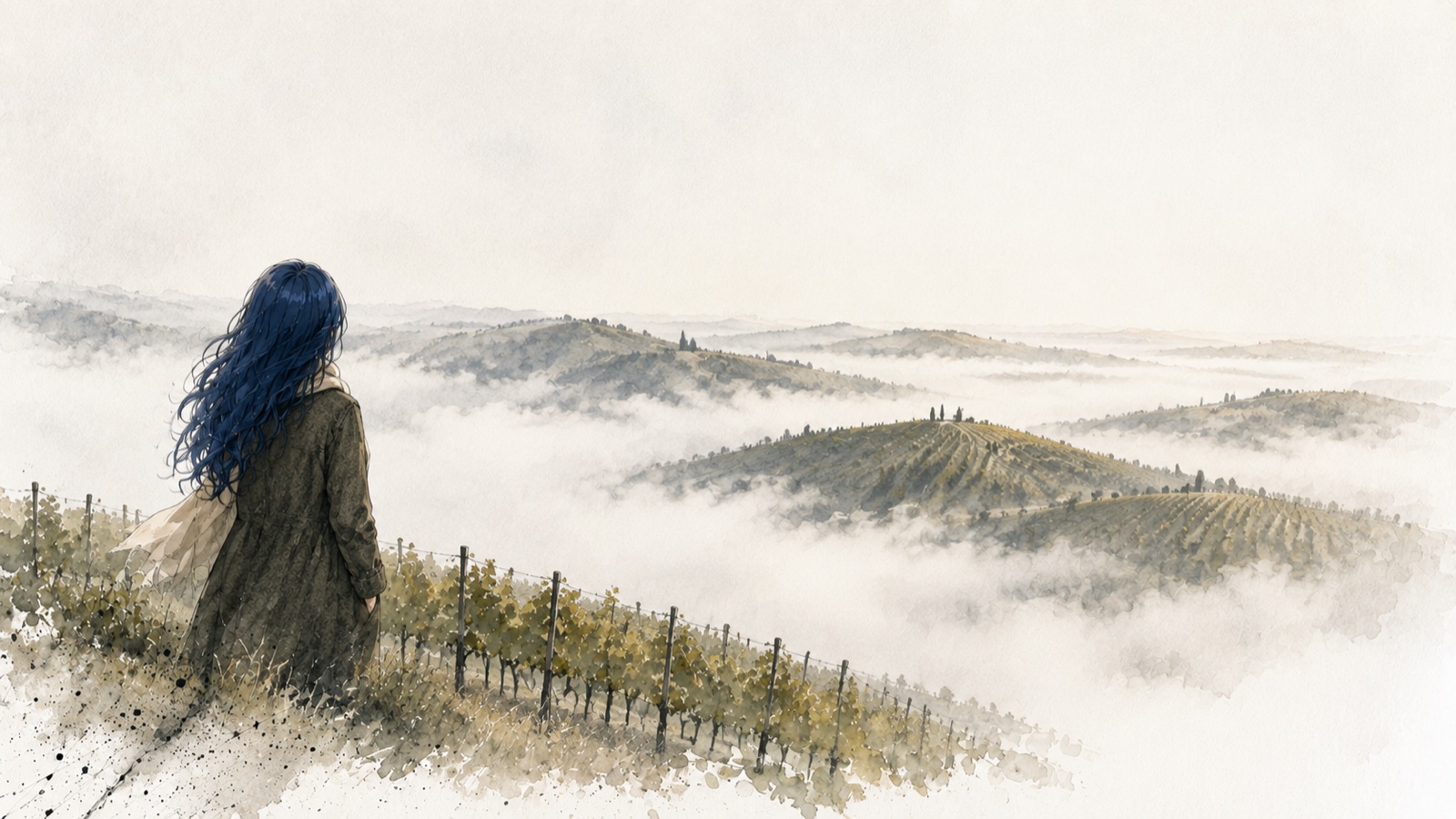
When people hear the name “Barolo,” some assume it refers to a grape variety. In fact, the grape used to make this wine goes by an entirely different name: “Nebbiolo.” Why does a single wine carry two different names?
Key Facts
| Item | Content |
|---|---|
| Official Name | Barolo DOCG |
| Region | Piedmont |
| Location | Cuneo Province, Piedmont, in the Langhe district. Spans 11 comuni (municipalities), including the village of Barolo. |
| Name Category | Place name (village name) |
| Main Grape Varieties | Nebbiolo 100% |
The Story Behind the Name
A real village on the hills of Piedmont
In the Langhe district of Cuneo Province, Piedmont, there is a real comune (municipality) called the “village of Barolo.” The name of the wine “Barolo” derives from this village name. As a DOCG (one of the classifications under which Italy officially guarantees a wine’s origin), the production zone is not limited to the village of Barolo alone — it spans 11 surrounding comuni — but the starting point of the designation is the village name itself. The EU’s (European Union’s) geographical indications register lists “Barolo” as registered on September 18, 1973. The grape variety required for use is 100% Nebbiolo, and the name “Barolo” itself does not refer to a grape variety.
The name “Nebbiolo” and a fog-related etymology
The name of the grape variety “Nebbiolo” is said to derive from the Italian word for fog, “nebbia.” However, the Italian Encyclopedia Institute (Treccani), which itself introduces this etymology, states — alongside its explanation that “the white bloom covering the berries appears to be wrapped in fog” — that “other etymological theories have also been proposed,” positioning it not as a settled origin but as one of several theories.
Barolo also carries another story that has been passed down, an episode said to involve the House of Savoy in the 19th century. One producer’s own company history recounts a story in which a gift to the royal family is credited with bringing the wine to the attention of the court. However, this episode appears only in that producer’s own company history, and no reference to it can be found in historical encyclopedia biographies.
Three Things to Look for on the Label
- Presence of the DOCG state seal (fascetta) — Wines entitled to use DOCG typically carry a numbered state seal on the bottle.
- The designation “Barolo” itself — Labeling the grape variety name “Nebbiolo” is not mandatory; the geographical designation “Barolo” itself specifies the grape variety used.
- Whether “Riserva” is indicated — The standard wine is required to age for a minimum of 3 years, beyond 2 months after harvest, while the designation “Riserva” is permitted only after 5 years have passed since harvest.
Common Confusions
- Mistaking “Barolo” for a grape variety name — it is in fact a place-name designation derived from the village name, and the grape used is Nebbiolo.
- Confusing Barolo with Barbaresco — both are made from the same Nebbiolo grape, but they are separate designations with different denominazione (place-name designations) (Barbaresco is covered in a separate article in this series).
- Misunderstanding the difference between DOCG and DOC — this concerns differences in the mechanism of origin control and guarantee, and the distinction does not in itself indicate a difference in wine quality.
Next Region
→ Amarone: A Name That Points Not to a Grape, but to a Method and a Place (Veneto)
← Back to the series hub — Italian Wine Through Names and Places
Sources
- EU eAmbrosia Geographical Indications Register, “Barolo” (PDO-IT-A1389) — https://ec.europa.eu/agriculture/eambrosia/geographical-indications-register/details/EUGI00000004441
- Consorzio di Tutela Barolo Barbaresco Alba Langhe e Dogliani, official regulation overview — https://www.langhevini.it/en/le-denominazioni-tutelate-dal-consorzio/barolo-docg/
- Treccani (Italian Encyclopedia Institute), etymological dictionary entry “nebbiolo” — https://www.treccani.it/vocabolario/nebbiolo/
บาโรโลคือชื่อหมู่บ้าน เนบบิโอโลคือชื่อองุ่น
เมื่อได้ยินชื่อ “บาโรโล” หลายคนอาจเข้าใจว่าเป็นชื่อพันธุ์องุ่น แต่แท้จริงแล้วองุ่นที่ใช้ทำไวน์ชนิดนี้มีชื่อเรียกอีกชื่อหนึ่งว่า “เนบบิโอโล” เหตุใดไวน์ชนิดเดียวจึงมีชื่อเรียกถึงสองชื่อ
ข้อมูลพื้นฐาน
| รายการ | เนื้อหา |
|---|---|
| ชื่อทางการ | บาโรโล DOCG (Barolo DOCG) |
| แคว้น | ปีเยมอนเต (Piemonte) |
| ที่ตั้งบนแผนที่ | จังหวัดกูเนโอ (Cuneo) แคว้นปีเยมอนเต เขตลังเก (Langhe) ครอบคลุมเทศบาล (comune) ทั้งหมด 11 แห่ง รวมถึงหมู่บ้านบาโรโล |
| ประเภทของชื่อ | ชื่อแหล่งผลิต (ชื่อหมู่บ้าน) |
| พันธุ์องุ่นหลัก | เนบบิโอโล (Nebbiolo) 100% |
เรื่องราวเบื้องหลังชื่อ
หมู่บ้านที่มีอยู่จริงบนเนินเขาแห่งปีเยมอนเต
ในเขตลังเก จังหวัดกูเนโอ แคว้นปีเยมอนเต มีเทศบาลพื้นฐาน (comune) ที่มีอยู่จริงชื่อว่า “หมู่บ้านบาโรโล” ชื่อไวน์ “บาโรโล” มีที่มาจากชื่อหมู่บ้านนี้ พื้นที่ผลิตในฐานะ DOCG (หนึ่งในประเภทการรับรองแหล่งกำเนิดไวน์อิตาลีโดยรัฐ) ไม่ได้จำกัดอยู่เฉพาะหมู่บ้านบาโรโลเท่านั้น แต่ครอบคลุมเทศบาลโดยรอบรวมทั้งหมด 11 แห่ง อย่างไรก็ตาม จุดเริ่มต้นของชื่อเรียกนี้คือชื่อหมู่บ้านเอง ทะเบียนสิ่งบ่งชี้ทางภูมิศาสตร์ของสหภาพยุโรป (EU) ได้ขึ้นทะเบียน “Barolo” เมื่อวันที่ 18 กันยายน ค.ศ. 1973 พันธุ์องุ่นที่กำหนดให้ใช้คือเนบบิโอโล 100% และชื่อ “บาโรโล” เองไม่ได้หมายถึงพันธุ์องุ่นแต่อย่างใด
ชื่อ “เนบบิโอโล” กับทฤษฎีที่มาของชื่อเกี่ยวกับหมอก
ชื่อพันธุ์องุ่น “เนบบิโอโล” กล่าวกันว่ามีที่มาจากคำในภาษาอิตาลีที่แปลว่าหมอก คือ “nebbia” (เนบเบีย) อย่างไรก็ตาม สถาบันสารานุกรมอิตาลี (เทรกกานี, Treccani) ซึ่งเป็นผู้เสนอที่มาของชื่อนี้เอง ได้ระบุไว้อย่างชัดเจนว่า “มีการเสนอทฤษฎีที่มาของชื่ออื่นด้วยเช่นกัน” นอกเหนือจากคำอธิบายที่ว่า “ผงสีขาว (บลูม) ที่ปกคลุมผลองุ่นดูราวกับถูกห่อหุ้มด้วยหมอก” จึงถือว่านี่ไม่ใช่ที่มาที่ยืนยันแน่ชัด แต่เป็นเพียงหนึ่งในหลายทฤษฎี
นอกจากนี้ บาโรโลยังมีเรื่องเล่าอีกเรื่องหนึ่งที่ถูกถ่ายทอดสืบต่อกันมา ซึ่งเกี่ยวข้องกับราชวงศ์ซาวอย (Savoia) ในศตวรรษที่ 19 ประวัติบริษัทของผู้ผลิตรายหนึ่งบันทึกเรื่องราวไว้ว่า การถวายไวน์นี้แด่ราชวงศ์เป็นจุดเริ่มต้นที่ทำให้ไวน์นี้เป็นที่รู้จักในราชสำนัก อย่างไรก็ตาม เรื่องเล่านี้ปรากฏอยู่เฉพาะในประวัติบริษัทของผู้ผลิตรายนั้นเองเท่านั้น และไม่พบการกล่าวถึงในชีวประวัติของสารานุกรมประวัติศาสตร์
สามสิ่งที่สังเกตได้จากฉลาก
- การมีแถบตราประทับรับรองแห่งชาติของ DOCG (fascetta) หรือไม่ — โดยทั่วไปไวน์ที่ใช้ชื่อ DOCG จะมีแถบตราประทับแห่งชาติที่มีหมายเลขกำกับติดอยู่บนภาชนะบรรจุ
- การแสดงคำว่า “Barolo” เอง — การระบุชื่อพันธุ์องุ่น “Nebbiolo” บนฉลากไม่ใช่ข้อบังคับ เนื่องจากชื่อเรียกทางภูมิศาสตร์ “Barolo” เองเป็นตัวกำหนดพันธุ์องุ่นที่ใช้อยู่แล้ว
- การมีคำว่า “Riserva” หรือไม่ — ไวน์มาตรฐานต้องบ่มอย่างน้อย 3 ปีนับจากเกินกว่า 2 เดือนหลังการเก็บเกี่ยว ในขณะที่คำว่า “Riserva” จะได้รับอนุญาตให้ใช้ก็ต่อเมื่อผ่านไปแล้ว 5 ปีนับจากการเก็บเกี่ยวเท่านั้น
ความเข้าใจที่สับสนบ่อย
- กรณีที่เข้าใจผิดว่า “บาโรโล” เป็นชื่อพันธุ์องุ่น — แท้จริงแล้วเป็นชื่อเรียกแหล่งผลิตที่มาจากชื่อหมู่บ้าน และพันธุ์องุ่นที่ใช้คือเนบบิโอโล
- ความสับสนระหว่างบาโรโลกับบาร์บาเรสโก (Barbaresco) — ทั้งสองผลิตจากพันธุ์เนบบิโอโลเช่นเดียวกัน แต่เป็นชื่อเรียกที่แตกต่างกันเนื่องจากการกำหนดแหล่งผลิต (denominazione) ต่างกัน (เรื่องราวของบาร์บาเรสโกจะกล่าวถึงในบทความอื่นของซีรีส์นี้)
- ความเข้าใจผิดเกี่ยวกับความแตกต่างระหว่าง DOCG กับ DOC — เป็นความแตกต่างในระบบการควบคุมและรับรองแหล่งผลิต ความแตกต่างของประเภทไม่ได้หมายถึงคุณภาพของไวน์ที่เหนือกว่าหรือด้อยกว่ากันโดยตรง
ภูมิภาคถัดไป
→ อามาโรเน: ชื่อที่ไม่ได้หมายถึงองุ่น แต่หมายถึงวิธีการผลิตและแผ่นดิน (แคว้นเวเนโต)
← กลับสู่หน้าหลักของซีรีส์ รู้จักไวน์อิตาลีผ่านชื่อและแผนที่
แหล่งข้อมูล
- ทะเบียนสิ่งบ่งชี้ทางภูมิศาสตร์ EU eAmbrosia “Barolo” (PDO-IT-A1389) — https://ec.europa.eu/agriculture/eambrosia/geographical-indications-register/details/EUGI00000004441
- ข้อมูลกฎระเบียบอย่างเป็นทางการของ Consorzio di Tutela Barolo Barbaresco Alba Langhe e Dogliani — https://www.langhevini.it/en/le-denominazioni-tutelate-dal-consorzio/barolo-docg/
- พจนานุกรมนิรุกติศาสตร์ของเทรกกานี (Treccani) รายการคำว่า “nebbiolo” — https://www.treccani.it/vocabolario/nebbiolo/
バローロは村の名前、ネッビオーロはぶどうの名前
「バローロ」という名前を聞くと、ぶどう品種の名前だと思う方もいる。しかし実際にこのワインに使われているぶどうは「ネッビオーロ」という、また別の名前を持っている。ひとつのワインに、なぜふたつの名前が存在するのだろうか。
基本情報
| 項目 | 内容 |
|---|---|
| 正式名称(日本語) | バローロ DOCG |
| 正式名称(英語) | Barolo DOCG |
| 州 | ピエモンテ州 |
| 地図上の位置 | ピエモンテ州クーネオ県、ランゲ地区。バローロ村を含む11のコムーネ(自治体)にまたがる |
| 名前の分類 | 産地名(村名) |
| 主要品種 | ネッビオーロ 100% |
検証済みの名前の物語
ピエモンテの丘に、実在する村がある
ピエモンテ州クーネオ県のランゲ地区には、「バローロ村」という実在するコムーネ(自治体)がある。ワイン「バローロ」の名前は、この村名に由来する。DOCG(原産地を国が保証する、イタリアワインの呼称区分のひとつ)としての生産地域はバローロ村単独ではなく、周辺のコムーネを含む11の自治体にまたがるが、呼称の出発点は村の名前そのものである。EU(欧州連合)の地理的表示登録簿には「Barolo」として1973年9月18日に登録されている。使用が義務づけられているぶどう品種はネッビオーロ100%で、「バローロ」という名前自体はぶどうの品種を指すものではない。
「ネッビオーロ」という名前と、霧をめぐる語源説
ぶどう品種「ネッビオーロ」の名前は、霧を意味するイタリア語「nebbia(ネッビア)」に由来すると言われる。ただし、この語源を紹介しているイタリア百科事典協会(Treccani)自身が「果粒を覆う白い粉(ブルーム)が霧をまとったように見えるため」という説明とあわせて「他の語源説も提案されている」と明記しており、確定した由来ではなく複数の説のひとつとして位置づけられている。
バローロにはもうひとつ、19世紀のサヴォイア王家にまつわる逸話が伝えられる。ある生産者の社史には、王家への献上をきっかけにこのワインが宮廷で知られるようになったという物語が記載されている。ただし、この逸話は当該生産者自身の社史にのみ記載があり、歴史百科事典の人物伝記には言及が見当たらない。
ラベルで見分ける3項目
- DOCG国家証紙(fascetta)の有無 — DOCGを名乗るワインには、番号入りの国家証紙が容器に付されているのが通例だ。
- 「Barolo」という表示そのもの — ぶどう品種名「Nebbiolo」の表示は義務ではなく、地理的呼称「Barolo」自体が使用品種を規定している。
- 「Riserva」表示の有無 — 標準品は収穫後2ヶ月を超えて最低3年の熟成が義務づけられているのに対し、「Riserva」の表示は収穫から5年を経過した後にのみ許される。
よくある混同
- 「バローロ」を品種名と誤解するケース — 実際は村名に由来する産地呼称で、使用品種はネッビオーロ。
- バローロとバルバレスコの混同 — どちらも同じネッビオーロ種から造られるが、産地の指定(denominazione)が異なる、別の呼称である(バルバレスコについては本シリーズ別記事で取り上げる)。
- DOCGとDOCの違いについての誤解 — 産地の管理・保証のしくみの違いであり、区分の違いがそのままワインの優劣を意味するものではない。
次の産地へ
→ アマローネ:ぶどうではなく、造り方と土地を指す名前(ヴェネト州)
出典
- EU eAmbrosia 地理的表示登録簿「Barolo」(PDO-IT-A1389) — https://ec.europa.eu/agriculture/eambrosia/geographical-indications-register/details/EUGI00000004441
- Consorzio di Tutela Barolo Barbaresco Alba Langhe e Dogliani 公式規定紹介 — https://www.langhevini.it/en/le-denominazioni-tutelate-dal-consorzio/barolo-docg/
- Treccani(イタリア百科事典協会)語源辞典「nebbiolo」項 — https://www.treccani.it/vocabolario/nebbiolo/