

Drink
Echoes of Isan in Bangkok: Sato and the Evolution of Modern Fermentation Culture
How sato is being reinterpreted through microbial knowledge, temperature control and the cultural memory of Isan.
Read moreBrowse by category
The science and craft of koji and fermentation – Japan’s foundational brewing technology.
Drink
How sato is being reinterpreted through microbial knowledge, temperature control and the cultural memory of Isan.
Read more
Drink
A factual examination of how Yamada Nishiki rice, No. 6 yeast, and acidity shape the meaning of “extra dry” in Yukinobijin Junmai Ginjo.
Read more
Drink
How black koji’s scientific name changed, and how Okinawan awamori distilleries are extending their fermentation and distillation knowledge into gin and rum.
Read more
Drink
The Michelin Guide’s inspectors have identified seven food trends for 2026. One of them is “Time Is an Ingredient.” Vegetables, fish, and meat are marinated or left to ferment slowly, in some cases with the introduction of koji. That is how the report frames it.
Read more
Drink
Clear Amazake examines how KOJI CLEAR achieves a transparent appearance while retaining rice, koji and water as the foundation of clear amazake.
Read more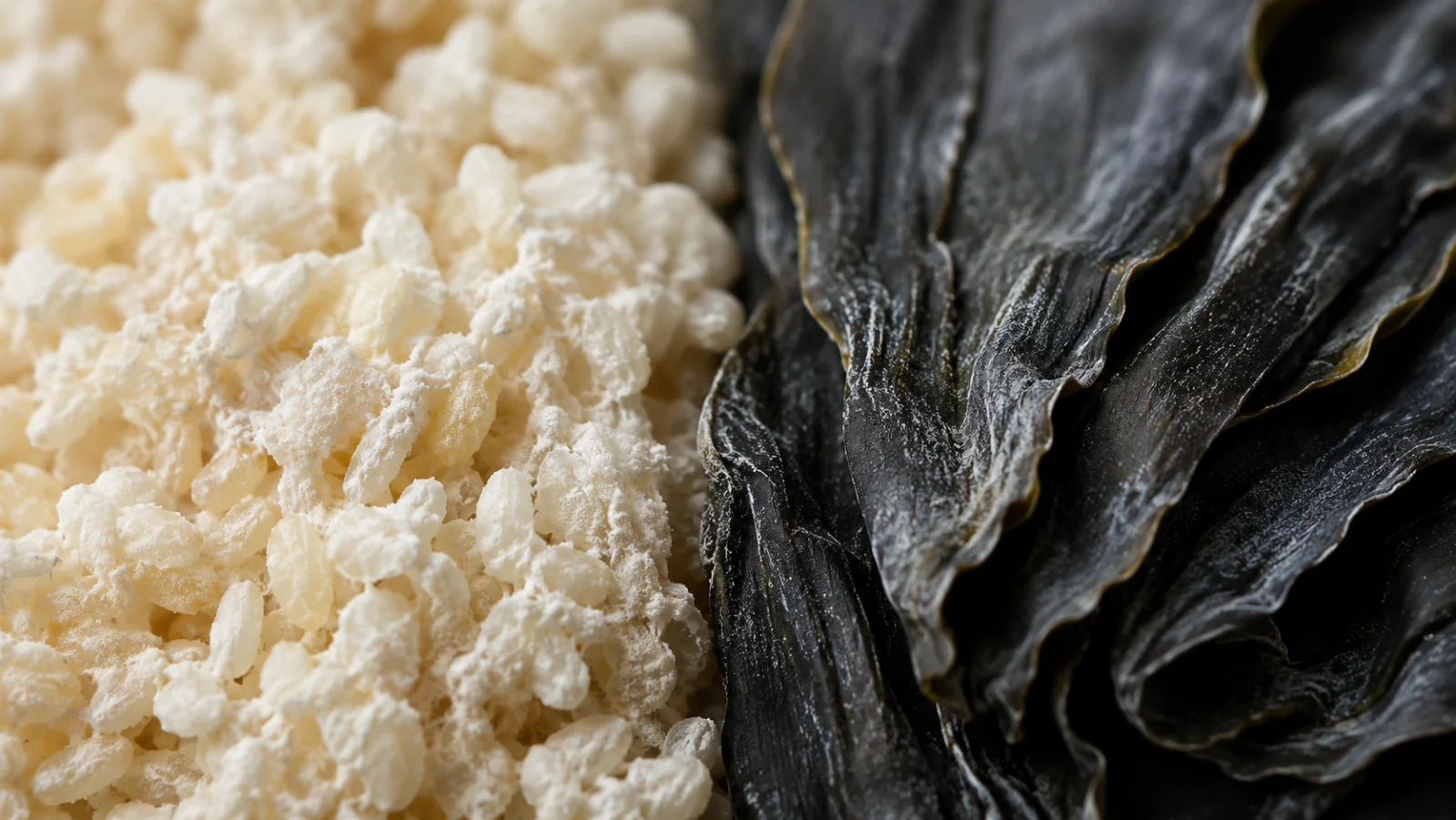
Drink
Why Sake and Thai Cuisine Share a Common Ground The Silent Synergy of Fermentation: Why Sake and Thai Cuisine Share a Common Ground In recent years, bars and restaurants that place sake at the center of their offerings have been gently multiplying across Bangkok. Some have even begun to curate their concepts not around traditional […]
Read more
Drink
Have you ever ordered a non-alcoholic beverage and felt an inexplicable void? It arrives perfectly chilled, offering a pleasant aroma. Yet, after a few sips, the intrigue fades. Many dismiss this simply as the absence of alcohol. However, the true reason lies deeper: when alcohol is removed, the structural space it occupied is often left […]
Read more
Drink
What “Reverse Import” Asks of the Future of Fermentation In the commentary of chefs abroad and the pages of international culinary journals, a persistent refrain emerges: “I learned about koji through noma, or through fermentation books published in English.” Learning about Japanese koji through Western literature|I found myself dwelling for some time on the paradox […]
Read more
Drink
How the Cold Chain Redefined the Sake Landscape Sake typically undergoes a traditional process called hiire, a method of pasteurization through heating. This vital step sterilizes the liquid, suppresses enzyme activity, and stabilizes overall quality. Sake that skips this process is known as namazake, or unpasteurized sake. Namazake retains the fresh, vibrant character of newly […]
Read more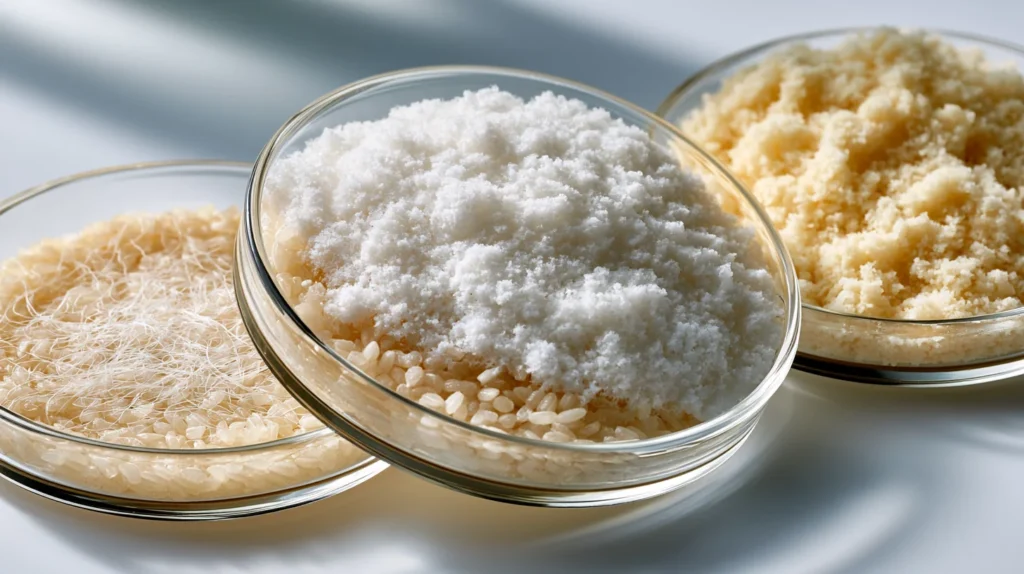
Drink
While culinary media often highlight fleeting trends like plant-based dining, low-sugar alternatives, or non-alcoholic pairings, 2026 marks a moment when one practice has quietly transcended this cycle: fermentation.
Read more
Drink
Three molds that paint entirely different landscapes within shochu Just as wine is spoken of in terms of grape varieties like Pinot Noir or Cabernet Sauvignon, there are three names that should come first when approaching shochu: black koji, white koji, and yellow koji. In scientific terms, they are Aspergillus luchuensis, Aspergillus luchuensis mut. kawachii, […]
Read more
Bar
Beyond Sweetness and Acidity For a long time, cocktails have been built on a foundation of sweetness and acidity|the balance between sugary syrups, citrus tang, and the alcoholic backbone of spirits. These three elements have largely defined the structure of modern mixology. But in bars around the world in 2026, a new dimension is being embraced: umami. In a 2026 flavor trend survey conducted by U.S. beverage media outlet VinePair, which gathered insights from 30 prominent bartenders, koji-derived ingredients repeatedly surfaced. Amazake, miso, shio koji, yuzu kosho|these fermented elements are now being explored as foundational components in cocktail construction. Around the same time, Southern Glazer’s Wine & Spirits highlighted the growing influence of Asian flavor profiles as a defining trend for the year.
Read more EVENT INFORMATION28–30 August 2026Queen Sirikit National Convention Center

This website provides factual information about Japanese sake and spirits for adults aged 20 and over in Thailand.เว็บไซต์นี้ให้ข้อมูลข้อเท็จจริงเกี่ยวกับสาเกและสุราญี่ปุ่น สำหรับผู้ที่มีอายุ 20 ปีขึ้นไปในประเทศไทย
By entering, you confirm that you are at least 20 years old and are accessing this site from Thailand.การเข้าสู่เว็บไซต์ถือว่าคุณยืนยันว่ามีอายุอย่างน้อย 20 ปี และกำลังเข้าชมจากประเทศไทย