Bar
When Soy Sauce and Mirin Become Cocktail Ingredients: A Case Study from Tokyo International BarShow 2026
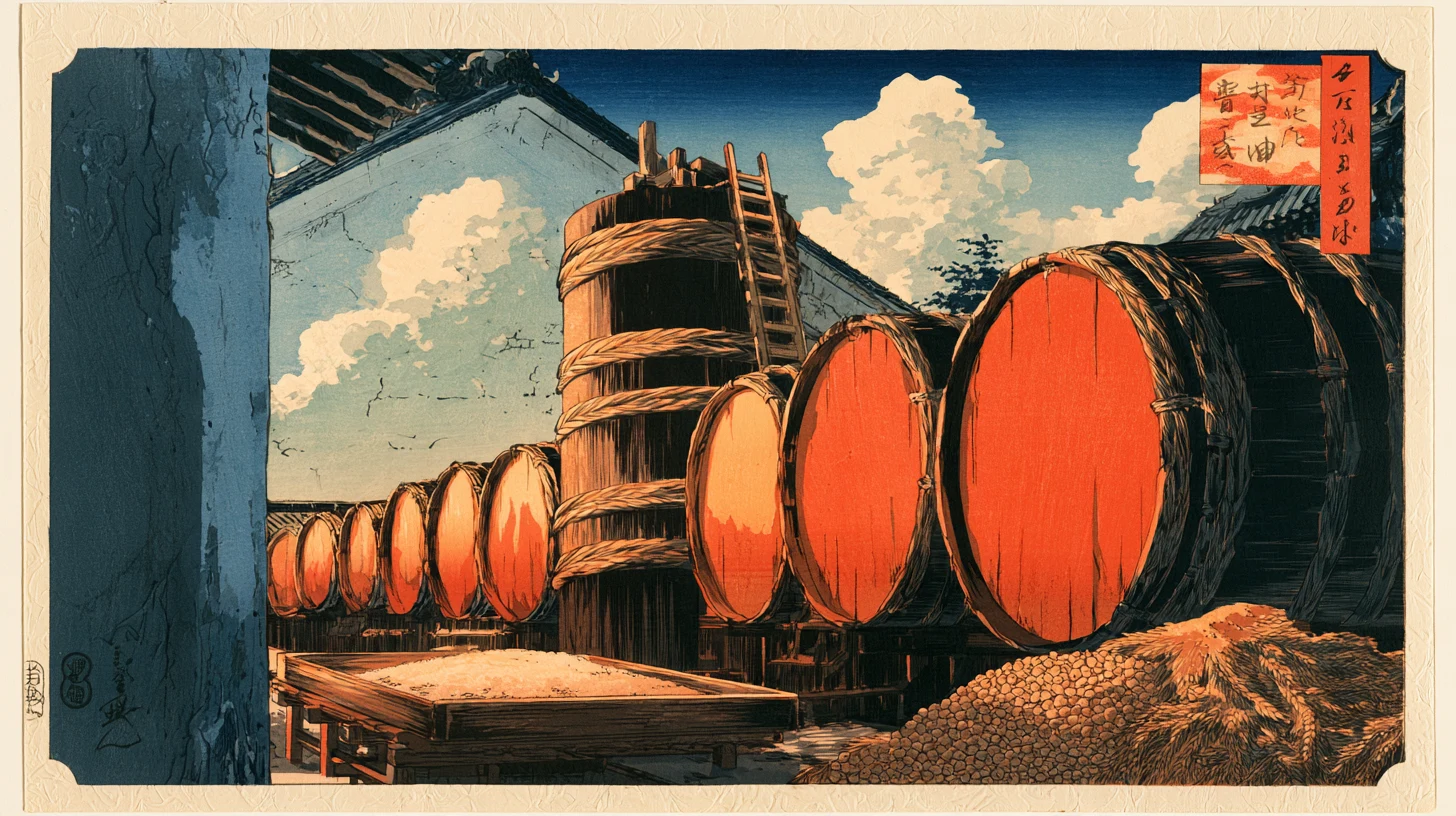
Soy sauce and mirin play a seasoning role in cocktails. Soy sauce adds saltiness and umami, while mirin contributes sweetness and aroma from rice. At the Tokyo International BarShow in May 2026, a cocktail combining the two with honkaku shochu was presented.
This article focuses on one cocktail shown at one booth, not a trend across the entire event. Even so, it offers a concrete example of treating kitchen seasonings as bar ingredients.
Two Days with a Record 62 Exhibitors
Established in 2012, the Tokyo International BarShow serves as an international forum for trade professionals, distillers, and spirit enthusiasts. According to a post-event summary published by an exhibiting manufacturer, the 12th edition took place on May 9 and 10, 2026, at Tokyo Dome City Prism Hall. The gathering convened 62 exhibiting companies and approximately 13,900 visitors across two days under the theme “Smash the World”, a nod to the Gin Basil Smash created by the event’s guest bartender from Germany.
Charred Soy Sauce and Brown Rice Mirin: Complementing Barley Shochu
At a booth hosted by an Oita-based barley shochu distillery, eight bartenders from Japan and the United States presented original cocktails crafted with the distillery’s spirits. Among them was the “Oedo Fashioned,” the winning entry from the cocktail competition the producer organized the previous year. The recipe incorporates charred soy sauce and brown rice mirin as deliberate accents, designed to complement the roasted notes of atmospheric-pressure distilled barley shochu.
Created by a bartender based in Yokohama, the drink relies on time-tested Japanese staples: mirin, soy sauce, rice, and shochu. The recipe was intentionally structured around ingredients that remain accessible to international bartenders working abroad.
The Shared Foundation of Koji
Soy sauce and mirin share a common origin: koji. Enzymes generated by koji mold break down starches into simple sugars and proteins into amino acids. Despite this common origin, their production methods diverge significantly.
Soy sauce is crafted by making koji from soybeans and wheat, which is then aged in a saltwater brine where lactic acid bacteria and yeast facilitate fermentation. This process yields not only saltiness but also rich amino acids, such as glutamic acid, which provide umami.
In contrast, Japanese hon-mirin combines glutinous rice and rice koji with shochu or neutral spirit. Enzymes convert the rice starches into natural sugars over time. Containing roughly 45% sugar and 14% alcohol, hon-mirin is classified as an alcoholic beverage under Japan’s Liquor Tax Act, distinguishing it from mirin-style seasonings, which contain less than 1% alcohol.
Under domestic standards, honkaku shochu also relies on koji during primary fermentation. The “Oedo Fashioned” can thus be understood as a study in layering multiple koji-derived elements. This reading is drawn from a single example, not from a verified test of the combination’s effect.
Dashi and the Spectrum of Umami
At the same booth, a New York-based bartender introduced the “Umami Mary,” a variation on the Bloody Mary combining tomato juice with traditional dashi. The base spirit utilized barley shochu infused with dashi, supplemented by a secondary barley shochu added as a seasoning element. Fresh lemon and salt were used to balance the final structure.
Reflecting on the demonstration, a distillery representative noted a contrast in approach: while international bartenders often express koji’s savory nature directly through high-umami ingredients like dashi, Japanese bartenders frequently build complexity through subtle, unexpected pairings. The ingredients used to introduce umami vary widely depending on the creator’s vision.
Mirin as a Structural Base: A Modern Vermouth
Mirin serves not only as a modifier in mixed drinks, but also as a structural base for vermouth. Traditional vermouth relies on a wine base infused with botanicals; however, contemporary craft producers are exploring hon-mirin as an alternative foundation.
AKA-ONI ROSSO Sweet Vermouth, part of the Bacchus Global portfolio and produced by Kanegasaki Herb Liqueur Distillery in Iwate Prefecture, utilizes a hon-mirin base infused with wormwood and Japanese botanicals. The distillery’s companion release, AO-ONI DRY Vermouth, combines hon-mirin and sake as its foundation. In both expressions, mirin replaces wine as the base, and its natural rice sweetness forms part of the vermouth’s structure.
When thoughtfully applied, soy sauce contributes saltiness and umami, while mirin provides rounded sweetness and subtle rice aromas. Though both trace their origin to koji, their distinct fermentation paths yield distinct flavor profiles. At least in this example, their value lies not merely in novelty, but in their precise functional roles within a drink.
Related articles
- Tailoring Maceration Time and Alcohol Strength to Each Botanical: Kanegasaki Yakusō Shuzō
- Crafting Cocktails with Sake: A Delicate Shift in Balance
- A Vermouth Built on Mirin
Related product information
This article presents information about Japanese fermented seasonings, koji, and their role in cocktail composition as presented at Tokyo International BarShow 2026. It is not intended to advertise alcoholic beverages or encourage their purchase or consumption. For readers aged 20 and above. Never drink and drive.
บทความนี้นำเสนอข้อมูลเกี่ยวกับเครื่องปรุงหมักของญี่ปุ่น โคจิ และบทบาทของวัตถุดิบเหล่านี้ในองค์ประกอบของค็อกเทลตามที่นำเสนอในงาน Tokyo International BarShow 2026 โดยมิได้มีเจตนาโฆษณาเครื่องดื่มแอลกอฮอล์ หรือส่งเสริมการซื้อหรือการบริโภค สำหรับผู้อ่านที่มีอายุ 20 ปีขึ้นไป โปรดอย่าดื่มแล้วขับ
Discover the culture behind every bottle
We share brewery stories, tasting notes and the craft of koji & fermentation — for educational and cultural purposes only.
เราถ่ายทอดเรื่องราวจากผู้ผลิต บันทึกรสชาติ และศาสตร์แห่งโคจิและการหมัก — เพื่อการศึกษาและวัฒนธรรมเท่านั้น
Follow on Instagram Facebook