Drink
Crafting Cocktails with Sake: A Delicate Shift in Balance
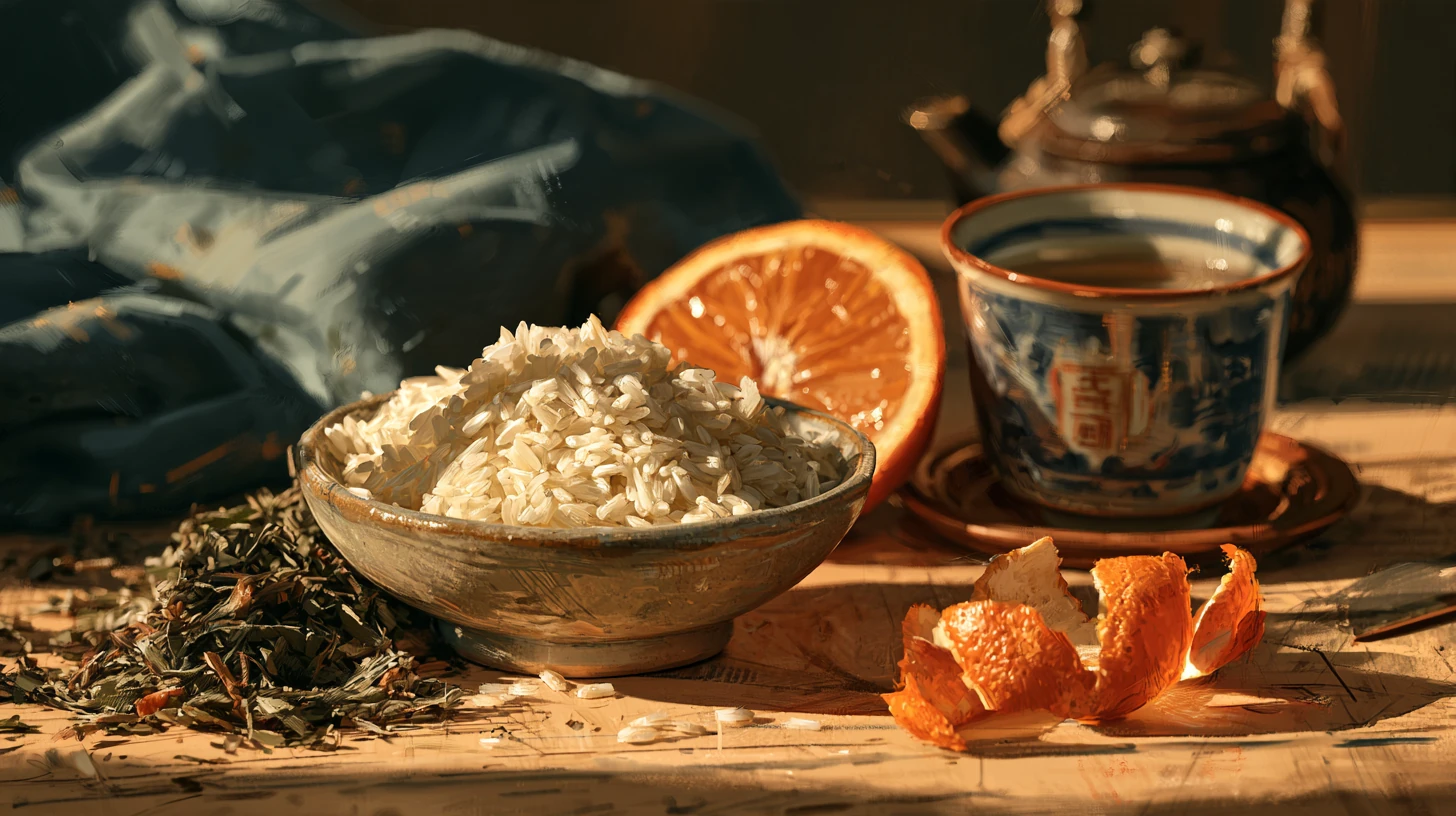
Sake can serve as a cocktail’s main ingredient, placing its aromas and rice-derived flavors at the center. When replacing a distilled spirit such as gin with sake, the starting point is to reconsider the finished cocktail’s alcohol content, liquid volume, and flavor together.
Using sake as the main ingredient and exchanging it for another beverage at the same volume are two different design choices. For bars considering sake as a cocktail ingredient, this distinction provides a foundation for developing a recipe.
Replacing a Spirit Changes Alcohol Content and Proportions
For example, 30 mL of gin at 40% alcohol by volume (ABV) contains 12 mL of pure alcohol. The same volume of sake at 15% ABV contains 4.5 mL. With the quantities of all other ingredients and water from melting ice held constant, an equal-volume substitution lowers the finished cocktail’s ABV.
Increasing the sake to 80 mL provides 12 mL of pure alcohol. However, it also increases the total volume and changes the proportions of the other ingredients. Matching the amount of alcohol and matching the finished ABV are separate calculations.
To estimate the finished ABV, divide the total volume of pure alcohol in all ingredients by the cocktail’s total liquid volume, including melted ice, then multiply by 100. These figures are approximate and assume that liquid volumes can be added directly.
The aromas and flavors contributed by gin also shift to those contributed by sake, including its rice-derived character. Substitution changes the composition of the finished cocktail.
Vermouth and Spirits Change Different Elements When Replaced
Vermouth is wine fortified with distilled spirit and flavored with herbs and other botanicals. Many products also contain added sugar. Some have an ABV close to that of sake.
Vermouth’s herbal aromas and sweetness also contribute to a cocktail’s composition. Replacing it with sake requires considering these flavor changes. Even when alcohol content is similar, the role of aroma and flavor should be considered according to the characteristics of each beverage.
Another approach combines sake with a distilled spirit, bringing together the spirit’s aromas and sake’s flavors. The quantity and ABV of both beverages influence the finished cocktail’s ABV.
Build the Overall Balance Around Sake’s Flavor
The main ingredient is the beverage that provides the central aroma and flavor of a cocktail. When sake takes this role, its aroma, sweetness, acidity, and texture provide the starting point for the composition.
Lower alcohol content and aromatic intensity are separate characteristics. Each sake has its own aromatic profile. Juice and melted ice reduce the concentration of sake-derived components, while other ingredients introduce their own aromas. What matters is which aromas and flavors can be perceived after mixing, and how strongly they are expressed.
In a smaller supporting role, sake can add flavor and texture while another beverage remains central. Sake also contains amino acids such as glutamic acid, which contribute to umami. The intensity of perceived umami varies with the amount used and the combination of ingredients.
The same approach applies to acidity. Combining sake’s acidity with citrus or vinegar-based ingredients changes the balance with sweetness. Deciding whether to retain sake’s own acidity or supplement it with another ingredient makes the purpose of the proportions clearer.
Look Beyond Classification to the Individual Sake
Junmai sake uses rice, rice koji, and water as its ingredients. Ginjo requirements include rice polished to 60% or less of its original weight, ginjo brewing with slow fermentation at low temperatures, and good characteristic aroma, flavor, and color. Sake made from rice, rice koji, and water that meets the ginjo requirements can be labeled Junmai Ginjo. Alongside these classifications, the aroma and flavor of each product reveal its particular characteristics as an ingredient.
Shichiken, a sake brand in Bacchus Global’s product range, is brewed by Yamanashi Meijo in Hokuto City, Yamanashi Prefecture. Its Junmai Ginjo “Birodo no Aji” (Velvet Taste) has an ABV of 15%. The brewery describes aromas reminiscent of pear, black pepper, and mint, a smooth texture, and light, lively acidity. For its Junmai “Furin Bizan,” the brewery highlights rice umami and a refreshingly dry flavor.
These descriptions refer to the sake on its own. Its characteristics after mixing depend on the recipe.
Cloudiness and Bubbles Are Also Ingredient Characteristics
Nigori sake is made by coarsely straining the moromi after fermentation is complete. Moromi is a mixture of rice, rice koji, water, and other components; coarse straining leaves fine solids in the sake. Sparkling sake contains bubbles from carbon dioxide. The former contributes to texture and appearance; the latter contributes effervescence.
Shichiken’s “Yama no Kasumi” is a lightly cloudy sparkling sake. Its bubbles are produced through secondary fermentation in the bottle, in which fermentation takes place again inside the bottle. One product therefore combines the texture of nigori with effervescence.
The reason for using sake lies in the place its aromas and rice-derived flavors occupy in the finished cocktail. It can be the main ingredient, combined with another beverage, or added in a smaller amount. Considering its relatively low ABV as one characteristic, then defining its role, supports a composition built around the sake’s own qualities.
Related article
- Shichiken “Hoshi no Kagayaki” Honored with the President’s Prize at Kura Master 2026|Sparkling Sake Born of Hakushu
- Fermented Shrimp Paste in Dessert|How an Ingredient’s Role Redefines Flavor
- Culinary Ferment Behind the Bar: Soy Sauce and Mirin at Tokyo International BarShow 2026
Related product information
This article explains the characteristics of Japanese sake and its role in cocktail composition for educational purposes. It is not intended to promote alcohol consumption or sales. For persons aged 20 and over.
บทความนี้นำเสนอความรู้เกี่ยวกับลักษณะของสาเกญี่ปุ่นและบทบาทของสาเกในองค์ประกอบของค็อกเทล มิได้มีเจตนาส่งเสริมการบริโภคหรือการขายเครื่องดื่มแอลกอฮอล์ สำหรับผู้มีอายุ 20 ปีขึ้นไป
Discover the culture behind every bottle
We share brewery stories, tasting notes and the craft of koji & fermentation — for educational and cultural purposes only.
เราถ่ายทอดเรื่องราวจากผู้ผลิต บันทึกรสชาติ และศาสตร์แห่งโคจิและการหมัก — เพื่อการศึกษาและวัฒนธรรมเท่านั้น
Follow on Instagram Facebook