
Drink
Banana aromas in ginjo sake and what SMV measures
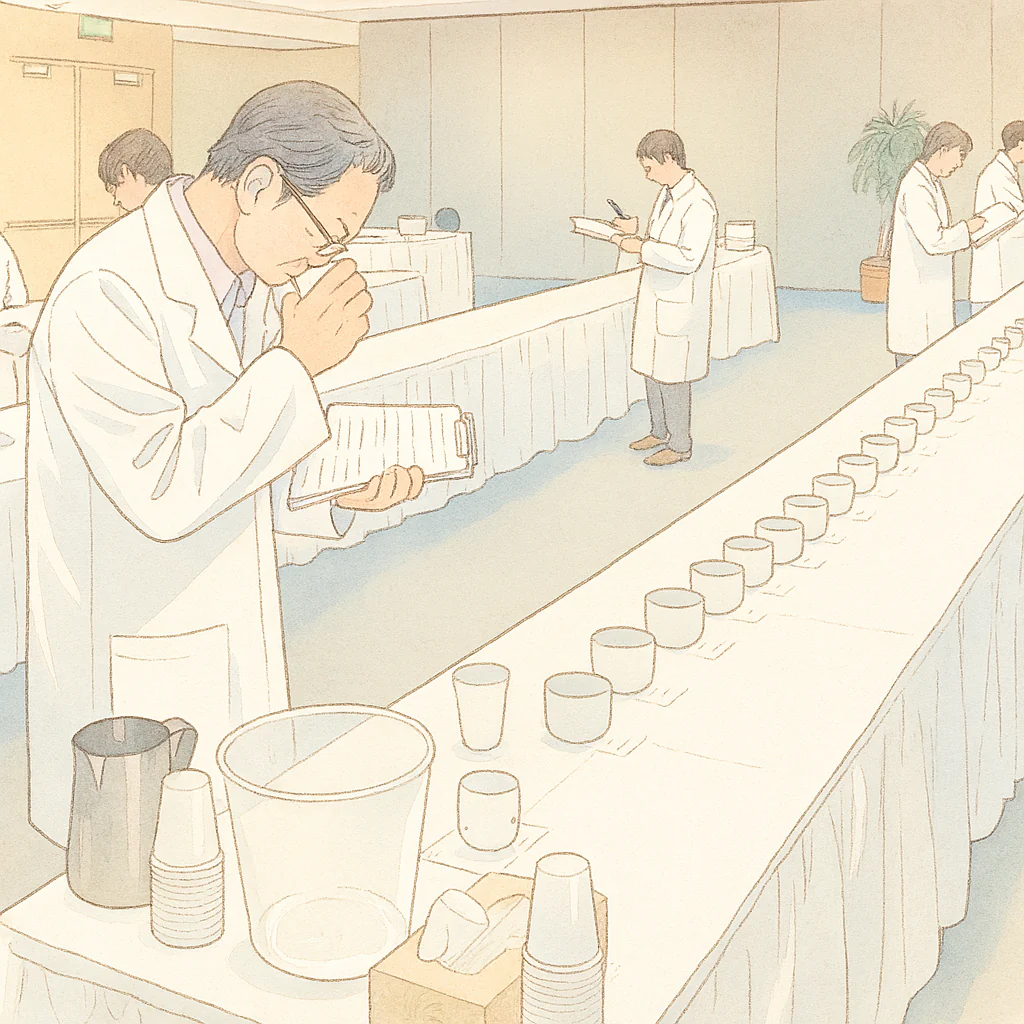
The 2025 Annual Japan Sake Awards received 809 ginjo entries and awarded 202 gold medals. On May 28 and 29, after judging had ended, a separate tasting for industry participants took place at the Hiroshima Prefectural Industrial Exhibition Hall.
What changed in the appraisal data
The National Research Institute of Brewing reports the average Sake Meter Value (SMV) for all entries as +4.6 in brewing year 1998, +3.5 in 2008, +0.9 in 2018 and −0.2 in 2022. At the 2025 awards, which covered brewing year 2024, the average was −0.8 for all entries and −1.0 for gold medal winners. These figures are based on values reported by entrants and describe the appraisal entries.
SMV expresses the specific gravity of sake and provides a guide to sweetness and dryness. Acidity also affects how sweet or dry a sake tastes. The institute suggests that a larger share of junmai ginjo among appraisal entries may be one factor in the falling average.
Two esters behind ginjo aroma
Isoamyl acetate is associated with a banana-like aroma and ethyl caproate with an apple-like aroma. The Brewing Society of Japan began distributing Kyokai Yeast No. 1801 in 2006 and describes the strain as a high producer of these esters. Aroma and SMV measure different aspects of sake. A fruity aroma alone does not tell us whether the SMV is positive or negative.
Examples of breweries and production methods
Tatenokawa, Yamagata. Kyokugen is a junmai daiginjo made with Yamada Nishiki rice polished in-house to 8% of its original weight.
Shichiken, Yamanashi. For the sparkling sake developed with Ducasse Paris, the brewery describes using a kijoshu brewing technique, Japanese cherrywood barrels and secondary fermentation in the bottle.
Shichida, Saga. Tenzan Brewery lists Omachi rice from Okayama, a 50% rice-polishing ratio and a standard alcohol content of 16% for its Shichida Junmai Ginjo Omachi 50.
KID, Wakayama. Heiwa Shuzo’s KID Muryozan Junmai Ginjo received both the Junmai Ginjo Trophy and the Champion Sake title at the 2020 International Wine Challenge.
Sources: 2025 award outline, NRIB entry analysis (table 6), National Tax Agency guide to sake components, and Brewing Society of Japan yeast information.
This article is intended solely to share educational and cultural information about the topics discussed, and does not aim to promote or encourage the consumption of alcohol. For readers aged 20 and over. Please drink responsibly.
บทความนี้จัดทำขึ้นเพื่อให้ข้อมูลเชิงความรู้และวัฒนธรรมเกี่ยวกับหัวข้อที่นำเสนอเท่านั้น มิได้มีเจตนาส่งเสริมหรือโฆษณาเครื่องดื่มแอลกอฮอล์ สำหรับผู้มีอายุ 20 ปีขึ้นไป โปรดดื่มอย่างรับผิดชอบ
Discover the culture behind every bottle
We share brewery stories, tasting notes and the craft of koji & fermentation | for educational and cultural purposes only.
เราถ่ายทอดเรื่องราวจากผู้ผลิต บันทึกรสชาติ และศาสตร์แห่งโคจิและการหมัก | เพื่อการศึกษาและวัฒนธรรมเท่านั้น
Follow on Instagram FacebookRelated Articles
“In Hiroshima, the Birthplace of Ginjo” / “The Molecular Harmony of Sake and Foie Gras” / “Dryness Is Not a Single Number: Two Rice-Polishing Ratios in Heiwa Shuzo’s KID Junmai Ginjo Karakuchi Kid”

