
Drink
Why Measure Glucose Before Setting Out the Tasting Cups? | Shichida Junmai Wins the Junmai B Grand Prix in Honolulu
Small cups are lined up on the judging table. Each tasting cup, known as a kikichoko, carries an entry number. The bottles are kept in another room so the judges cannot identify the entries. Before arranging the cups, the organizers measure the glucose concentration of each sake. What does that tell them about which samples should come first?
This was the scene at the U.S. National Sake Appraisal, held at the Japanese Cultural Center of Hawaiʻi in Honolulu from October 20 to 22, 2026. The competition drew 486 entries from 153 breweries. Shichida Junmai, made by Tenzan Shuzo in Ogi, Saga Prefecture, won the Grand Prix in Junmai B, one of five categories.
The Sake That Comes After a Sweeter One
Fruit can seem less sweet after a sweet dessert. The fruit is the same, but what came before it shapes the impression. The competition organizers noticed a similar effect in the order in which sakes were presented.
Previously, the organizers arranged the samples by acidity. They found that a less sweet sake could seem less distinct when it immediately followed a markedly sweeter one and could be rated less favorably as a result.
Since 2017, the organizers have measured glucose concentration in advance for every entry, across all categories. They group the samples by concentration and start with the group with the lowest readings. The aim is to reduce the effect of one sample on the assessment of the next.
The judges assess the sake one cup at a time, without knowing its name. The 11 judges in 2026 included sake researchers, a master brewer emeritus and an executive of the Japan Sommelier Association. They assess aroma and flavor, taking mouthfeel and the balance between aroma and flavor into account. In the first round, every judge assesses every entry, with particular attention to possible flaws. Roughly the top half advance, and the second round determines the gold and silver medals.
The 60% Threshold for Junmai B
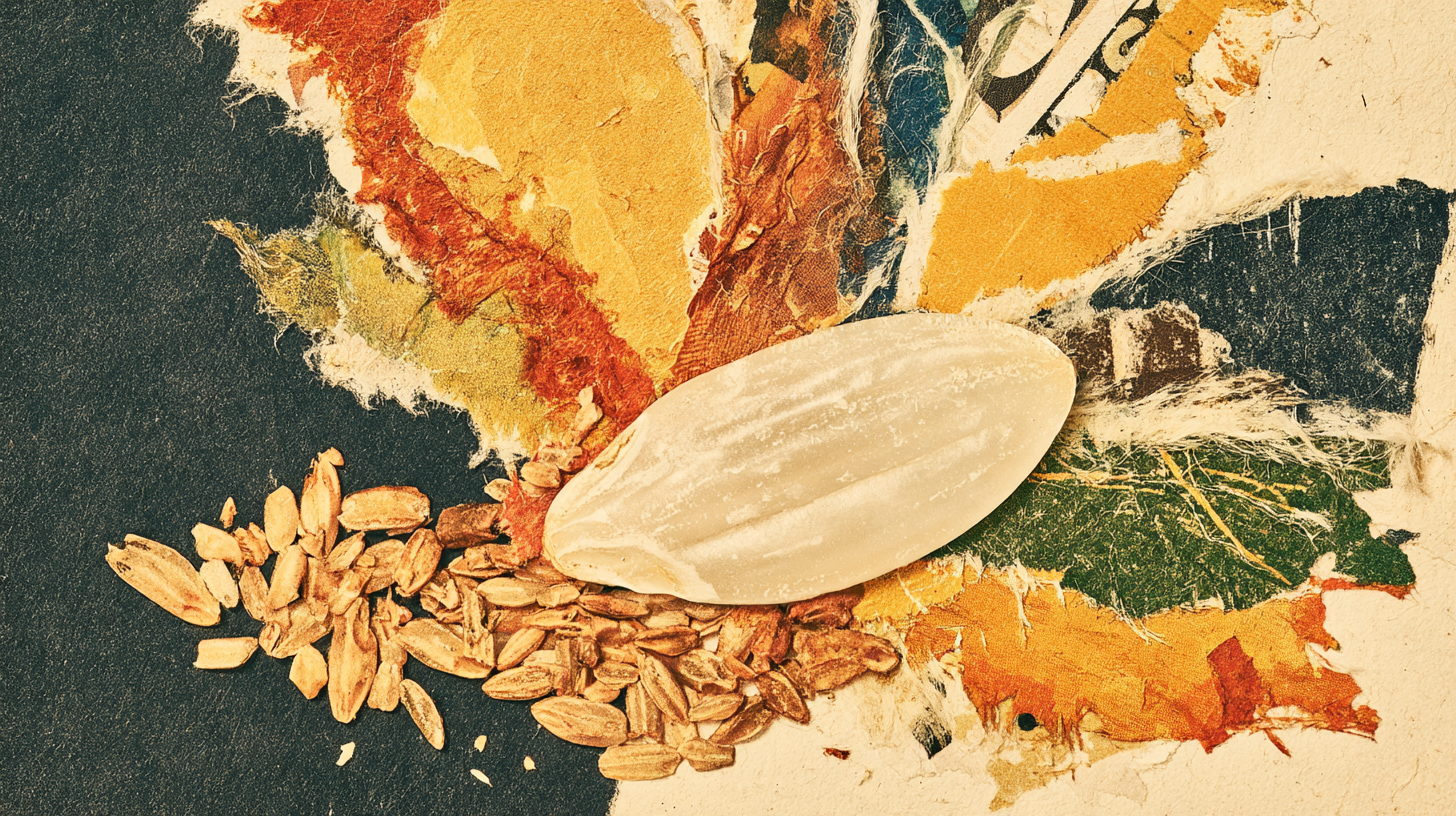
Glucose concentration helps determine the tasting order within a category. For junmai entries, the category itself depends on the rice polishing ratio, the percentage of the rice’s original weight that remains after polishing. If 100 grams of brown rice yields 65 grams of polished rice, the ratio is 65%. The more rice is removed, the lower the ratio. Entries with a ratio of 60% or less go into Junmai A. Those above 60% go into Junmai B, where Shichida Junmai competed.
Tenzan Shuzo lists Shichida Junmai’s rice polishing ratio as 65% and names Yamada Nishiki and Reihou as the rice varieties. The brewery notes that this ratio can vary by brewing year. The Shichida label was launched in 2001, the same year the competition began. Shichida Junmai remains a staple of the brewery’s lineup.
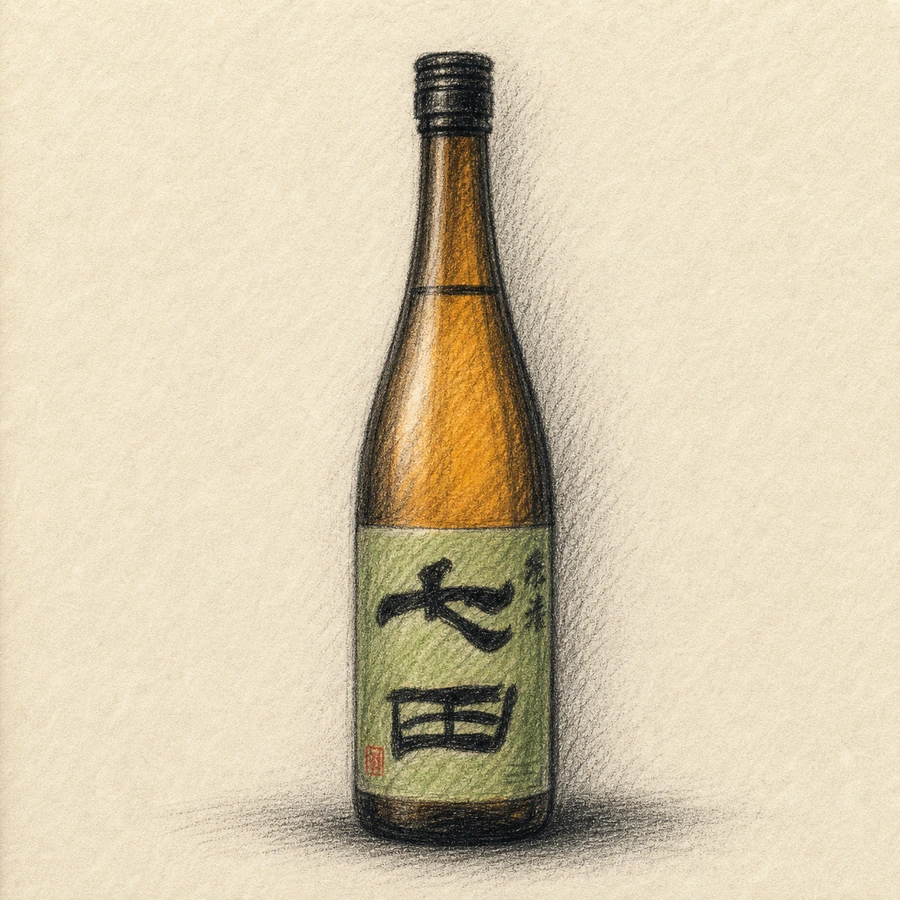
Shichida Junmai Daiginjo also received a gold medal, in Daiginjo B. A category can have several gold medalists, while its Grand Prix goes to the highest-rated entry. Breweries that request feedback receive each judge’s scores and comments, giving them a record of how their entries were assessed.
Tenzan Shuzo president Kensuke Shichida said he was pleased that a staple of the brewery’s lineup had received the award. He hoped the result would help make Saga’s sake better known overseas.
Several other sakes in Bacchus Global’s portfolio appeared on the Honolulu winners list. The gold medalists from Shichiken in Yamanashi included three junmai daiginjo, Hakushin, Onakaya and Kinu no Aji, and one junmai, Furinbizan. Having introduced sake from both breweries in Bangkok, we were glad to see their work recognized in Honolulu.
This article provides information about the U.S. National Sake Appraisal and Tenzan Shuzo’s Shichida Junmai. It is intended for readers aged 20 and over and does not encourage alcohol consumption.
บทความนี้จัดทำขึ้นเพื่อให้ข้อมูลเกี่ยวกับการประกวด U.S. National Sake Appraisal และสาเกชิชิดะ จุนไม ของเท็นซังชูโซ สำหรับผู้อ่านอายุ 20 ปีขึ้นไป โดยมิได้มีเจตนาส่งเสริมการบริโภคเครื่องดื่มแอลกอฮอล์
Discover the culture behind every bottle
We share brewery stories, tasting notes and the craft of koji & fermentation | for educational and cultural purposes only.
เราถ่ายทอดเรื่องราวจากผู้ผลิต บันทึกรสชาติ และศาสตร์แห่งโคจิและการหมัก | เพื่อการศึกษาและวัฒนธรรมเท่านั้น
Follow on Instagram Facebook
