Drink
Is Grain Whisky Really Just a “Lightweight Supporting Player”?
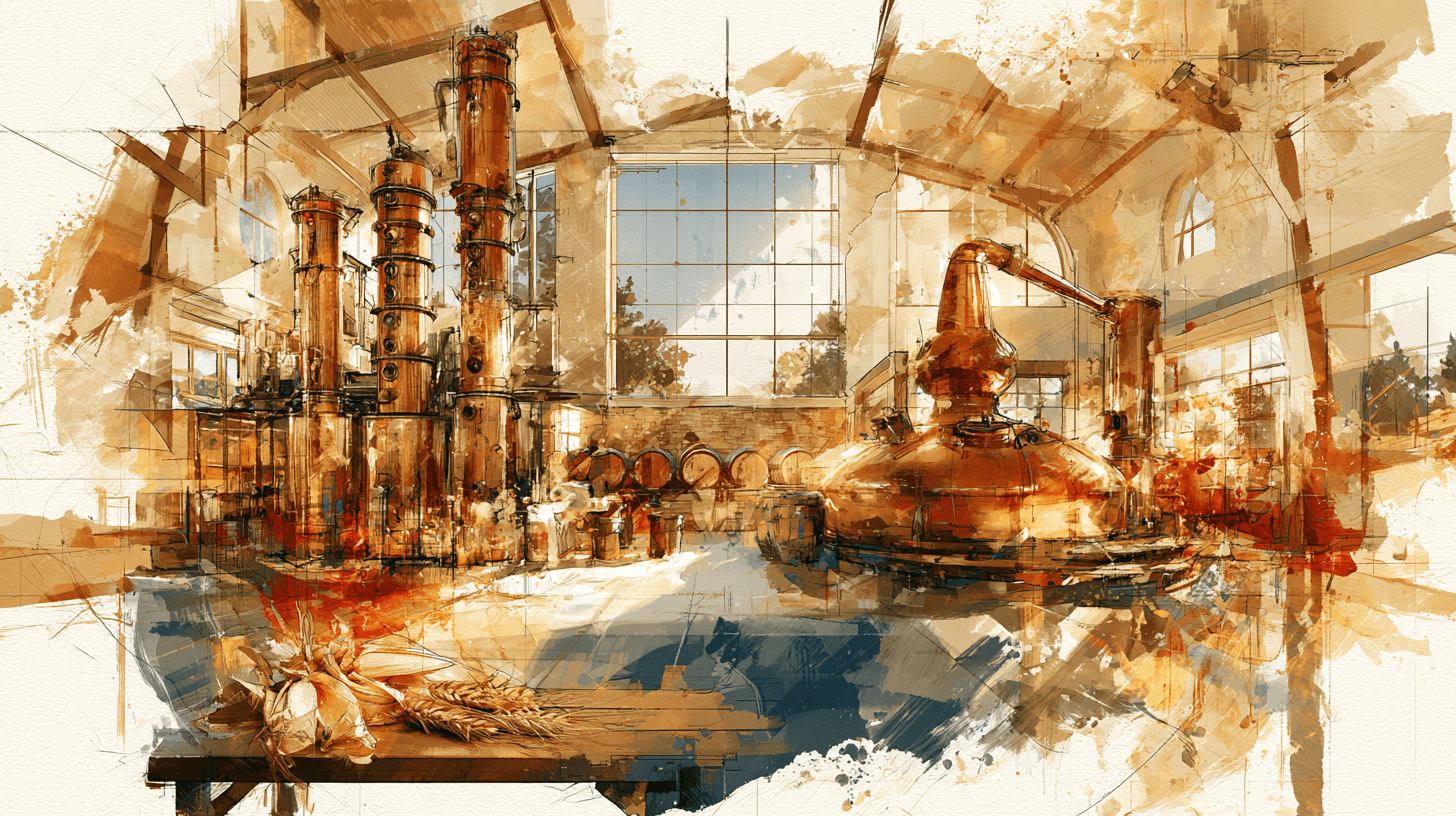
Understanding grain whisky through its ingredients, distillation equipment and cask maturation.
Whisky is often described in simple terms: malt whisky is distinctive and full of character, while grain whisky is light and easygoing. Grain whisky has long been widely used as a component in blends with malt whisky. Because of its relatively gentle flavor, it is sometimes called a “silent spirit.”
But that nickname can obscure the craftsmanship behind it. Not all grain whisky is light. Some styles preserve a pronounced grain character. One factor behind these differences is the design of the still.
From Grain to Alcohol
Grain whisky is commonly made from grains such as corn and wheat. The starch in these grains cannot be converted directly into alcohol by yeast. In a typical production process, malted barley|barley that has been allowed to germinate|is added. Enzymes in the malt break the starch down into sugars, which the yeast then converts into alcohol.
Distillation comes next. The fermented liquid is heated, and the resulting vapor is cooled back into liquid. This process takes advantage of differences in how readily water, alcohol, and various flavor compounds evaporate. Distillation does more than simply concentrate the alcohol: it also helps determine which aromas and flavors remain in the spirit.
Grain whisky is widely produced using continuous stills, which allow fermented liquid to be fed into the system continuously. They make large-scale, efficient production possible, but that does not mean every continuous still produces the same kind of whisky.
A Still Does More Than Remove Aroma
In 1963, Nikka Whisky imported a Coffey continuous still from Scotland. Despite the name, “Coffey” has nothing to do with coffee; it comes from the name of the still’s inventor.
According to Nikka, this old-fashioned still is difficult to operate and relatively inefficient. Its advantage, however, is that it can retain more of the character of the raw ingredients. One whisky that showcases this quality is Nikka Coffey Grain, made primarily from corn. Here, the choice of equipment is driven not only by efficiency but also by the desire to preserve the flavor of the grain.
At the Chita Distillery in Aichi Prefecture, the number of columns used in the continuous distillation process is varied to produce three types of grain spirit: clean, medium, and heavy. These spirits are the building blocks from which the finished whisky is created. Even within a single distillery, producers can make styles ranging from delicate and restrained to rich in grain character.
Grain Whisky Can Also Be Made with Batch Distillation
Nor is grain whisky necessarily made exclusively with continuous stills.
The Fuji Gotemba Distillery in Shizuoka Prefecture uses three different types of distillation equipment. One is a “kettle,” which distills the liquid one batch at a time. This system combines a batch still with a column that separates components in the vapor, producing a grain spirit of moderate flavor and aromatic intensity.
Another setup combines a column used for the first distillation with a piece of equipment known as a “doubler.” According to Kirin, this method retains the highest concentration of flavor and aroma compounds of the distillery’s three systems, resulting in a richer, heavier spirit.
In other words, grain whisky is not inherently light. Its character depends on the flavors the producer is aiming for and the equipment chosen to achieve them.
“Single” Doesn’t Necessarily Mean a Single Type of Spirit
After distillation, the spirit is matured over time in wooden casks. The type of cask|and what it previously held|can also shape its aroma.
Whisky made exclusively from grain spirits can be sold as “single grain whisky.” Here, “single” refers to a single distillery. It does not mean the whisky must be made from only one type of grain or bottled from a single cask. A whisky such as The Chita, for example, can combine multiple styles of grain spirit produced at the same distillery.
Grain whisky may be blended with malt to shape the texture and balance of the finished whisky, or it may stand on its own and define the character of a product. Either way, what matters is the producer’s ability to create a range of distinctive spirits before blending even begins. Behind the seemingly modest label of “silent spirit” lie deliberate choices in distillation, cask maturation, and the mastery of marrying distinct spirits. Grain whisky’s role cannot be fully explained as simply supporting other whiskies.
Related reading and product information
Understanding NAS Whisky: An article on component whiskies and age statements.
Whiskies that blend malt and grain spirits:
This article provides educational information about grain whisky production and distillation techniques. It does not promote the purchase or consumption of alcohol. Intended for readers aged 20 and over.
บทความนี้นำเสนอความรู้เกี่ยวกับการผลิตเกรนวิสกี้และเทคนิคการกลั่น มิได้มีเจตนาส่งเสริมการซื้อหรือการบริโภคเครื่องดื่มแอลกอฮอล์ สำหรับผู้อ่านอายุ 20 ปีขึ้นไป
Discover the culture behind every bottle
We share brewery stories, tasting notes and the craft of koji & fermentation | for educational and cultural purposes only.
เราถ่ายทอดเรื่องราวจากผู้ผลิต บันทึกรสชาติ และศาสตร์แห่งโคจิและการหมัก | เพื่อการศึกษาและวัฒนธรรมเท่านั้น
Follow on Instagram Facebook