
Drink
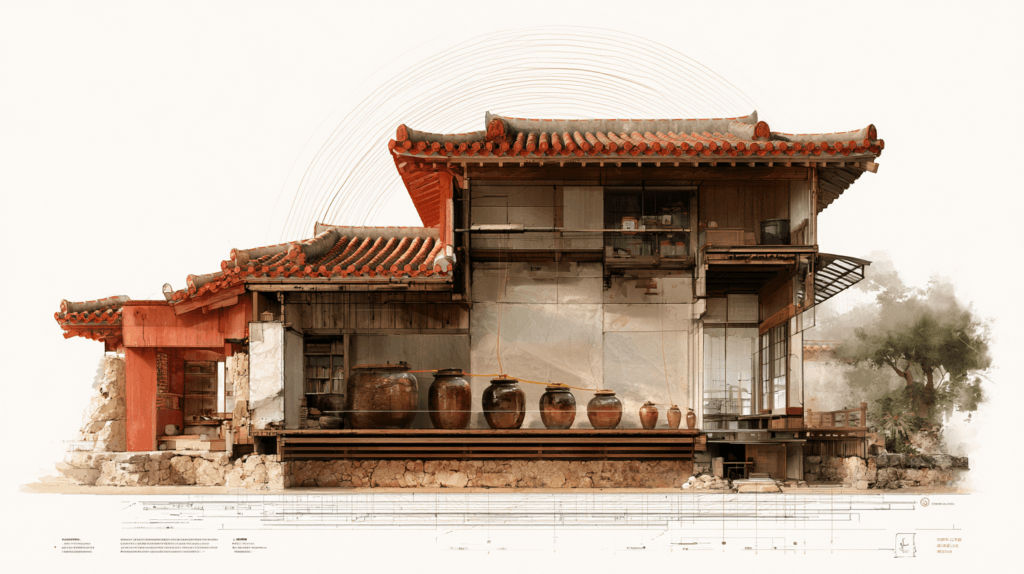
What Kusu Means: Okinawa’s Culture of Home-Aged Awamori and the Idea of Inheriting Time
Kusu is more than aged awamori. Okinawa’s home-aging culture, ceramic jars and shitsugi reveal how families preserve and inherit time.
Read moreBrowse by category
Drink
Kusu is more than aged awamori. Okinawa’s home-aging culture, ceramic jars and shitsugi reveal how families preserve and inherit time.
Read more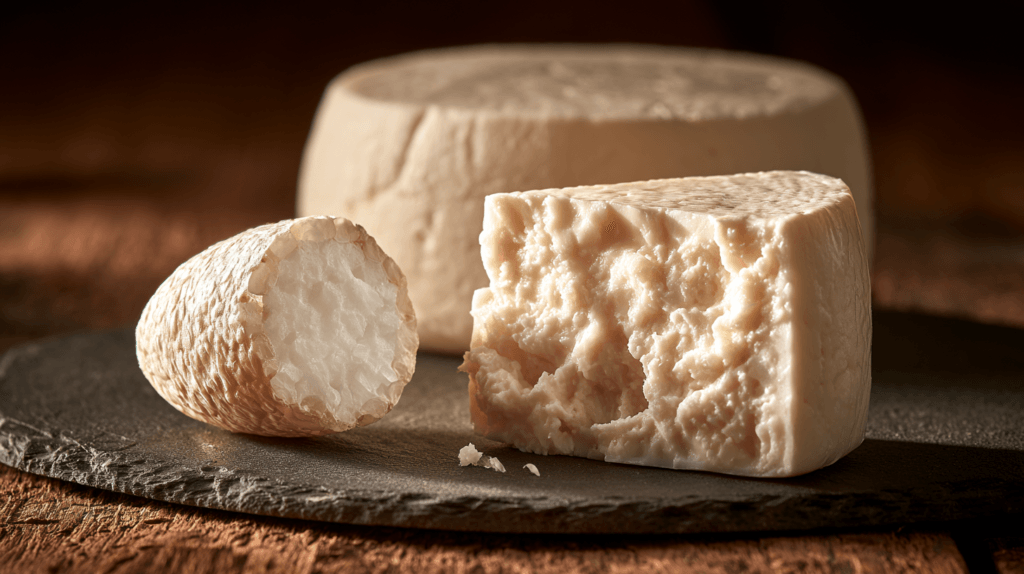
Drink
In Bangkok’s bistros, pairing wine with cheese has long been a familiar ritual. As imported wines have become more widely available, a growing number of restaurants have begun serving European cheeses alongside high-quality natural wines.
Read more
Drink
Some bottles of sake bear the mark of koshu, or “aged sake.” It is natural to assume that such a label denotes a spirit matured over many years. Yet, a fundamental question remains: how long must sake age before it earns the designation of koshu?
Read more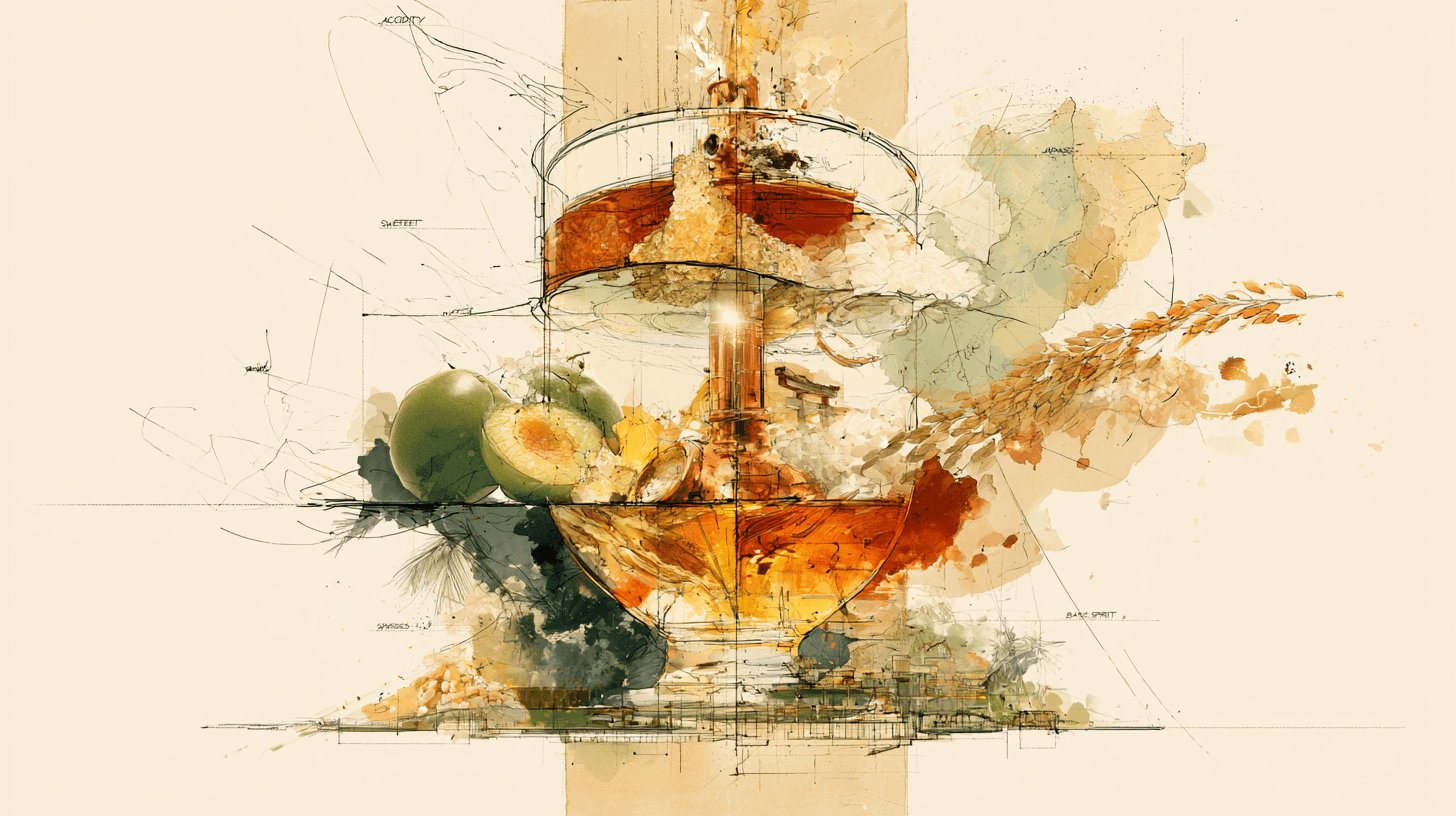
Drink
“Isn’t umeshu basically a fruit liqueur meant to be served on its own|and therefore difficult to use in cocktails?” It’s a reasonable question for bars in Bangkok considering Japanese umeshu. It is sweet, and many expressions possess a lower alcohol content than whisky or gin.
Read more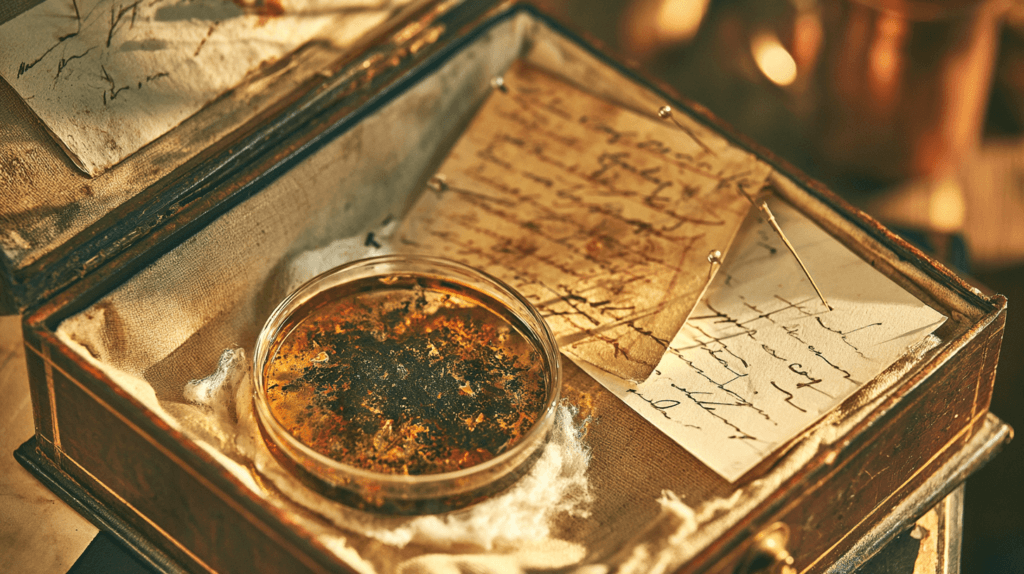
Drink
How black koji’s scientific name changed, and how Okinawan awamori distilleries are extending their fermentation and distillation knowledge into gin and rum.
Read more
Drink
The Michelin Guide’s inspectors have identified seven food trends for 2026. One of them is “Time Is an Ingredient.” Vegetables, fish, and meat are marinated or left to ferment slowly, in some cases with the introduction of koji. That is how the report frames it.
Read more
Drink
Wine labels often carry a small organic certification mark, varying by region of origin. Bottles imported into Bangkok are no exception. Most people read that mark as a statement about the present: “This wine is made using organic farming methods.” That is not wrong.
Read more
Drink
Sake undergoes a delicate process called hiire (pasteurization). After pressing, the liquid is gently warmed to approximately 60°C (140°F) to deactivate naturally occurring enzymes and stabilize its quality.
Read more
Drink
The Manhattan's modern ratio is not its original one, and its famous 1874 banquet story conflicts with the historical timeline.
Read more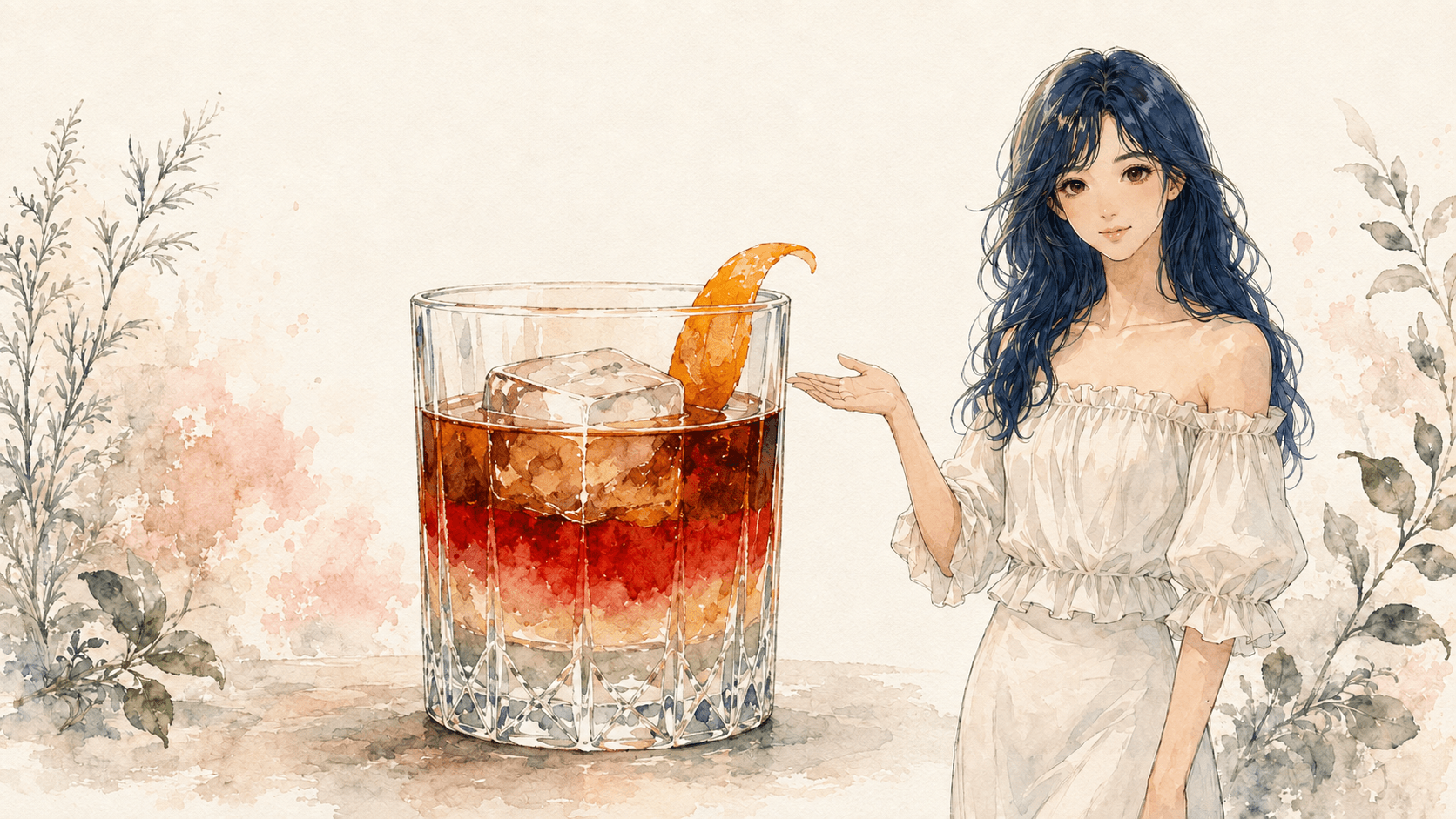
Drink
The Oxford Companion to Spirits and Cocktails, a standard reference work on cocktail history, offers no precise date for the creation of the Negroni. Instead, it places its origin sometime “between the end of World War I and October 1920,” leaving a window of more than a year.
Read more
Drink
Shochu makers have an old saying: “First comes koji, second comes the starter mash, and third comes the rest of the process.” Shirakane Shuzo, based in Aira, Kagoshima Prefecture, also presents these words on its official website.
Read more
Drink
Sake is made in winter. Many people may still carry that image. In Japan, brewing concentrated in the colder months, known as kanzukuri , has indeed been practiced for centuries.
Read more EVENT INFORMATION28–30 August 2026Queen Sirikit National Convention Center

This website provides factual information about Japanese sake and spirits for adults aged 20 and over in Thailand.เว็บไซต์นี้ให้ข้อมูลข้อเท็จจริงเกี่ยวกับสาเกและสุราญี่ปุ่น สำหรับผู้ที่มีอายุ 20 ปีขึ้นไปในประเทศไทย
By entering, you confirm that you are at least 20 years old and are accessing this site from Thailand.การเข้าสู่เว็บไซต์ถือว่าคุณยืนยันว่ามีอายุอย่างน้อย 20 ปี และกำลังเข้าชมจากประเทศไทย