Drink
Rethinking Umeshu: Three Structural Insights for the Cocktail Glass
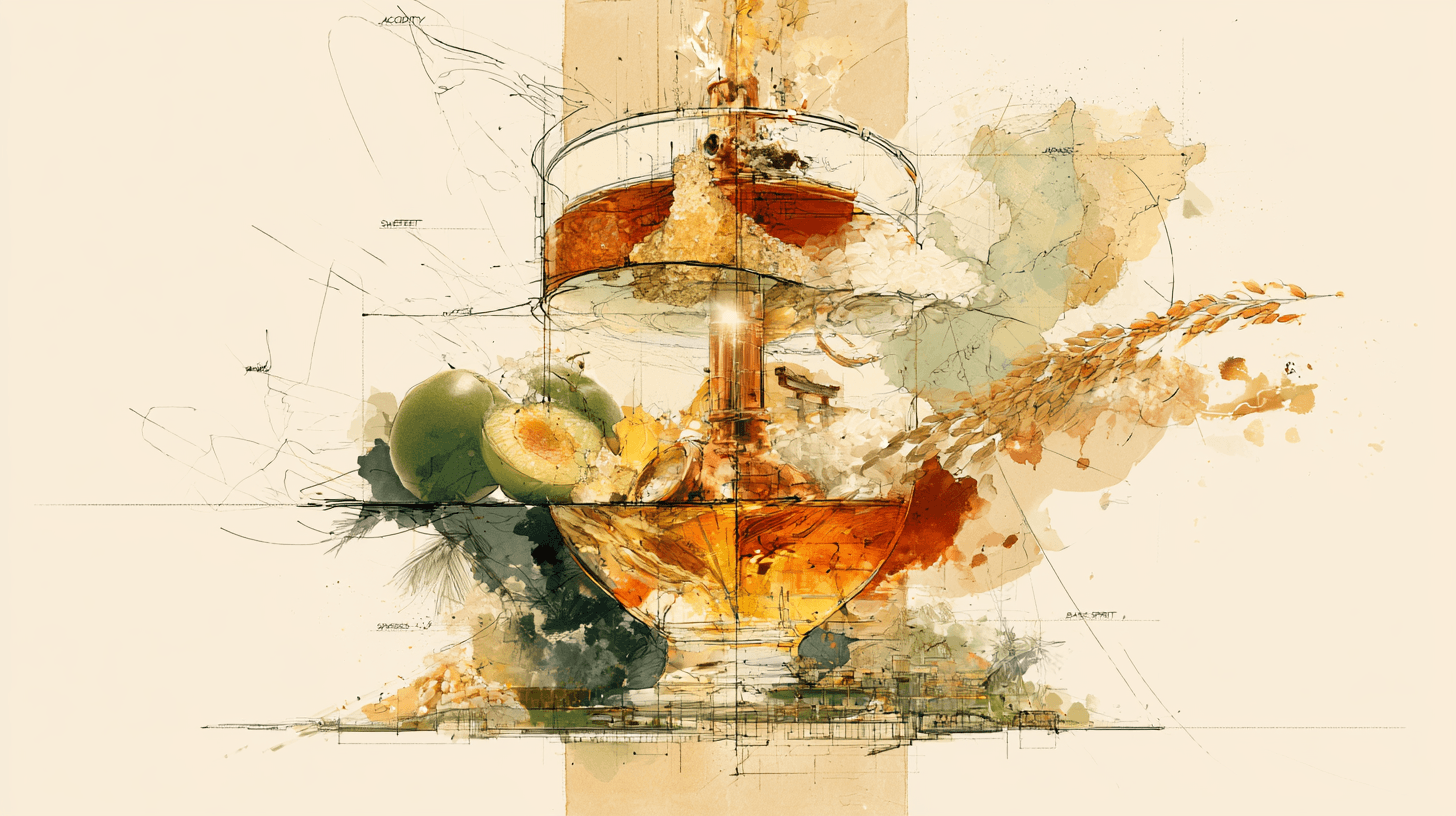
“Isn’t umeshu basically a fruit liqueur meant to be served on its own|and therefore difficult to use in cocktails?” It’s a reasonable question for bars in Bangkok considering Japanese umeshu. It is sweet, and many expressions possess a lower alcohol content than whisky or gin. Judged merely by where it sits on the back bar, it might seem destined for a supporting role.
Yet, when a cocktail is viewed as a precise composition of aroma, acidity, and sweetness, umeshu begins to look entirely different. It is not a singular flavor profile, but rather a layered component that brings multiple structural functions together in one pour.
The Elements That Shape Umeshu
Umeshu is traditionally crafted by steeping ume fruit and sugar in alcohol, allowing the natural components to slowly infuse over time. The choice of base spirit|whether a traditional shochu, a delicate sake, or a robust brandy|reflects the artisan’s distinct philosophy and profoundly shapes the finished character.
The first element is the acidity derived from the ume, often accompanied by a subtle astringency. Ume naturally contains organic acids, such as malic and citric, sharing botanical traits with apples and citrus fruits. In mixology terms, this acidity lends structure beneath the aroma and defines the sweetness. However, unlike the sharp assertiveness of lemon juice, the acidity in umeshu integrates with residual sugars, presenting a softer, more rounded profile.
The second element is sweetness. Rather than acting as a singular note, the sugar interacts intimately with the fruit’s natural tartness and aromatics. During maturation, this slow integration weaves a complex profile far removed from a simple syrup. Recognizing this coexistence of multiple elements is essential to grasping umeshu’s true potential.
The third element is the chosen base. A pristine, neutral shochu allows the ume to shine with unclouded clarity. A sake base can impart a subtle, rice-derived umami, while brandy lends a warming canvas of orchard fruits and oak. Even when two bottles share the simple label of “umeshu,” their aromatic trajectories can point in vastly different directions.
Three Roles Umeshu Can Play in Cocktails
First, as a modifier. Rather than merely sweetening a drink, umeshu introduces a cohesive trinity of acidity, sugar, and botanical aromatics. This allows it to perform a far more nuanced adjustment to a primary spirit than a standard sweetener could offer.
Second, as a bridge. While not a direct substitute for fresh citrus, ume’s gentle tartness can seamlessly connect a dry spirit with sweeter components. This invites a thoughtful approach to acidity|encouraging bartenders to consider not just the volume of acidity an ingredient provides, but the texture and character it brings to the glass.
Third, as a primary base in its own right. Given its typically lower ABV compared to traditional spirits, umeshu naturally lends itself to sessionable, lower-proof cocktails. Yet, a drink’s final strength ultimately hinges on the interplay between the umeshu’s ABV and the overall composition. It serves as a reminder that broad category assumptions should be considered separately from the actual math of a recipe.
Navigating the Nuances: Four Key Indicators
For Bangkok’s discerning venues, distinguishing one umeshu from another often comes down to four distinct variables: the base spirit, the precise balance of sugar and acid, the ABV, and the artisan’s storage guidelines. Examining these individually allows for a more articulate appreciation of the category’s breadth.
Storage, in particular, is rarely one-size-fits-all. Factors like residual sugar, filtration, and proof dictate how the liquid evolves once opened, making the producer’s intent the most reliable guide. In a tropical climate like Bangkok, aligning the local environment with the climatic assumptions of the umeshu’s birthplace becomes a crucial detail in preserving its integrity.
Resonating with Thai Culinary Philosophy
Thai gastronomy frequently orchestrates a delicate balance of sweetness, acidity, and herbaceous aromatics within a single dish. Umeshu mirrors this complexity; it is never simply sweet, but structurally reliant on tartness and botanical notes. While born of entirely different traditions, they share a profound underlying philosophy: the meticulous layering of flavor.
To dismiss umeshu as merely “a sweet Japanese fruit liqueur” is to overlook the sophisticated interplay of its acids, sugars, and foundational spirits. Deconstructing these elements reveals a versatile ingredient worthy of serious exploration.
The goal is not to dictate a singular method for its use. Rather, it is to look past broad labels and appreciate the architectural complexity of the liquid itself.
This article is intended solely to explore the flavor structure of Japanese umeshu and its role in professional cocktail research. It does not aim to promote or encourage the purchase or consumption of alcohol. It is intended for readers aged 20 and over.
บทความนี้จัดทำขึ้นเพื่อสำรวจโครงสร้างรสชาติของอุเมะชูญี่ปุ่นและบทบาทในการศึกษาด้านค็อกเทลเชิงวิชาชีพเท่านั้น มิได้มีเจตนาเพื่อส่งเสริมการซื้อหรือการบริโภคเครื่องดื่มแอลกอฮอล์ บทความนี้จัดทำขึ้นสำหรับผู้อ่านอายุ 20 ปีขึ้นไป
Related Reading
Not Defining Umeshu by a Single Formula / Serving Umeshu from a Glass Amphora
Discover the culture behind every bottle
We share brewery stories, tasting notes and the craft of koji & fermentation | for educational and cultural purposes only.
เราถ่ายทอดเรื่องราวจากผู้ผลิต บันทึกรสชาติ และศาสตร์แห่งโคจิและการหมัก | เพื่อการศึกษาและวัฒนธรรมเท่านั้น
Follow on InstagramFacebook