Drink
Koshu from Yamanashi and Pinot Noir from Yoichi: What Place Names Reveal About Japanese Wine
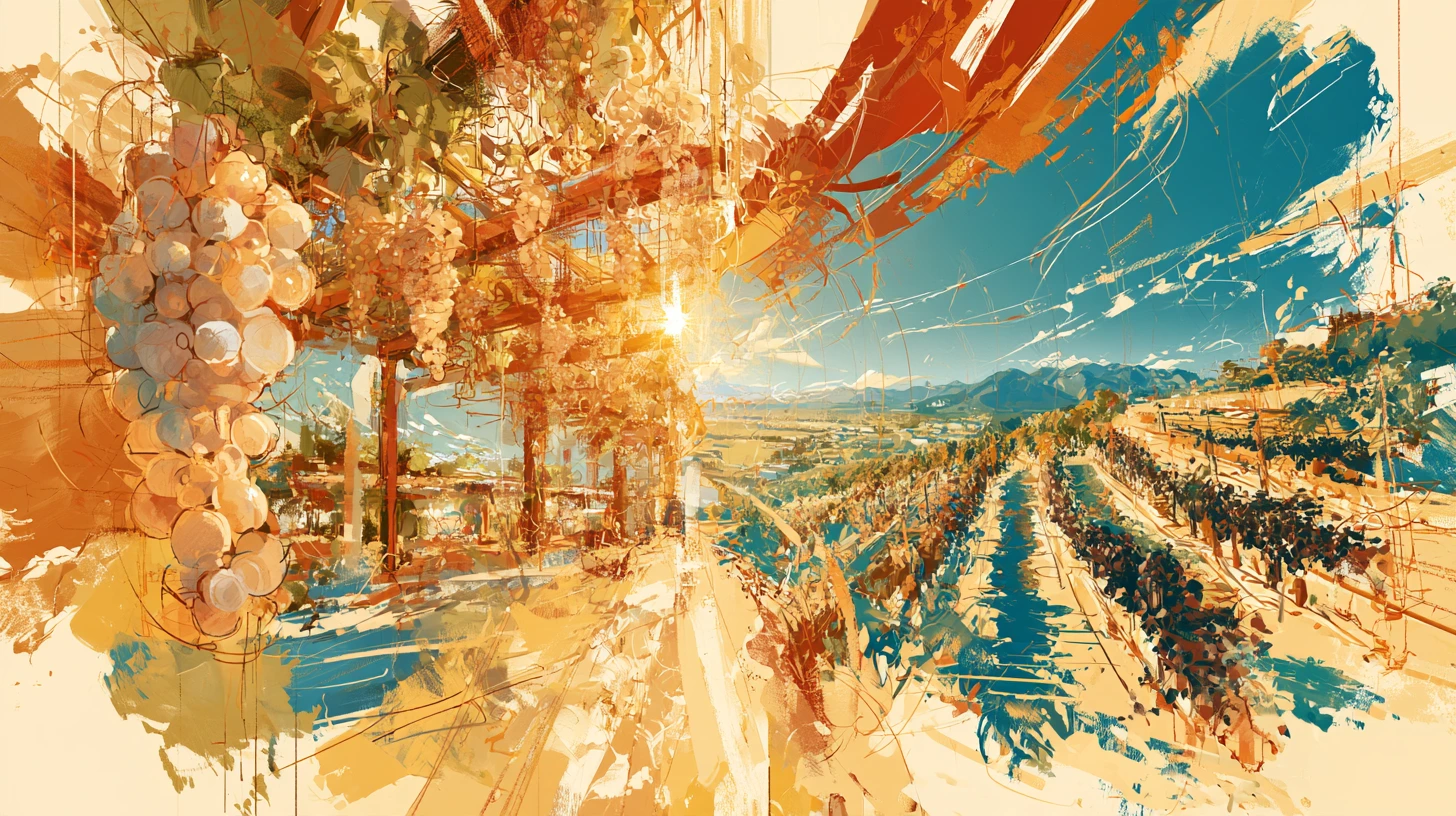
Bringing the name of a grape variety to the world. Protecting the name of a place. Nurturing the next generation of winemakers. Each of these efforts forms part of the story behind Japanese wine.
“Koshu from Yamanashi” and “Pinot Noir from Yoichi” are two pairings that often arise when introducing Japanese wine. Yamanashi and Yoichi denote regions; Koshu and Pinot Noir designate grape varieties. Distinguishing the grape from its geography allows a more precise narrative to unfold.
In a dining room in Bangkok, for instance, an introduction to Japanese wine can extend beyond “made in Japan” to explain where the grapes grew, which variety was used, and who made the wine. Behind that provenance lie systems for recognizing grape varieties and protecting geographical names, alongside communities of winemakers sharing their knowledge of cultivation and winemaking.
How “Koshu” Earned Its Place on the Label
Koshu is a grape long cultivated primarily in Yamanashi, used mainly to make white wine. Often described through pale color and citrus aromas, it produces a range of styles, from dry and sweet wines to sparkling wines.
In 2009, fifteen Yamanashi wineries, together with partner organizations, established Koshu of Japan to introduce the variety internationally. The following year, the International Organisation of Vine and Wine (OIV) added Koshu to its international list of grape varieties.
This milestone enabled wines exported to the European Union to display “Koshu” as a grape variety on their labels. Like Chardonnay or Riesling, Koshu could be introduced by its varietal name, giving specialists a shared reference from which to explore its characteristics.
The Standards Behind the Name “Yamanashi”
Alongside varietal recognition came the protection of place. A Geographical Indication (GI) safeguards a place name and the characteristics of an alcoholic beverage associated with that origin. The framework covers both sake and wine, among other beverages, but designations and production standards are established separately for each category. In 2013, Yamanashi became Japan’s first GI designation for wine.
To bear the Yamanashi GI, wines must use designated grape varieties harvested in Yamanashi Prefecture and be made within the prefecture. Storage and bottling locations are also specified, and compliance with the production standards must be verified. The name “Yamanashi” is supported by requirements connecting the origin of the grapes with the places where wine is made and bottled.
Hokkaido received its GI designation for wine in 2018, followed by Yamagata, Nagano, and Osaka in 2021. These designations provide a way to trace the ingredients and production locations behind the names on a label.
In Yoichi, Apprentices Become the Next Generation of Winemakers
In Yoichi, Hokkaido, connections among Pinot Noir growers reveal another aspect of how a wine region develops.
Takahiko Soga established Domaine Takahiko in 2010. He grows Pinot Noir organically in the estate’s vineyards and pursues winemaking suited to the characteristics of the land. Some people who learned viticulture and winemaking at the estate have gone on to establish their own wineries in Yoichi.
A Japanese government article published in 2025 reported that Yoichi’s winery count had grown from nine to twenty over a decade. In 2011, the town also introduced measures that made it easier for small-scale wineries to enter production. Opportunities to learn from experienced producers and support for establishing independent wineries developed within the same community.
In February 2025, Yoichi signed a friendship agreement with Gevrey-Chambertin, a village in France’s Burgundy region. Centered on the wine industry, the agreement promotes exchanges in areas including culture and tourism. The connections between wine regions now extend across national borders.
Following the Grape, the Place, and the People
When introducing Koshu from Yamanashi, an explanation can begin with the grape variety and continue through the region’s production standards. For Pinot Noir from Yoichi, it can follow the producers who chose the variety and the people who learned from established winemakers before setting up independently.
The variety identifies the grape. The GI provides information about origin and production requirements. Following the winemakers themselves reveals how grapes are cultivated and wine is made in that place. Behind the short names on a Japanese wine label lies a history built over many years.
Related articles
Related product information
This article explores the grape varieties, regional history and geographical indications of Japanese wine for educational purposes. It does not promote the purchase or consumption of alcohol. Intended for readers aged 20 and over.
บทความนี้นำเสนอความรู้เกี่ยวกับพันธุ์องุ่น ประวัติศาสตร์ของแหล่งผลิต และสิ่งบ่งชี้ทางภูมิศาสตร์ของไวน์ญี่ปุ่น มิได้มีเจตนาส่งเสริมการซื้อหรือการบริโภคเครื่องดื่มแอลกอฮอล์ สำหรับผู้อ่านอายุ 20 ปีขึ้นไป