Drink
How Grape Variety and Winemaking Shape Italian White Wines
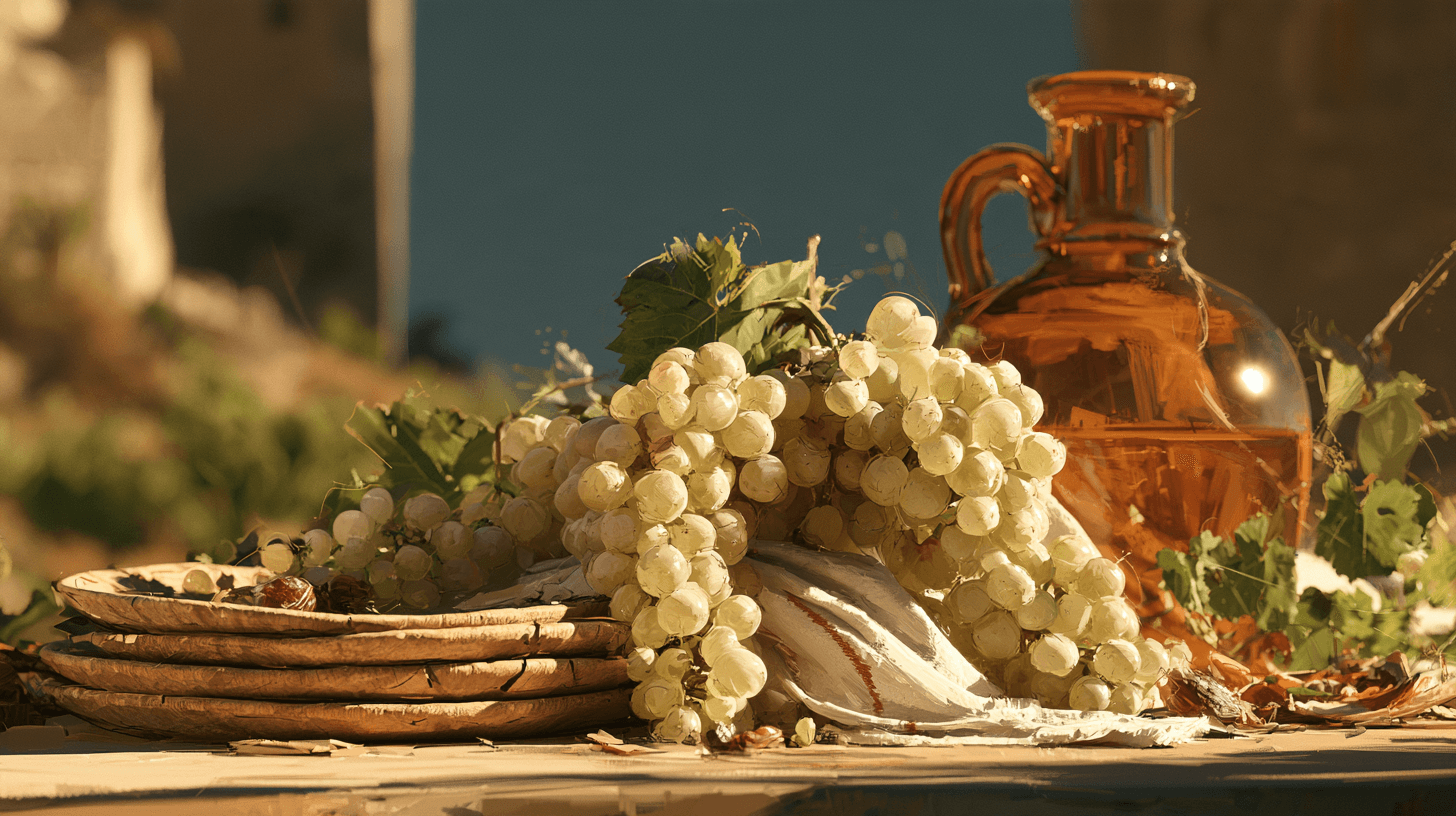
Across Italy, white grapes become sparkling wines, sweet wines and amber wines. Understanding this range involves more than memorizing grape names: it also means observing how winemakers choose to work with their fruit.
From Veneto in the north to Campania in the south, locally established varieties meet different approaches to winemaking. Four grapes, Glera, Garganega, Ribolla Gialla and Fiano, offer a guide to how technique and time shape these contrasting styles.
From Glera to Prosecco Bubbles
Glera is a white grape cultivated in northeastern Italy, particularly in Veneto and Friuli-Venezia Giulia, and serves as the principal variety for Prosecco. Under Prosecco DOC production rules, the wine must contain at least 85% Glera. DOC is an Italian designation of origin that defines production areas and methods. Glera names the grape; Prosecco names the wine and its appellation.
During fermentation, yeast converts sugars in grape juice into alcohol while releasing carbon dioxide. In sparkling wine production, retaining that carbon dioxide in the liquid creates the bubbles.
Effervescence is not an inherent trait of the grape, but a result of how fermentation is managed. Recognizing the variety and understanding the technique behind the bubbles provide two distinct ways of understanding the wine.
Garganega Can Produce Both Dry and Sweet Wines
Garganega lies at the heart of Soave in Veneto. Soave DOC must contain at least 70% Garganega. The wine's name may be familiar even to those who do not recognize its principal grape.
The same region also produces Recioto di Soave, a sweet wine made from grapes dried for several months before pressing. As water evaporates, sugars and other components become concentrated. These grapes are then used to produce a sweet wine.
With Garganega, proceeding to winemaking after harvest or drying the fruit first can lead to different results. Rather than identifying a variety simply as “dry,” following the post-harvest process reveals how that difference arises.
Ribolla Gialla: Extraction from the Skins
Associated with Friuli in northeastern Italy, Ribolla Gialla is used both for conventional white wines and for wines fermented with their skins.
In conventional white winemaking, the juice is separated from the skins early in the process. Fermenting the juice in contact with the skins extracts color and tannins, compounds associated with astringency. Even though the grapes are white, the wine may develop an amber hue. Wines made in this way are also called orange wines.
The distinction comes from a winemaker's decision about the skins as well as the grape itself. Within the same variety, fermenting separated juice and fermenting with skin contact can produce different colors and textures.
Fiano: The Dimension of Time
In Campania in southern Italy, Fiano draws attention to the changes that can come with aging. Fiano di Avellino, produced around Avellino, is known as a white wine capable of long maturation.
Young wines can show fruit and floral aromas, while nutty notes may emerge with age. White wines, too, can change their aromatic profile over time.
Glera highlights fermentation that creates bubbles; Garganega illustrates post-harvest drying; Ribolla Gialla reveals the influence of skins; and Fiano shows the effect of time. The diversity of Italian white wine grows from the grapes of each region and the work of winemakers who bring out their individual characteristics.
Related articles
This article explores Italian white grape varieties, winemaking methods and cultural heritage for educational purposes. It does not promote the purchase or consumption of alcohol. Intended for readers aged 20 and over.
บทความนี้นำเสนอข้อมูลเกี่ยวกับพันธุ์องุ่นขาวของอิตาลี วิธีการทำไวน์ และมรดกทางวัฒนธรรมเพื่อการศึกษา มิได้มีเจตนาส่งเสริมการซื้อหรือการบริโภคเครื่องดื่มแอลกอฮอล์ สำหรับผู้อ่านอายุ 20 ปีขึ้นไป
Discover the culture behind every bottle
We share brewery stories, tasting notes and the craft of koji & fermentation | for educational and cultural purposes only.
เราถ่ายทอดเรื่องราวจากผู้ผลิต บันทึกรสชาติ และศาสตร์แห่งโคจิและการหมัก | เพื่อการศึกษาและวัฒนธรรมเท่านั้น
Follow on Instagram Facebook