Stories Behind the Bottle
Château de Garnerot: A Renaissance Chosen, Not Inherited
Burgundy stories often begin with inheritance. This one begins with a correction.
Château de Garnerot describes its modern history not as a return to family roots, but as a renaissance. Caroline Fyot, Burgundian by birth, had built a career in insurance. To create a wine estate, she retrained at the Lycée Viticole de Beaune, completed placements in the Côte de Nuits and the Côte Chalonnaise, and produced her first vintage in 2018.
The question was not how to preserve a system handed down to her. It was what rules to choose when building one.
A historic building, a young domaine
The château itself carries a longer memory. According to the estate, the eighteenth-century property has served as a venue for gatherings of the Confrérie de la Saint-Vincent and for events including the Grands Jours de Bourgogne and the Saint-Vincent Tournante.
That history could easily have become decoration. Fyot instead made it part of a practical project: to give the property a new working life around the vineyards, the cellar and the culture of Mercurey.
This distinction matters. Château de Garnerot is housed in an old building, but the domaine inside it is young. Its identity does not rest on a claim of uninterrupted family succession. It rests on decisions made since the first vintage.
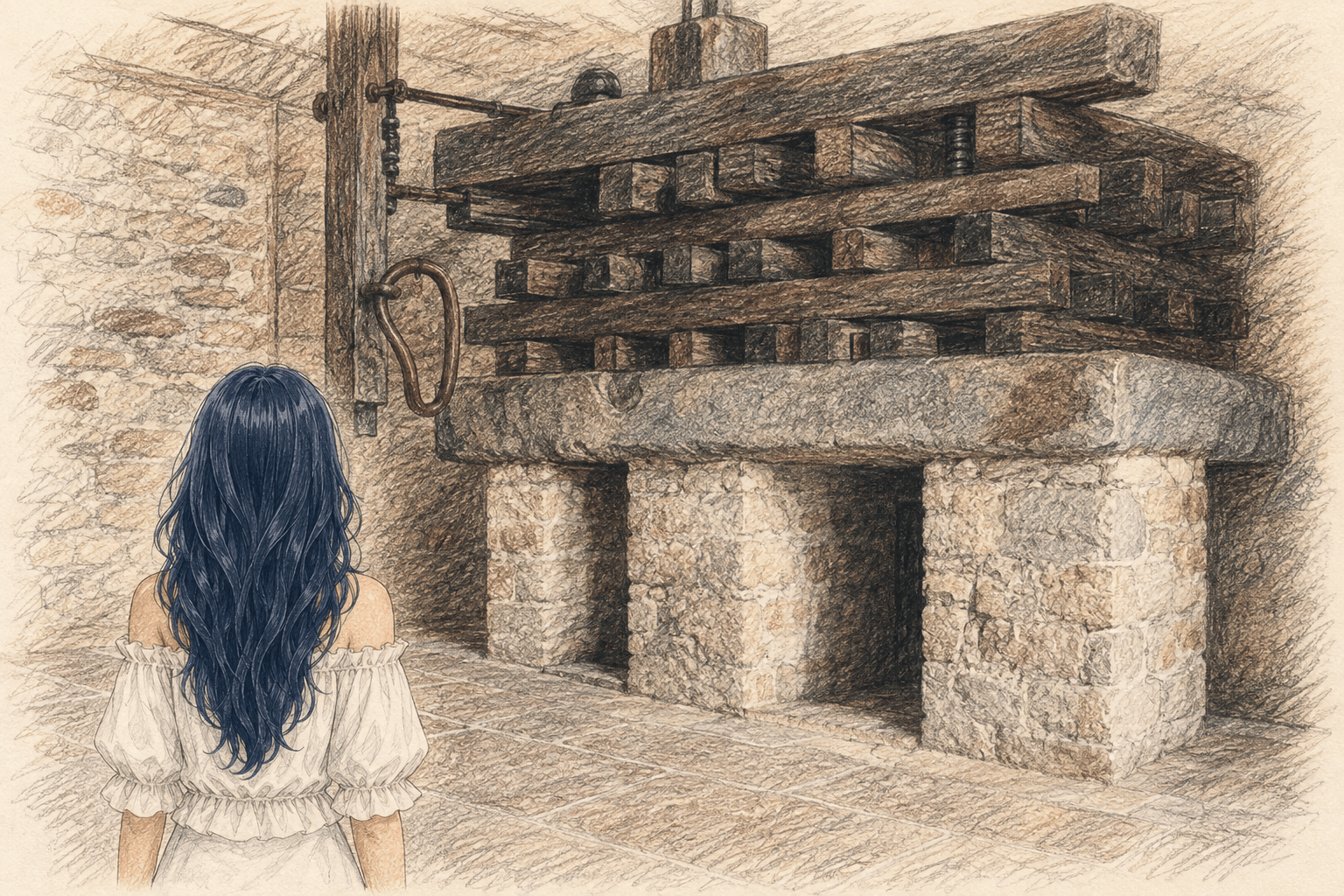
The first rule was chosen, not inherited
Fyot says that respect for nature, the environment and people forms the foundation of the project. The estate committed to organic farming from the beginning and has held certified organic status for its vineyards since 2022. It also applies a biodynamic approach on certain parcels.
Those two statements should not be collapsed into one. Organic certification is documented for the estate vineyards. The biodynamic work is described as an approach used on some parcels; the producer does not present the whole estate as Demeter-certified.
The distinction is more than a matter of labels. It shows how the project is organised. Parcels are selected for the age and provenance of their vine material, the character of their soils and their orientation. Pruning includes Guyot and Guyot Poussard methods, with attention to sap flow. Soil analyses carried out with Bio Bourgogne inform parcel-specific amendments, while Maria Thun preparations form part of the work described by the estate.
None of these practices guarantees a particular sensory result on its own. Together, however, they establish the limits within which the domaine chooses to work.
When the parcel becomes the unit of thought
Château de Garnerot works across the Côte Chalonnaise and the Côte de Beaune. In Burgundy, that span is not a blank regional canvas. It is a collection of sites whose soils, exposures, vine material and appellations ask different questions.
Fyot’s answer is to treat each parcel as the basis of a separate cuvée. She also states that an Aligoté and a Premier Cru deserve the same degree of attention. This is a useful clue to the estate’s priorities: hierarchy does not remove the obligation to interpret the site.
The range therefore becomes clearer when read as a map rather than a ladder. Les Louères brings Bouzeron and Aligoté into view. Terres de Garnerot gives a regional Bourgogne Côte Chalonnaise a distinct place in the estate portfolio. Mercurey appears through site-specific wines such as Roc Blanc. Vénus extends the picture into Crémant de Bourgogne.
The point is not that every label should resemble the next. The point is that each should retain the logic of its origin.
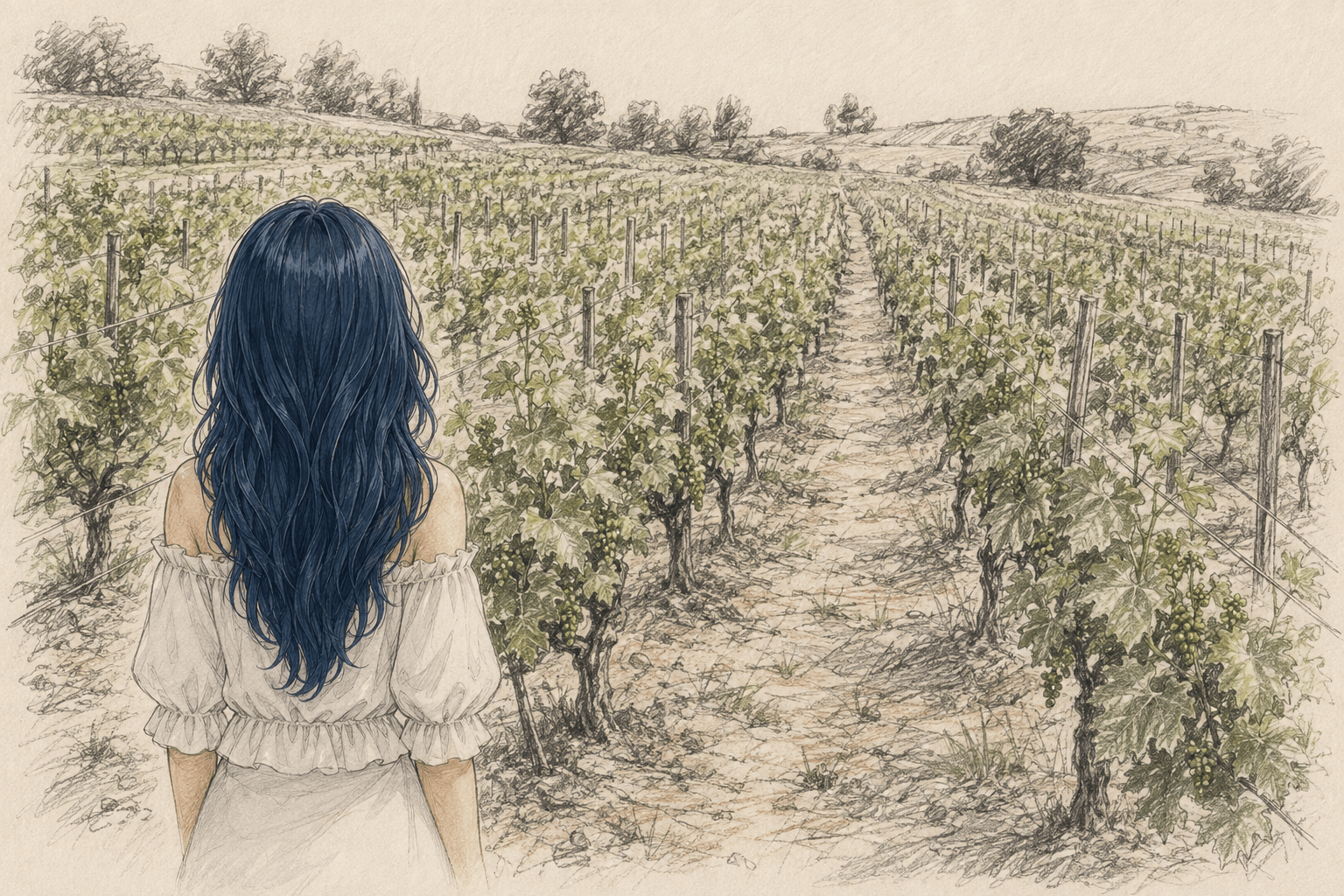
The cellar follows the same logic
Parcel-by-parcel thinking continues after harvest. The producer describes manual picking, transport in openwork crates and sorting before vinification.
For white wines, the juice undergoes twenty-four hours of cold settling before alcoholic fermentation in barrel. For reds, destemming may be partial or complete according to the cuvée. Cold maceration, indigenous yeast fermentation, pump-overs and punch-downs are adjusted rather than imposed as one fixed recipe. Depending on the wine, élevage lasts from ten to eighteen months in oak, with ten to thirty percent new barrels.
This is not an absence of intervention. It is a sequence of interventions whose intensity changes with the material. The cellar’s role is not to erase variation between parcels, but to avoid forcing them into a single formula.
Two names, one important distinction
The Garnerot portfolio contains another distinction worth making clear. Château de Garnerot is the domaine operation. Chai Garnerot is a small négociant-vinificateur activity that allows Fyot to work with a broader range of appellations.
The producer’s own pages identify Terres de Garnerot as vinified and aged by GFA Château de Garnerot. Roc Blanc, a Mercurey Pinot Noir, is identified as vinified and aged by Chai Garnerot. The Vénus Crémant page likewise identifies Chai Garnerot as the commercial entity.
This is not a hierarchy of authenticity. It is an operational distinction between the domaine and the négociant-vinificateur activity. It also prevents one important error: the organic certification of the domaine vineyards should not automatically be extended to every wine associated with the Chai.
For readers, the two names reveal the architecture of the project. One branch is rooted in estate vineyards. The other broadens the geographic conversation through a small merchant-winemaker structure. Both are directed from Mercurey, but they should remain clearly labelled.
What the bottles preserve
Two wines make that architecture easy to see without turning the story into a catalogue.
Terres de Garnerot is a Bourgogne Côte Chalonnaise made from Pinot Noir. Its grapes are harvested by hand and sorted; the wine is then aged for ten months in oak. Its place in the story is not simply that of an introductory wine. It demonstrates Fyot’s stated belief that a regional appellation deserves the same attentive reading as a more elevated classification.
Roc Blanc is a Mercurey Pinot Noir made under the Chai Garnerot structure. Its grapes are harvested by hand and sorted; the wine is then aged for fifteen months in oak. Here, the merchant-winemaker branch extends the map while keeping the parcel name at the centre.
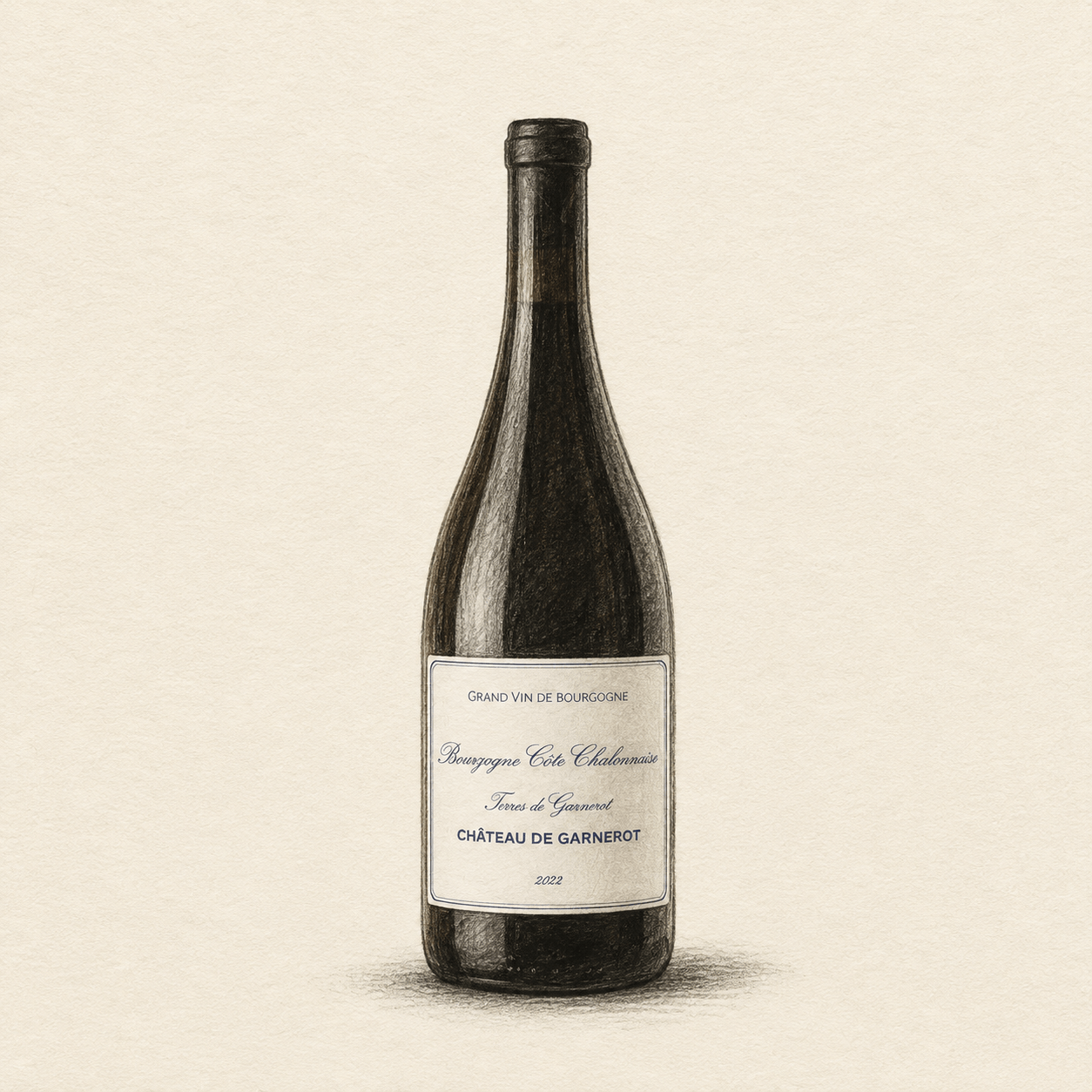
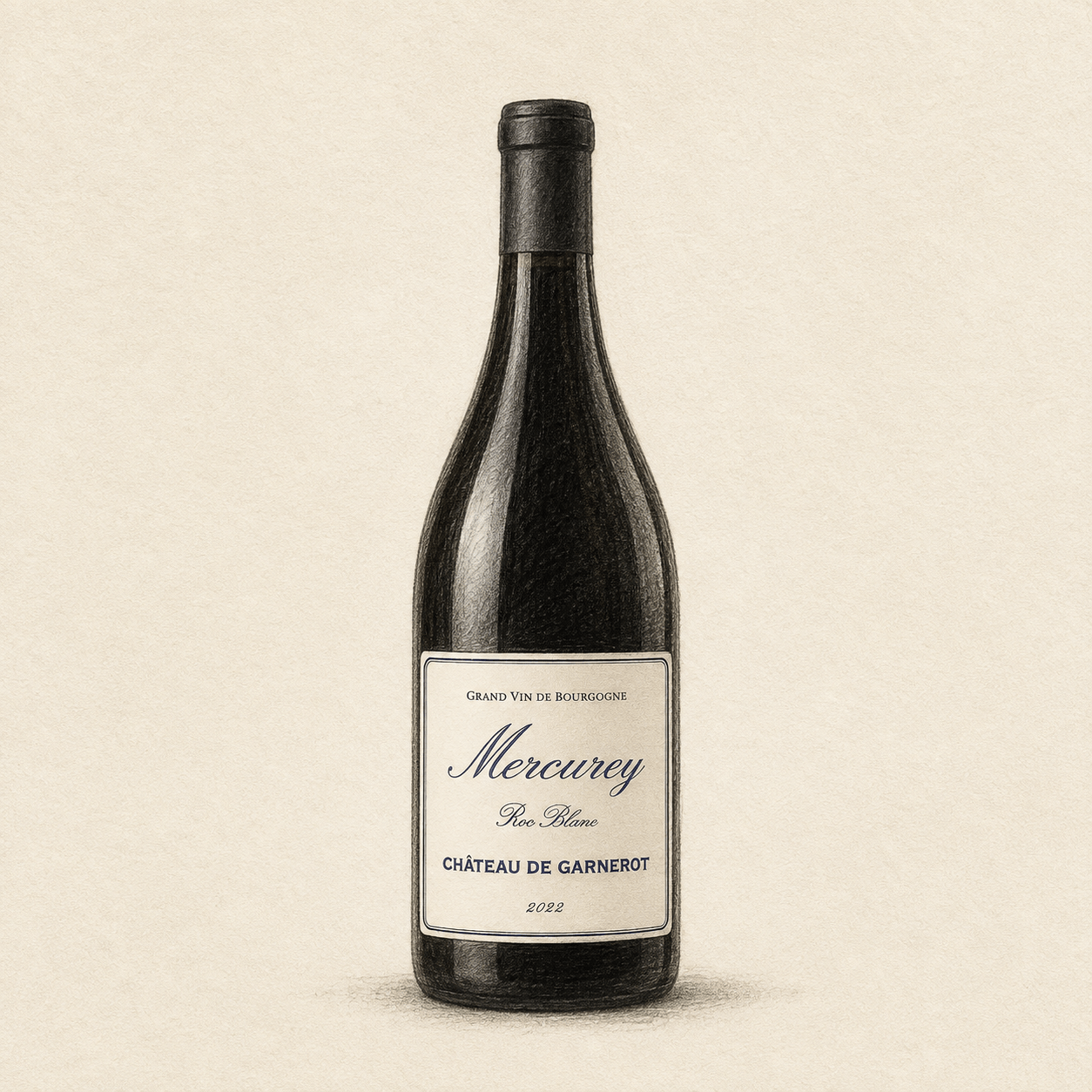
The comparison is useful because it replaces a vague claim about terroir with something visible. The name of the site, the origin of the fruit and the entity responsible for the wine all remain part of the record.
The meaning of renaissance
There is no inherited recipe at the centre of this story. There is a sequence: leaving insurance, retraining in Beaune, choosing Mercurey, committing the estate vineyards to organic farming, separating domaine and Chai work, and asking each parcel for its own answer.
At Garnerot, the eighteenth-century walls are older than the domaine now working inside them. That gap is not an embarrassment to hide. It is the point. The building came with history. The estate had to earn a method.
This article is intended solely to explore the winemaking artistry and cultural heritage of Château de Garnerot and Chai Garnerot, and does not aim to promote or encourage the consumption of alcohol.
บทความนี้จัดทำขึ้นเพื่อนำเสนอข้อมูลเกี่ยวกับศิลปะการทำไวน์และมรดกทางวัฒนธรรมของ Château de Garnerot และ Chai Garnerot เท่านั้น มิได้มีเจตนาเพื่อส่งเสริมหรือโฆษณาเครื่องดื่มแอลกอฮอล์ สำหรับผู้มีอายุ 20 ปีขึ้นไป โปรดดื่มอย่างรับผิดชอบ
Related red-wine profile
- CHAI GARNEROT Pommard En Boeuf 2023
- CHATEAU DE GARNEROT Cote Chalonaise Terres de Garnerot 2022
- CHATEAU DE GARNEROT Mercurey Roc Blanc Rouge 2023
Related white-wine profile
Discover the culture behind every bottle
We share producer stories, places and craft — for educational and cultural purposes only.
เราถ่ายทอดเรื่องราวของผู้ผลิต สถานที่ และงานฝีมือเบื้องหลังแต่ละขวด — เพื่อการศึกษาและวัฒนธรรมเท่านั้น
Follow on Instagram Facebook