Drink
Domaine Amirault
The Living Legacy of Loire’s Biodynamic Winemaking
Domaine Amirault, a family-run winery with a history spanning more than 180 years, produces wines in Saint-Nicolas-de-Bourgueil in the Loire region of France that truly carry a “living flavor.” Their careful biodynamic farming and the grapes grown in their historic vineyards capture the rich personality that comes from a close dialogue with nature. Each bottle reflects this special character, born of both tradition and inovation methods, and invites you into a one-of-a-kind wine experience. Here, the timeless heritage of the scenic Loire Valley meets the passion of a new generation open to innovation.
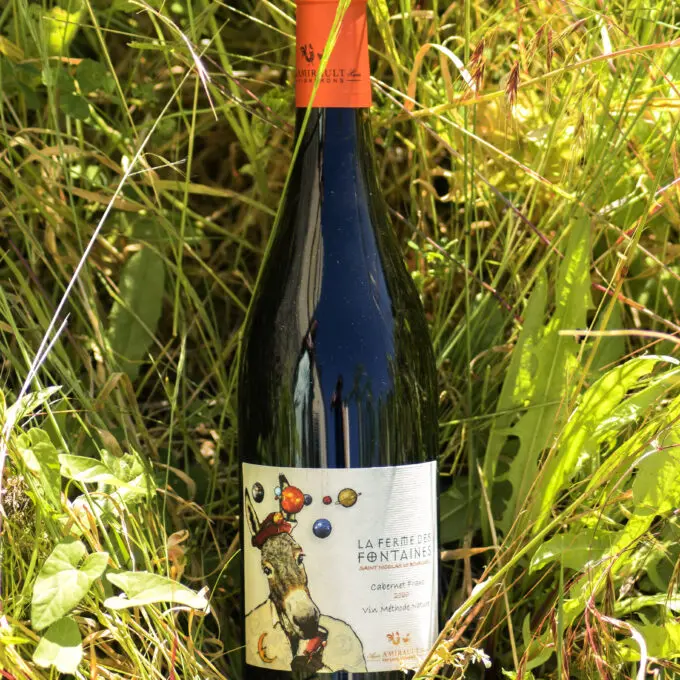
The Loire region is world-famous, and among its many areas, Saint-Nicolas-de-Bourgueil is well-known for red wines made mainly from Cabernet Franc, prized for their fragrant, elegant qualities. The local climate, influenced by the Loire River, shapes the vines with rich soil, warm sunshine during the day, and cool air at night. This unique setting creates wines of remarkable delicacy, reflecting the garden-like beauty of the Loire region.
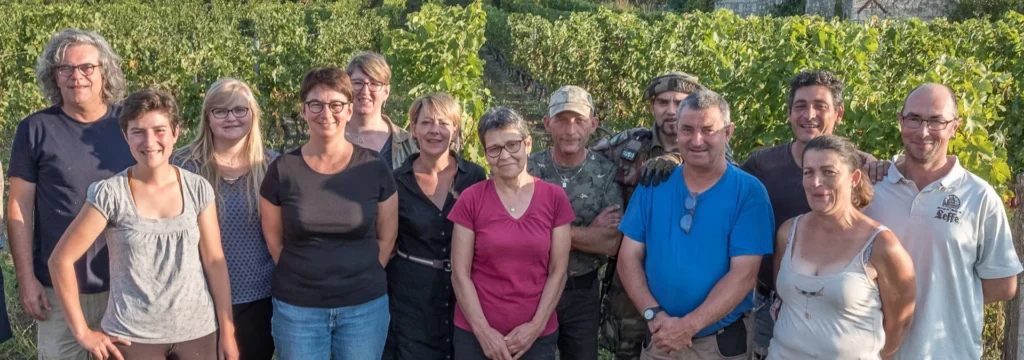
Domaine Amirault has roots that stretch back over 180 years, and it is currently run by Agnès and Xavier Amirault. While respecting traditional philosophies, they actively embrace new approaches, such as biodynamic farming. By working hand-in-hand with nature, they create wines with greater depth and complexity.
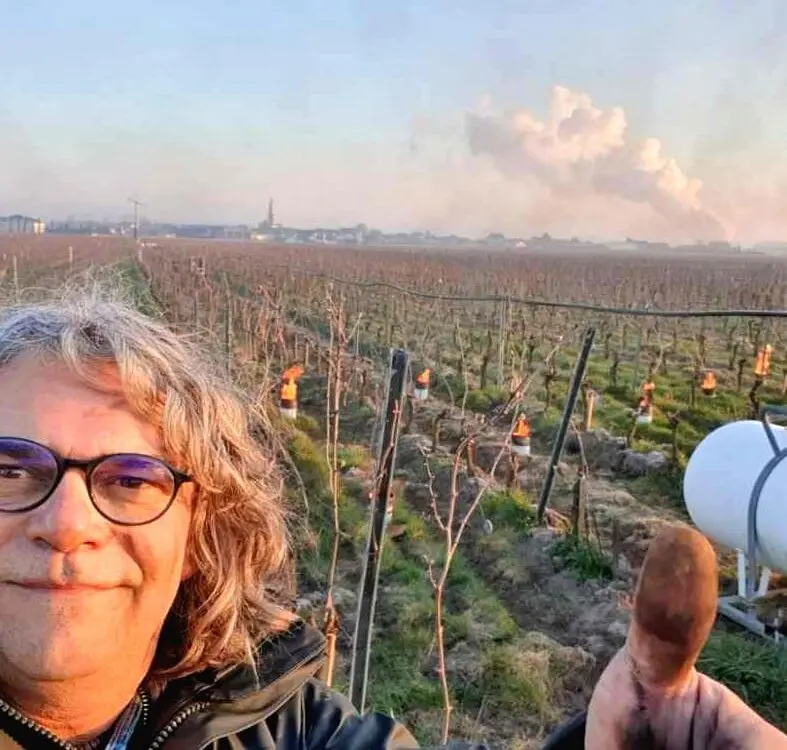
One of their most iconic vineyards is “Le Fondis.” For more than three centuries, it has produced outstanding grapes. Indeed, maps from the 18th century already noted the exceptional quality of its produce. In these vineyards, organic cultivation forms the base, and biodynamic methods further enhance the rich community of soil microbes and plant life. By growing vines in harmony with nature’s own rhythms, the resulting wines show concentrated fruit flavors, smooth tannins, and a deep, after taste.
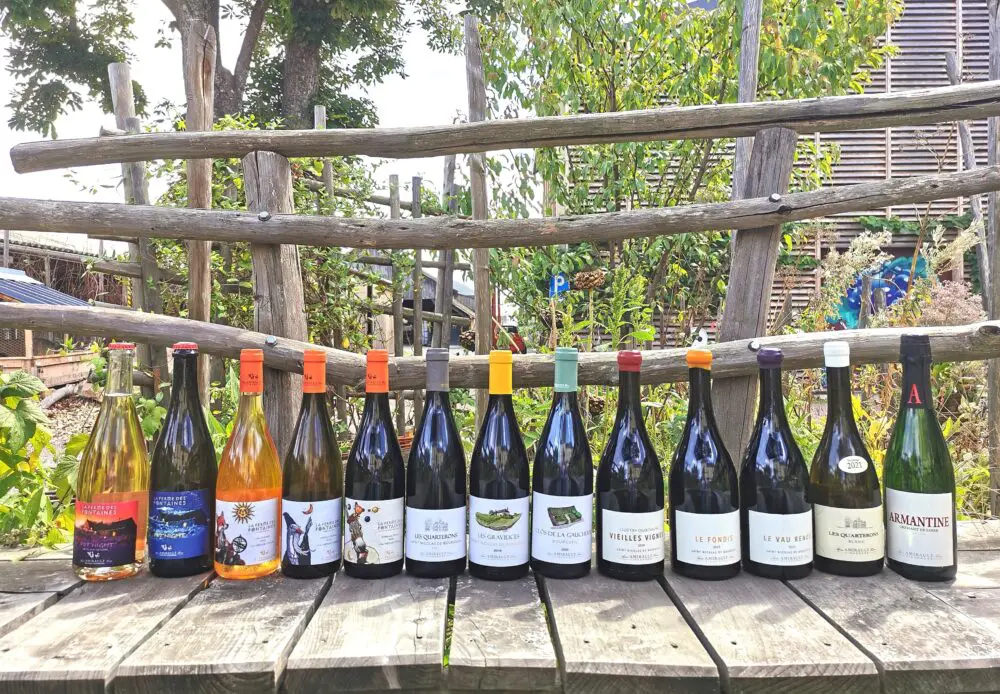
Their labels, such as “Le Vau Renou” and “Le Fondis,” stand out for their layered aromas and flavors. You might sense ripe black cherry and plum, followed by subtle hints of spice. On the palate, silky tannins and elegant acidity blend together, leading to a long, satisfying aftertaste. These wines have earned respect not only from wine lovers but also from skilled experts.
Domaine Amirault is more than just a place where wine is made. Visitors can enjoy unique experiences that reveal the deeper world of winemaking. One such experience is the “Cellar Journey.” Inside the traditional tuffeau-stone cellars, you can learn firsthand how wine is fermented and aged. The stable temperature and humidity create the perfect microclimate for maturation, and the tranquil surroundings enhance the wines’ aromas, gently awakening all your senses.
In addition, there is the “Aroma Garden”|a special program where you can smell over 200 types of flowers and herbs. By comparing their scents, you discover the subtle aromas hidden in the wine. This sensory adventure expands your sense of smell and adds a new dimension to wine tasting. Instead of simply “drinking” wine, you’ll learn to “feel” it, making the experience truly memorable.
The article presents Domaine Amirault through its regional history, vineyard practices, and approach to Cabernet Franc.
The producer’s materials describe Saint-Nicolas-de-Bourgueil and the Loire River as important context for the structure of its Cabernet Franc. They also record the estate’s biodynamic vineyard practices.
The source describes matured aromas and a structured profile in relation to the Loire vineyards.
Consumer-directed tasting and pairing language from the original closing has been removed; the page is retained for producer and regional context.

Related white-wine profile
Discover the culture behind every bottle
We share brewery stories, tasting notes and the craft of koji & fermentation | for educational and cultural purposes only.
เราถ่ายทอดเรื่องราวจากผู้ผลิต บันทึกรสชาติ และศาสตร์แห่งโคจิและการหมัก | เพื่อการศึกษาและวัฒนธรรมเท่านั้น
Follow on Instagram FacebookRelated Articles
“The wines of the Loire Valley” / “DOMAINE DE CAZABAN” / “DOMAINE LÉON HEITZMANN” / “DOMAINE LE FAY D’HOMM” / “LES CROISILLE Divin”