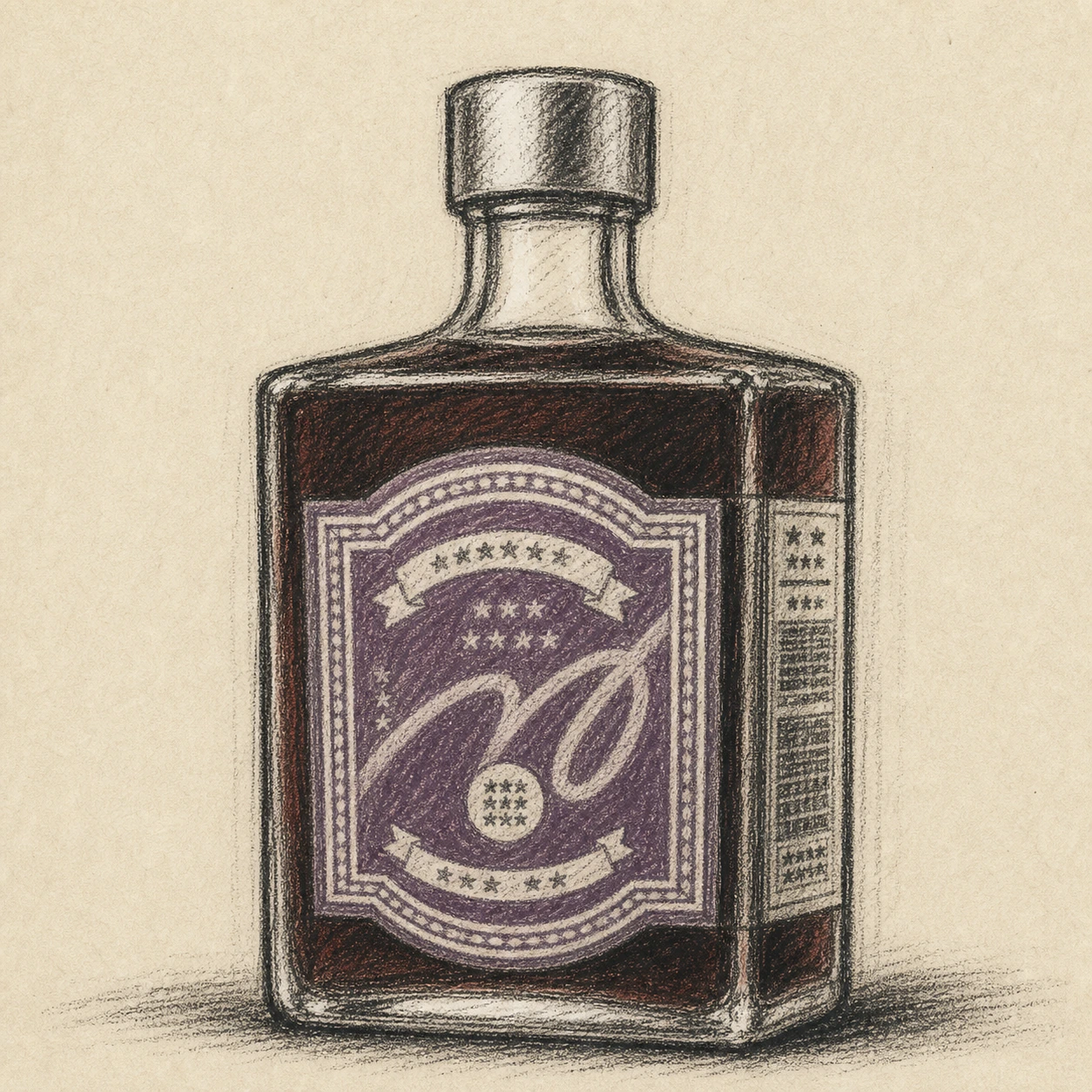
WAKA MINORI Japanese Aperitif
Iwate apple, hojicha, red shiso and raspberry are layered to express autumn through aroma and bitterness in a Japanese herbal aperitif made for slow sipping.
Thailand · Product information
Product information from Bacchus Global Co., Ltd., based in Bangkok, Thailand. About Bacchus Global
Japanese herbal liqueur
Macerating botanicals separately to build layers
Its character comes from the way the main ingredient meets the base spirit. Two choices are central to the result.
Three to four macerations by ingredient
Ingredients are extracted separately so each keeps its own aromatic definition.
Blending the individual extracts
The extracts are composed so aroma, sweetness and bitterness unfold in sequence.
Layered aromatics inspired by autumn
Sweet-tart red shiso and raspberry move through lavender into a roasted, bitter finish of hojicha and wormwood.
The story behind this bottle
Aya and Kenji explore WAKA Minori through an autumn picture, fruit, roasted tea and the maker’s memories. English · about 3 minutes 40 seconds.
Question 1
Which pair forms the autumn axis described for WAKA Minori?
- Ume and shiso leaf
- Red shiso and hojicha
- Strawberry and sansho
Read the answer and explanation
Correct answer: B — Red shiso and hojicha
Red shiso and roasted hojicha are part of Minori’s autumn profile. The other pairs point to other WAKA products.
Question 2
Which Iwate-grown fruit is named at the top of the product page?
- Apple
- Mango
- Lychee
Read the answer and explanation
Correct answer: A — Apple
The introduction names Iwate apple. The autumn pair of red shiso and hojicha is not the entire opening description.
Question 3
Which account matches how the page handles the ingredients?
- Ferment all ingredients together in the bottle
- Use only an aged wooden cask to add aroma
- Macerate ingredients separately, then combine their extracts
Read the answer and explanation
Correct answer: C — Macerate ingredients separately, then combine their extracts
The page describes separate extraction followed by blending. It does not specify bottle fermentation or a cask as the source of aroma.
Autumn herbs, fruit and measured bitterness

Sweet-tart red shiso and raspberry move through lavender into a roasted, bitter finish of hojicha and wormwood.
Where an autumn-toned layering meets the table
The food affinities below for WAKA Minori are not pairings the distillery has stated officially — they are a reading of the characteristics recorded on this page. Four directions are built around the autumn-toned layering that runs from red shiso and raspberry’s sweet-tartness through lavender and hojicha to wormwood’s toasty, bitter finish.
This pairing rationale draws on the following reference books: Food Pairing Encyclopedia notes that raspberry resonates with dark chocolate, almond, and other nuts, and its pear entry records that lavender flowers pair well with duck. The Science of Food Pairing explains that roasted, toasty aromas connect with the sweet aroma of fruit, adding complexity to a meal. Under the five-taste theory in Logical Pairing, bitterness works by contrast against fat or umami — matching the structure here, where wormwood’s toasty bitterness sits beside bitter vegetable dishes.
Kanegasaki Herb Liqueur Distillery in Kanegasaki, Iwate
Kanegasaki Herb Liqueur Distillery is based in Kanegasaki, Iwate. For this liqueur, it brings ingredient selection and established production craft together in a distinctly Japanese expression.
Related products
Only directly relevant products and Bacchus Global stories are shown.
Related product information
Contact Bacchus Global for product documentation and trade information.