Drink
The Shared Vocabulary of Aroma: Reading Marlborough Sauvignon Blanc Through Thai Cuisine
In 2024, New Zealand wine volumes in Thailand grew by 7% year on year. Industry reporting based on IWSR data notes parallel shifts: Italian wine rose by 9%, Australian by 3%, and Chilean by 1%. However, these figures alone do not explain the reasons for the increase.
Fiscal context adds an essential nuance. In February 2024, Thailand waived its standard 54%–60% wine import duties. New Zealand, however, had enjoyed zero-tariff status since January 2015 via the Thailand–New Zealand Closer Economic Partnership Agreement. The 2024 growth therefore cannot be explained simply by tariff relief. Rather, once wines from other origins also had more similar tariff conditions, the question was why New Zealand wine was chosen.
Immediate Sensory Expression
Marlborough, on New Zealand’s South Island, is renowned for Sauvignon Blanc. In the region’s representative style, aromas reminiscent of passion fruit and grapefruit appear clearly alongside notes that suggest green grass and fresh herbs.
The former are associated with aromatic compounds known as thiols, while the latter are linked to methoxypyrazines. Although the names are technical, these are small aroma molecules that help shape fruity and plant-like impressions. The balance between these two aromatic directions forms an important part of Marlborough’s characteristic aroma.
Thai Cuisine, Too, Speaks First Through Aroma
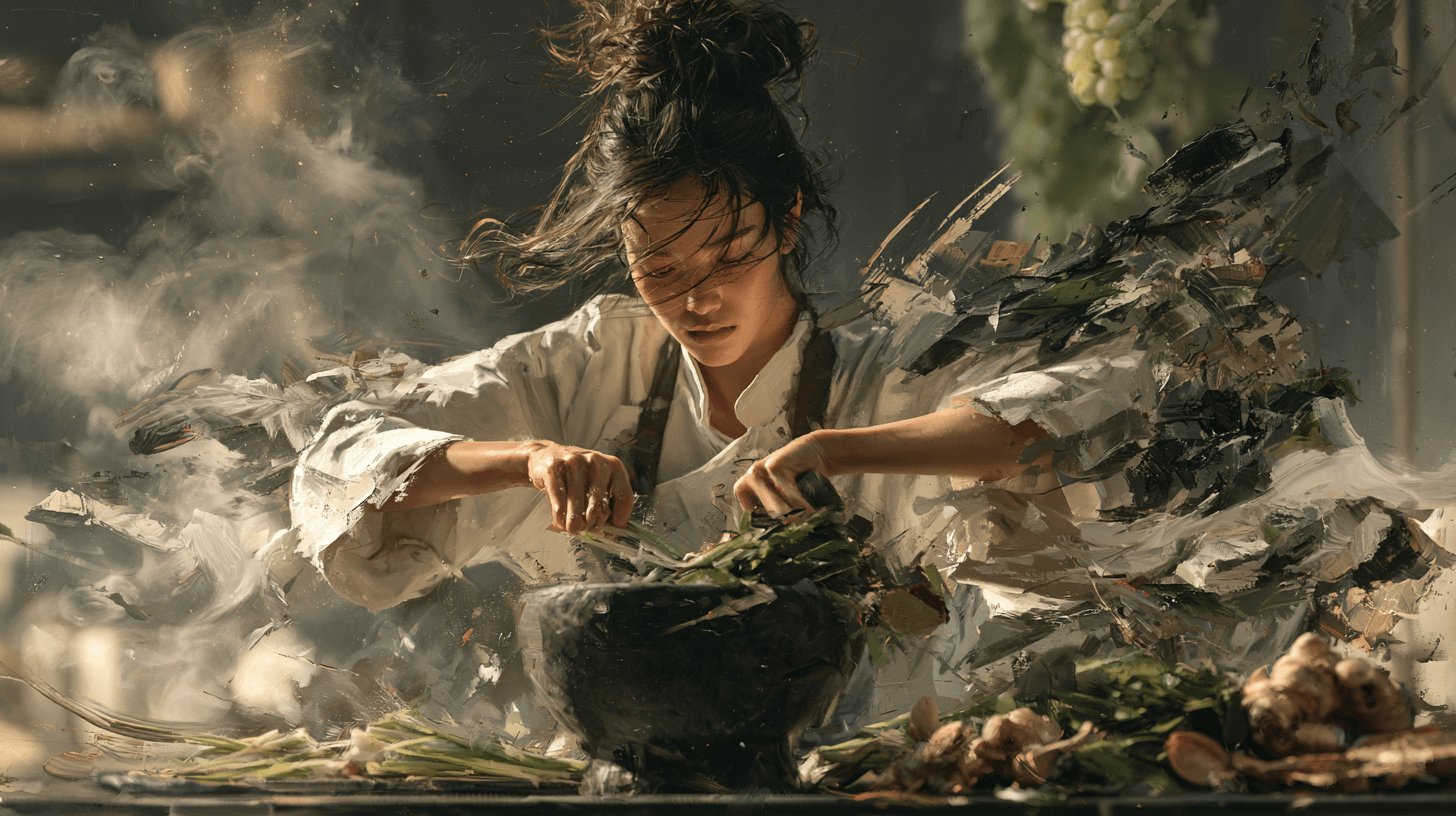
Thai cuisine likewise relies on aromas that are released through heating or crushing. The principal aromatic component of takrai (lemongrass) is citral, yielding a crisp citrus profile. In makrut lime leaves, citronellal and linalool are among the principal aroma compounds. Kha (galangal) contains eucalyptol, which contributes a cooling, resinous impression.
The principal aroma compounds in these botanicals are not the same as those highlighted in Sauvignon Blanc. Yet both invite a shared descriptive vocabulary: citrus, verdant, herbal. This linguistic overlap offers a thoughtful foundation for examining how food and wine converge.
Shared Descriptors as Exploration, Not Conclusion
The notion that dishes and wines pair harmoniously when sharing dominant aroma compounds is often referred to as the food-pairing hypothesis. Contemporary research, however, emphasizes that shared compounds alone do not guarantee balance. Intensity, acidity, sweetness, fat content, temperature, and cultural context remain decisive.
Dish names such as som tam, tom kha gai, or yum woon sen are not sufficient on their own. When documenting the relationship between a dish and a wine, it is clearer to record the wine’s aromas, the dish’s dominant aromas, and the strength of acidity and umami separately. This provides a firmer basis for explanation than simply stating that a wine pairs well with Thai cuisine.
How Choices Are Made Beyond the Numbers
A 7% year-on-year increase in New Zealand wine reflects market movement, but it does not show that aroma caused the growth. For F&B teams, related aroma descriptors offer one framework for explaining the relationship between Marlborough Sauvignon Blanc and Thai cuisine.
When preparing explanations about wine, regional prestige alone is not enough. The relevant question is why a wine can be discussed in the context of a particular dish. Separating aroma descriptors helps translate market data into language that staff can use consistently.
Related Reading and Product Information
Related article: A Matter of Time and Texture: Decoding Skin-Contact White Wines
Related product information: CHÂTEAU LES CROISILLE Sauvignon Bio 2023
The Sensory Architecture of Thai Cuisine and Wine Pairing
This article is intended solely to explore the winemaking characteristics of Marlborough Sauvignon Blanc, aroma science, and their cultural relationship with Thai cuisine, and does not aim to promote or encourage the consumption of alcohol.
บทความนี้จัดทำขึ้นเพื่อนำเสนอข้อมูลเกี่ยวกับลักษณะการผลิตไวน์ Sauvignon Blanc จากมาร์ลโบโรห์ วิทยาศาสตร์ของกลิ่น และความสัมพันธ์ทางวัฒนธรรมกับอาหารไทยเท่านั้น มิได้มีเจตนาเพื่อส่งเสริมหรือโฆษณาเครื่องดื่มแอลกอฮอล์ สำหรับผู้มีอายุ 20 ปีขึ้นไป โปรดดื่มอย่างรับผิดชอบ
Discover the culture behind every bottle
We share producer stories and the culture of wine, fermentation and aroma | for educational and cultural purposes only.
เราถ่ายทอดเรื่องราวจากผู้ผลิต รวมถึงวัฒนธรรมของไวน์ การหมัก และกลิ่นหอม | เพื่อการศึกษาและวัฒนธรรมเท่านั้น
Follow on Instagram Facebook