
Drink
A Rum Born from a Fuel Plan|How LAODI, a Distillery in Laos, Makes Its Rum
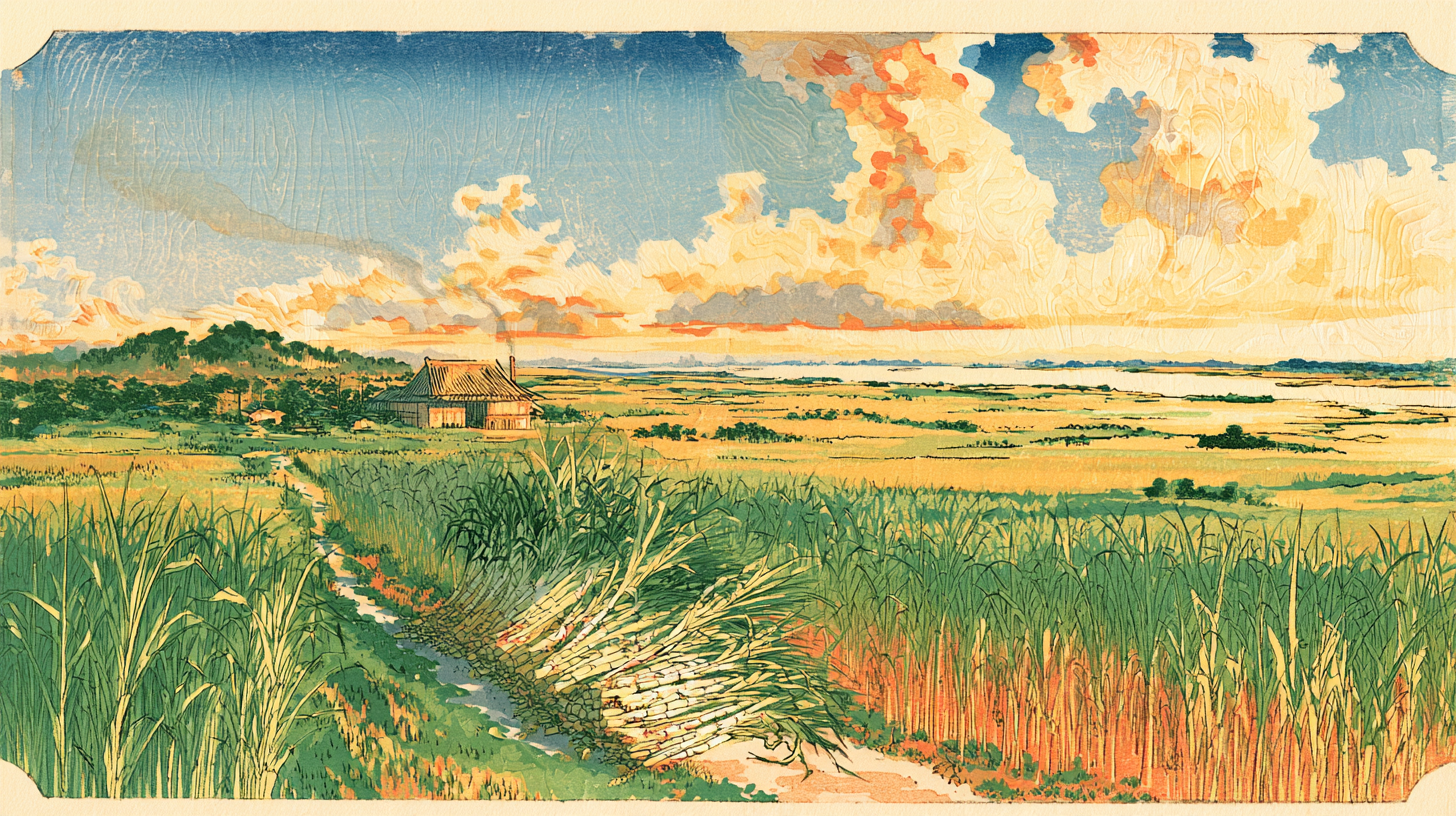
Across the Mekong River from Thailand's Nong Khai Province lies Pak Ngum District, on the outskirts of Vientiane, the capital of Laos. This is where the rum distillery LAODI is located. Its name combines "Lao," taken from the country name Laos, with "di," the Lao word for "good."
The distillery's founder is Ikuzo Inoue, from Fukuyama in Hiroshima Prefecture, Japan. After serving as sales manager at a company dealing in chemical analysis instruments, he moved to Laos at the age of 52. Rum making, however, was not what Inoue had originally planned.
From a Fuel Plan to Rum
In 2006, Inoue and his associates were planning a business to produce biofuel from sugarcane. The initial investment required was large, however, and the plan could not go ahead as it stood. Inoue therefore turned to making a distilled spirit from the same sugarcane. In December 2008, he acquired and converted a distillery that had been making lao-lao, a Lao spirit made from rice, and distilled his first rum.
Yet it took time for LAODI's rum to become known. Between 2014 and 2015, the team running the company disbanded for a time. The company was then rebuilt and relaunched after a complete review of its production methods, bottle and label. Today's LAODI is the distillery that emerged from this relaunch.
The Agricole Method
Most of the world's rum is made from molasses, the residue left after sugar has been extracted from sugarcane. By contrast, rum made by fermenting and distilling pressed sugarcane juice is known as rhum agricole. This method has been handed down on the French islands of the Caribbean.
LAODI continues this method in inland Laos, far from the sea. Its raw material is UT-3 (U-Thong 3), a sugarcane variety originating in Thailand and grown on the company's own farm. The cane is grown without pesticides and cut by hand, one stalk at a time, during the dry season from November to February. Although the official name of the operating company, Lao Agro Organic Industries Limited, includes the word "Organic," no organic certification by a third-party body has been made public.
No Field Burning, First Pressing Only
In sugarcane harvesting, a method widely used in many regions is to burn the field before cutting to remove the leaves. This method leaves scorch marks and ash on the stalks. LAODI does not burn its fields; the cane is cut by hand at the base.
The idea of using the raw material as intact as possible also shows in how the cane is pressed. It is pressed only once, without adding water, and only the juice from this first pressing is used. One tonne of sugarcane yields about 400 litres of juice. Dried wine yeast is added, and the juice is fermented over several days into a wash of around 9% alcohol, which is then distilled. The core white rum is stored in stainless-steel tanks for about a year after distillation and then bottled. Some sources give this storage period as two years.
A Japanese Shochu Still in Laos
The "k" on the label of LAODI White Rhum 56k stands for "kabuto," meaning helmet. Here, "kabuto" refers to the kabuto-gama, a wooden still traditionally used in Japanese shochu making.
Inoue came across this still when he visited Tatsumi Distillery, a craft gin producer in Gujo Hachiman, Gifu Prefecture. Through Tatsumi, he obtained the blueprints and permission to build the still from Oishi Shuzo, a sweet potato shochu distillery in Kagoshima. The pot holds 200 litres per run, and the still is operated separately from the stainless-steel still used for the core white rum. Inoue wanted to make rum produced in Asia with a traditional Asian still. That was the reason he chose it.
Sweetness from Sugarcane, Colour from Barrel Ageing
The "S" in the aged LAODI S.Brown Rhum stands for "Sweet." Inoue set out to make an aged rum with sweetness, adding neither colouring nor caramel.
To do this, LAODI steeps fresh sugarcane in white rum at 63% alcohol for about six months. The spirit is then given aroma with French oak chips and aged for at least three years in bourbon barrels. The sugarcane sediment that can sometimes be seen at the bottom of the bottle comes from the step in which the fresh sugarcane is steeped. LAODI has announced that S.Brown won a gold medal in 2020 at the IWSC, an international wine and spirits competition held in London.
How Raw Materials and Processes Are Handled
Looking across LAODI's rum making, from the choice of raw materials to the production process, a clear policy runs through each step: cutting the cane without burning the fields, using only the first-pressing juice obtained without adding water, making use of the sugarcane's own sweetness while developing flavour through barrel ageing, and, for some products, using a still that derives from Japanese shochu making.
Inoue took the sugarcane he had once thought of as raw material for fuel and chose it again as raw material for rum. Rhum agricole, made from pressed sugarcane juice rather than molasses, is now also being produced on the banks of the Mekong. That fact offers a starting point for thinking about the diversity of rum, and about how choices of raw materials and production methods shape the making of a spirit.
This article is intended solely to explore the distillation techniques and cultural heritage of Lao Agro Organic Industries Limited and the LAODI brand, and does not aim to promote or encourage the purchase or consumption of alcohol. Intended for readers aged 20 and over.
บทความนี้จัดทำขึ้นเพื่อนำเสนอข้อมูลเกี่ยวกับเทคนิคการกลั่นและมรดกทางวัฒนธรรมของ Lao Agro Organic Industries Limited และแบรนด์ LAODI เท่านั้น มิได้มีเจตนาเพื่อส่งเสริมการซื้อหรือการบริโภคเครื่องดื่มแอลกอฮอล์ สำหรับผู้อ่านอายุ 20 ปีขึ้นไป
Discover the culture behind every bottle
We share brewery stories, tasting notes and the craft of koji & fermentation | for educational and cultural purposes only.
เราถ่ายทอดเรื่องราวจากผู้ผลิต บันทึกรสชาติ และศาสตร์แห่งโคจิและการหมัก | เพื่อการศึกษาและวัฒนธรรมเท่านั้น
Follow on Instagram Facebook
