Drink
What Is Grower Champagne? | From ‘RM’ on the Label to the Vineyard and Winery
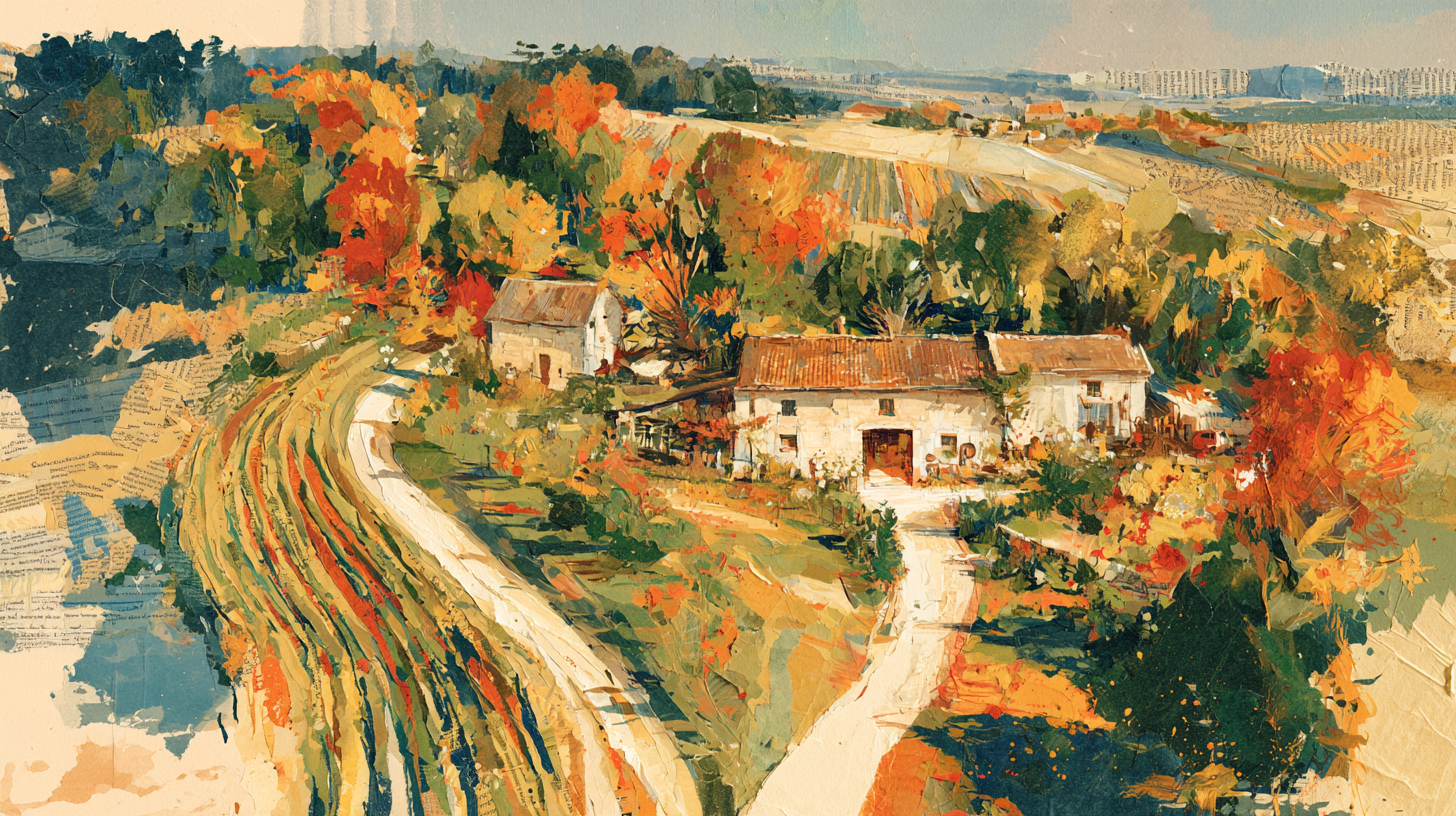
Look closely at a Champagne label and you may see ‘RM’ before the registration number in small print. Grower Champagne is made by growers who cultivate their own grapes, make the wine on their own premises and release it under their own name. Those two letters help identify such a producer.
Where Do the Grapes Go After Harvest?
Once the grapes are picked, where do they go next? In Champagne, the answer depends on who will press them and make the wine.
According to the Comité Champagne, until the middle of the 20th century, most growers sold their harvest to producers known as Champagne houses, or maisons. The growers tended the vines and the houses made and shipped the wine. That division of work continues today. A producer marked ‘NM’ (Négociant-Manipulant) buys grapes, grape juice or wine from other growers and makes the finished wine on its own premises. Some houses also use grapes from their own vineyards.
‘RM’ stands for Récoltant-Manipulant. When growers make wine from their own harvest, their autumn work continues after picking. Which plots will they make wine from separately? How will they blend the resulting wines? The people who tend the vines also make those decisions in the winery.
After the Second World War, more growers joined cooperatives that shared presses and winemaking facilities. A grower who uses the code ‘RC’ (Récoltant-Coopérateur) delivers their harvest to the cooperative and receives grape juice, wine still in production or finished wine. The grower sells the finished Champagne under their own name.
One Harvest Year or a Blend Across Years
When growers make their own wine, they also decide which harvest years to use. The base wines for vintage Champagne are made only from grapes harvested in the year shown on the label. Non-vintage Champagne carries no harvest year and can combine wines from several years.
Two wines we carry at Bacchus Global illustrate these approaches. Vincent Charlot’s Le Fruit de ma Passion 2019 is a vintage Champagne from two plots in Mardeuil. It brings together Meunier, Chardonnay and Pinot Noir harvested there in 2019.
Waris-Hubert’s Lilyale is a non-vintage Champagne made with Chardonnay from Avize, Oger and Cramant. Wine kept for later blending is called reserve wine. According to our product notes, Lilyale contains 30–40% reserve wine, depending on the lot, from a reserve that has been replenished since 2012.
The ‘RM’ on the label is a starting point for tracing the producer. The harvest year and the blend show how that producer turned the grapes they grew into a finished wine.
Sources
- Comité Champagne | Growers, houses and cooperatives
- Comité Champagne | Registration numbers and producer categories
- Comité Champagne | History and role of the cooperatives
- Comité Champagne | Harvest years and vintage Champagne
- Bacchus Global product notes for Vincent Charlot and Lilyale (under Related product information)
This article explores Champagne’s grape-growing and winemaking culture for educational purposes. Intended for readers aged 20 and over.
Related product information
Discover the culture behind every bottle
We share brewery stories, tasting notes and the craft of koji & fermentation — for educational and cultural purposes only.
เราถ่ายทอดเรื่องราวจากผู้ผลิต บันทึกรสชาติ และศาสตร์แห่งโคจิและการหมัก — เพื่อการศึกษาและวัฒนธรรมเท่านั้น
Follow on Instagram Facebook