
Drink
Why the History of Sake Leads to a Mountain Temple in Nara|Sake Brewing at Shoryakuji
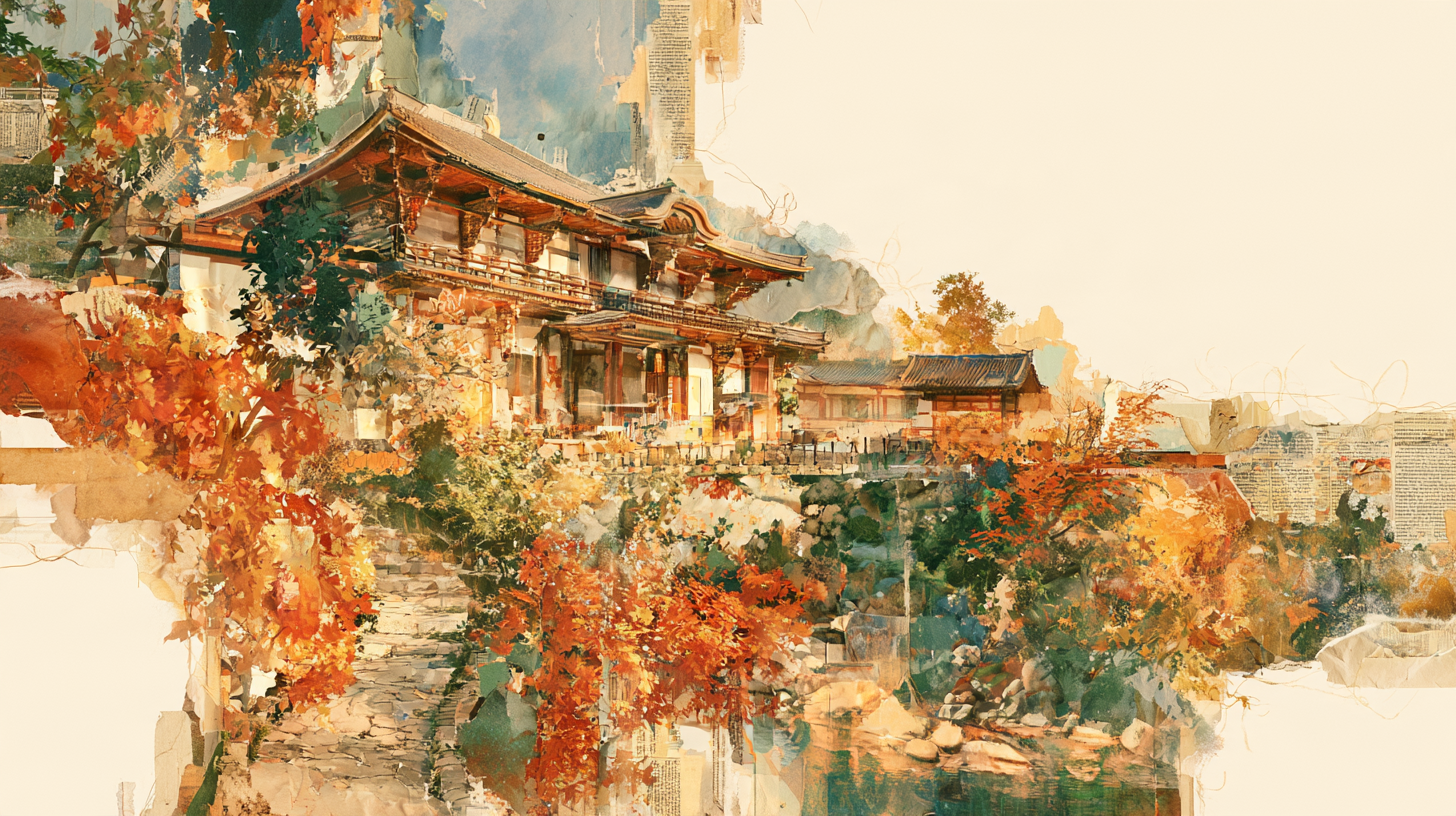
Nara is one of Japan’s ancient capitals. In the hills outside its city center stands a Buddhist temple called Shoryakuji. Surrounded by colorful foliage in autumn, the temple is also a place connected with the history of sake.
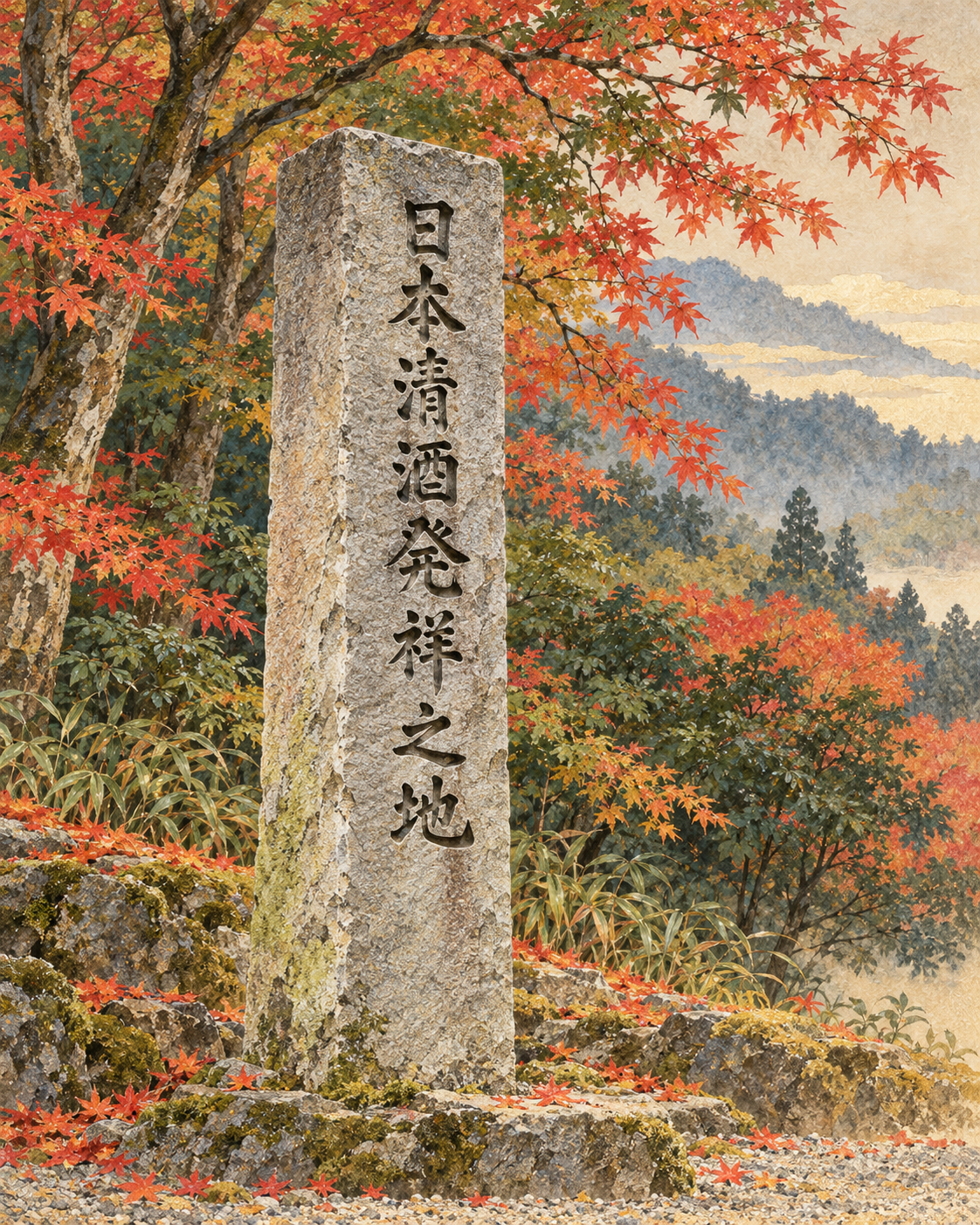
A stone monument within its grounds bears the inscription “Birthplace of Japanese Refined Sake.” Here, “birthplace” does not mean the first place in Japan where alcoholic drinks were made. Rather, Shoryakuji is known as a place where techniques connected to sake brewing today developed.
How did a Buddhist temple become a center of sake brewing?
Temples Were Also Places Where Brewing Techniques Developed
According to Shoryakuji’s account, temples once used rice supplied to them to make sake as offerings to deities and Buddhas. Temple-brewed sake, known as soboshu, developed in medieval Nara. Shoryakuji was reportedly one of its major centers.
Brewing requires methods for preparing ingredients, managing fermentation and preserving the finished sake. Shoryakuji is said to have practiced methods such as adding ingredients in several stages and heating sake to prevent it from deteriorating.
Its use of rice also had distinctive features. In sake brewing, a microorganism called koji mold is cultivated on steamed rice to make rice koji. Rice koji breaks down the starch in rice into sugar.
Morohaku means using polished white rice both for making this rice koji and for the other rice added to the mash. The “white” refers to the condition of the rice, not the color of the sake. This way of handling raw ingredients is another technique connected to sake brewing today.
Shubo: Preparing for Fermentation
A different microorganism, yeast, converts the sugar derived from rice into alcohol. In typical sake brewing, a sufficient population of yeast is grown in a small vessel before the main batch is prepared. The resulting yeast-rich fermentation starter is called shubo.
Bodaimoto, associated with Shoryakuji, is one type of shubo. Its defining feature is the advance preparation of water made acidic through lactic acid fermentation, which is then used to make the starter. This water is called soyashimizu.
Soyashimizu is made by soaking unsteamed rice in water and making use of the activity of lactic acid bacteria. The acidic environment suppresses the growth of microorganisms undesirable in sake brewing, making it easier to cultivate yeast. In this sequence, lactic acid fermentation prepares the conditions for yeast to grow.
Bodaisen is the name of a sake. Its production method survives in the historical brewing manual Goshu no Nikki (御酒之日記). According to the research group that worked to revive bodaimoto, the account does not describe a step using a fermentation starter. Distinguishing bodaisen, the sake, from bodaimoto, the fermentation starter, makes the two names easier to understand.
From a Starter Made at the Temple to Sake at Each Brewery
Brewing at Shoryakuji did not continue uninterrupted from the medieval period. After it ceased, people from sake breweries in Nara Prefecture worked with the temple and the Nara Prefectural Institute of Industrial Technology toward restarting it.
They read historical documents, investigated microorganisms from the temple and studied brewing methods. Following this preparation, the temple received a license to produce fermentation starters in December 1998, and production resumed in January 1999.
Today, the breweries take portions of the bodaimoto made collectively at the temple back to their own breweries. There, more rice koji, steamed rice and water are added, and brewing continues. The temple makes the fermentation starter, and the breweries turn it into sake.
Shoryakuji’s history is about more than learning old brewing methods. It involves studying knowledge preserved in documents, putting it into practice and passing the work on to the next generation. That accumulated work connects the mountain temple with sake brewing today. Behind the monument declaring it a “birthplace” are both the people who developed the techniques and those who put them into practice once again.
This article explores the history and cultural heritage of sake brewing at Shoryakuji for educational purposes. It does not promote the purchase or consumption of alcohol. Intended for readers aged 20 and over.
บทความนี้นำเสนอประวัติศาสตร์และมรดกทางวัฒนธรรมของการทำสาเกที่วัดโชเรียคุจิเพื่อการศึกษา ไม่ได้มีเจตนาส่งเสริมการซื้อหรือการบริโภคเครื่องดื่มแอลกอฮอล์ สำหรับผู้อ่านอายุ 20 ปีขึ้นไป
Discover the culture behind every bottle
We share brewery stories, tasting notes and the craft of koji & fermentation | for educational and cultural purposes only.
เราถ่ายทอดเรื่องราวจากผู้ผลิต บันทึกรสชาติ และศาสตร์แห่งโคจิและการหมัก | เพื่อการศึกษาและวัฒนธรรมเท่านั้น
Follow on Instagram Facebook
