Drink
A Four-Day Craft: The Okinawan Spirit Behind Edinburgh’s Winning Cocktail
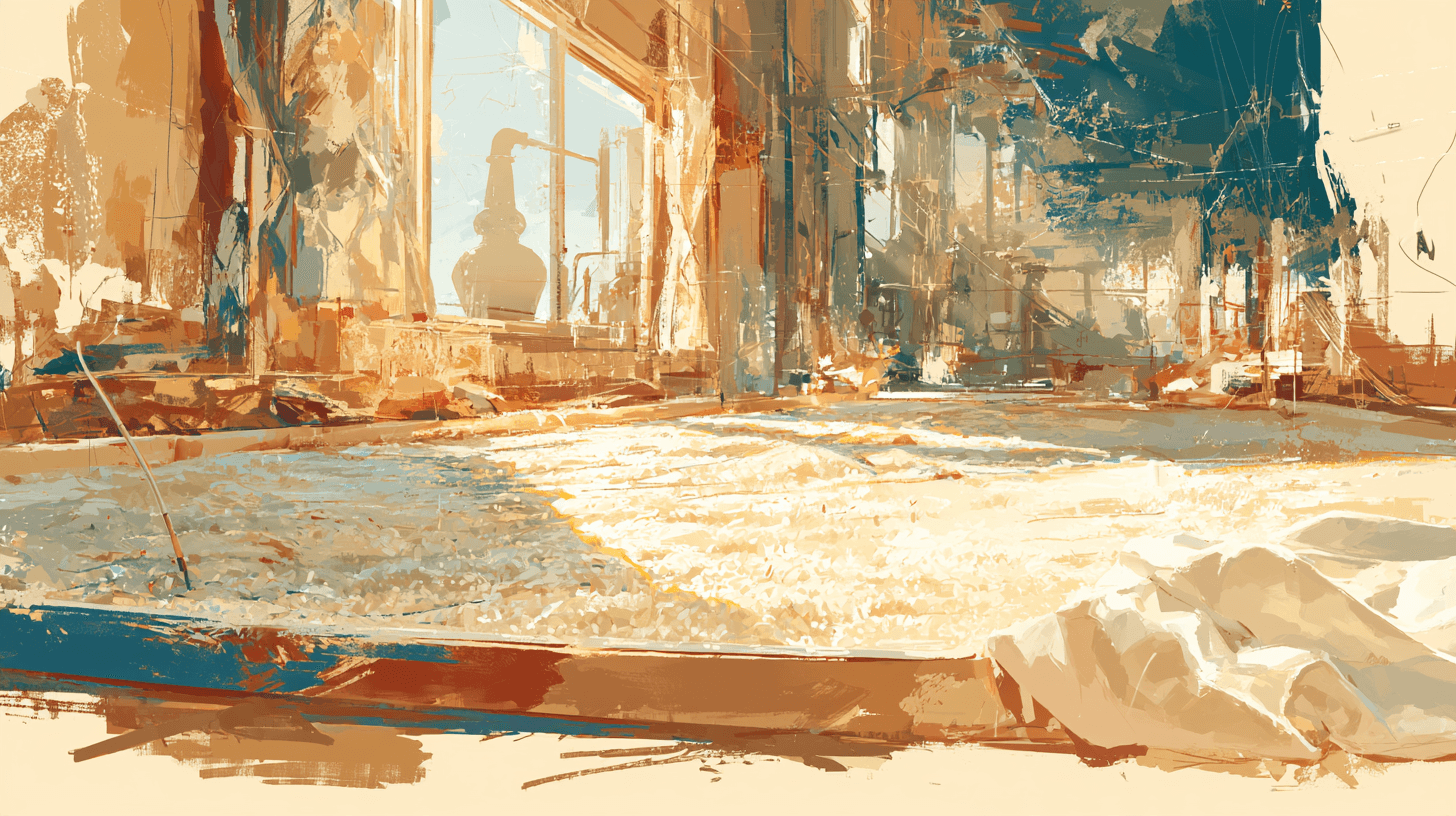
Tracing the koji-making craft behind an awamori cocktail recognized in Edinburgh.
On March 9, 2026, the final of the fifth Great Honkaku Shochu and Awamori Contest took place at The Caley Bar in Edinburgh, Scotland. The competition was organized by the UK Bartenders’ Guild in partnership with the Japan Sake and Shochu Makers Association.
Taking first place was Miley Penndragon of The Domino Club in Leeds, whose awamori-based creation was titled “What's The Story with Awamori?”
At its core was Yokka Koji awamori, combined with oyster-shell-infused dry vermouth and lemon bitters. Vermouth is a wine-based drink flavored with herbs and other botanicals; bitters are ingredients used to add bitterness and aroma. A rinse of smoky Scotch whisky left a thin aromatic coating inside the glass.
The unusual combination of ingredients catches the eye, but the name of the awamori at its foundation also points to the producer’s craft.
The Patient Rhythm of Four-Day Koji
Awamori is a rice-based distilled spirit made in Okinawa. Black koji mold is cultivated on rice to make rice koji, which is fermented with water and yeast before distillation. A defining feature is zen-koji-jikomi, a method in which all the rice used is made into rice koji.
Koji mold and yeast perform different tasks. Enzymes produced by the mold break rice starch down into sugars, which the yeast converts into alcohol. Koji making is the first stage supporting this fermentation.
According to Chuko, the producer of Yokka Koji, koji cultivation normally takes about two days. For this awamori, it takes about four. The name refers to the days spent cultivating koji, not to years of maturation or the proportion of koji in the ingredients.
But is allowing more time enough?
How Koji Growth Is Managed Over Four Days
Chuko explains that staff stayed overnight to manage the koji, encouraging the mold to grow into the rice grains. The aim was to sustain growth inside the grains while suppressing the formation of spores that would turn the koji black.
The resulting koji is described as white in appearance, despite being made with black koji mold. The term “black koji” alone does not reveal these differences in how the mold develops.
The producer explains that this process creates more of the compounds from which aroma and flavor develop. Behind the phrase “four days” lies work that involves observing and tending the mold, rather than simply waiting.
Understanding the awamori used in the cocktail therefore also involves looking at what happens before distillation. It connects the aroma of the finished spirit with the way its raw materials were handled.
Judging Includes Taste, Technique, and Knowledge of Honkaku Shochu and Awamori
According to the competition report, entries were assessed on their name, technique, appearance, aroma and taste, as well as the bartender’s knowledge of honkaku shochu and awamori. The organizer also highlighted how the winning entry communicated an understanding of the spirit and its cultural heritage through storytelling.
In the lead-up to the competition, educational seminars were planned across three UK cities. Alongside cocktail-making skills, the programme offered an opportunity to learn about the production methods and culture of the spirits used.
In the winning creation, ingredients were handled in different ways. Oyster shells were infused into vermouth, while Scotch was used as a thin aromatic coating inside the glass. The composition depended not only on what was added, but also on how it was incorporated.
What the competition recognized was an awamori-based cocktail and the bartender’s work in presenting it. It was not a ranking of awamori products themselves.
Even so, the result reveals a connection. A producer’s attention to the growth of koji in Okinawa became part of a different creative process behind a British bar counter. Four days spent cultivating black koji mold on rice, and the bartender’s work of selecting and combining ingredients: following both forms of craftsmanship reveals the awamori story behind the winning result.
References
This article explores awamori production and a professional cocktail competition for educational and cultural purposes only. It does not promote the purchase or consumption of alcohol. Intended for readers aged 20 and over.
บทความนี้ให้ความรู้เกี่ยวกับการผลิตอาวาโมริและการแข่งขันค็อกเทลระดับวิชาชีพ เพื่อการศึกษาและวัฒนธรรมเท่านั้น มิได้มีเจตนาส่งเสริมการซื้อหรือการบริโภคเครื่องดื่มแอลกอฮอล์ สำหรับผู้อ่านอายุ 20 ปีขึ้นไป
Discover the culture behind every bottle
We share brewery stories, tasting notes and the craft of koji & fermentation | for educational and cultural purposes only.
เราถ่ายทอดเรื่องราวจากผู้ผลิต บันทึกรสชาติ และศาสตร์แห่งโคจิและการหมัก | เพื่อการศึกษาและวัฒนธรรมเท่านั้น
Follow on Instagram FacebookRelated articles and product information
These articles explore the role of black koji mold and maturation after distillation.
Related articles
- From the “Awamori Fungus” to the “Ryukyu Fungus”: A New Name for Black Koji and New Directions for Awamori Distilleries
- What Kusu Means: Okinawa’s Culture of Home-Aged Awamori and the Idea of Inheriting Time
Product information
Sennen no Hibiki is an awamori from Nakijin Distillery. It is a different product from Chuko’s Yokka Koji, which was used in the competition.
Related Articles
“Is Shochu Made from Thai Rice? The Hidden Ingredient Linking Yakushima and Thailand”