

An Unexpected Fragrance of Grapes — The Thoughtful Craft of Sweet Potato Robbin
Few people would associate the aroma of grapes with sweet potato shochu. Yet at the Tokyo Whisky & Spirits Competition (TWSC) 2026, one bottle turned that unexpected contrast into its greatest strength, earning the competition’s highest accolade: the Superior Gold. That bottle is Sweet Potato Robbin. Although distilled from sweet potatoes, the nuances most often used to describe it are Kyoho grapes and rum raisins.
The Anatomy of a Grape-Like Aroma
This distinctive aroma is no accident. It is the result of three deliberate departures from conventional wisdom.
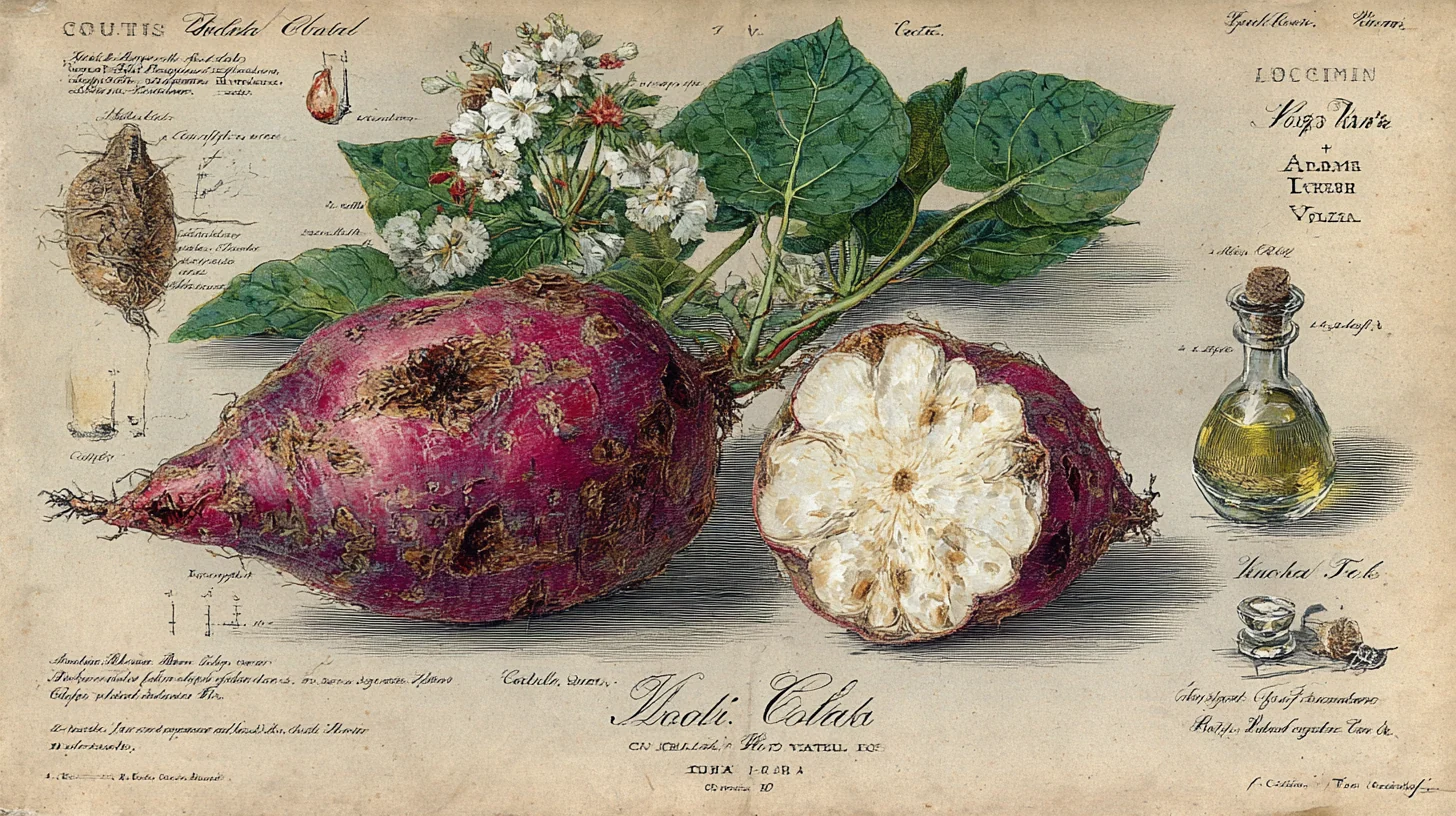
It begins with the sweet potato itself. Instead of relying on Kogane Sengan—the variety most commonly used for shochu production—the distillery intentionally selects Beniharuka, a variety prized for eating. Beniharuka is celebrated for its natural sweetness, but because it contains less starch, it yields roughly 15% less spirit during production. It is a conscious decision to sacrifice volume in pursuit of aroma.
The nuance deepens during preparation. Much of a sweet potato’s aroma resides in its skin. While many distilleries peel the potatoes to avoid unwanted flavors, the craftsmen here carefully wash them without damaging the skins, deliberately preserving their unique character.
Finally, the distillation introduces an archival touch. Uto Distillery incorporates tin piping into a part of its distillation equipment—a rare choice among contemporary sweet potato shochu producers. Passing the vapor through tin is said to create a smoother mouthfeel while adding a gently toasted finish.
Choosing sweeter potatoes, leaving the skins intact, and incorporating tin into the distillation process—these three unconventional decisions combine to create a spirit whose fruit-like character is worlds apart from the stereotypical earthy aroma many associate with sweet potato shochu.
A Bird Perched Upon a Treasure Box
Sweet Potato Robbin is produced by Uto Distillery in Minamisatsuma, Kagoshima Prefecture. Founded more than 120 years ago during the Meiji era, the distillery stands in a region renowned as the birthplace of the Kurose and Ata toji—master distillers whose craftsmanship helped shape the tradition of shochu making.
Head distiller Hirotomo Uto studied Applied Microbiology at Tokyo University of Agriculture before inheriting the techniques of legendary Kurose toji Yuji Kamiwatari.
The brand itself was conceived by Nanzan Bussan, a Tokyo-based trading company specializing in Japanese spirits. In partnership with distilleries across Kyushu, the company launched the export-focused SHOCHU REPUBLIC brand, positioning Robbin as its flagship sweet potato shochu.
The label depicts a single bird perched atop Tamatebako, the legendary treasure box from the Japanese folktale of Urashima Taro, while cradling a sweet potato. The bird is the Amami robin, an endangered species native to Amami Oshima. The Satsuma Peninsula, where the distillery is located, is also closely connected to legends surrounding Urashima Taro. The imagery quietly echoes the spirit’s story: a tale of returning from across the sea, paired with a shochu that was designed from the very beginning to cross oceans.
A Shared Vocabulary for Shochu
In the Shochu and Awamori category of TWSC 2026, only 23 of the 189 entries received the competition’s highest distinction: Superior Gold. Despite being a relatively new release, Robbin earned its place among them.
The significance of this accolade lies in the fact that it was the spirit itself—not its appearance or marketing—that stood trial. Its grape-like aroma is not a gimmick designed to surprise, but the natural outcome of carefully considered ingredients and meticulous craftsmanship. The award quietly confirmed that this philosophy stands up to scrutiny in one of Japan’s most respected spirits competitions.
For those accustomed to evaluating whisky or wine through the language of aroma and flavor, shochu has long lacked a shared vocabulary. Robbin’s grape-like bouquet offers precisely that point of reference. Its Superior Gold award serves as a quiet validation that the spirit’s thoughtful design succeeds in bridging that gap.
This article is intended solely to explore the design and distillation techniques and cultural heritage of Uto Shuzo’s “Sweet Potato Robbin,” as reflected in the TWSC 2026 award record, and does not aim to promote or encourage the consumption of alcohol. / บทความนี้จัดทำขึ้นเพื่อนำเสนอข้อมูลเกี่ยวกับการออกแบบ เทคนิคการกลั่น และมรดกทางวัฒนธรรมของ “Sweet Potato Robbin” จาก Uto Shuzo ที่สะท้อนในผลรางวัล TWSC 2026 เท่านั้น มิได้มีเจตนาเพื่อส่งเสริมหรือโฆษณาเครื่องดื่มแอลกอฮอล์ สำหรับผู้มีอายุ 20 ปีขึ้นไป โปรดดื่มอย่างรับผิดชอบ
Related Articles
“At TWSC 2026, Two SHOCHU REPUBLIC Labels Win Awards” / “Lychee Aromas Born from Sweet Potatoes” / “Sake That Smells Like Bananas? The Science Behind SMV −0.2” / “Beyond the Dry Era”
Related Product(s)
SHOCHU REPUBLIC Sweet Potato Robbin / SHOCHU REPUBLIC Barley Bunny
Discover the culture behind every bottle
We share brewery stories, tasting notes and the craft of koji & fermentation — for educational and cultural purposes only.
เราถ่ายทอดเรื่องราวจากผู้ผลิต บันทึกรสชาติ และศาสตร์แห่งโคจิและการหมัก — เพื่อการศึกษาและวัฒนธรรมเท่านั้น