

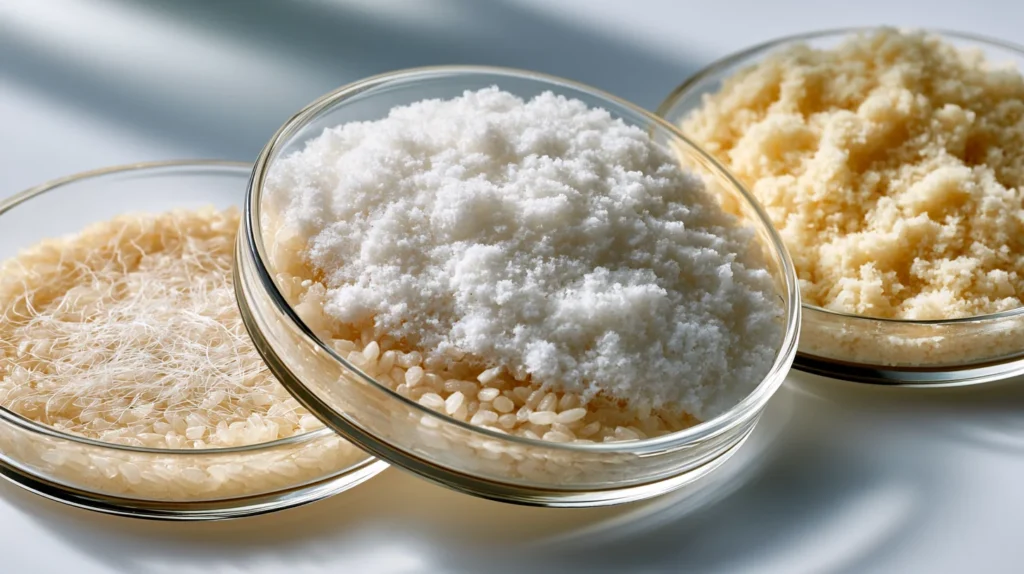
A Quiet Structural Shift in Global Gastronomy
While culinary media often highlight fleeting trends like plant-based dining, low-sugar alternatives, or non-alcoholic pairings, 2026 marks a moment when one practice has quietly transcended this cycle: fermentation.
Recent insights from both the Michelin Guide and the James Beard Foundation observe that fermentation is no longer viewed as a novel technique, but rather as a core competency shaping modern cuisine. Trends rise and fade; competencies, once cultivated, become deeply embedded in a kitchen’s DNA.
A Shift Toward Substitution
With institutions like the Culinary Institute of America noting that a significant portion of forward-thinking chefs now actively utilize koji-based techniques, fermentation has moved well past the realm of avant-garde experimentation. It has become an essential pillar of the professional kitchen.
The deeper shift lies in its evolving role: from a simple addition to a sophisticated substitution. Miso replaces salt, house-made vinegars replace commercial alternatives, and koji-aged grain pastes stand in for butter. Fermentation is no longer merely a seasoning option; it is beginning to rewrite the very logic of flavor design.
Koji Crosses Continents
In Mexico City, culinary visionaries are cultivating koji using locally grown Arroz Morelos rice. Meanwhile, in Arizona, chefs are elegantly infusing spirits, thickening sauces, and baking bread relying entirely on amazake fermentation. A single mold now traverses diverse domains: beverages, savory courses, and baking.
Koji has transcended its origins as an exclusive element of Japanese cuisine. It now functions as a universal catalyst, seamlessly entering diverse food cultures, interacting with local ingredients, and generating entirely new profiles of flavor.
Fermentation as Subtraction
Behind this rise is a profound respect for sustainability. Fruit trimmings are transformed into vibrant vinegars; surplus seasonal chilies mature into complex pastes. Rather than a flashy display of addition, fermentation offers a mindful technique of subtraction that naturally addresses food waste.
Across the globe, from traditional jang crocks in Seoul paired with modern monitoring to Nordic kitchens applying East Asian methods to local root vegetables, a new, cross-cultural language of gastronomy is taking shape.
The Resonance in Bangkok’s Culinary Scene
Thailand possesses a rich heritage of fermentation, woven into the daily tapestry through elements like nam pla, kapi, and pla ra. Yet, viewed through the evolving global lens of culinary competency, this deep-rooted culture holds even greater potential.
There is an inspiring opportunity to harmonize traditional Thai condiments with time-honored Japanese koji techniques. Furthermore, Bangkok’s distinct heat and humidity can be reinterpreted not as challenges, but as natural accelerators of the fermentation process.
Having supported East Asian food culture for over a millennium, these ancient practices are now being embraced worldwide as fundamental knowledge. As fermentation transitions from a fleeting interest to an enduring foundation, 2026 stands as a quiet but decisive turning point in the culinary narrative. (Mr. Bacchus)
This article is intended solely to explore the structural shift of fermentation from a culinary trend to a core kitchen competency in 2026, as reflected in Michelin’s 2026 trend report, the James Beard Foundation, the CIA Menus of Change 2025 report, and cross-cultural cases in Mexico, the United States, Korea, and Northern Europe, and is not intended to promote or encourage the consumption of alcohol. / บทความนี้จัดทำขึ้นเพื่อนำเสนอข้อมูลเกี่ยวกับการเปลี่ยนแปลงเชิงโครงสร้างของการหมักจาก “เทรนด์” สู่ “ความสามารถพื้นฐานของครัว” ในปี 2026 ที่สะท้อนผ่านรายงานเทรนด์ Michelin 2026, James Beard Foundation, CIA Menus of Change 2025 และกรณีตัวอย่างจากเม็กซิโก สหรัฐอเมริกา เกาหลี และยุโรปเหนือ เท่านั้น มิได้มีเจตนาเพื่อส่งเสริมหรือโฆษณาเครื่องดื่มแอลกอฮอล์ สำหรับผู้มีอายุ 20 ปีขึ้นไป โปรดดื่มอย่างรับผิดชอบ
Discover the culture behind every bottle
We share brewery stories, tasting notes and the craft of koji & fermentation — for educational and cultural purposes only.
เราถ่ายทอดเรื่องราวจากผู้ผลิต บันทึกรสชาติ และศาสตร์แห่งโคจิและการหมัก — เพื่อการศึกษาและวัฒนธรรมเท่านั้น
Follow on Instagram FacebookRelated Articles
“Dissolving the Boundaries of a Sake Maker” / “When Koji Returns” / “When the Five Senses and Data Meet in the Same Brewery”