

Browse by category
CHIEBIJIN
Oita, Nakano Brewery
Editorial
Related articles / 関連記事 / บทความที่เกี่ยวข้อง

CHIEBIJIN
The Elegance of Restraint
How Oita’s Nakano Shuzo Embraced the Unpolished Path There is a long-held belief in the world of sake: “The more you polish the rice, the better the sake.” For generations, sake crafted from rice whose outer layers have been extensively milled away has been regarded as the pinnacle of premium quality, prized for its clean, […]
Read more
BORN
Why the World Chooses IWC Winners: What the IWC Reveals About Award-Winning Sake Today
What is the IWC?Founded in London in 1984, the International Wine Challenge (IWC) is one of the world’s largest competitions for both wine and sake. The SAKE division, established in 2007, now attracts around 1,400 entries each year—1,476 brands in 2025 alone. Yet, less than 10%—only about 150 sakes—won a gold medal this year, showing […]
Read more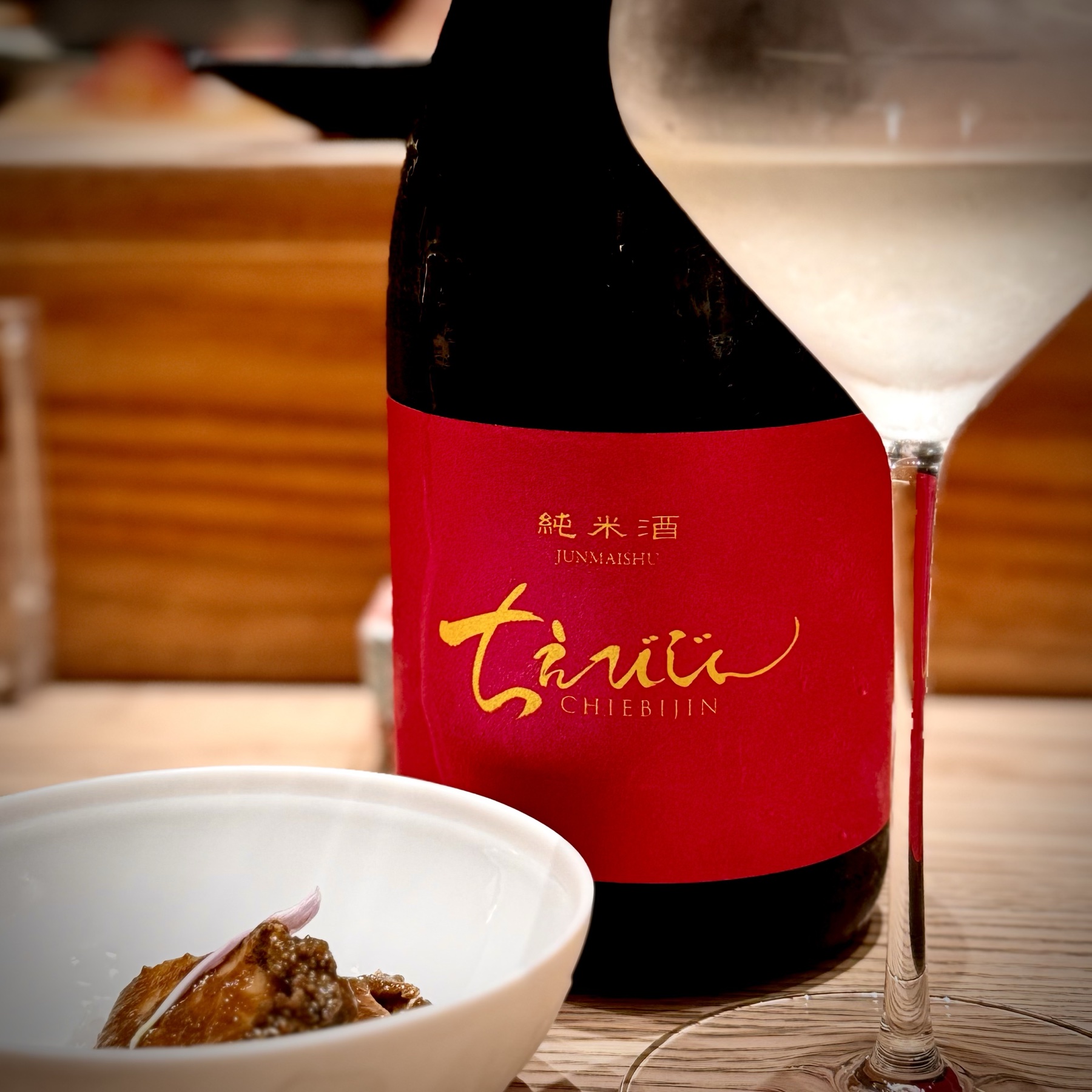
CHIEBIJIN
The Glory of “CHIEBIJIN”
The Glory of Chiebijin: Sake Production, Profile, and Evaluation Notes Chiebijin is a sake from Akita, presented with attention to rice polishing balance, fermentation management, and a restrained aromatic profile. This page summarizes the brewery’s context and production characteristics as part of a comparative reference for sake literacy and communication workflows. Reported sensory descriptions emphasize […]
Read more

More than one hundred and fifty years, carried under the name of its first female head.
Nakano Brewery sits in Kitsuki, Oita, on the eastern edge of Kyushu. First brewed in 1874, Chiebijin was named in honor of Chie, the brewery's first female head.
The water here is soft, and the sake follows it: a clean sweetness, a quiet acidity, a round texture that does not compete with food.
In 2018 the brewery took the President's Award at Kura Master in Paris, judged by French sommeliers against a field of several hundred entries.
What endures is not one isolated result, but a regional house carrying its name and methods forward from one generation to the next.
An old name, still held close to the place that gave it meaning.