Drink
Does Maewari Make Shochu Mellow? Understanding the Role of Water and Time

Maewari is the traditional practice of blending shochu with water and allowing it to rest before serving, with the aim of achieving a softer texture. Adding water changes the alcohol concentration and the concentration of other components, while the water used also influences flavor. Some specialists describe shochu rested for several days as mellower, based on their experience.
In this context, “mellow” describes a gentler alcoholic sensation and a softer texture on the palate. To understand maewari, it helps to distinguish between the immediate effects of adding water and the changes people perceive after the blend rests.
The Immediate Shift: Tempering the Alcohol
Consider a shochu bottled at 25% ABV. Combining six parts shochu with four parts water by volume gives approximately 15% ABV by a simple calculation. This is an illustration of dilution: the change in strength occurs as soon as water is added.
For an equal volume of liquid in the mouth, the amount of alcohol is reduced, and the concentrations of aroma and flavor components also change. This effect of dilution is the starting point for understanding the softer impression associated with maewari.
The composition of the liquid offers another clue. In a study in which magnesium chloride, a mineral compound, was added to shochu, sensory assessors reported a reduction in perceived alcoholic stimulation. Mouthfeel involves both alcoholic strength and the components present in the liquid.
The Nuance of Resting Time
An industry association describes maewari as combining shochu and water, then allowing the mixture to rest overnight or for several days. Some specialists describe it as mellower than shochu diluted just before serving. Such experience offers part of the explanation for why this practice has been passed down.
The study described above examined the relationship between an added compound and perceived stimulation. Explaining the effect of resting time in detail would require comparing a freshly mixed sample with one rested for several days, using the same shochu and water and keeping alcohol concentration and serving temperature constant.
The Foundational Role of Water at Nakamura Shuzojo
The relationship between water and shochu is also evident in the producer’s work. NAKAMURA is one of the sweet potato shochus made by Nakamura Shuzojo in Kirishima, Kagoshima Prefecture. The distillery uses water from the Kirishima mountain system, drawn from 120 meters underground, for both fermentation and the final adjustment of alcoholic strength.
Water used in preparing the fermentation mash is called shikomi-mizu. The process begins with rice koji, cultivated in a stone-built koji room, and water placed in earthenware jars. Sweet potatoes are then added as fermentation continues. Distillation follows, yielding the spirit before its final strength adjustment.
Water used to adjust the distilled spirit’s strength is called wari-mizu. NAKAMURA reaches its bottling strength of 25% ABV through this finishing stage. At the distillery, water therefore has distinct roles in supporting fermentation and setting the product’s alcoholic strength.
Maewari takes place later, when the person preparing the finished shochu for service adds further water and allows it to rest. Following the stages of fermentation, strength adjustment before bottling, and preparation before serving makes these different roles of water clearer.
Hospitality That Precedes the Guest
In Kagoshima, maewari has been practiced as part of preparing to welcome guests. A low, flat ceramic vessel called a kuro-joka has traditionally been used to warm the pre-diluted shochu. Combining water and shochu, allowing the blend to rest, and adjusting its serving temperature are preparations that reflect the region’s culture of hospitality.
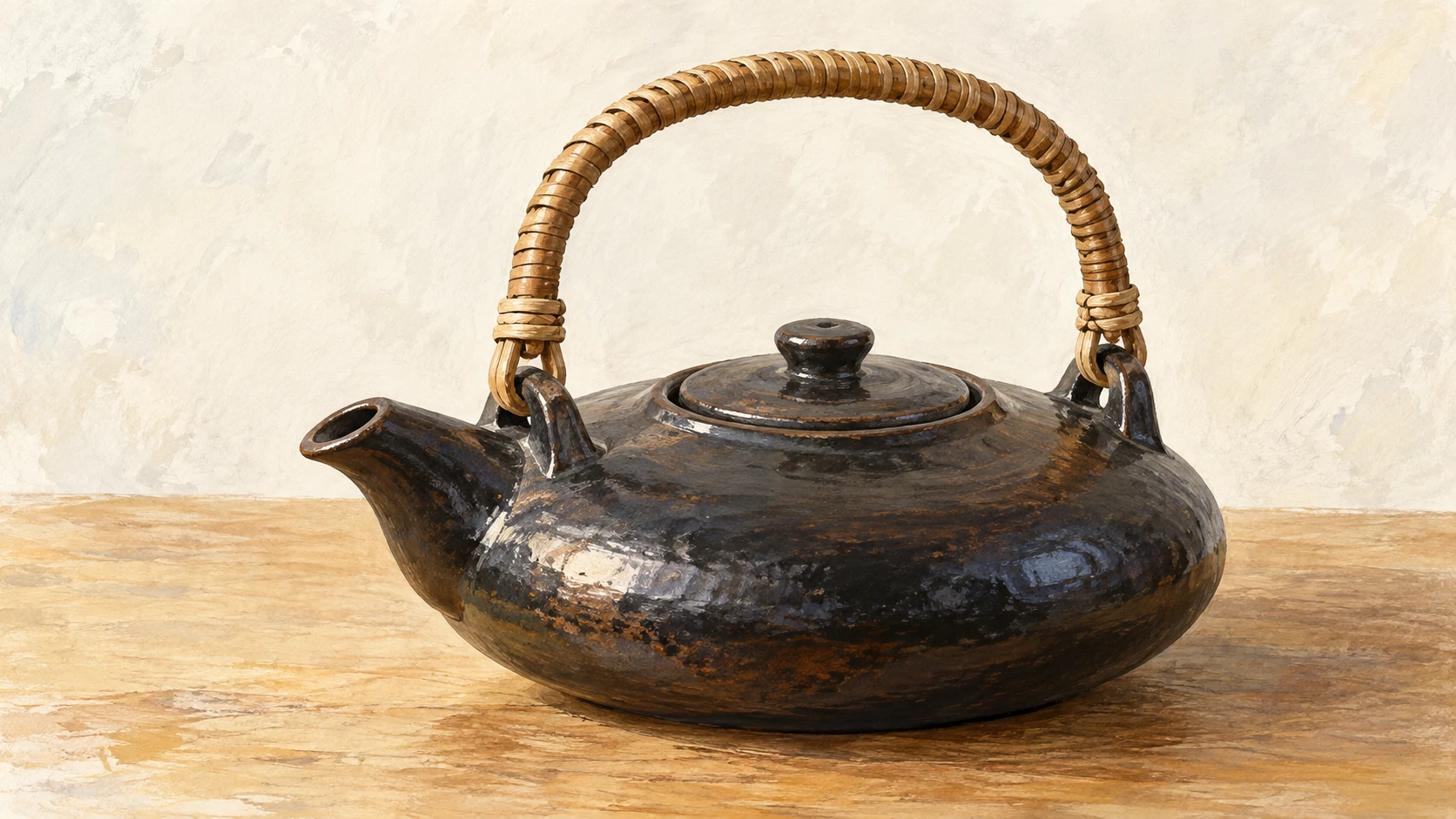
Maewari involves combining shochu from an opened bottle with water in a separate container. The industry association describes using a clean container and keeping the mixture refrigerated while it rests.
From the distillery’s adjustment of alcoholic strength to preparations made before a guest arrives, water plays a recurring role in the life of shochu. Maewari reflects a tradition of paying attention to the texture of diluted shochu and taking care with preparation before service begins.
Related article
Related product information
This article explains shochu production, water dilution and the cultural practice of maewari for educational purposes. It does not promote the purchase or consumption of alcohol. Intended for readers aged 20 and over.
บทความนี้อธิบายการผลิตโชจู การเติมน้ำ และวัฒนธรรมการเตรียมโชจูแบบมาเอะวาริ เพื่อการศึกษาเท่านั้น ไม่มีเจตนาส่งเสริมการซื้อหรือการบริโภคเครื่องดื่มแอลกอฮอล์ สำหรับผู้อ่านอายุ 20 ปีขึ้นไป
Discover the culture behind every bottle
We share brewery stories, tasting notes and the craft of koji & fermentation — for educational and cultural purposes only.
เราถ่ายทอดเรื่องราวจากผู้ผลิต บันทึกรสชาติ และศาสตร์แห่งโคจิและการหมัก — เพื่อการศึกษาและวัฒนธรรมเท่านั้น
Follow on Instagram Facebook