
Drink
Why Is Narazuke Pickled Repeatedly?|How Sake Lees Are Used
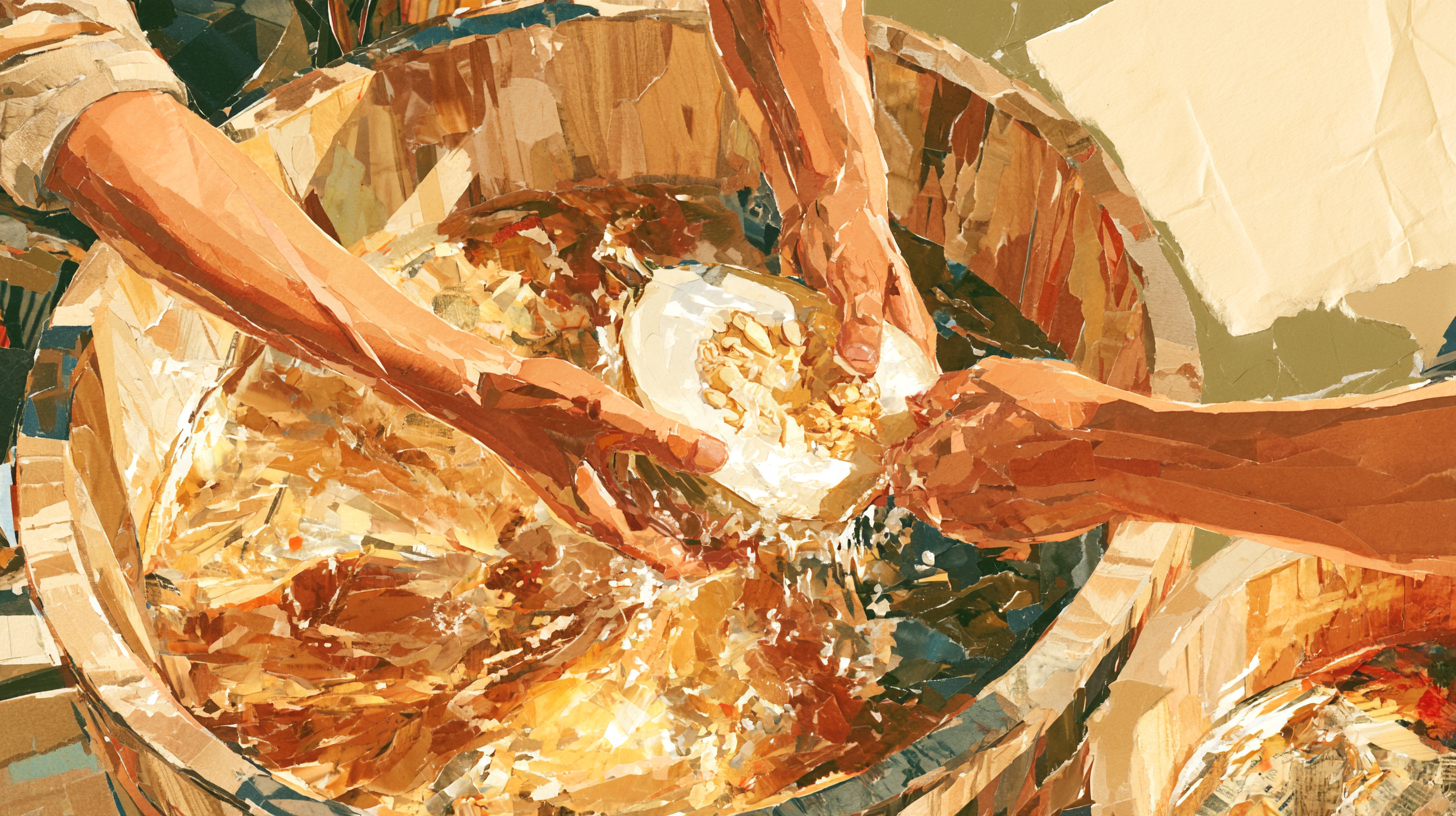
Salted gourds are placed in sake lees. After some time, they are removed and transferred to a different batch of lees. Narazuke is made by pickling gourds and other vegetables in this way. The sake lees surrounding the vegetables form the “pickling bed.” How do the gourds’ saltiness and flavor change each time that bed is replaced?
Sake lees can also be mixed into dashi stock to make soup. In soup, the lees are eaten along with the other ingredients. With narazuke, the vegetables take on flavor from the surrounding lees as they are moved from one bed to another. The same ingredient serves a different purpose in each dish.
Sake Lees Are What Remain After Sake Is Pressed
In sake brewing, the fermented mixture of rice, rice koji, water and other ingredients is called moromi. Pressing the moromi separates it into liquid sake and solid sake lees, or sake kasu.
Lees in flat sheets are called itakasu, while loose or crumbled lees are called barakasu. When making kasujiru, a soup made by mixing sake lees into dashi, letting itakasu absorb some liquid first makes it easier to mix. Barakasu is already loose, so less work is needed to break it up.
Narazuke pickling beds use sake lees that have been left to mature. At Mori Narazuke in Nara, lees from sake breweries are placed in large containers, broken up and packed down by foot to eliminate air pockets. Left to mature until around summer, these lees are called fumikomikasu. The shop kneads together several types of lees to prepare its beds, adjusting the mixture to the vegetable and the time of pickling.
Reducing the Gourds’ Saltiness and Developing Flavor
At Mori Narazuke, gourds are first salted to draw out moisture. When the now heavily salted gourds are transferred into sake lees, their salt gradually moves into the lees. Replacing the lees that have absorbed salt allows this process to continue, gradually reducing the gourds’ saltiness. In the later stages, the emphasis shifts toward developing the gourds’ flavor.
After salting, the shop pickles the gourds in sake lees through four stages:
- Shitazuke. Transfer the salted gourds into sake lees to reduce their saltiness.
- Nakazuke. Move them into different lees to reduce the saltiness further while developing flavor.
- Uwazuke. Transfer them into lees that have not yet been used for pickling, with flavor development as the main purpose.
- Honzuke. Assess the flavor of the gourds after uwazuke, then decide on the type and quantity of lees while also considering the shipping schedule. Pickle the gourds once more in those lees to finish them.
The lees used in a pickling bed have another role afterward. Lees from uwazuke are reused at the nakazuke stage for another batch of gourds. Lees from nakazuke are then reused for shitazuke. In this way, lees from an earlier batch of gourds are used again for batches started later. For the final honzuke stage, the shop uses matured lees that have not yet been used for pickling.
According to a survey by Nara Prefecture, this shop’s process takes approximately a year and a half to two years from shitazuke to completion. The time required varies by vegetable. Maturing the lees and preparing the beds take place before shitazuke begins.
Specifying Sake Lees for a Bangkok Kitchen
Suppose a Bangkok kitchen uses sake lees in a seafood soup. The chef breaks up itakasu and mixes it into dashi. Once the method has been established through trials, the chef gives the purchasing staff the product name and the form of the lees. This makes it easier to prepare the soup using the same procedure next time.
Soft sake lees can include both paste-like products from recent pressing and products matured over time for pickling. When requesting “something soft,” explaining whether the lees will be mixed into soup or used to pickle vegetables makes the conversation with the supplier clearer.
Check the product label for the storage temperature and best-before date. Sake lees contain alcohol, so information about the product and its use in the dish should be shared within the establishment so staff can answer guests’ questions about ingredients.
An order sheet can name the product used in the trials and include a note: “Itakasu. To be mixed into dashi for seafood soup.” When the kitchen communicates what it plans to make, purchasing staff can understand which sake lees to obtain.
This article explores the culinary uses of sake lees and the traditional process of making narazuke for educational and cultural purposes. It does not promote the purchase or consumption of alcohol. Intended for readers aged 20 and over.
บทความนี้นำเสนอข้อมูลเกี่ยวกับการใช้กากสาเกในการประกอบอาหารและกรรมวิธีทำนาราซึเกะแบบดั้งเดิม เพื่อการศึกษาและวัฒนธรรม มิได้มีเจตนาส่งเสริมการซื้อหรือการบริโภคเครื่องดื่มแอลกอฮอล์ สำหรับผู้อ่านอายุ 20 ปีขึ้นไป
Discover the culture behind every bottle
We share brewery stories, tasting notes and the craft of koji & fermentation | for educational and cultural purposes only.
เราถ่ายทอดเรื่องราวจากผู้ผลิต บันทึกรสชาติ และศาสตร์แห่งโคจิและการหมัก | เพื่อการศึกษาและวัฒนธรรมเท่านั้น
Follow on Instagram Facebook
