Perspectives
The Quiet Arrival of Mezcal in Bangkok: What a Single Bottle Can Reveal
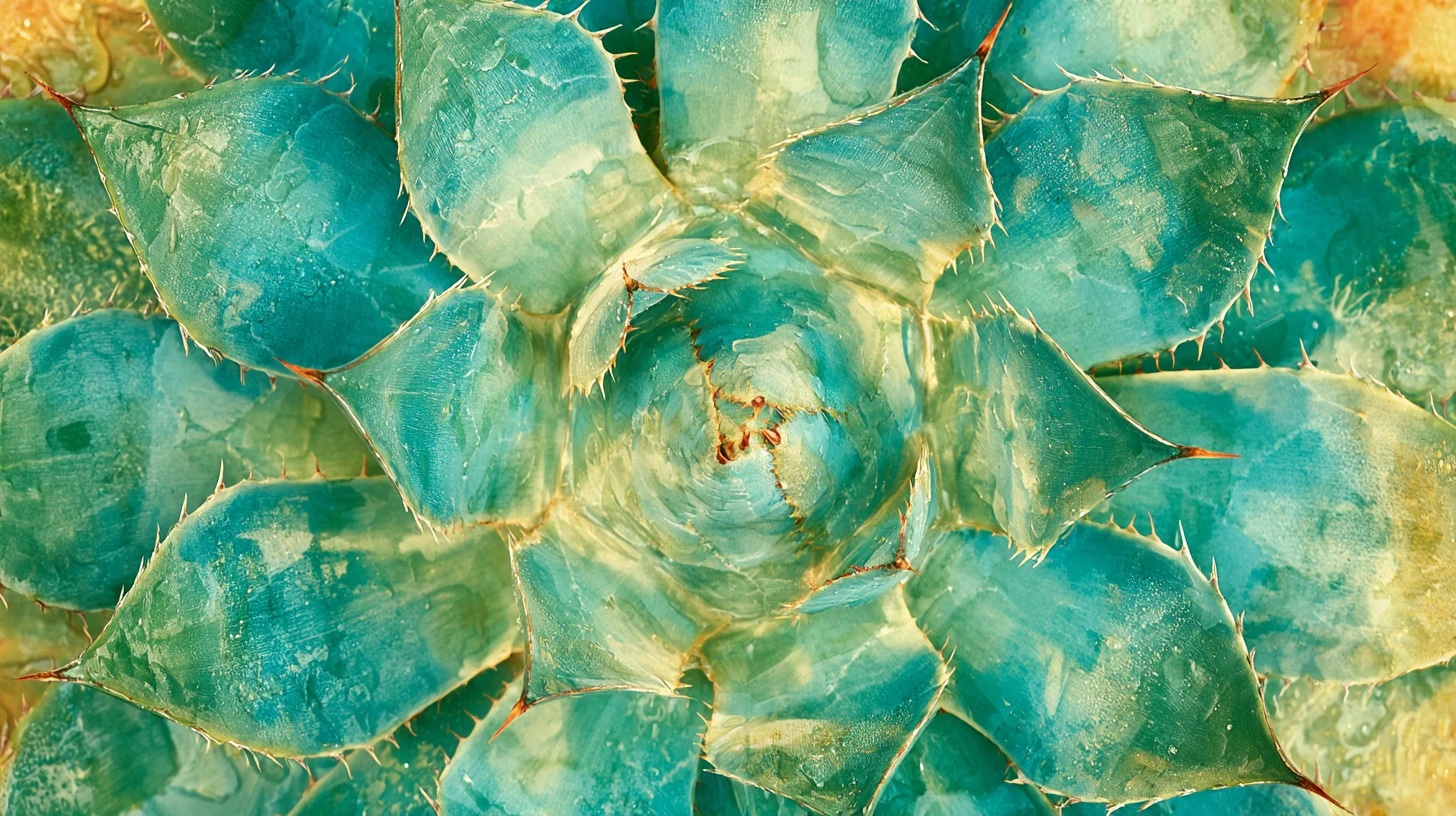
In Bangkok’s Charoenkrung district, a number of bars feature shelves quietly lined with mezcal crafted by small-scale producers in Mexico. Hotel bars, too, carry selections of agave spirits. Thailand imposes steep duties on imported alcohol, compounded by distribution costs and taxes at each stage. Yet, by 2026, a number of Bangkok establishments have built their identities around mezcal.
A Presence Across the City’s Diverse Venues
A recent look into Bangkok’s dining scene reveals that mezcal has found a place in both refined hotel bars catering to international travelers and independent establishments deeply rooted in their local neighborhoods. While their patrons may differ, these varied venues share an interest in spirits distilled from the same remarkable plant.
Across Asia, trade publications report agave-focused venues in Hong Kong and Singapore, and a growing number of specialist venues in Tokyo. The precise opening dates of individual venues, or how their numbers have changed, cannot be established from coverage of this kind. What can be established is narrower: in Bangkok, venues of several different kinds are serving spirits distilled from agave at the same time. When considering how a category takes hold, that is where the observation begins.
The Layers Within a Single Bottle
While both mezcal and tequila share agave as their source, their paths diverge significantly. Tequila is bound to legally designated regions, centered on Jalisco, and primarily relies on blue agave. Mezcal, deeply rooted in Oaxaca, embraces a far wider spectrum of agave varieties. Traditional mezcal production is an exercise in patience and heritage: the heart of the plant, known as the piña, is slowly roasted in an earthen pit, in some cases lined with heated stones, before being fermented and distilled.
The distinct smoky aroma born from this slow roasting is mezcal’s familiar signature. Yet its true complexity lies in how that intensity shifts depending on the agave variety and the subtle nuances of the roasting, fermentation and distillation. The place of origin, the agave variety, the construction of the roasting pit, the material of the fermentation vessels and the scale of the producer all leave a mark on the finished spirit. Which village was it distilled in? Which variety of agave was used? A single bottle quietly holds a remarkable amount of detail.
Reading the Four Pillars of Craft
Sake and shochu hold similar layers of information. They speak of the brewery’s location, the variety and provenance of the rice, the polishing ratio, the type of koji, the source of the local water and the guiding philosophy of the toji, or master brewer. By observing any crafted beverage through four fundamental lenses, namely origin, ingredients, production method and the maker, we gain a framework to appreciate distinct categories on their own terms. The intention is not merely to note that different ingredients yield different tastes, but to understand precisely where these defining nuances emerge.
Mezcal, sake and shochu do not vie for the same space on a shelf. Instead, they share a deeper commonality: knowledge of their origin, their makers and their craft can serve as a meaningful guide. Cultivating the ability to read these layers in one category can provide a point of reference for understanding another.
The concurrent presence of mezcal across Bangkok’s diverse venues does not inherently predict the path for sake or shochu. However, the endeavor to communicate the layers of information held within a single bottle remains a shared pursuit, a quiet dedication uniting drinks born from entirely different ingredients and distant corners of the world.
This article is intended solely to explore the production techniques and cultural heritage of mezcal, agave-based distilled beverages and Japanese sake and shochu, and does not aim to promote or encourage the consumption of alcohol. / บทความนี้จัดทำขึ้นเพื่อนำเสนอข้อมูลเกี่ยวกับกรรมวิธีการผลิตและมรดกทางวัฒนธรรมของเมซคาล เครื่องดื่มกลั่นจากอากาเว รวมถึงสาเกและโชจูของญี่ปุ่นเท่านั้น มิได้มีเจตนาเพื่อส่งเสริมหรือโฆษณาเครื่องดื่มแอลกอฮอล์ สำหรับผู้มีอายุ 20 ปีขึ้นไป โปรดดื่มอย่างรับผิดชอบ
Related Articles
“Shochu Used to Be the “Odd Duck Out”” / “The Philosophy of Working Backward” / “Why Bangkok Bars Ask: “Why Japanese Spirits?”” / “Thirty-Two Spirits, Where They Began”
Discover the culture behind every bottle
We share brewery stories, tasting notes and the craft of koji & fermentation — for educational and cultural purposes only.
เราถ่ายทอดเรื่องราวจากผู้ผลิต บันทึกรสชาติ และศาสตร์แห่งโคจิและการหมัก — เพื่อการศึกษาและวัฒนธรรมเท่านั้น