Drink
Organic, biodynamic and natural wine: What the terms mean
Organic, biodynamic and natural are often used together in discussions of wine. Each points to a different set of practices. The distinction becomes clearer when we separate what happens in the vineyard from what is permitted in the cellar.
Organic wine in the European Union
The EU’s organic rules apply to both growing grapes and making wine. Growers can use practices such as cover crops, compost and mechanical weed control. The rules restrict plant protection products to authorised substances and uses. Certain copper and sulphur products are permitted under conditions.
In the cellar, only authorised inputs and methods can be used. The EU permits certain yeasts and sulphites and sets lower sulphite limits than for comparable conventional wines, depending on the wine and its residual sugar. Certification and the EU organic leaf identify products meeting the applicable rules.


Biodynamic wine

Biodynamic viticulture treats the vineyard as part of a living farm system. The tradition draws on Rudolf Steiner’s 1924 lectures. Some growers also work with calendars associated with Maria Thun. The use of such calendars reflects a practice within the tradition.
Demeter and Biodyvin set their own standards for vineyard practices and winemaking. These include specific preparations for the vineyard and restrictions on what can be used in the cellar. The rules differ between labels. For example, Demeter generally calls for indigenous yeast but allows a limited exception for a stuck fermentation or secondary fermentation of sparkling wine.


Natural wine and Vin Méthode Nature
“Natural wine” is used broadly and does not identify a single international certification. In France, Vin Méthode Nature is a distinct label administered under a charter. The charter calls for certified organically grown grapes, hand harvesting and fermentation with indigenous yeast. It also excludes added winemaking inputs apart from a limited provision for sulphites and excludes specified processing techniques.
Under the charter, producers cannot add sulphites before or during fermentation. A limited adjustment after fermentation is possible, subject to the charter’s analytical limit for the finished wine and a separate logo disclosing the addition. The other logo indicates that the producer did not add sulphites. Sulphites can also form naturally during fermentation.
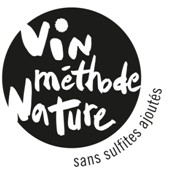
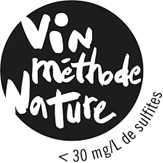
The label is a starting point for understanding how a wine was made. Each standard answers a specific question about cultivation, cellar practices or both.
Standards and charter: European Commission, Demeter, Biodyvin and Vin Méthode Nature.
This article is intended solely to share educational and cultural information about the topics discussed, and does not aim to promote or encourage the consumption of alcohol. For readers aged 20 and over. Please drink responsibly.
บทความนี้จัดทำขึ้นเพื่อให้ข้อมูลเชิงความรู้และวัฒนธรรมเกี่ยวกับหัวข้อที่นำเสนอเท่านั้น มิได้มีเจตนาส่งเสริมหรือโฆษณาเครื่องดื่มแอลกอฮอล์ สำหรับผู้มีอายุ 20 ปีขึ้นไป โปรดดื่มอย่างรับผิดชอบ
Discover the culture behind every bottle
We share brewery stories, tasting notes and the craft of koji & fermentation | for educational and cultural purposes only.
เราถ่ายทอดเรื่องราวจากผู้ผลิต บันทึกรสชาติ และศาสตร์แห่งโคจิและการหมัก | เพื่อการศึกษาและวัฒนธรรมเท่านั้น
Follow on Instagram FacebookRelated Articles
“An 8,000-Year-Old Earthen Vessel” / “Natural Wine is Quietly Reshaping Asia’s Culinary Landscape” / “Champagne! Vincent Charlot: A Biodynamic Approach in Champagne” / “Vine and Wine in the Bible” / “The 1924 Lectures and the Bangkok Wine List” / “A Blend of Japanese Tradition and Gastronomic Excellence” / “Discover the Passion, Tradition, and Craftsmanship Behind TANAKAROKUJUGO” / “THE 3rd PUB BAR ASIA 2025” / “Flower Arrangement at Fruitea”