Drink
The 1924 Lectures and the Bangkok Wine List
Why Biodynamics Endures a Century Later
The 1924 Lectures and the Bangkok Wine List: Why Biodynamics Endures a Century Later
In February 2026, the wine trade journal The Drinks Business reported that “cracks are appearing in the regenerative agriculture movement.” Within a united front that has long advocated sustainable farming, nuances in interpretation have begun to surface over what, precisely, qualifies as “regenerative.”
Amid these shifting tides, one viticultural approach has quietly consolidated its presence: biodynamics.
The Philosopher’s Farm: 1924
The origins of biodynamics date back to 1924. That summer, the Austrian philosopher Rudolf Steiner delivered eight landmark lectures on agriculture in Koberwitz, then part of Germany.
Steiner envisioned more than a mere refinement of farming techniques. He proposed a fundamental paradigm: the farm as a single, self-sustaining living organism. It was a philosophy dictated not by external interventions, but by internal circulation and cosmic rhythms.
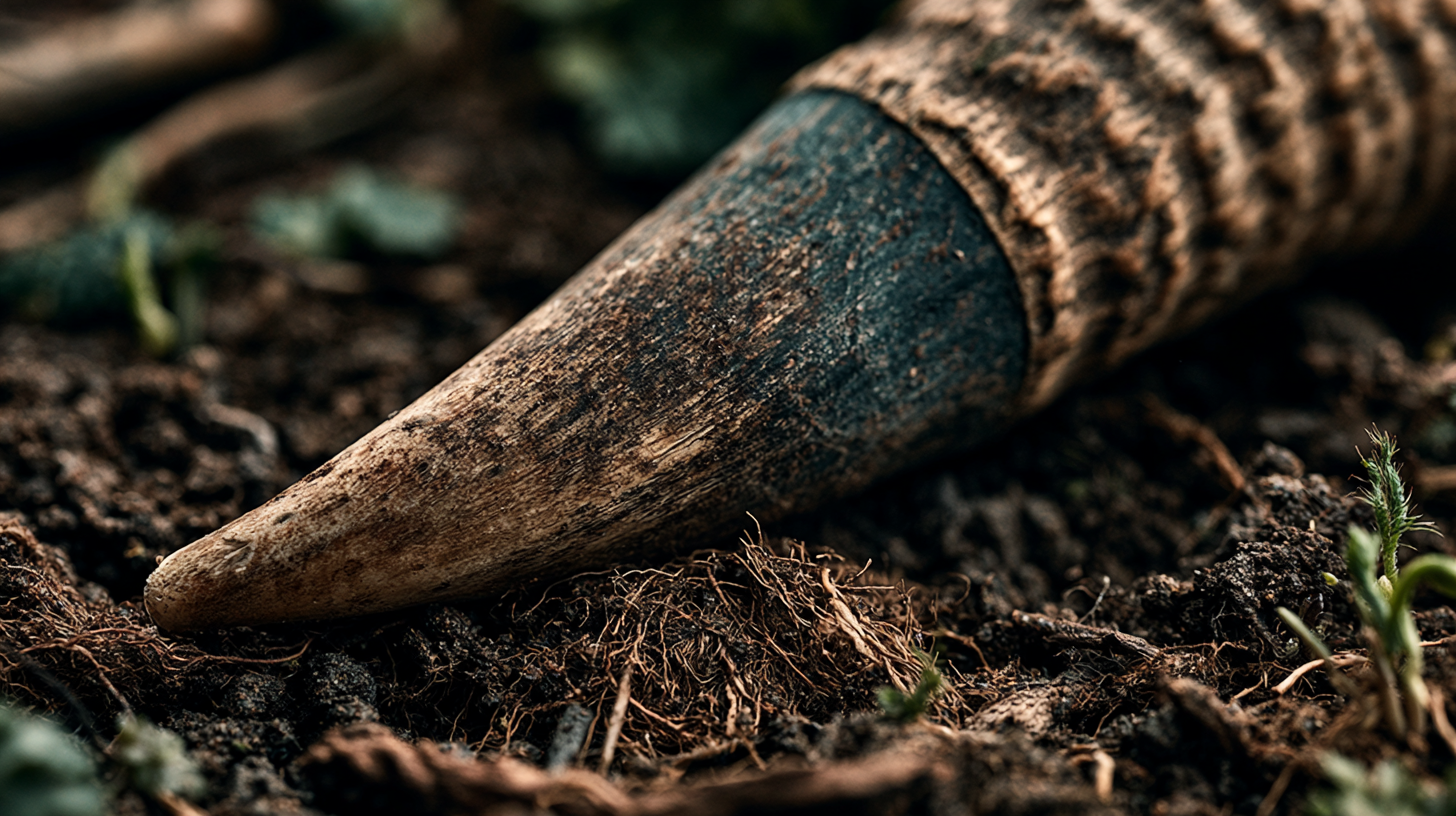
The practice rests upon two central pillars. The first is an agricultural calendar aligned with the movements of the moon and planets. The second involves the application of specialized, soil-activating preparations. Representative of this craft are “Preparation 500”|cow manure aged inside a horn buried underground through the winter|and “Preparation 501,” a mixture of crushed quartz similarly buried to capture solar energy. Rather than relying on commercial inputs, biodynamics seeks to cultivate vitality from the land itself. This is where its core philosophy is most purely distilled.
Demeter, the international certification body for biodynamics, enforces standards that extend far past conventional organic parameters. Beyond the strict prohibition of synthetic pesticides and chemical fertilizers, it evaluates the biodiversity of the entire estate, the self-sustainability of the land’s cycles, and the depth of the artisan’s daily engagement. For nearly a century, the rigor of these protocols has underpinned the absolute credibility of the seal.
How the “Cracks” Illuminate Authenticity
The discourse surrounding regenerative agriculture has, paradoxically, lent new momentum to biodynamics.
While regenerative agriculture has expanded rapidly in recent years|driven by the compelling ideals of soil restoration, carbon sequestration, and ecosystem rebuilding|the lack of globally unified definitions or rigorous third-party auditing has led to a proliferation of self-proclaimed practitioners. Discerning what constitutes genuine stewardship versus mere marketing has created a subtle tension within the industry.
Biodynamics, conversely, remains anchored in its 1924 philosophical foundations and has maintained, for nearly a hundred years, the strict verification framework of the Demeter certification, which was established in 1928. When the contemporary market demands authenticity, this century of time-tested practice becomes an answer in itself. As the escalating pressures of climate change continue to reshape global terroirs, the question of whether a vineyard is truly alive has evolved from an ideological choice into a vital strategy for survival.
A Narrative Reaching Bangkok’s Tables
Nicolas Joly in the Loire, Domaine Leflaive in Burgundy, and Zind-Humbrecht in Alsace|the vanguards of biodynamic winemaking have long held a revered place on Bangkok’s finest wine lists.
This enduring presence reflects a shift in the local community. A demographic that Bloomberg terms the “New Drinkers” approaches wine not merely as a matter of personal preference, but as a reflection of conscious viticultural choices. The farming methodology, the certifications held, the nuances of the vintage|these elements now serve as the baseline for intellectual conversation. Consequently, European producers no longer view Bangkok merely as an export destination, but as a sophisticated market ripe for rigorous professional dialogue with sommeliers and culinary tastemakers.
In this landscape, biodynamics functions less as a marketing label and more as a precise vocabulary to articulate why a particular wine belongs to a specific place.
The Resonance Between Biodynamics and Koji
At its core, biodynamics demands a compelling paradox: relinquishing absolute control to embrace the inherent logic of the ecosystem. Rather than eradicating unwanted growth with chemistry, it fosters microscopic life within the soil, creating the conditions for vines to flourish independently.
This philosophy finds a natural echo in the traditional world of fermentation and koji. The work of a master toji inoculating steamed rice with koji mold is rarely an act of rigid enforcement; it is the careful cultivation of an environment where nature can thrive. While forced fermentation yields a uniform, mass-produced commodity, it sacrifices the unique personality of the brewery|the liquid memory of the land. Both traditions share a foundational reverence: creating space for microorganisms to flourish, then stepping back to let their nature unfold.
As the term “sustainable” grows increasingly ubiquitous, its power to distinguish begins to fade. In its stead, the density of the narrative takes precedence: when, by whom, and for what purpose a methodology was chosen, and how that clarity manifests in the glass. That is precisely why an agricultural philosophy born a century ago resonates so deeply on the wine lists of Bangkok today.
This article is intended solely to explore the philosophy of biodynamic viticulture and its relevance to the premium wine market in Bangkok and Asia, and does not aim to promote or encourage the consumption of alcohol. / บทความนี้จัดทำขึ้นเพื่อนำเสนอข้อมูลเกี่ยวกับปรัชญาการทำเกษตรแบบไบโอไดนามิกและความสำคัญต่อตลาดไวน์พรีเมียมในกรุงเทพและเอเชียเท่านั้น มิได้มีเจตนาเพื่อส่งเสริมหรือโฆษณาเครื่องดื่มแอลกอฮอล์ สำหรับผู้มีอายุ 20 ปีขึ้นไป โปรดดื่มอย่างรับผิดชอบ
Discover the culture behind every bottle
We share brewery stories, tasting notes and the craft of koji & fermentation | for educational and cultural purposes only.
เราถ่ายทอดเรื่องราวจากผู้ผลิต บันทึกรสชาติ และศาสตร์แห่งโคจิและการหมัก | เพื่อการศึกษาและวัฒนธรรมเท่านั้น
Related Articles
“Organic? Biodynamic? Nature? What are the differences?” / “Champagne! Vincent Charlot: A Biodynamic Approach in Champagne” / “Natural Wine is Quietly Reshaping Asia’s Culinary Landscape” / “An 8,000-Year-Old Earthen Vessel” / “Three Years Before “Organic”: The Time Behind a Wine Label”