
CRAFT BEER
Before Serving Japanese Craft Beer in Bangkok|Three Perspectives on Freshness, Style, and Explanation
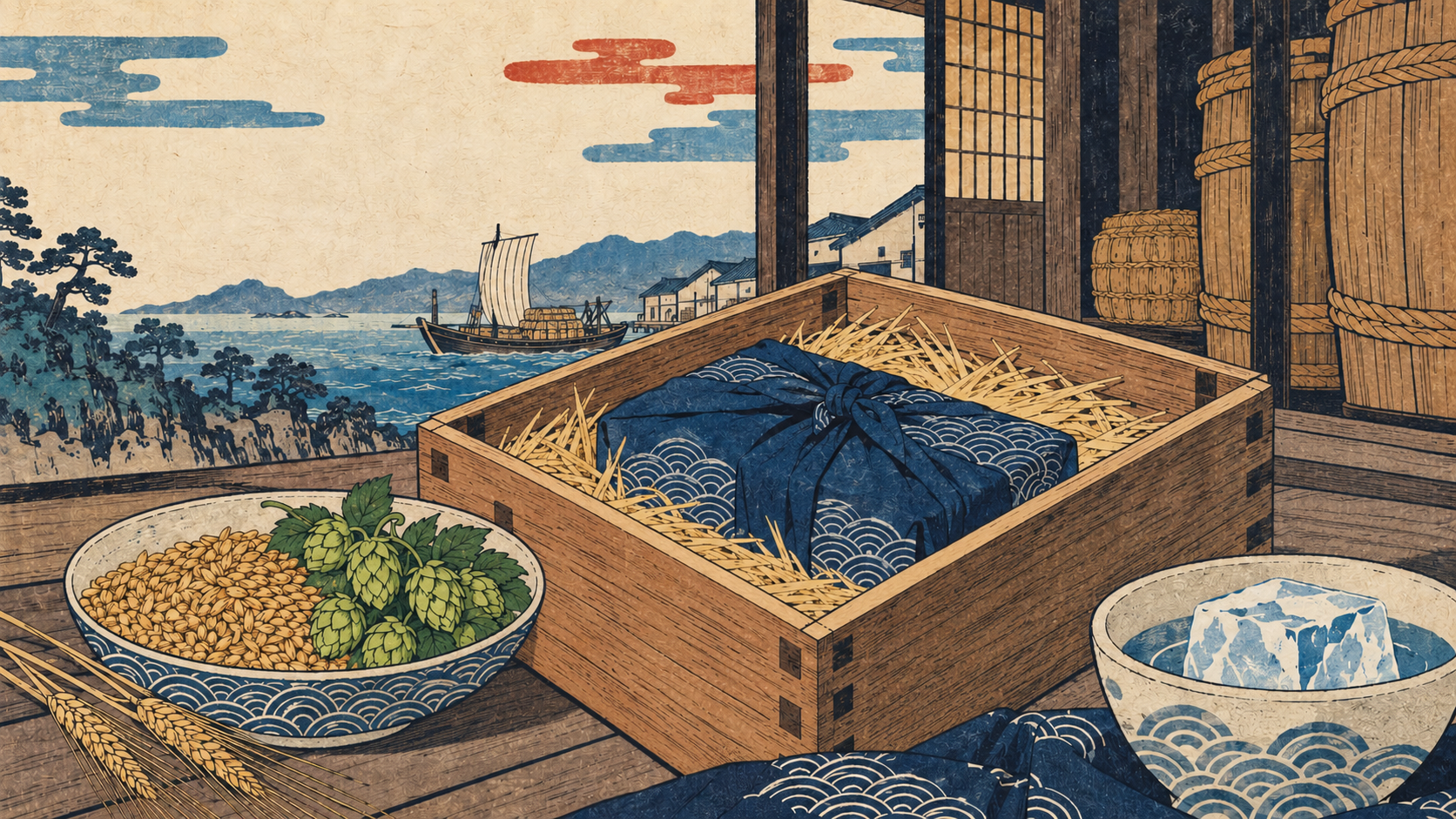
Japanese craft beer reaches venues in Bangkok after being packaged in bottles or cans, transported, and stored. The same brew can change in aroma and flavor depending on those conditions. When considering a beer for a menu, the brewery's name is only part of the picture; handling during transport and after arrival deserves attention too.
Three perspectives help connect product knowledge with preparation at the venue: freshness, style, and clear explanation. Under what conditions did the beer travel? What are its defining characteristics? And how can staff describe them?
1. Arrival Temperature Alone Does Not Reveal Freshness
The presence or absence of yeast is not the only factor affecting quality. High temperatures can accelerate changes in aroma and flavor, including those caused by oxidation. Exposure to sunlight or indoor lighting can also produce aromas the brewer did not intend. Knowing whether a beer has been pasteurized or filtered, alongside its specific storage requirements, provides a starting point for its care.
A cold chain maintains low temperatures through consistent temperature management at every stage of transport and storage. Which stages are controlled between a warehouse in Japan, the port, the vessel, a warehouse in Thailand, and delivery to the venue? Refrigerated vehicles are one consideration; handling during transfers and temperature records also help clarify the conditions a beer has experienced.
Cans block light. Brown bottles offer some protection too, but should still be stored away from sunlight and indoor lighting. Light protection and temperature control each deserve checking. Even in a can, prolonged storage at high temperatures can change a beer's aroma and flavor.
Time since shipment matters as well. According to Heiwa Shuzo's published product information, HEIWA CRAFT Pale Ale, distributed by the Thai importer Bacchus Global, has a best-before period of five months from shipment. Transport time is included within those five months. Checking the best-before date and storage instructions on each received product helps a venue plan sales and service within the remaining period.
2. Distinguishing Beer Style from Japanese Ingredients
“Japanese-made” identifies an origin, not a particular flavor. Lager and ale are categories defined primarily by the yeast used in fermentation. More specific style names, such as Pale Ale and IPA, offer clues to a beer's likely aroma and flavor. IPA stands for India Pale Ale; many examples feature hop aroma and bitterness.
Yuzu and sansho, by contrast, identify ingredients rather than styles. An IPA can contain yuzu, while an ale can contain sansho. Treating “ale-style beers” and “beers with Japanese ingredients” as non-overlapping groups obscures that relationship. Checking the underlying style and the ingredients separately makes each product easier to understand.
Bitterness, aroma, and alcohol strength vary even within the IPA category. Will a beer be served alongside food, or featured in a program explaining differences in ingredients and production? Defining its role at the venue clarifies which attributes to compare beyond the style name.
3. Clear Explanations Separate Ingredients from Aroma
What staff add to “This is a Japanese craft beer” shapes the explanation. Knowing the brewery's location, main ingredients, and style provides a foundation for describing aroma and bitterness in a few words. Information about the product at hand is more useful here than memorizing a detailed brewery history.
For example, a citrus-like aroma does not necessarily mean citrus was used as an ingredient. Distinguishing hop-derived aromas from the use of actual yuzu helps prevent misunderstandings. Before memorizing descriptions from a product sheet, staff should understand what those words describe.
Food pairings also deserve testing with the actual beer and dish, rather than relying on a style name alone. The balance of heat, acidity, and sweetness varies across Thai dishes. Even the same IPA can be perceived differently in aroma and bitterness when paired with different foods. Sharing producer-documented information separately from observations made at the venue keeps the basis of each explanation clear.
Managing temperature and storage time helps preserve aroma and flavor. Understanding style and ingredients, then describing differences between products, completes the picture. Importers and venues overseas share a responsibility to preserve the brewer's intended character as far as possible, from receipt at the venue through service.
This article provides educational information on quality management, beer styles and the description of Japanese craft beer. It does not promote the purchase or consumption of alcohol. Intended for readers aged 20 and over.
บทความนี้นำเสนอข้อมูลเกี่ยวกับการดูแลคุณภาพ การจำแนกประเภท และการอธิบายลักษณะของคราฟต์เบียร์ญี่ปุ่น เพื่อความรู้และความเข้าใจด้านการผลิต มิได้มีเจตนาส่งเสริมการซื้อหรือการบริโภคเครื่องดื่มแอลกอฮอล์ สำหรับผู้อ่านอายุ 20 ปีขึ้นไป
Discover the culture behind every bottle
We share brewery stories, tasting notes and the craft of koji & fermentation | for educational and cultural purposes only.
เราถ่ายทอดเรื่องราวจากผู้ผลิต บันทึกรสชาติ และศาสตร์แห่งโคจิและการหมัก | เพื่อการศึกษาและวัฒนธรรมเท่านั้น
Follow on Instagram Facebook
